How to Become an Emergency Nurse
Stepping into an emergency department for the first time, whether as a student or a new grad, can feel like being dropped into a hurricane. The lights, the alarms, the rapid-fire decisions, the sheer variety of human suffering and triumph walking through those doors – it's an environment that tests every fiber of your being. It's exhilarating, terrifying, and profoundly rewarding all at once. If you've felt that pull, that calling to be at the sharp end of healthcare, this comprehensive guide will walk you through every step of how to become an emergency nurse, equipping you with the knowledge and expectations you'll need to thrive.
What Exactly Does an Emergency Nurse Do?
Being an emergency nurse isn't just a job; it's a calling to a fast-paced, high-stakes environment where every shift brings the unexpected. You're the front line, the quick thinker, the compassionate caregiver when people are often at their most vulnerable. It's a specialty that demands a unique blend of skills and a deep well of resilience.
The Dynamic and Demanding Role
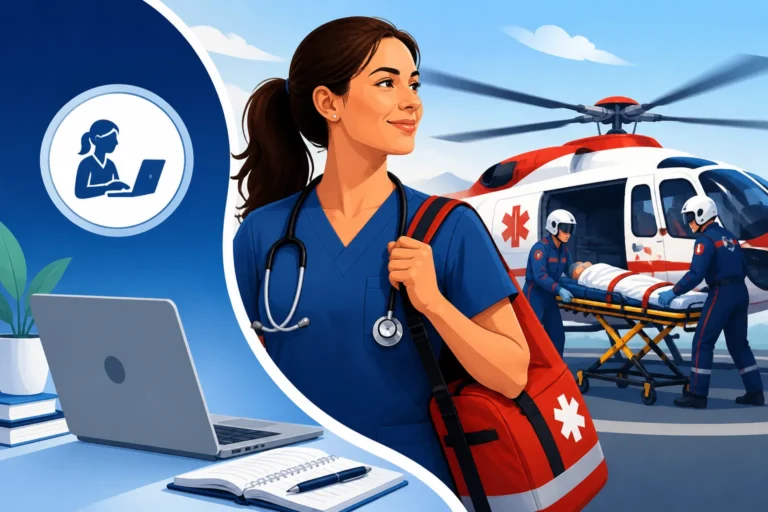
Imagine a typical day in the Emergency Department (ED). There’s no such thing. One moment, you could be triaging a patient with a minor cut, offering comfort and practical advice. The next, you're part of a rapid-response team working to stabilize a trauma patient rushed in by ambulance, or managing a patient presenting with stroke symptoms, where every second counts. The sheer unpredictability is what draws many to emergency nursing, but it's also what makes it so demanding. You have to be ready for anything, able to pivot your focus instantly, and make critical decisions under immense pressure. It's not for the faint of heart, but for those who thrive on challenge and making a tangible difference in immediate situations, it's incredibly fulfilling.
Core Responsibilities and Daily Challenges
The core responsibilities of an emergency nurse are vast and varied. Triage, assessment, stabilization, medication administration, wound care, crisis intervention, patient education – you'll do it all. You're often the first point of contact, quickly assessing a patient's condition to determine the urgency of their need, a process that requires sharp clinical judgment. This often involves differentiating between life-threatening emergencies and less acute issues, all while maintaining a calm demeanor. You’ll be managing multiple patients concurrently, some critically ill, others anxious, and constantly reprioritizing tasks as new emergencies arrive. One of the biggest challenges is the emotional toll; you witness intense suffering, joy, and everything in between. It's crucial to develop coping mechanisms and a strong support system to process these experiences. You also play a vital role in patient and family advocacy, ensuring that even in the chaos, the patient's voice is heard and their needs are met.
Unique Patient Population and Scenarios
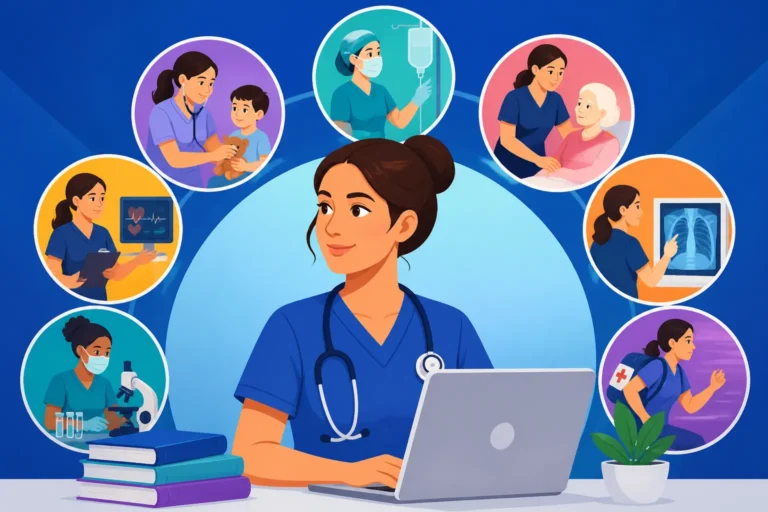
The ED serves a truly unique and diverse patient population, from newborns to the elderly, encountering a vast spectrum of illnesses and injuries. You might see a child with a broken arm, an elderly person experiencing chest pain, someone in a mental health crisis, or a patient involved in a multi-system trauma. This means emergency nurses must possess a broad knowledge base, encompassing everything from pediatrics to gerontology, cardiology to orthopedics, and toxicology to psychiatry. Each patient presents a new puzzle, demanding quick assessment, accurate diagnosis, and rapid intervention. This constant learning and exposure to varied scenarios contribute to the dynamic nature of the role and the constant growth it offers.
Educational Pathway to Becoming an Emergency Nurse
To become an emergency nurse, you first need to become a registered nurse (RN). This foundational step requires specific education and licensure, setting the stage for specialization in the fast-paced world of the emergency department.
Entry-Level Nursing Education (ADN vs. BSN)
The journey into nursing typically begins with either an Associate Degree in Nursing (ADN) or a Bachelor of Science in Nursing (BSN). An ADN program is generally a two-year degree, often offered at community colleges, providing the essential knowledge and clinical skills to pass the NCLEX-RN and begin practicing as an RN. While an ADN allows you to get into the field faster, many healthcare institutions, particularly those with Magnet® status or larger academic medical centers, now strongly prefer or even require a BSN. If you start with an ADN, you might find yourself exploring various RN to BSN programs to advance your education. These bridge programs are designed for working nurses and can often be completed online, making it feasible to continue your career while studying.
A BSN is a four-year degree offered at colleges and universities. It provides a more comprehensive education, delving deeper into areas like public health, leadership, research, and critical thinking, which are invaluable in complex environments like the ED. Hospitals often prefer BSN-prepared nurses due to the demonstrated link between higher nursing education and improved patient outcomes. If you're weighing your options, consider the long-term career advantages. You can learn more about the differences between these paths in our article on ADN vs BSN: Key Differences.
The Importance of a BSN
While you can technically become an emergency nurse with an ADN and an RN license, a BSN is increasingly becoming the industry standard and offers significant advantages. Many hospitals, particularly those recognized for nursing excellence, explicitly state Why Hospitals Prefer BSN Nurses. Beyond basic patient care, BSN programs emphasize advanced critical thinking, evidence-based practice, and leadership skills, all of which are crucial for the demanding environment of the emergency department. A BSN also opens more doors for career advancement, such as charge nurse roles, management positions, or pursuing advanced degrees like a Master of Science in Nursing (MSN). Even if you start with an ADN, planning to complete your BSN is a smart career move that will benefit you in the long run, especially if you envision a leadership role or advanced practice within emergency medicine.
Gaining Your RN License
After completing your ADN or BSN program, the next critical step is to pass the National Council Licensure Examination for Registered Nurses (NCLEX-RN). This standardized exam assesses your ability to apply nursing knowledge and critical thinking skills to make safe and effective patient care decisions. It's a challenging exam, but thorough preparation is key. Many aspiring nurses find resources like UWorld's NCLEX QBank incredibly helpful for practicing with realistic questions and detailed rationales. Once you successfully pass the NCLEX-RN and meet all your state board of nursing's requirements, you'll be granted your Registered Nurse (RN) license, officially allowing you to practice nursing. This license is your gateway to applying for nursing positions, including those in emergency departments.
Gaining Experience in Emergency Nursing
Jumping straight into the emergency department right after nursing school can be a steep learning curve. While some new grads land ED positions, many nurses find value in gaining foundational experience in other acute care settings first.
Starting in a Med-Surg or General Acute Care Setting
For many new graduate nurses, starting in a medical-surgical unit or a general acute care setting is a traditional and highly recommended path. These units provide a solid foundation in core nursing skills: medication administration, wound care, patient assessment, electronic health record documentation, time management, and collaborating with interdisciplinary teams. You'll learn to manage a diverse patient load with varying acuities, develop strong organizational skills, and refine your critical thinking in a slightly less chaotic environment than the ED. This initial experience, typically 1-2 years, builds confidence and competence, making the transition to the ED smoother. Hospitals often prefer ED candidates with prior acute care experience because it means they already have a foundational understanding of patient management and aren't entirely new to the rhythm of hospital life.
Landing Your First ER Job: Strategies and Mindset
Once you have some solid acute care experience under your belt, or if you're a new grad determined to start in the ED, it's time to strategize. Tailor your resume and cover letter to highlight any relevant experiences, such as clinical rotations in an ED, volunteer work in emergency services, or any skills that demonstrate quick thinking and adaptability. Networking is invaluable; talk to nurses who work in the ED, attend career fairs, and express your specific interest in emergency nursing during interviews. Be prepared to articulate why you want to work in the ED – the adrenaline, the variety, the opportunity to make an immediate impact. Show genuine enthusiasm for the specialty.
Many hospitals offer new graduate residency programs specifically for the ED. These programs provide structured mentorship, specialized training, and a supportive environment to help new nurses acclimate to the ED's unique demands. Even without a formal residency, a proactive mindset is key. Seek out learning opportunities, ask questions, and embrace every challenge as a chance to grow. The ED environment is intense, and demonstrating a strong work ethic, eagerness to learn, and a resilient attitude will serve you well.
Residency Programs and On-the-Job Training
Many hospitals, especially larger healthcare systems, recognize the unique challenges of the ED and offer dedicated emergency nursing residency programs. These programs are designed to transition new nurses or those new to the ED into competent and confident emergency practitioners. A residency typically combines classroom education, simulation labs, precepted clinical experience, and mentorship. You'll learn specific ED protocols, dive into advanced cardiac life support (ACLS) and pediatric advanced life support (PALS) certifications, and gain hands-on experience with critical skills like rapid assessment, airway management, and trauma care.
Beyond formal residencies, on-the-job training in the ED is continuous. You'll be assigned a preceptor for an extended period, learning directly from experienced emergency nurses. This mentorship is invaluable, as they guide you through real patient scenarios, help you refine your assessment skills, and teach you the "tricks of the trade" that only come with experience. Expect a steep learning curve and a constant flow of new information. It’s a challenging but incredibly rewarding phase where you rapidly build your expertise.
Essential Skills and Traits for Success in the ED
Working in the emergency department demands more than just clinical knowledge; it requires a specific set of personal attributes and honed skills to navigate its inherent unpredictability and high-pressure situations.
Clinical Acumen and Critical Thinking
At the heart of emergency nursing is an exceptionally sharp clinical acumen and the ability to think critically under pressure. When a patient arrives in the ED, you often have very little information. You need to quickly assess, gather pertinent data, prioritize interventions, and anticipate potential complications. This isn't just about recognizing symptoms; it's about understanding the pathophysiology behind them, knowing what questions to ask, what labs to order, and what interventions are immediately necessary to stabilize a patient. For example, a patient presenting with vague abdominal pain could be experiencing anything from indigestion to a ruptured appendix or an ectopic pregnancy. Your ability to connect the dots, rule out life-threatening conditions first, and advocate for rapid diagnostic tests is paramount. This level of critical thinking is developed through education, but truly honed by experience. Using resources like UWorld for practice scenarios and critical thinking exercises can be incredibly beneficial in sharpening these skills even before you step foot in the ED.
Communication, Compassion, and Resilience
In the ED, effective communication is non-negotiable. You're constantly interacting with patients and their often-anxious families, explaining complex medical situations in understandable terms, providing emotional support, and advocating for their needs. You'll also work seamlessly with a diverse interdisciplinary team – paramedics, physicians, residents, specialists, technicians, social workers – requiring clear, concise handoffs and collaborative decision-making.
Compassion, even in the most chaotic moments, is your superpower. Patients come to the ED often scared, in pain, or at their absolute worst. A kind word, a gentle touch, or simply truly listening can make all the difference. Yet, alongside compassion, you need immense resilience. The ED can be emotionally exhausting. You will witness trauma, loss, and difficult outcomes. Developing the ability to process these experiences, learn from them, and come back ready for the next shift is vital. This often means having strong personal boundaries, a good support system, and healthy coping strategies.
The Ability to Thrive Under Pressure
If the thought of a rapidly changing, high-stakes environment energizes rather than paralyzes you, then emergency nursing might be your calling. The ability to perform effectively under pressure is not just a desirable trait; it’s an absolute necessity. You'll often be managing multiple critical situations simultaneously, with alarms sounding, family members asking questions, and new patients arriving. It requires exceptional multitasking abilities, the capacity to remain calm and focused when chaos erupts, and the confidence to make quick, sound decisions. This isn't about ignoring the pressure, but learning to channel it into effective action. It means trusting your training, relying on your team, and knowing that every decision you make is geared towards the best possible outcome for your patients. This characteristic is often what separates a good emergency nurse from a truly exceptional one.
Advanced Certifications and Continuing Education
Once you've gained experience in the ED, advanced certifications become crucial for demonstrating specialized expertise and advancing your career. These certifications signify a commitment to excellence and a deeper understanding of emergency nursing principles.
Key Certifications for Emergency Nurses
For emergency nurses, several certifications are highly valued and often required by employers. The gold standard is the Certified Emergency Nurse (CEN) credential, offered by the Board of Certification for Emergency Nursing (BCEN). Achieving CEN certification demonstrates a comprehensive knowledge of emergency nursing practice, from assessment and intervention to patient education and legal aspects. It’s a rigorous exam, but successfully passing it validates your expertise and commitment to the specialty. Many nurses use test prep resources similar to those for the NCLEX, like UWorld, to prepare for their CEN exam.
Beyond the CEN, other crucial certifications include:
- ACLS (Advanced Cardiac Life Support): Essential for managing adult cardiac emergencies.
- PALS (Pediatric Advanced Life Support): Vital for responding to pediatric medical emergencies.
- TNCC (Trauma Nursing Core Course): Focuses on systematic trauma patient assessment and intervention.
- ENPC (Emergency Nursing Pediatric Course): Similar to TNCC but focused entirely on pediatric emergency care.
These certifications provide standardized knowledge and skills necessary for managing the diverse patient population seen in the ED. You can delve deeper into these and other credentials by exploring Emergency Nurse Certification (CEN) and Nursing Certifications by Specialty.
The Value of Specialization and Professional Growth
Specializing through certifications isn't just about adding letters after your name; it's about deepening your understanding and refining your skills. It signifies to employers, colleagues, and patients that you have met a recognized standard of excellence in emergency nursing. This specialization can lead to greater confidence in your practice, increased autonomy, and better patient outcomes. Furthermore, pursuing these certifications often means engaging with advanced concepts and evidence-based practices, which fuels continuous professional growth. It can also be a stepping stone towards roles like charge nurse, preceptor, or clinical educator within the ED, offering new challenges and responsibilities.
Lifelong Learning and Staying Current
The medical landscape is constantly evolving, and emergency nursing is no exception. New protocols, technologies, medications, and research findings emerge regularly. Therefore, lifelong learning is not just a recommendation; it's a professional imperative. Emergency nurses are expected to stay current through continuing education units (CEUs), professional conferences, workshops, and staying abreast of the latest guidelines from organizations like the Emergency Nurses Association (ENA). For example, cardiac arrest algorithms or stroke intervention guidelines are updated periodically, and it’s your responsibility as an emergency nurse to know and implement the most current best practices. This commitment to ongoing learning ensures that you provide the highest quality, most up-to-date care to your patients. This dedication to continuing education is a hallmark of any truly professional nurse and can also contribute to opportunities to increase your salary, as discussed in How to Increase Your Nursing Salary.
Career Outlook and Advancement for Emergency Nurses
The demand for skilled nurses, including emergency nurses, remains strong. Pursuing a career in the ED offers not only a challenging and rewarding daily experience but also a clear path for professional growth and leadership within the healthcare system.
Job Demand and Growth Projections
The job outlook for registered nurses overall is projected to be robust, with the U.S. Bureau of Labor Statistics anticipating continued growth. Emergency nurses are particularly in demand due to the increasing volume of patients seeking care in EDs, the aging population, and the ongoing need for acute care services. Hospitals are continuously looking for experienced, certified emergency nurses who can hit the ground running in these critical areas. Whether you're interested in urban trauma centers or rural community hospitals, the skills of an emergency nurse are highly valued. This steady demand provides good job security and competitive compensation. You can dive deeper into the broader picture by checking out Nursing Job Outlook and Demand.
Pathways to Leadership and Advanced Practice
A career as an emergency nurse doesn't mean you'll always be at the bedside. The expertise and leadership skills you develop in the ED can open doors to various advancement opportunities. Many emergency nurses transition into roles such as:
- Charge Nurse: Overseeing the flow and operations of the ED during a shift, managing staff, and making critical decisions.
- Nurse Manager: Responsible for the administrative and clinical leadership of an entire emergency department.
- Clinical Nurse Educator: Training new staff, developing educational programs, and ensuring clinical competency within the ED.
- Trauma Coordinator: Managing the care of trauma patients across the continuum, from pre-hospital to rehabilitation.
- Advanced Practice Registered Nurse (APRN): With further education, such as an MSN, emergency nurses can become Nurse Practitioners (NPs) specializing in acute care or family practice, often working in urgent care centers, critical care units, or even within the ED as an Emergency Nurse Practitioner. This pathway allows you to expand your scope of practice, including diagnosing illnesses and prescribing medications. The transition from RN to NP is a significant one, and you can explore this further by reading about RN to MSN Programs Explained or How to Become a Nurse Practitioner.
The critical thinking and rapid decision-making skills honed in the ED are highly transferable and provide an excellent foundation for these advanced roles.
The Rewarding Aspects of an ED Career
Despite the undeniable challenges, an emergency nursing career offers profound rewards that often outweigh the difficulties. There's a deep satisfaction in knowing that you are often the first line of defense for patients in crisis, making immediate, life-saving interventions. The variety of cases means no two days are ever the same, preventing routine and fostering continuous learning. The camaraderie among ED staff is also incredibly strong; you become a close-knit team, relying on each other in high-pressure situations.
Perhaps the most significant reward is the direct impact you have on people's lives. Whether it's comforting a frightened child, stabilizing a trauma victim, or simply providing a compassionate presence during a difficult time, emergency nurses make a tangible difference every single shift. It's a career that demands the best of you but gives back in a unique sense of purpose and fulfillment.
Disclaimer
Please note that the information provided in this guide is intended for general informational purposes only and does not constitute professional medical or educational advice. Specific requirements for nursing programs, licensure, and certifications can vary by state and institution. Always consult with official academic advisors, state boards of nursing, and professional organizations for the most accurate and up-to-date information relevant to your personal circumstances.