How to Become a Wound Care Nurse
It can feel overwhelming when you’re passionate about nursing but also drawn to a specific area of patient care that seems a bit niche, like wound care. Many nurses recognize the critical need for specialized knowledge in managing complex wounds, yet the path to becoming an expert in this field isn't always clear-cut. This comprehensive guide is here to demystify the journey, offering a step-by-step roadmap to becoming a certified wound care nurse, from initial education to advanced practice and certification.
The Evolving Role of the Wound Care Nurse
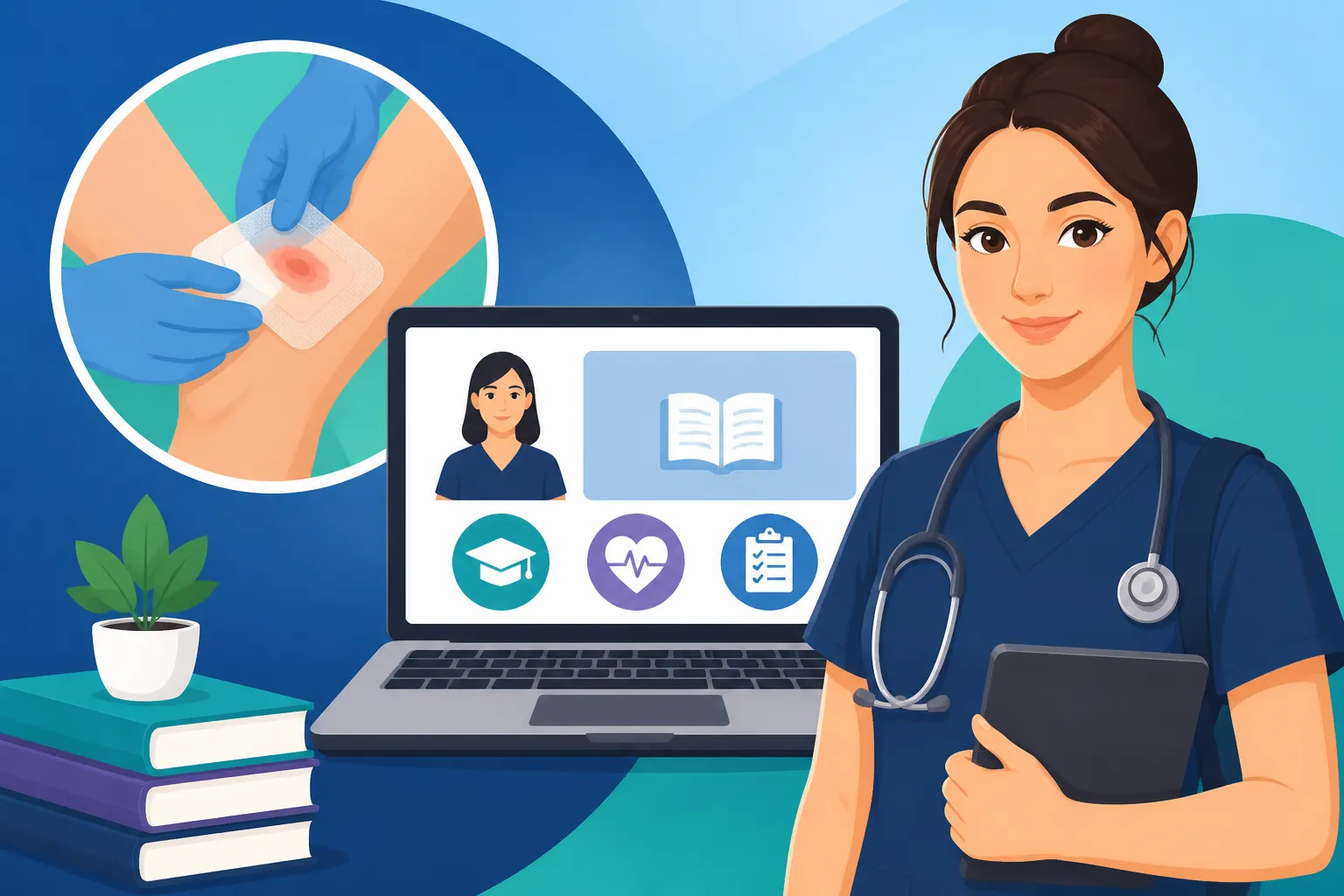
When you think of nursing, images of busy emergency rooms or meticulous intensive care units often come to mind. But there's a vital, often understated, area of practice that's crucial for patient healing and quality of life: wound care. This isn't just about changing dressings; it's a highly specialized field that demands keen assessment skills, in-depth knowledge of pathophysiology, and a compassionate approach to patient well-being. The role of the wound care nurse has grown exponentially, becoming an indispensable part of modern healthcare teams across various settings.
Why Wound Care is a Growing Specialty
The need for skilled wound care nurses is escalating, driven by several key factors in our healthcare landscape. For one, the aging population means more individuals are living with chronic conditions like diabetes, vascular disease, and immobility, all of which contribute to the development of complex wounds. Think about a senior living in an assisted living facility who develops a pressure injury, or an elderly patient discharged from the hospital with a surgical wound that isn't healing properly. These situations require more than basic nursing; they demand a dedicated specialist who can accurately assess the wound, understand underlying systemic issues, and implement advanced treatment protocols.
Beyond demographics, advances in medical technology and treatments mean there are more sophisticated options available for wound management, from specialized dressings and negative pressure wound therapy to biological agents and debridement techniques. This complexity means that generalist nurses often don't have the time or specialized training to keep up with the latest evidence-based practices. That's where the wound care nurse steps in, bringing a focused expertise that significantly impacts patient outcomes, reduces hospital readmissions, and prevents complications like infection and amputation. It’s truly a testament to the importance of specialized roles within nursing.
What a Wound Care Nurse Really Does Day-to-Day
A wound care nurse's day is anything but routine, often involving a diverse range of responsibilities that directly improve patients' healing journeys. Picture this: you might start your morning in a hospital, consulting on a challenging post-operative wound that's showing signs of dehiscence, working closely with the surgical team and the patient's primary nurse to develop an aggressive new treatment plan. This could involve recommending specific advanced dressings, arranging for debridement, or even coordinating with physical therapy for mobility improvements to offload pressure.
Later in the day, you might visit a patient's home through a home health agency to manage a chronic diabetic foot ulcer, providing meticulous care, educating the patient and their family on proper self-care techniques, and monitoring for signs of infection. Or perhaps you’re in an outpatient wound clinic, performing detailed assessments, documenting wound progression with photographs, and initiating new therapies for various types of wounds, from venous leg ulcers to burns. Collaboration is also a huge part of the job; wound care nurses frequently work with physicians, dietitians, physical therapists, occupational therapists, and even social workers to ensure holistic patient care. They are the go-to experts, providing education to staff, advocating for patients, and staying abreast of the latest research and products to ensure the best possible care.
Essential Educational Pathways to Becoming a Wound Care Nurse
Every nursing career starts with a foundational education, and becoming a wound care nurse is no different. You'll need to establish a strong base in general nursing principles before you can specialize. The journey typically begins with earning your Registered Nurse (RN) license, which then opens the door to more advanced educational pursuits that will specifically prepare you for the intricacies of wound management.
Laying the Foundation with an RN License
To become any kind of nurse, including a wound care nurse, the very first step is to become a licensed Registered Nurse (RN). This means completing an accredited nursing program and successfully passing the NCLEX-RN exam. You have a couple of options here: an Associate Degree in Nursing (ADN) or a Bachelor of Science in Nursing (BSN). While both paths qualify you to take the NCLEX and work as an RN, many healthcare employers and advanced specialty certifications increasingly favor, or even require, a BSN.
An ADN program typically takes about two years to complete and focuses heavily on the technical skills and direct patient care aspects of nursing. It’s a fast track into the profession, allowing you to start gaining hands-on experience sooner. However, if your long-term goal is to specialize in areas like wound care, the broader educational foundation provided by a BSN can be incredibly beneficial. For those who start with an ADN, bridging programs like Online RN to BSN Programs: Complete Guide are widely available, offering a flexible way to advance your education while often continuing to work.
The Value of a BSN for Specialization
Earning a Bachelor of Science in Nursing (BSN) goes beyond just meeting a preferred qualification; it equips you with a deeper understanding of nursing theory, research, leadership, and community health. These are critical components that enhance your ability to practice at a higher level, especially when moving into a specialty like wound care. A BSN curriculum expands on the clinical skills taught in an ADN program by integrating coursework in areas like evidence-based practice, patient education, critical thinking, and complex care coordination. This comprehensive education is why many hospitals now prefer BSN-prepared nurses, seeing the value in their enhanced problem-solving skills and leadership potential.
For aspiring wound care nurses, this broader perspective is invaluable. You'll not only learn how to change a dressing but why a particular dressing is indicated, how to critically evaluate new wound care products based on research, and how to educate diverse patient populations effectively on wound prevention and management. This foundational knowledge is crucial for understanding the systemic factors that influence wound healing, such as nutrition, comorbidities, and psychosocial elements. The analytical and leadership skills honed in a BSN program also prepare you to take on roles in quality improvement and program development within wound care, ultimately leading to improved patient outcomes and career advancement. While it might seem like an extra step, the BSN provides a robust springboard for specializing, and it can positively impact your BSN Salary Explained in the long run.
Advanced Degrees and Certificates in Wound Care
Once you have your RN license and ideally a BSN, the real specialization begins. While some nurses may choose to pursue a Master of Science in Nursing (MSN) or a Doctor of Nursing Practice (DNP) with a focus on advanced practice, such as becoming a Nurse Practitioner who specializes in dermatology or chronic disease management, the primary pathway to becoming a certified wound care nurse is through specialized post-RN certification programs. These aren't full degrees but highly focused educational tracks designed to provide in-depth expertise.
These certificate programs typically involve a combination of didactic coursework (often online or hybrid) and clinical practicum hours specifically dedicated to wound care. You'll dive deep into topics like advanced wound assessment, debridement techniques, pressure injury prevention, diabetic foot care, ostomy management, continence care, and the physiological processes of healing. Many organizations offer these programs, with the goal of preparing you for the rigorous certification exams. Completing one of these programs demonstrates a serious commitment to the specialty and provides the targeted knowledge you need to excel. While an MSN can lead to roles like an MSN Nurse Educator Track or a clinical nurse specialist, these certifications are the direct route to becoming a recognized wound care specialist.
Gaining Experience: Your Stepping Stones to Specialization
Education provides the theoretical framework, but real-world experience is where that knowledge truly solidifies. As an aspiring wound care nurse, simply having an RN license isn't enough; you need to actively seek out and gain hands-on clinical experience that exposes you to a variety of wounds and patient populations. This practical exposure is not just beneficial for your learning, but it’s often a prerequisite for advanced wound care certifications.
Clinical Experience Matters Most
Once you've earned your RN license, your first step into the professional world should ideally be in a setting where you'll encounter a diverse range of wounds. While you might not start directly in a wound care specific role, general medical-surgical units, rehabilitation centers, long-term care facilities, and even emergency departments offer invaluable exposure. On a med-surg floor, you’ll manage surgical incisions, pressure injuries, and various skin tears. In a rehab setting, you'll see chronic wounds related to immobility and neurological conditions. Even the ER can provide experience with traumatic wounds and acute burns.
The key here is to be proactive. Volunteer for wound rounds, ask to assist with complex dressing changes, and always be curious about the "why" behind different wound treatments. Don't shy away from challenging cases; these are your best learning opportunities. Every wound you assess, every dressing you change, and every patient you educate contributes to your growing expertise. Remember, the more varied your exposure, the more well-rounded your understanding of wound etiology and management will become, which is crucial as you build your career toward specialized care.
Seeking Out Wound Care Opportunities
To truly immerse yourself in the specialty, you need to actively seek out formal and informal wound care opportunities. Many larger hospitals and healthcare systems have dedicated wound care teams or nurses who serve as unit resources. Express your interest to your nurse manager or unit educator. Ask if you can shadow the wound care specialist for a day or participate in their weekly rounds. This direct observation can give you an incredible insight into the advanced assessment techniques and treatment modalities used in practice. Some facilities even offer internal training programs or continuing education specific to wound care for their staff.
Beyond your immediate workplace, look for positions in settings that inherently have a high volume of complex wounds. Home health agencies, for instance, frequently care for patients with chronic wounds, offering a great chance to learn about managing long-term care in a patient’s natural environment. Long-term acute care (LTAC) hospitals or specialized wound care centers are other excellent places to gain concentrated experience. These environments are often staffed by certified wound care nurses and provide a rich learning ground where you can build your practical skills under expert guidance, preparing you for roles in various Nursing Specializations Explained.
Mentorship and Professional Development
One of the most powerful tools for professional growth in any specialized field, especially wound care, is mentorship. Seek out experienced wound care nurses, whether certified or highly skilled, and ask if they would be willing to guide you. A mentor can offer invaluable insights, share practical tips, and help you navigate complex clinical situations that textbooks can't fully prepare you for. They can also introduce you to professional networks and resources that will further your development.
Beyond individual mentorship, committing to ongoing professional development is essential. Attend wound care conferences, workshops, and webinars. Join professional organizations like the Wound, Ostomy and Continence Nurses Society (WOCN Society) or the Association for the Advancement of Wound Care (AAWC). These organizations provide educational resources, networking opportunities, and often publish peer-reviewed journals with the latest research and best practices. Continuously learning and engaging with the wound care community ensures you stay current with evolving treatments and technologies, positioning you as a knowledgeable and valuable asset in the field. This commitment to lifelong learning is a hallmark of any successful specialist.
Navigating Wound Care Certification
Once you have a solid educational foundation and some valuable clinical experience under your belt, the next significant step in formally becoming a wound care nurse is achieving professional certification. This isn't just a fancy title; it's a rigorous process that validates your specialized knowledge and expertise, setting you apart as a true specialist in the field. Certification demonstrates to employers, colleagues, and most importantly, patients, that you meet a high standard of professional competency in wound care.
Understanding the Different Certifications
The world of wound care certification can seem a bit like an alphabet soup at first, but understanding the key credentials is vital. The two most prominent certifying bodies in the U.S. are the Wound, Ostomy and Continence Certification Board (WOCNCB) and the American Board of Wound Management (ABWM).
The WOCNCB offers several highly respected certifications:
- CWCN (Certified Wound Care Nurse): Focuses solely on wound management.
- CWOCN (Certified Wound, Ostomy, and Continence Nurse): This is a broader certification covering wound care, ostomy care, and continence care. Many nurses pursue this for comprehensive expertise.
- CCCN (Certified Continence Care Nurse): Specializes in continence.
- COCN (Certified Ostomy Care Nurse): Specializes in ostomy care.
The ABWM offers the CWS (Certified Wound Specialist) certification, which is also very well-regarded and open to a broader range of healthcare professionals beyond just nurses (e.g., physicians, physical therapists), provided they meet the experience criteria. Another popular nursing-specific certification is the WCC (Wound Care Certified) credential, offered by the National Alliance of Wound Care and Ostomy (NAWCO). While some debate the "level" of various certifications, they all aim to validate expertise. Your choice often depends on your specific career goals and the requirements of your employer. Each certification has specific eligibility criteria and an exam, all of which are designed to ensure a high level of competency in wound care, as outlined in guides like Nursing Certifications by Specialty.
Eligibility Requirements for Certification
Before you can even think about taking one of these certification exams, you'll need to meet specific eligibility requirements. These vary depending on the certifying body and the specific credential you're pursuing, but generally include a combination of education, active RN licensure, and substantial clinical experience. For instance, to sit for a WOCNCB certification exam like the CWCN, you typically need an active, unrestricted RN license, a bachelor’s degree (though sometimes an ADN combined with sufficient experience or a specific wound care education program is accepted), and then either:
- Completion of an accredited WOCN professional education program.
- Or, a certain number of supervised clinical practice hours in the specialty area (e.g., 1,500 hours in wound care within the last five years, with 375 of those hours in the last year, and 50 continuing education hours related to wound care).
The CWS from ABWM has similar stringent requirements, often demanding a certain number of years of full-time wound care experience. It's crucial to meticulously review the eligibility criteria for the specific certification you're targeting on the respective certifying body's website. They are usually very clear about what you need in terms of education and clinical hours. Understanding these requirements early helps you plan your career path and ensures you're on the right track to getting certified.
Preparing for Your Certification Exam
Once you’ve met the eligibility criteria, the final hurdle is passing the certification exam. These exams are comprehensive and challenging, designed to test your in-depth knowledge and critical thinking skills across the broad spectrum of wound care. They cover everything from basic anatomy and physiology of skin and wounds to complex wound assessment, advanced treatment modalities, legal and ethical considerations, and patient education.
Effective preparation is key. Many nurses find success by enrolling in review courses specifically designed for wound care certification. These courses, often offered by professional organizations or private educators, condense the vast amount of information into manageable modules and provide strategies for tackling the exam. Additionally, utilizing comprehensive study guides, flashcards, and practice questions is invaluable. This is where resources like Uworld can be incredibly helpful; while perhaps better known for NCLEX prep, many nurses find its robust question banks and detailed rationales an excellent tool for preparing for specialty certification exams. Their comprehensive approach to question styles and content review can reinforce your understanding of complex wound care principles. Consistency in studying, understanding the rationale behind correct and incorrect answers, and simulating exam conditions with practice tests will significantly boost your confidence and chances of success in achieving your wound care certification.
Here's a quick comparison of some popular wound care certifications:
| Certification | Certifying Body | Focus Areas | Typical Eligibility (RN) | Exam Format |
|---|---|---|---|---|
| CWCN | Wound, Ostomy and Continence Certification Board (WOCNCB) | Wound Care | BSN (preferred) or ADN + accredited WOCN program / specific clinical hours | Computer-based, multiple-choice |
| CWOCN | WOCNCB | Wound, Ostomy, Continence Care | BSN (preferred) or ADN + accredited WOCN program / specific clinical hours | Computer-based, multiple-choice |
| CWS | American Board of Wound Management (ABWM) | Comprehensive Wound Care | Varies (RN, MD, PT, etc.) + 3+ years full-time wound care experience | Computer-based, multiple-choice |
| WCC | National Alliance of Wound Care and Ostomy (NAWCO) | General Wound Care | RN license + specific wound care education program / clinical experience | Online, multiple-choice |
Note: Eligibility requirements are subject to change. Always refer to the official certifying body's website for the most current information.
Career Outlook and Advancement for Wound Care Nurses
Stepping into the role of a certified wound care nurse not only elevates your professional standing but also opens up a world of career opportunities and advancement. The demand for specialized nurses, particularly in growing fields like wound care, continues to rise, promising a stable and rewarding career path. Your expertise will be highly valued across various healthcare settings, and the potential for professional growth is significant.
Job Market Demand and Salary Expectations
The job market for wound care nurses is exceptionally strong and projected to grow. As we discussed earlier, an aging population, coupled with the rising prevalence of chronic diseases like diabetes and obesity, means that complex and chronic wounds are becoming more common. This creates a sustained and increasing demand for nurses with specialized skills in wound prevention and management. Hospitals, long-term care facilities, home health agencies, outpatient wound clinics, and even some private practices are constantly seeking certified wound care specialists. This high demand means that a wound care nurse often enjoys excellent job security and a wider array of employment choices compared to generalist nurses.
In terms of salary, specializing in wound care can significantly boost your earning potential. While specific salaries vary based on location, experience, and employer, certified wound care nurses generally earn more than general Registered Nurses. According to various salary data, a certified wound care nurse can expect to see an increase in their base salary, sometimes ranging from 5-15% or even more, compared to a non-certified RN with similar experience. This makes the investment in education and certification well worth it in terms of Nursing Degrees and Salaries Explained. For example, a wound care nurse in a large metropolitan hospital might earn a higher salary than one in a rural clinic, but the specialization ensures a competitive wage regardless. This growing demand and attractive salary make wound care one of the Highest-Paying Nursing Specialties available.
Pathways to Leadership and Advanced Practice
Becoming a certified wound care nurse is not an endpoint but rather a springboard for further career advancement and leadership roles. Your specialized expertise makes you an ideal candidate for positions that involve educating other healthcare professionals, developing clinical protocols, and leading quality improvement initiatives. Many certified wound care nurses transition into roles such as:
- Wound Care Educator: Teaching best practices to new nurses, nursing students, or even other healthcare providers within a facility or health system.
- Clinical Nurse Specialist (CNS): Providing expert consultation, direct patient care for complex cases, and developing evidence-based practices for wound care. This often requires an MSN.
- Wound Care Program Coordinator/Manager: Overseeing an entire wound care department or service line, managing staff, budgets, and quality metrics.
- Legal Nurse Consultant: Applying their wound care expertise to legal cases involving medical malpractice or personal injury related to wound care.
Beyond these roles, some wound care nurses pursue advanced practice degrees, such as becoming a Nurse Practitioner (NP), and then specialize further in areas like dermatology, adult-gerontology, or even family practice, with a particular focus on chronic wound management within their scope. The possibilities are truly vast for those who commit to continuous learning and professional growth.
The Impact of Continuous Learning
The field of wound care is dynamic, with new research, technologies, and best practices emerging constantly. To remain an effective and sought-after specialist, continuous learning is not just recommended, it's essential. This commitment to ongoing education ensures that you are always providing the most up-to-date, evidence-based care to your patients. Attending annual conferences, participating in webinars, reading professional journals, and engaging with online forums are all excellent ways to stay current.
Many certifications require ongoing continuing education units (CEUs) to maintain your credential, which naturally encourages this lifelong learning. Beyond meeting requirements, actively seeking out new knowledge allows you to expand your skill set, adopt innovative treatments, and potentially even influence the direction of wound care within your institution. This dedication to excellence ultimately translates into better patient outcomes, prevents complications, and reinforces your reputation as a leader in the specialized field of wound care, ensuring a robust Nursing Job Outlook and Demand for your skills.
Disclaimer
The information provided in this guide is intended for general informational purposes only and does not constitute professional medical or educational advice. While we strive for accuracy, nursing education requirements, certification criteria, and career outlooks can change. Always consult with official academic institutions, certifying bodies, and career advisors for the most current and personalized guidance regarding your nursing career path.