How to Become a Labor and Delivery Nurse Step by Step
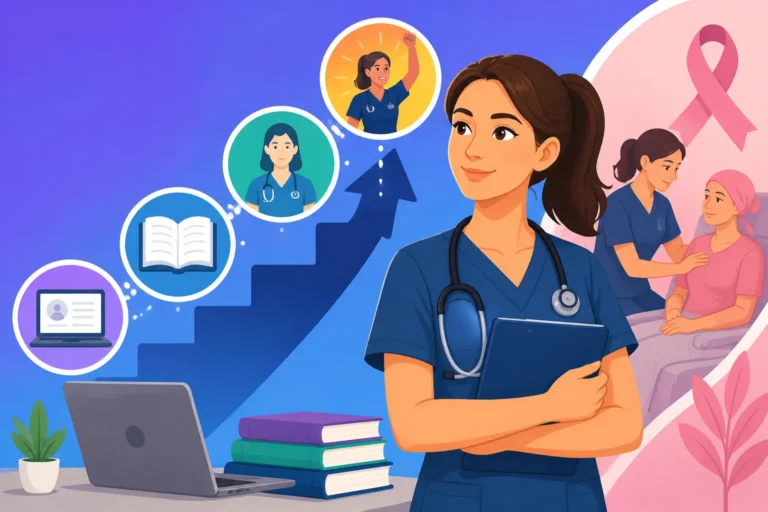
Stepping into the world of labor and delivery nursing can feel like navigating a beautiful, yet complex, labyrinth. Many aspiring L&D nurses dream of being there for those monumental moments but aren't entirely sure how to get from where they are now to scrubbing in for a birth. This guide is designed to demystify that journey, offering a clear, step-by-step roadmap to becoming a highly skilled and compassionate labor and delivery nurse.
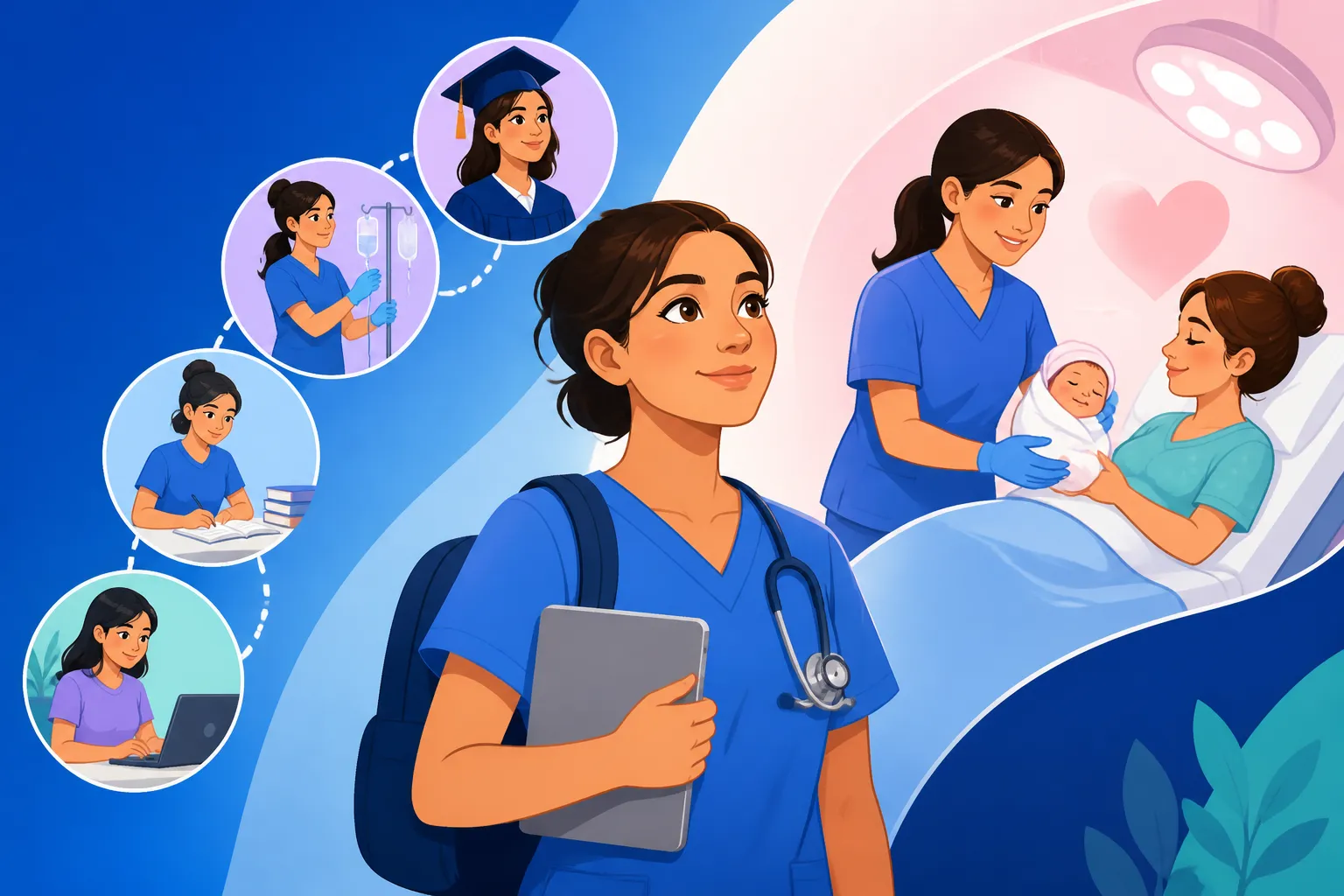
Step 1: Your Foundational Nursing Education
Before you can even dream of coaching a laboring parent through contractions or welcoming a new life into the world, you need to establish a strong, accredited nursing education. This is the bedrock upon which your entire career will be built, and making the right choice here is crucial.
Choosing Your Path: ADN or BSN
When it comes to your initial nursing degree, you generally have two primary options: an Associate Degree in Nursing (ADN) or a Bachelor of Science in Nursing (BSN). Both pathways lead to eligibility for the NCLEX-RN exam, but they differ significantly in their scope, duration, and long-term career implications, especially for a specialized field like labor and delivery.
An ADN program is typically a two-year degree offered by community colleges. It's often seen as a faster and more affordable entry point into nursing, focusing heavily on clinical skills and direct patient care. Many excellent nurses begin their careers with an ADN. However, in today's healthcare landscape, there's a growing preference for BSN-prepared nurses, particularly in specialized units like L&D. Hospitals are increasingly seeking nurses with a bachelor's degree due to research linking higher BSN rates to improved patient outcomes and reduced mortality rates. If you start with an ADN, you'll likely want to pursue an online RN to BSN program to advance your career.
A BSN program, usually a four-year degree from a university, offers a more comprehensive education. It delves deeper into areas like public health, leadership, research, and critical thinking, alongside clinical skills. This broader knowledge base is highly valued in complex and high-acuity environments such as labor and delivery, where nurses need to understand not just direct care but also patient advocacy, care coordination, and evidence-based practice. While it requires a longer commitment upfront, a BSN often opens more doors, makes you a more competitive candidate, and provides a stronger foundation for career advancement. If you're weighing your options, exploring the ADN vs BSN: Key Differences article can provide more clarity.
Conquering the NCLEX-RN
Regardless of whether you choose an ADN or BSN, the next non-negotiable step is passing the National Council Licensure Examination for Registered Nurses, or NCLEX-RN. This exam is the gateway to becoming a licensed registered nurse and is universally required across all states and territories in the U.S. It's a comprehensive, adaptive exam designed to test your critical thinking and decision-making skills in a clinical context, ensuring you're safe and competent to practice as a new nurse.
Preparing for the NCLEX-RN is a marathon, not a sprint. Many students start studying months in advance, utilizing a variety of resources. Review courses, practice questions, and detailed content outlines are all crucial. Platforms like Uworld are widely recognized for their challenging practice questions and in-depth rationales, helping aspiring nurses not just memorize facts but truly understand the nursing process. It's common to dedicate several hours a day to studying, simulating exam conditions, and focusing on areas where you feel less confident.
The NCLEX-RN isn't just about what you know; it's about how you apply that knowledge to real-world scenarios. Questions often involve prioritizing care, identifying potential risks, and evaluating patient responses, all critical skills for any nurse, and especially for the fast-paced, high-stakes environment of labor and delivery. Passing this exam is a monumental achievement, signifying that you've met the rigorous standards required to begin your nursing career. Once you've successfully passed, you can officially apply for your registered nurse (RN) license in your state.
Step 2: Gaining Essential Experience and Entering L&D
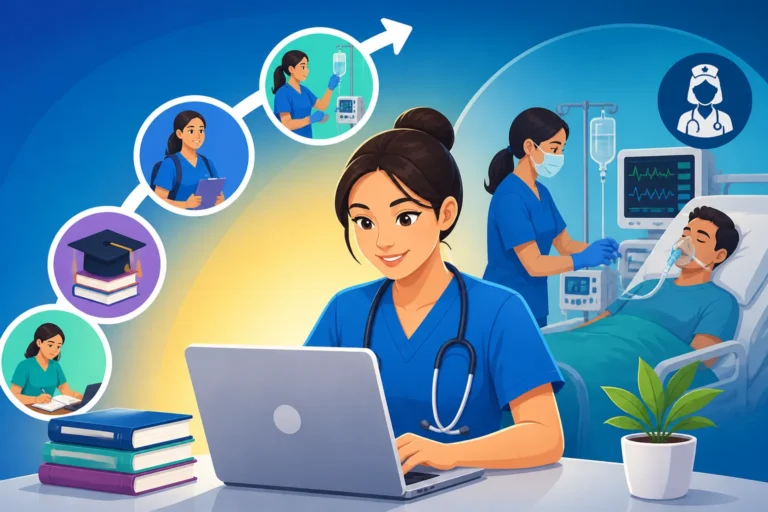
With your RN license in hand, you’re ready to start your nursing journey. However, directly stepping into a labor and delivery unit right out of school can be challenging due to its highly specialized nature. Most L&D units prefer nurses who already possess a solid foundation of general nursing skills.
Building Your General Nursing Skills
While your ultimate goal might be L&D, gaining experience in a general medical-surgical unit, or even a critical care setting, can be incredibly beneficial. These units provide a broad exposure to different patient populations, disease processes, medications, and emergency situations. You'll hone your assessment skills, develop strong time management, learn to communicate effectively with patients and their families, and become proficient in basic and intermediate nursing interventions. Think of it as your nursing boot camp!
Many new graduates find their footing in telemetry, general medicine, or even emergency departments. In these roles, you'll become adept at managing IVs, administering complex medications, responding to rapid changes in patient condition, and documenting meticulously. These skills are transferable and highly valued in L&D, where you’ll face a diverse range of patient needs and potential complications. For instance, managing a postpartum hemorrhage requires quick thinking, precise medication administration, and excellent teamwork – skills sharpened in any acute care setting. It's also worth considering if an Is an RN to BSN Worth It to enhance your long-term career trajectory, as many hospitals prioritize BSN-prepared nurses for specialty units.
Landing Your First L&D Role
Once you have a year or two of solid nursing experience under your belt, you're in a much stronger position to pursue a position in labor and delivery. Many hospitals offer specific "new graduate residency" programs or "transition to practice" programs designed to onboard and train nurses for specialty units. Even if you're not a new grad, some hospitals will have similar programs for experienced nurses transitioning to L&D. These programs often combine didactic learning with extended preceptorships, allowing you to learn the unique rhythm and protocols of the unit under the guidance of an experienced L&D nurse.
Networking is key here. Talk to L&D nurses, attend nursing career fairs, and express your interest during job interviews. Highlight any relevant experiences, such as maternity clinical rotations during nursing school, or any volunteer work with pregnant individuals or new families. Hospitals in major metropolitan areas, like those in Los Angeles or New York City, often have robust L&D departments and may offer more frequent openings. Be prepared to articulate why you're passionate about L&D – perhaps share a personal story or explain your fascination with the childbirth process. Sometimes, starting in a related area, like postpartum or nursery, can be an excellent stepping stone to eventually transferring to labor and delivery within the same hospital system. Understanding the RN to BSN Completion Timeline can help you plan this educational advancement alongside your experience.
Step 3: Advancing Your Expertise with Certifications and Further Education
Becoming a competent labor and delivery nurse doesn't stop once you've landed your dream job. The field is constantly evolving, and continuous learning is essential for providing the best patient care and for your own professional growth.
The Value of Inpatient Obstetric Certification (RNC-OB)
Once you've gained significant experience in labor and delivery – typically two years and at least 2,000 hours in the specialty – you can pursue advanced certification. The most recognized credential for L&D nurses is the RNC-OB, or Registered Nurse, Certified in Inpatient Obstetric Nursing, offered by the National Certification Corporation (NCC). This certification demonstrates a high level of specialized knowledge and expertise in caring for pregnant, laboring, and postpartum patients, as well as their newborns.
Achieving RNC-OB certification is a rigorous process that involves passing a comprehensive exam covering everything from fetal monitoring and labor management to obstetric emergencies and neonatal resuscitation. Preparing for this exam often involves intensive study, utilizing review courses, textbooks, and practice questions. Much like the NCLEX, resources like Uworld can be incredibly helpful for advanced certification prep, offering detailed questions and rationales that solidify your understanding of complex obstetric concepts. Employers often highly value this certification, as it signifies a commitment to excellence and specialized competence in the field, potentially opening doors to leadership roles or higher pay.
Exploring Advanced Practice Roles in Maternity Care
For many L&D nurses, the passion for maternal-child health doesn't stop at the bedside. You might find yourself wanting to take on a more advanced role, either as a leader, educator, or even a primary care provider. This is where pursuing a Master of Science in Nursing (MSN) or a Doctor of Nursing Practice (DNP) comes into play. These advanced degrees can lead to exciting career paths such as a Nurse Midwife (CNM), a Women's Health Nurse Practitioner (WHNP), or a Clinical Nurse Specialist (CNS) in maternal-child health.
Becoming a Certified Nurse Midwife (CNM), for instance, involves earning a master's or doctoral degree from an accredited midwifery program, which typically includes extensive clinical hours focused on prenatal care, labor and delivery, postpartum care, and gynecological health. CNMs provide comprehensive care to women throughout their lifespan, with a strong emphasis on physiological birth. This path allows you to play an even more central role in the birth experience, often following patients from their first prenatal visit through postpartum recovery. If this sounds like a path for you, you'll want to dive into articles like How to Become a Nurse Midwife or understand the broader scope of Nursing Specializations Explained to see how L&D fits into the wider nursing world.
| Educational Path | Duration (Approx.) | Focus Area | Key Benefit for L&D | Average Time to L&D Role |
|---|---|---|---|---|
| ADN | 2 years | Clinical Skills, Direct Care | Faster Entry | 1-3 years post-NCLEX |
| BSN | 4 years | Comprehensive Nursing, Leadership | Broader Knowledge, Better Job Prospects | 0-2 years post-NCLEX |
| RNC-OB | Varies (exam prep) | Inpatient Obstetric Specialization | Demonstrated Expertise | After 2+ years L&D exp. |
| MSN/DNP (CNM) | 2-4 years | Advanced Practice, Midwifery | Autonomy, Comprehensive Care | After BSN & RN experience |
Step 4: Life as a Labor and Delivery Nurse: Expectations and Realities
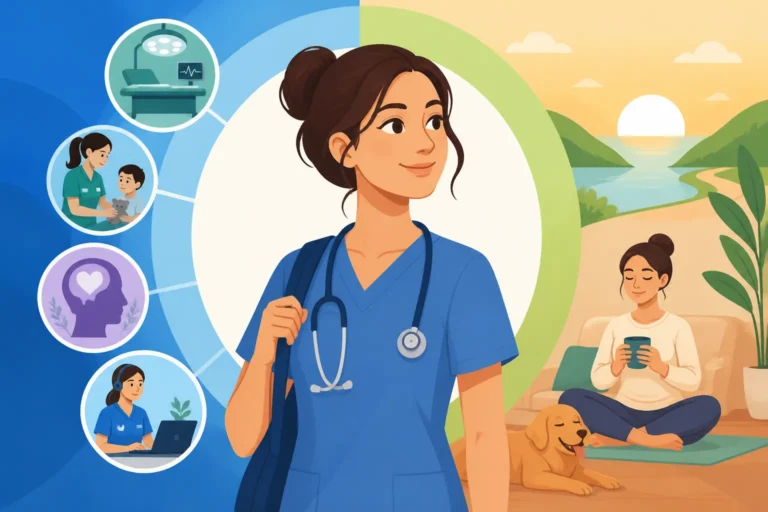
Now that we've covered the steps to become an L&D nurse, let's talk about what the role actually entails. It’s a field filled with profound joy, immense responsibility, and, at times, significant emotional weight.
A Glimpse into the Day-to-Day
Life as a labor and delivery nurse is rarely dull. You'll be caring for patients who are experiencing one of the most significant events of their lives. Your shift might start with assessing a patient in early labor, monitoring fetal heart tones, administering pain medication, and providing emotional support. You’ll be interpreting complex data from monitors, collaborating with obstetricians, anesthesiologists, and other healthcare professionals. You'll teach parents about comfort measures, explain procedures, and empower them to make informed decisions.
On any given day, you might assist with a vaginal birth, prepare a patient for a C-section, care for a patient who has experienced a pregnancy loss, or manage an obstetric emergency like a placental abruption. You'll become an expert in fetal monitoring, understanding the nuances of various patterns and knowing when to intervene. Postpartum care in the immediate hours after birth is also a key responsibility, ensuring the mother is stable and bonding with her new baby. For new grads, it's a whirlwind, but the satisfaction of seeing a new family created is unparalleled. Understanding How Much Do Nurses Make might give you an idea of the financial rewards for this challenging yet fulfilling path.
Navigating the Emotional Landscape of L&D
The emotional highs in labor and delivery are truly unlike any other area of nursing. You get to witness the miracle of birth, often multiple times a week, and share in the incredible joy and excitement of new parents. This is a privilege that few professions offer. The connection you build with families, even in a short time, can be incredibly deep and rewarding. Many L&D nurses say that despite the challenges, these moments of pure happiness make it all worthwhile.
However, it's not always joyous. Labor and delivery also exposes nurses to profound loss and trauma. You will care for patients experiencing miscarriages, stillbirths, or delivering babies with severe anomalies. You might assist with deliveries where the mother or baby faces life-threatening complications. These situations are emotionally draining and require immense resilience, empathy, and self-care. It's crucial for L&D nurses to have strong coping mechanisms and a supportive team to process these difficult experiences. Learning to balance the elation with the sorrow is a skill developed over time, and it's something every L&D nurse must learn to navigate.
Long-Term Career Growth and Impact
The demand for skilled nurses, including those in specialized areas like L&D, remains consistently high. The U.S. Bureau of Labor Statistics projects a strong job outlook for registered nurses over the next decade. As the population grows and ages, and with ongoing advancements in maternal and neonatal care, the need for expert labor and delivery nurses will continue. Beyond bedside care, L&D nurses have various avenues for career growth. You could become a charge nurse, a clinical educator, a manager, or even transition into a role as a lactation consultant or childbirth educator.
Furthermore, a strong background in L&D can be a stepping stone to advanced practice roles as discussed earlier, such as a Nurse Midwife Salary Explained or Women's Health Nurse Practitioner. These roles offer increased autonomy, the opportunity to manage your own patient panel, and often higher earning potential. The impact you make as an L&D nurse is profound and lasting, not just on the individual families you serve but on public health as a whole. You play a vital role in ensuring safe deliveries, promoting positive birth experiences, and supporting the health of mothers and babies during a critical time.
Disclaimer
Please note that the information provided in this guide is for general informational purposes only and should not be considered professional medical or educational advice. Specific requirements for nursing licenses, certifications, and educational programs can vary by state and institution. Always consult with official regulatory bodies, academic advisors, and healthcare professionals for the most accurate and up-to-date guidance relevant to your individual circumstances.