How to Become a Home Health Nurse
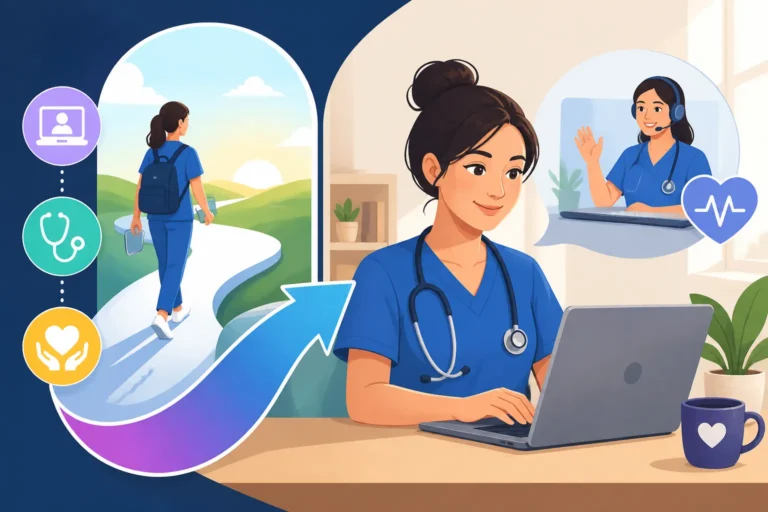
Many nurses feel trapped by the rigid schedules and high-stress environments of hospital settings, dreaming of a career where they can offer more personalized care and have a greater sense of autonomy. If you've been looking for a nursing path that allows you to truly connect with patients in their own homes and manage your day with more flexibility, becoming a home health nurse might be exactly what you need. This comprehensive guide will walk you through everything required to transition into or start a rewarding career in home health.
What Exactly is Home Health Nursing?
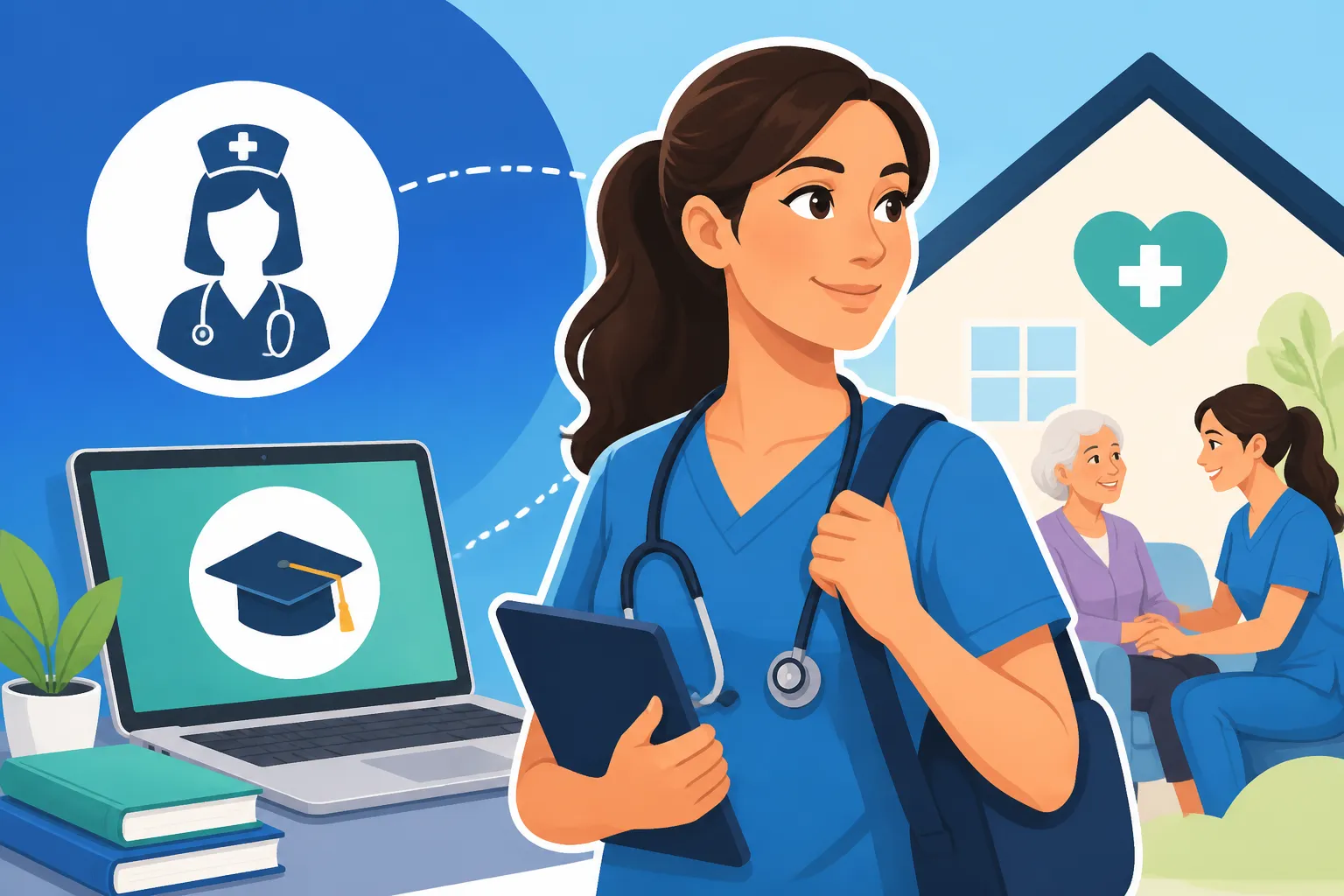
Home health nursing is a specialized field where registered nurses (RNs) provide medical care and support to patients in the comfort and familiarity of their own residences. It's far from the fast-paced, often chaotic environment of a hospital floor. Instead, it offers a more intimate, one-on-one approach to patient care, focusing on holistic well-being and empowering individuals to manage their health at home. This shift from institutional care to community-based care has grown significantly, especially with an aging population and advancements in portable medical technology.
The Unique Role and Responsibilities
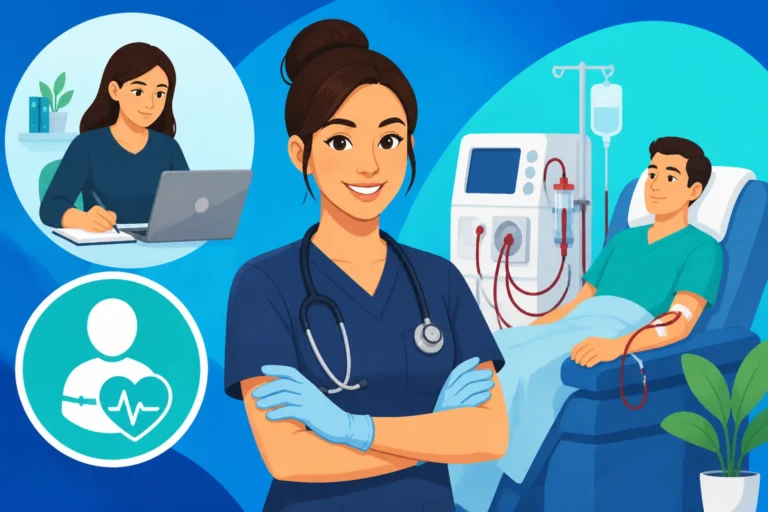
A home health nurse's role is incredibly diverse and requires a broad skill set. You're not just administering medication or changing dressings; you're often the patient's primary healthcare contact, educator, advocate, and sometimes, even a source of social support. Your day might involve performing comprehensive assessments, managing complex wound care, administering IV medications, providing palliative care, or educating patients and their families on disease management and self-care techniques. For instance, you might visit an elderly patient recovering from hip surgery, helping them with pain management, monitoring their incision, and teaching their family how to safely assist with mobility exercises. You're essentially bringing the hospital's expertise into the patient's living room, adapting to their environment and resources.
Who Benefits from Home Health Care?
The range of patients who benefit from home health care is quite broad. It often includes elderly individuals with chronic conditions like diabetes or heart failure, those recovering from surgery, accidents, or serious illnesses, and even younger patients with disabilities or complex medical needs that require ongoing support. Imagine a patient recently discharged from the hospital after a stroke; a home health nurse will ensure they adhere to their medication regimen, monitor for any complications, and work with physical and occupational therapists to facilitate their recovery in a familiar setting. This type of care significantly reduces hospital readmissions and improves quality of life by allowing patients to remain independent for longer. It's about providing essential medical services while fostering a sense of normalcy and dignity, which is something a sterile hospital room simply can't always offer.
The Educational Pathway to Becoming a Home Health Nurse
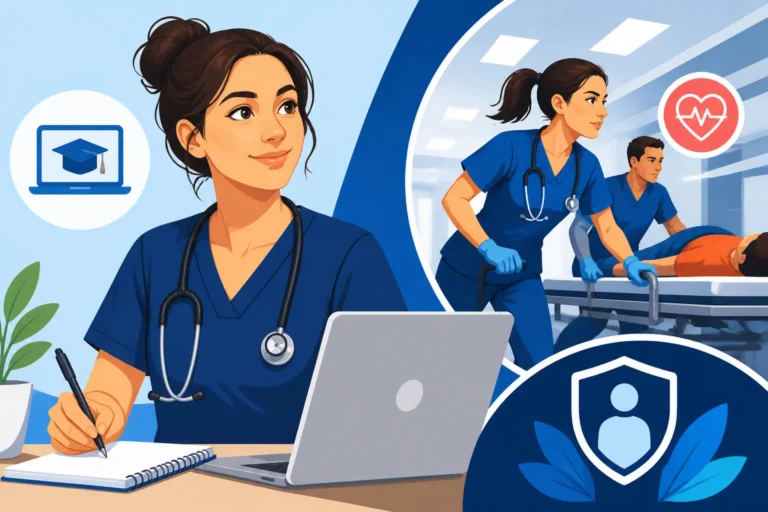
To become a home health nurse, you first need to be a licensed Registered Nurse (RN). This means completing an approved nursing program and passing the NCLEX-RN exam. While the specific educational path can vary, the goal is always to build a strong foundation in clinical nursing practice. After all, when you're out in the field on your own, you'll need to rely heavily on your knowledge and critical thinking skills.
Essential Nursing Degrees and Licensing
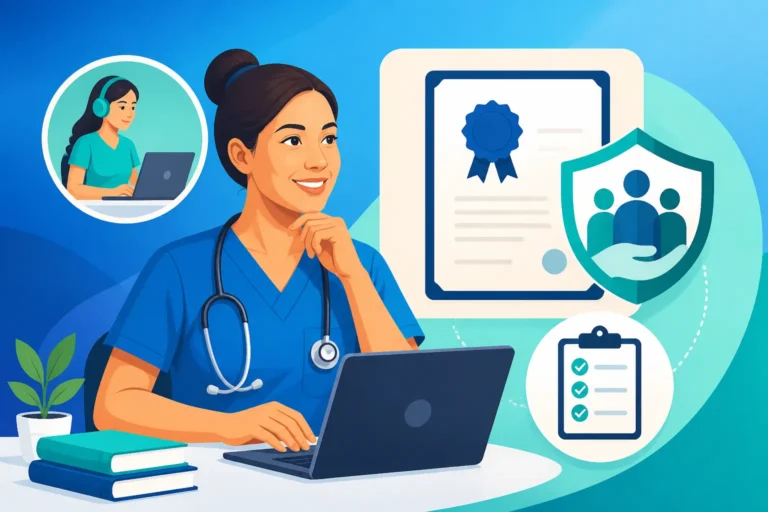
The journey typically begins with earning either an Associate Degree in Nursing (ADN) or a Bachelor of Science in Nursing (BSN). While an ADN will get your foot in the door and allow you to take the NCLEX-RN, many home health agencies, like hospitals, increasingly prefer or even require a BSN due to the more comprehensive education it provides in areas like leadership, community health, and research. If you're currently an ADN-prepared nurse, pursuing an is a smart move that can open up more opportunities and enhance your clinical judgment, which is crucial for the autonomy of home health. Once you've completed your degree, passing the NCLEX-RN is the non-negotiable next step. Many aspiring nurses find resources like Uworld invaluable for preparing for this rigorous exam, as it provides practice questions and detailed rationales that mimic the real testing environment. After successfully passing, you'll apply for licensure through your state's Board of Nursing.
Gaining Relevant Experience
While some agencies might hire new graduates, most home health organizations look for nurses with at least one to two years of acute care experience, such as in medical-surgical, critical care, or emergency nursing. This foundational experience is vital because home health requires a high degree of independent decision-making and a robust understanding of various medical conditions and interventions. You won't have a team of colleagues or a physician readily available in the next room for immediate consultation. For example, a nurse with a background in an acute medical-surgical unit will already be proficient in wound care, medication administration, and patient assessment, all of which are daily tasks in home health. This background equips you with the confidence to manage diverse patient situations, identify subtle changes in a patient's condition, and act quickly and appropriately in an unsupervised setting. It truly is a specialty where hands-on experience translates directly into patient safety and positive outcomes. For those looking to understand the broader landscape of nursing careers, exploring is a great way to see how various roles fit into the healthcare ecosystem.
Day-to-Day Life and Key Skills for Home Health Nurses
Stepping into home health nursing means embracing a different rhythm and set of demands compared to traditional hospital shifts. Your "office" changes with every visit, and your patient interactions are often much more personal and prolonged. This requires a specific blend of clinical expertise, adaptability, and emotional intelligence.
Autonomy and Critical Thinking in the Field
One of the most appealing aspects of home health nursing for many is the significant autonomy it offers. You typically manage your own caseload, schedule your visits, and are responsible for assessing, planning, implementing, and evaluating care independently at each patient's home. This level of independence demands exceptional critical thinking skills. You'll often be the first and sometimes only healthcare professional to observe changes in a patient's condition, interpret lab results, or troubleshoot issues with medical equipment. For example, if you arrive at a patient's home for a routine check-up and notice new signs of fluid overload in a patient with heart failure, you need to quickly assess the severity, communicate effectively with their physician, and potentially implement interventions on the spot. You're not just following orders; you're constantly evaluating, problem-solving, and advocating. Tools and resources that help hone clinical reasoning, even something as simple as reviewing complex case studies on platforms like Uworld, can be incredibly beneficial for developing this independent practice mindset.
Essential Soft Skills for Success
Beyond the clinical skills, home health nurses absolutely thrive on a strong set of soft skills. Empathy, excellent communication, cultural sensitivity, and adaptability are paramount. You are entering someone's personal space, often during a vulnerable time, and building trust is crucial. Imagine trying to educate a family on complex medication management while respecting their cultural beliefs and living arrangements; it takes patience, clear communication, and the ability to adapt your teaching style to their needs. You also need strong organizational skills to manage your schedule, documentation, and supplies efficiently. Problem-solving is another daily requirement, whether it's navigating challenging family dynamics, finding creative solutions for care within limited home resources, or simply dealing with unexpected traffic. When considering , many of these intangible qualities are highlighted as crucial for long-term job satisfaction and effectiveness.
| Aspect | Pros of Home Health Nursing | Cons of Home Health Nursing |
|---|---|---|
| Work Environment | Greater autonomy, flexible scheduling, one-on-one patient care, less exposure to hospital pathogens, variety in daily routine. | Driving between patients, potential for isolation, less immediate peer support, adapting to diverse home environments. |
| Patient Care | Holistic approach, building stronger patient-nurse relationships, empowering patients in their own setting, focus on education and prevention. | Challenging family dynamics, limited resources in some homes, potential for unsafe home environments, managing complex patient needs independently. |
| Skills Required | High degree of critical thinking, excellent communication, adaptability, strong assessment skills, time management, problem-solving. | Requires strong independence, self-motivation, less opportunity for immediate clinical consultation, must be comfortable making decisions alone. |
| Career Growth | Specialization opportunities, management roles, potential for higher earning with experience. | May require additional certifications or degrees for advanced roles. |
Career Outlook and Advancement in Home Health
The field of home health nursing is experiencing robust growth, driven by an aging population that increasingly prefers to receive care in their homes, coupled with a healthcare system that aims to reduce hospital stays. This trend creates a stable and promising career path for nurses.
Job Growth and Salary Expectations
The demand for home health nurses is projected to continue to rise significantly over the next decade. As baby boomers age, the need for chronic disease management, post-operative care, and palliative support in non-institutional settings will only expand. This strong demand often translates into competitive salaries and excellent job security. While exact figures can vary widely based on location, experience, and the specific agency, home health nurses generally earn a comfortable living. In many areas, home health nurses can expect to earn salaries comparable to or even exceeding those of hospital-based RNs, especially with evening, weekend, or on-call shifts. If you're curious about broader compensation, understanding how might provide a good benchmark. Many nurses also appreciate the opportunity to move away from the traditional 12-hour shifts common in hospitals. To maximize your earning potential and long-term career growth, pursuing an advanced degree can be beneficial, as detailed in an .
Opportunities for Specialization and Further Education
One of the great things about nursing is the endless possibilities for growth and specialization, and home health is no exception. While general home health nursing offers a broad range of experiences, you can choose to specialize in areas like wound care, palliative care, hospice care, pediatric home health, or even IV infusion therapy. These specializations not only allow you to deepen your expertise but can also lead to increased earning potential and more focused career paths. For example, becoming a certified wound care nurse can make you an invaluable asset to a home health agency. For nurses who envision taking on leadership roles or becoming a nurse practitioner within the home care setting, pursuing further education like an is an excellent next step. Programs such as those preparing for an Acute Care Nurse Practitioner (ACNP) or a Family Nurse Practitioner (FNP) can open doors to providing more comprehensive, advanced practice care within the home setting, allowing you to manage patient conditions more independently and prescribe medications. This aligns perfectly with the current trends in healthcare where advanced practice nurses are increasingly crucial for expanding access to care. If you're interested in the broader scope of how various impact earnings, that's another area worth researching.
Disclaimer
The information provided in this article is intended for general informational purposes only and does not constitute professional medical, legal, or educational advice. Always consult with qualified professionals for specific guidance related to your individual situation.