Nursing Career Growth Projections
It's completely normal to feel a mix of excitement and uncertainty when you think about your nursing career, especially when considering the long game. You want to know if all your hard work and dedication will pay off, if there will be opportunities for advancement, and if the profession itself is stable and growing. This comprehensive guide will dive deep into the current and future landscape of nursing, offering a realistic look at nursing career growth projections, the forces driving demand, and how you can position yourself for a thriving future.
The Unwavering Demand for Nurses
Let's be real: nursing has always been a bedrock of healthcare, but the past few years have highlighted just how indispensable nurses truly are. If you're pondering a career in nursing or wondering about your future prospects, know this: the demand isn't just steady; it's projected to grow significantly. This isn't just a hopeful guess; it's backed by solid data and undeniable demographic shifts. The thought of pouring your heart and soul into a career only to find limited opportunities down the road is a valid concern, but with nursing, the outlook remains incredibly bright.
Key Factors Fueling Growth
Several powerful forces are converging to create this robust demand for nurses. It’s not just one thing, but a perfect storm of societal changes and healthcare advancements. Understanding these factors can give you a clearer picture of why your skills will continue to be highly sought after.
An Aging Population and Increasing Chronic Conditions
One of the biggest drivers is simply demographics. The baby boomer generation, a massive cohort, is aging, and with age often comes a greater need for healthcare services. Think about it: more seniors mean more hospital stays, more chronic disease management (diabetes, heart disease, arthritis), and more long-term care needs. This isn't a temporary blip; it's a sustained trend that will continue for decades. Nurses are at the forefront of managing these complex care needs, from administering medications and coordinating care to educating patients and families. The sheer volume of care required for this demographic is immense, ensuring a consistent need for skilled nursing professionals.
Advancements in Medical Technology and Treatments
It's not just about more patients; it's about more complex care too. Medical science is constantly evolving, bringing new treatments, diagnostic tools, and technologies into play. While these advancements are incredible for patient outcomes, they also require highly skilled nurses to operate, monitor, and interpret. From intricate surgical procedures to cutting-edge pharmacological therapies and sophisticated electronic health records (EHRs), nurses need to be lifelong learners. This means that as healthcare becomes more technologically driven, the demand for nurses who can adapt and master these tools will only increase.
The Impact of Nurse Retirements
While new nurses are entering the field, a significant portion of the current nursing workforce is nearing retirement age. This impending wave of retirements creates a critical void that needs to be filled. It's not just about replacing positions; it's about replacing decades of accumulated knowledge, experience, and leadership. This natural attrition, combined with the increasing demand for care, means there will be ample opportunities for new graduates and experienced nurses alike to step into vital roles. This turnover ensures a continuous cycle of hiring, making it a very favorable job market for nurses.
Diverse Nursing Roles with Strong Growth Projections
Nursing isn't a monolithic career; it's a vast landscape of specializations and roles, each with its own unique growth trajectory. When we talk about Nursing Career Paths and Salaries, it's clear that opportunities abound across the spectrum. Whether you're an Associate Degree in Nursing (ADN) prepared nurse or aiming for advanced practice, there’s a place for you, and many paths are experiencing robust expansion.
Registered Nurses
The backbone of the healthcare system, Registered Nurses (RNs) are consistently in high demand. The U.S. Bureau of Labor Statistics (BLS) projects strong growth for RNs, far outpacing the average for all occupations. This growth isn't just in hospitals; it's across a diverse range of settings.
Hospital and Acute Care Settings
Hospitals will always be major employers of RNs, especially in specialized units like intensive care, emergency rooms, and surgical departments. As patient acuity increases and lengths of stay often decrease due to efficiency pressures, nurses in acute care settings are handling more complex cases. This requires exceptional critical thinking, assessment skills, and the ability to manage rapid changes in patient condition. Many nurses find their passion here, thriving in the fast-paced, high-stakes environment. For those looking to excel, continuing education and certifications can be a game-changer, helping them stay competitive.
Outpatient and Ambulatory Care
The shift from inpatient to outpatient care is a significant trend in healthcare, driven by cost-effectiveness and patient preferences. This means more nurses are needed in physician's offices, urgent care centers, surgical centers, and home healthcare agencies. These roles often offer more predictable hours and a different pace than hospital work, focusing heavily on patient education, chronic disease management, and preventative care. As access to primary care expands and more procedures are performed outside traditional hospitals, this sector will continue to boom, offering a flexible and growing alternative for RNs.
Advanced Practice Registered Nurses
If you're looking for even greater autonomy, leadership, and earning potential, the path to an Advanced Practice Registered Nurse (APRN) is incredibly promising. These roles, including Nurse Practitioners (NPs), Clinical Nurse Specialists (CNSs), Certified Registered Nurse Anesthetists (CRNAs), and Certified Nurse Midwives (CNMs), are projected to grow at an astonishing rate. According to the BLS, the job outlook for nurse practitioners is exceptionally strong, significantly faster than the average for all occupations.
Nurse Practitioners
Nurse Practitioners (NPs) are truly at the forefront of healthcare delivery, often serving as primary care providers and specialists. They diagnose and treat illnesses, prescribe medications, and manage patient care, often with a holistic approach. The demand for NPs is skyrocketing due to physician shortages, especially in rural and underserved areas. Whether you specialize in family, pediatrics, gerontology, or psychiatric mental health, becoming an NP is a pathway to immense career satisfaction and considerable growth. You can learn more about the specifics in our guide on How to Become a Nurse Practitioner.
Clinical Nurse Specialists and Nurse Anesthetists
Clinical Nurse Specialists (CNSs) play a crucial role in improving patient outcomes and healthcare systems through their expertise in a specific population or clinical area. They often work in hospitals to consult, educate, and implement evidence-based practices. Certified Registered Nurse Anesthetists (CRNAs) are among the highest-paid nursing professionals, providing anesthesia care in various settings. Their demand remains strong due to the increasing number of surgical procedures and the need for highly skilled anesthesia providers. Pursuing these advanced roles requires dedicated education and rigorous certification, but the Nurse Practitioner Salary Guide can give you a peek into the impressive financial returns.
Understanding the Regional Differences in Demand
While the national outlook for nursing is overwhelmingly positive, it's crucial to understand that healthcare needs and job markets can vary significantly by location. What might be a high-demand specialty in one state could be less so in another. This geographic nuance is important to consider if you have specific aspirations or preferences for where you'd like to practice.
States with Highest Projected Growth
Certain states are experiencing more rapid population growth, particularly among older adults, and facing more acute shortages of healthcare professionals. These regions often present excellent opportunities for nurses seeking strong job prospects and potentially competitive salaries. States like Texas, Florida, California, and Arizona consistently show high demand due to their expanding populations and large retiree communities. These areas often have numerous healthcare facilities, from large urban hospitals to burgeoning long-term care facilities, all vying for qualified nursing talent.
Urban vs. Rural Opportunities
The distinction between urban and rural settings also profoundly impacts nursing demand. Urban centers, with their large hospital systems and specialized clinics, offer a wide array of nursing roles, often catering to highly specific Nursing Specializations Explained. Competition can sometimes be higher, but the sheer volume of jobs is typically greater.
Rural areas, on the other hand, frequently grapple with significant shortages of healthcare providers, including nurses and doctors. This often means that nurses in rural settings may have broader scopes of practice, more autonomy, and fewer resources, requiring a strong sense of independence and adaptability. While rural roles might not always come with the highest salaries on paper, some states offer incentives or loan forgiveness programs for nurses who commit to working in underserved areas. It's a trade-off many nurses find incredibly rewarding, allowing them to make a profound impact where they are most needed.
Strategies for Optimizing Your Nursing Career Growth
Given the robust demand for nurses, how do you ensure you're not just finding a job, but truly building a thriving, fulfilling career? It comes down to strategic planning and continuous professional development. The landscape of nursing is always evolving, and those who proactively adapt will be the ones who experience the most significant career growth.
The Power of Education and Specialization
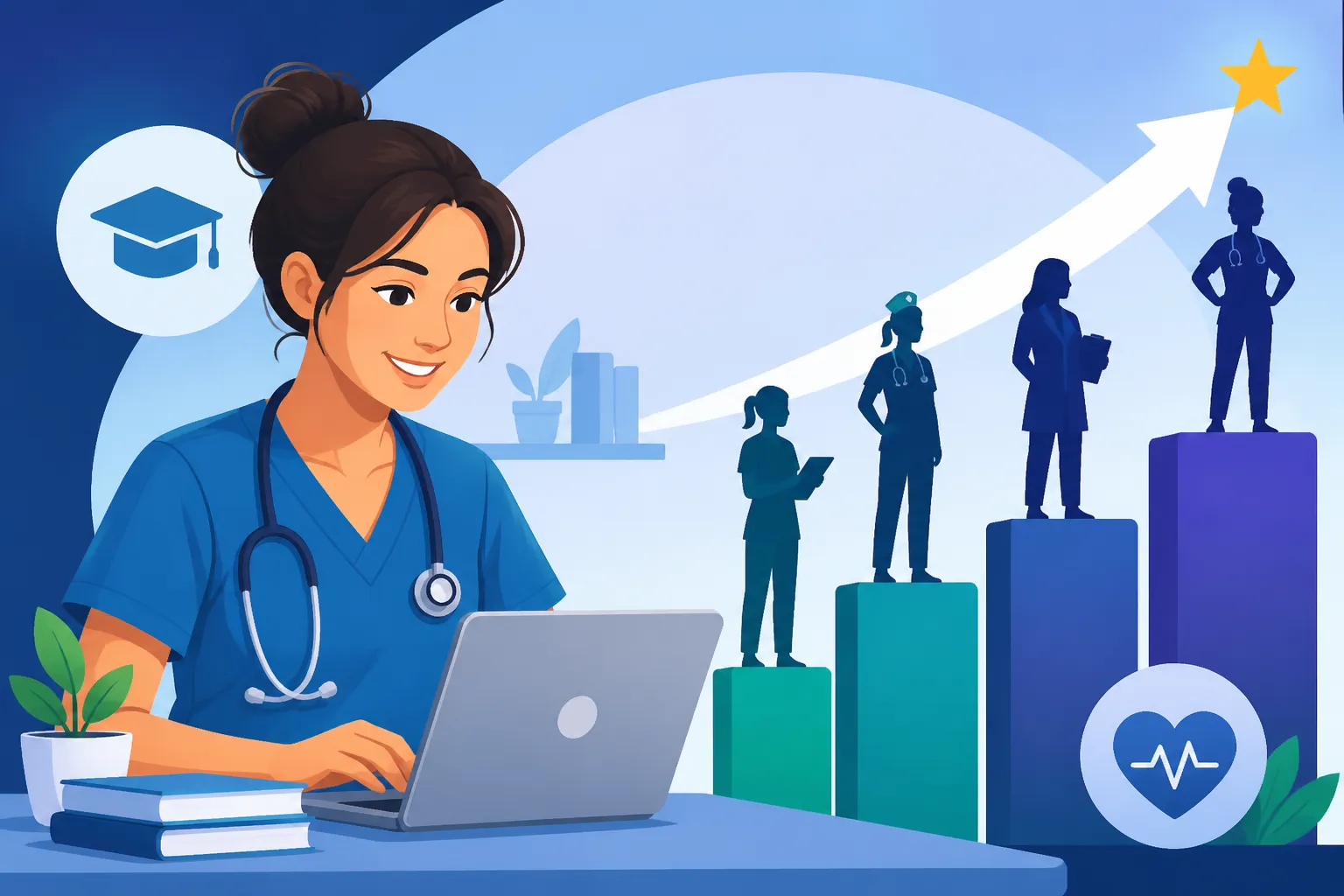
Education is your most potent tool for career advancement in nursing. Moving beyond an entry-level degree not only opens doors to higher-paying and more specialized roles but also equips you with advanced knowledge and critical thinking skills.
Advancing Your Degree
Many nurses start with an Associate Degree in Nursing (ADN) and then pursue an Online RN to BSN Programs: Complete Guide. Earning a Bachelor of Science in Nursing (BSN) is often the first step toward greater responsibilities and leadership roles. Hospitals increasingly prefer BSN-prepared nurses, and some even mandate it. A BSN builds upon the ADN foundation by expanding your knowledge in areas like leadership, community health, research, and critical thinking.
Beyond the BSN, a Master of Science in Nursing (MSN) or a Doctor of Nursing Practice (DNP) can propel you into advanced practice roles like those of a Nurse Practitioner, Clinical Nurse Specialist, or Nurse Administrator. These degrees directly correlate with increased earning potential and greater influence over patient care and healthcare policy. For a deeper dive into these options, check out Nursing Degrees and Salaries Explained.
Pursuing Certifications
Specialty certifications demonstrate your expertise in a particular area of nursing. Whether it's Critical Care Registered Nurse (CCRN), Certified Emergency Nurse (CEN), or Oncology Certified Nurse (OCN), these credentials show employers and patients that you possess advanced knowledge and skills in your chosen field. Certifications can lead to higher pay, more respect from peers, and a greater sense of confidence in your abilities. Many nurses find that preparing for these exams requires dedicated study, and resources like Uworld are often invaluable for comprehensive review and practice questions that mimic the real testing environment.
Professional Development and Networking
Your education doesn't stop with a degree or certification. Lifelong learning and building professional connections are essential for long-term career growth.
Continuing Education and Skill Development
Healthcare is a dynamic field, constantly introducing new technologies, treatments, and best practices. Staying current through continuing education units (CEUs), workshops, and conferences is not just a requirement for license renewal in many states, but also vital for remaining competent and competitive. Consider honing skills in areas like data analytics, telehealth platforms, or specific clinical procedures. These additional skills can make you a more versatile and valuable asset to any healthcare team.
Mentorship and Networking Opportunities
Connecting with experienced nurses, mentors, and peers can open doors you didn't even know existed. A mentor can offer guidance, advice, and support as you navigate your career path. Networking through professional organizations like the American Nurses Association (ANA) or specialty-specific groups provides opportunities to learn about new job openings, collaborate on projects, and stay informed about industry trends. These connections can be instrumental in identifying future growth opportunities and even help you when you're preparing for critical exams, as many study groups and resources like Uworld are often shared within these networks.
The Future of Nursing: Emerging Trends and Opportunities
The nursing profession isn't static; it's constantly evolving, influenced by technological innovations, shifting healthcare models, and societal needs. Looking ahead, certain trends are shaping where nursing opportunities will flourish.
Telehealth and Digital Health Solutions
The rapid expansion of telehealth, particularly accelerated by recent global events, has cemented its place in healthcare delivery. Nurses are integral to this shift, providing virtual consultations, remote monitoring, and patient education. This means new opportunities in remote nursing, nurse informatics, and roles focused on developing and implementing digital health solutions. Imagine working from home, connecting with patients across the state, or helping to design the next generation of patient care apps. This area offers incredible flexibility and a chance to leverage technology to expand access to care.
Community and Public Health Focus
There's a growing recognition of the importance of preventative care and managing health within communities. Public health nurses, school nurses, and community health nurses are vital in addressing social determinants of health, promoting wellness, and managing population-level health initiatives. As healthcare systems shift towards value-based care, the emphasis on keeping people healthy and out of the hospital will only increase, creating robust opportunities in these often overlooked but incredibly impactful roles.
Specialty Areas with Exploding Demand
While many nursing specialties are growing, a few are experiencing particularly explosive demand due to specific societal trends.
Geriatric Nursing
As mentioned, the aging population is a massive factor. This means a tremendous need for nurses specializing in gerontology, whether in hospitals, long-term care facilities, home health, or palliative care. These nurses are experts in the unique physiological, psychological, and social needs of older adults, helping them maintain quality of life and manage complex chronic conditions.
Mental Health Nursing
The increasing awareness and destigmatization of mental health issues have led to a critical shortage of mental health professionals, including psychiatric-mental health nurses. These nurses work in diverse settings, from inpatient psychiatric units to community mental health centers and private practices. With a growing focus on integrated behavioral health, their expertise is more crucial than ever. For those with an MSN, becoming a Psychiatric Mental Health Nurse Practitioner (PMHNP) is one of the fastest-growing and most rewarding paths.
Nursing Informatics
For nurses who love technology and data, nursing informatics is an exciting and rapidly expanding field. These professionals bridge the gap between clinical practice and information technology, using data to improve patient care, workflow efficiency, and healthcare outcomes. They often play key roles in implementing electronic health records, developing clinical decision support systems, and analyzing health data. It's a specialty that combines nursing knowledge with technical prowess, offering a completely different kind of impact on healthcare.
Here's a quick look at projected growth for various nursing roles:
| Nursing Role | Minimum Education Typically Required | Median Salary (Approx. 2023) | Projected Job Growth (2022-2032) |
|---|---|---|---|
| Registered Nurse (RN) | ADN or BSN | $86,070 | 6% (Faster than average) |
| Nurse Practitioner (NP) | MSN or DNP | $126,260 | 45% (Much faster than average) |
| Certified Registered Nurse Anesthetist (CRNA) | DNP | $203,090 | 45% (Much faster than average) |
| Nurse Midwife (CNM) | MSN or DNP | $129,650 | 45% (Much faster than average) |
| Clinical Nurse Specialist (CNS) | MSN or DNP | $126,260 (often aligns with NP) | 45% (Much faster than average) |
| Nurse Educator | MSN or DNP | $83,770 | 18% (Much faster than average) |
| Nurse Administrator | BSN or MSN | $104,830 | 28% (Much faster than average) |
| Nursing Informatics Specialist | BSN or MSN | $95,000 – $120,000 | Growing (Specific BLS not tracked for this specialty) |
Note: Salary data is approximate and can vary significantly by location, experience, and specific employer. Growth projections are based on current U.S. Bureau of Labor Statistics data (BLS).
Final Thoughts on Your Nursing Journey
The bottom line is this: if you're a nurse or aspiring to become one, you've chosen a profession with incredible stability and exciting potential for growth. The projections clearly show a robust demand for nurses across all levels and specialties for the foreseeable future. This isn't just about job security; it's about the opportunity to make a profound difference in people's lives while also building a personally and professionally rewarding career.
By strategically planning your educational path – perhaps starting with an ADN, then pursuing your RN to BSN Completion Timeline, and potentially advancing to an MSN or DNP – and by actively engaging in professional development and networking, you can not only meet the growing demand but also carve out a career that aligns with your passions and ambitions. The opportunities are there for the taking, whether you see yourself in a bustling urban trauma center, a quiet rural clinic, or even on the cutting edge of telehealth.
Remember, the path is yours to shape. Continuously seek knowledge, embrace new challenges, and don't shy away from specialized certifications. Resources like Uworld can be invaluable companions for professional exam prep, helping you achieve your certification goals and further solidify your expertise. Your dedication today will lay the groundwork for a truly impactful and expansive nursing career tomorrow.
Disclaimer
The information provided in this article is intended for general informational purposes only and does not constitute professional career, financial, or educational advice. While we strive to provide accurate and up-to-date information, nursing career projections, salaries, and educational requirements can change. Always consult with academic advisors, career counselors, and official government resources like the U.S. Bureau of Labor Statistics for the most current and personalized guidance.