PMHNP Salary Explained
It’s a unique journey, isn't it, becoming a registered nurse? You pour your heart and soul into your ADN or BSN, brave the NCLEX, and then dedicate yourself to patients day in and day out. But maybe, just maybe, you're starting to feel a pull toward something more specialized, perhaps a deeper dive into an area like mental health, and you’re wondering if that extra effort truly pays off. This guide is for every nurse out there contemplating the profound impact and financial rewards of becoming a Psychiatric Mental Health Nurse Practitioner (PMHNP).
Understanding the PMHNP Role and Its Growing Demand
Becoming a Psychiatric Mental Health Nurse Practitioner isn't just about advancing your degree; it's about stepping into a critical role that addresses one of the most pressing healthcare needs of our time. It’s a career path that offers both immense personal fulfillment and significant professional growth, often accompanied by a very competitive salary.
What Exactly Does a PMHNP Do?
A PMHNP is a highly trained, advanced practice registered nurse (APRN) who specializes in mental health. Unlike a general RN who might encounter mental health issues in various settings, a PMHNP is dedicated to providing comprehensive mental health care across the lifespan – from children and adolescents to adults and older adults. This often includes everything from initial assessment and diagnosis of mental health conditions like depression, anxiety, bipolar disorder, and schizophrenia, to developing treatment plans.
Their scope of practice is incredibly broad and impactful. PMHNPs are authorized to prescribe medication, conduct psychotherapy (talk therapy), manage complex cases, and offer patient and family education. Imagine a teenager struggling with severe anxiety who finds a compassionate and knowledgeable PMHNP who can provide both medication management and coping strategies. Or consider an older adult experiencing new onset depression after a significant life change, finding solace and a path forward with their PMHNP. You might be surprised at the full breadth of responsibilities, which we explore in more detail in our article on the PMHNP Scope of Practice Explained.
They work in a diverse array of settings, including psychiatric hospitals, outpatient clinics, community mental health centers, correctional facilities, private practices, and increasingly, through telehealth platforms. This flexibility in practice settings is one of the many appeals of the role, allowing PMHNPs to tailor their career to their preferred environment and patient population. The blend of direct patient care, diagnostic acumen, and therapeutic intervention makes the PMHNP role unique and profoundly influential.
Why PMHNPs are More Essential Than Ever
Let's be real: the world is facing a mental health crisis. From the lingering effects of global events to everyday stressors, more and more people are seeking mental health support, and the demand for qualified professionals far outstrips the current supply. This isn't just a trend; it's a societal imperative, and PMHNPs are at the forefront of meeting this need. The sheer volume of individuals needing care, coupled with a shortage of psychiatrists and other mental health providers, has created a significant void that PMHNPs are uniquely qualified to fill. This urgent demand means that your skills as a PMHNP aren't just valued; they're desperately needed.
This high demand translates directly into excellent job security and, yes, strong salary potential. Hospitals and clinics are actively recruiting PMHNPs, often offering competitive salaries and benefits packages to attract top talent. This isn't just about filling a slot; it's about addressing a critical public health challenge. The growing recognition of mental health as an integral part of overall well-being further solidifies the PMHNP's position as an indispensable healthcare provider. If you're looking for a career that offers both stability and the chance to make a profound difference, becoming a PMHNP is an incredibly smart move. You can delve deeper into the career prospects by checking out our guide on the PMHNP Job Outlook and Demand.
Factors Influencing PMHNP Salary
When you start digging into salary figures, it's easy to get overwhelmed by the numbers you see online. One article says $100,000, another says $150,000, and you're left wondering what's real. The truth is, a PMHNP's salary isn't a fixed number; it's a dynamic figure influenced by a complex interplay of factors, much like any advanced nursing role. Understanding these elements can help you better anticipate your earning potential and strategically plan your career.
Geographic Location Matters
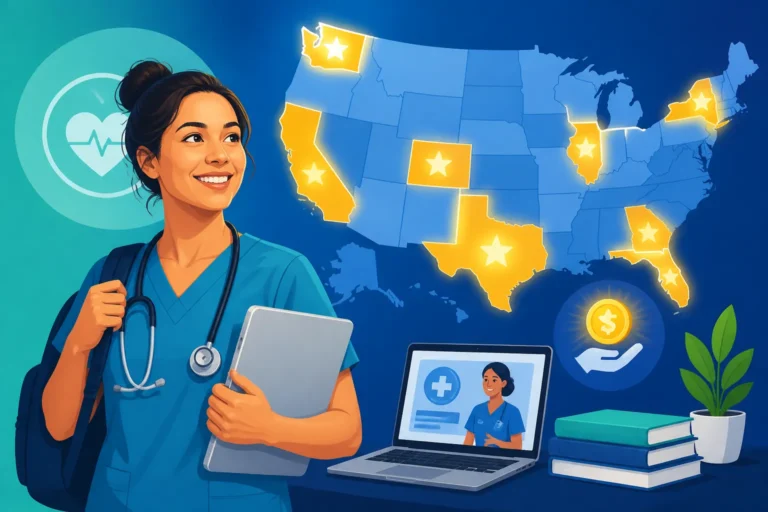
Location, location, location! Just like real estate, where you choose to practice as a PMHNP can have a massive impact on your paycheck. States with a higher cost of living, significant mental health needs, or robust nurse practitioner legislation tend to offer higher salaries. For instance, you’ll often see higher average salaries for PMHNPs in states like California, New York, Massachusetts, and Washington. These states typically have more comprehensive full practice authority for NPs, allowing them to practice more independently, which can drive up their value.
Conversely, states with a lower cost of living or more restrictive practice laws for nurse practitioners might have slightly lower, though still competitive, average salaries. However, it's crucial to balance a higher salary with the local cost of living. Earning $140,000 in San Francisco might feel different than earning $115,000 in a mid-sized city in the Midwest, where your money simply goes further. Sometimes, even within the same state, urban centers will pay more than rural areas due to higher demand and competition for talent. This is a big reason why comparing salaries requires a deeper look, which we do for many roles, including the Highest-Paying States for Nurses.
Here's a quick look at how average PMHNP salaries can vary by state:
| State | Average Annual PMHNP Salary (Approx.) | Key Factors |
|---|---|---|
| California | $150,000 – $170,000+ | High cost of living, high demand, full practice authority, large urban centers. |
| New York | $135,000 – $155,000 | High demand in NYC and surrounding areas, high cost of living, significant population density. |
| Massachusetts | $130,000 – $150,000 | Strong healthcare infrastructure, high demand, significant research and academic medical centers. |
| Texas | $120,000 – $140,000 | Growing population, increasing demand in urban areas like Houston, Dallas, Austin, but varied practice environment. |
| Ohio | $110,000 – $130,000 | More moderate cost of living, steady demand, diverse practice settings across urban and rural communities. |
| Florida | $115,000 – $135,000 | Growing elderly population driving demand, popular state for healthcare professionals, varied practice environment. |
Note: These are approximate ranges and can fluctuate based on specific city, employer, and individual experience.
Experience and Education Levels
Just like any other profession, your level of experience significantly influences your PMHNP salary. New graduates entering the field will naturally start at a lower salary point compared to a PMHNP with five, ten, or even twenty years of dedicated mental health practice under their belt. With each year, you gain invaluable clinical wisdom, refine your diagnostic skills, and become more adept at managing complex patient presentations. This expertise makes you a more valuable asset to employers, and they're willing to pay for it.
Beyond years in practice, your educational background can also play a role. While an MSN (Master of Science in Nursing) is the minimum requirement to become a PMHNP, some nurses opt to pursue a DNP (Doctor of Nursing Practice). While the salary difference between an MSN and DNP for an entry-level PMHNP might not be immediate or dramatic in all settings, a DNP can open doors to leadership roles, academia, and more complex clinical positions that often come with higher compensation in the long run. The discussion of MSN vs DNP: Which to Choose often revolves around this long-term career trajectory.
Additional certifications in specific sub-specialties, such as addiction psychiatry or child and adolescent mental health, can further boost your earning potential by making you a more niche and highly sought-after expert. Continuous learning and professional development aren't just good for your patients; they're great for your wallet too.
Practice Setting and Type of Employment
The environment where you practice as a PMHNP is another major factor in your salary. For instance, working in a bustling urban hospital setting or a large integrated health system might offer a higher base salary and more comprehensive benefits compared to a small rural clinic. This is often due to the higher patient volume, the complexity of cases, and the resources available in larger institutions. Private practices, especially those where you have ownership or a profit-sharing model, can offer the highest earning potential, but they also come with the responsibilities of running a business.
Telehealth has also emerged as a significant practice setting, especially for mental health. PMHNPs providing services remotely can often command competitive rates, and sometimes even benefit from reduced overhead if working independently. The flexibility of telehealth can also be appealing, though compensation models can vary widely. Other settings, like correctional facilities or government agencies (e.g., Veterans Affairs hospitals), might offer slightly different salary structures, often with robust benefits packages, stable hours, and pension plans that can make the overall compensation very attractive, even if the base salary isn't the absolute highest. Your type of employment—whether you're full-time, part-time, or working as a locum tenens (traveling) PMHNP—will also affect your total annual earnings.
Specializations and Additional Skills
While PMHNP is already a specialization, delving deeper into particular niches within mental health can significantly enhance your earning potential and career satisfaction. For instance, PMHNPs who develop expertise in specific populations, such as child and adolescent psychiatry, forensic mental health, or addiction treatment, often find themselves in higher demand for these focused roles. The specialized knowledge and skills required for these areas mean that these practitioners are often compensated at a higher rate.
Think about the unique challenges and requirements of working with young people, families, or individuals navigating complex legal or substance abuse issues. These areas require not only clinical expertise but also a particular type of empathy and understanding. Moreover, obtaining specific certifications in these sub-specialties can further validate your expertise and make you a more attractive candidate for specialized positions that typically come with a higher pay scale. Developing additional therapeutic skills, such as advanced cognitive-behavioral therapy (CBT) or dialectical behavior therapy (DBT), can also set you apart and open up new avenues for practice, especially in private practice settings where clients often seek out therapists with specific modalities.
Average PMHNP Salary Expectations
Alright, let's get down to brass tacks: what kind of salary can you realistically expect as a PMHNP? This is often the burning question for nurses considering this career path, and for good reason! Investing time and money in advanced education is a big decision, and understanding the financial return is a crucial piece of the puzzle.
National Averages and Ranges
Based on recent data, the national average salary for a Psychiatric Mental Health Nurse Practitioner in the United States typically falls in the range of $120,000 to $135,000 per year. However, this is just an average, and it's heavily influenced by all the factors we just discussed. Many experienced PMHNPs in high-demand areas or specialized roles can earn well over $150,000, with some reaching $170,000 or even more, particularly in states like California, New York, or Washington. Entry-level PMHNPs, especially those fresh out of an online MSN program, might start closer to $105,000 to $115,000, but their earning potential grows rapidly with experience.
Keep in mind that these figures generally reflect full-time employment. Part-time roles or those with fewer hours would naturally result in lower annual earnings. Additionally, independent contractors or PMHNPs in private practice have a much wider income range, as their earnings are directly tied to their client base, billing practices, and business overhead. When considering your future, it's wise to research specific regional data, as a national average can sometimes mask significant local variations.
Comparing PMHNP Salaries to Other NP Specialties
It’s natural to wonder how PMHNP salaries stack up against other nurse practitioner specialties. After all, choosing a specialty is a huge decision! Generally, PMHNPs tend to be among the higher-earning nurse practitioners, often on par with or even exceeding Family Nurse Practitioners (FNPs) and Adult-Gerontology Acute Care Nurse Practitioners (AGACNPs), especially given the acute demand in mental healthcare.
Here's a general comparison of average annual salaries for various NP specialties:
| NP Specialty | Average Annual Salary (Approx.) | Key Role Focus |
|---|---|---|
| Psychiatric Mental Health NP (PMHNP) | $120,000 – $135,000 | Mental health diagnosis, medication, psychotherapy across lifespan. |
| Certified Registered Nurse Anesthetist (CRNA) | $180,000 – $220,000+ | Anesthesia care (often considered highest-paying NP role). |
| Family Nurse Practitioner (FNP) | $115,000 – $125,000 | Primary care for individuals and families across the lifespan. |
| Adult-Gerontology Acute Care NP (AGACNP) | $118,000 – $130,000 | Acute and chronic care for adults, often in hospital settings. |
| Pediatric Nurse Practitioner (PNP) | $105,000 – $115,000 | Primary or acute care for infants, children, and adolescents. |
| Women's Health Nurse Practitioner (WHNP) | $105,000 – $115,000 | Reproductive and gynecological health for women. |
These are general averages and can vary significantly based on location, experience, and practice setting. CRNAs require a DNP and are in a different category of advanced practice providers, often commanding the highest salaries.
As you can see, PMHNPs offer an excellent return on investment for your education. The robust demand and critical nature of mental health services mean that PMHNPs are consistently well-compensated for their specialized expertise. Understanding the differences between these paths, including the Nurse Practitioner Salary by Specialty, is key to making an informed decision about your career trajectory.
Maximizing Your Earning Potential as a PMHNP
Now that we know what you can earn, let's talk about how to ensure you're earning at the higher end of the spectrum. Maximizing your PMHNP salary isn't just about waiting for raises; it's about strategic career planning and continuous self-improvement.
One of the most immediate ways to impact your earnings is through strategic job negotiation. Don't be afraid to advocate for yourself! Research the average salaries for PMHNPs in your specific geographic area and with your level of experience. Come prepared with data and highlight your unique skills, certifications, and any prior relevant experience. Showing you've done your homework and understand your value can make a big difference.
Pursuing additional certifications within mental health, such as those in addiction nursing or geropsychiatric nursing, can also make you a more specialized and sought-after candidate, thereby increasing your market value. These certifications demonstrate a commitment to expertise that employers recognize and often reward. Continuous professional development, attending workshops, and staying current with the latest evidence-based practices are also vital. This includes preparation for your initial certification exam, where many nurses find resources like Uworld incredibly helpful for building a strong knowledge base and practicing with challenging questions, ensuring they pass the first time and can begin earning.
Finally, consider exploring different practice settings as your career progresses. While a hospital might be a great starting point, moving into private practice, telepsychiatry, or even taking on leadership roles (like a lead PMHNP or clinical director) can unlock higher earning potentials. Don't limit yourself to the first opportunity that comes along; keep an eye on the evolving landscape of mental healthcare to find your best fit.
Career Outlook and Return on Investment
Deciding to become a PMHNP is a significant commitment of time, energy, and financial resources. It's only natural to wonder if this investment truly pays off in the long run. Good news: the outlook for PMHNPs is exceptionally bright, both in terms of job availability and financial rewards.
Job Growth Projections for PMHNPs
The job market for nurse practitioners as a whole is booming, and PMHNPs are at the forefront of this growth. The U.S. Bureau of Labor Statistics projects a much faster than average growth for nurse practitioners, including psychiatric specialists, for the foreseeable future. This isn't surprising, given the ongoing mental health crisis and the increasing recognition of the value of integrated behavioral health services. Healthcare systems, community clinics, and private practices are all expanding their mental health offerings, leading to a robust demand for qualified PMHNPs across the nation.
This strong job growth means several things for aspiring and current PMHNPs: excellent job security, a wide array of employment options, and continued upward pressure on salaries. You won't just be looking for a job; you'll likely be choosing from multiple opportunities. This dynamic allows you to select positions that align with your professional goals, work-life balance preferences, and desired earning potential. It truly is one of the most in-demand nursing specialties right now, ensuring that your skills will be highly valued for decades to come.
Is a PMHNP Degree Worth the Investment?
Let's talk about the cost versus the benefit. Pursuing an MSN or DNP to become a PMHNP involves tuition, fees, books, and living expenses, which can be substantial. For many, this also means taking on student loans or significantly adjusting their budget. Our guide on How Much Does an MSN Cost can give you a clear picture of the financial outlay. However, when you weigh this against the significant increase in salary potential and the excellent job outlook, the return on investment (ROI) for a PMHNP degree is incredibly favorable.
Think about it: an RN with a BSN might earn an average of $80,000-$90,000 annually. As a PMHNP, you're looking at an average of $120,000-$135,000, and often much more. This substantial bump in income means you can often recoup your educational expenses much faster than you might think. Beyond the financial gains, the personal satisfaction of providing specialized mental healthcare, autonomy in practice, and opportunities for leadership and advocacy make the investment worthwhile on many levels. Many nurses find the advanced knowledge and expanded scope of practice deeply rewarding. If you're wondering, "Is an MSN Worth It?", especially for a specialization like PMHNP, the answer is a resounding yes for many, both professionally and financially. You might find our Online MSN Programs: Complete Guide helpful in exploring your options.
How to Prepare for Certification and Career Success
The journey doesn't end when you graduate from your PMHNP program. The next crucial step is passing your national certification exam. This exam, typically offered by the American Nurses Credentialing Center (ANCC), is what officially grants you the credential to practice as a PMHNP. It's a comprehensive test that requires diligent preparation, covering everything from advanced pharmacology to diagnostic reasoning and therapeutic interventions.
Many successful PMHNPs will tell you that a structured study plan and reliable review materials are essential. This is where resources like Uworld can become invaluable. Platforms like Uworld provide extensive question banks, detailed rationales, and performance tracking that simulate the actual exam experience, helping you identify your strengths and weaknesses. Regularly using such tools can build your confidence and ensure you're well-prepared for the rigor of the certification test.
Once certified, ongoing professional development is key. Staying current with new treatments, therapeutic modalities, and psychiatric research not only benefits your patients but also enhances your professional reputation and marketability. Consider joining professional organizations like the American Psychiatric Nurses Association (APNA) or the American Association of Nurse Practitioners (AANP). These organizations offer continuing education, networking opportunities, and advocacy resources that can help you thrive in your PMHNP career. The dedication to continuous learning and preparation will set you up for a highly successful and financially rewarding career in psychiatric mental health. If you are starting your journey, consider reading our guide on How to Become a Psychiatric Mental Health NP.
Disclaimer
The information provided in this article is intended for general informational purposes only and does not constitute professional advice. Salary figures are estimates based on available data and can vary widely. Prospective students and practitioners should conduct their own thorough research and consult with academic advisors and financial experts to make informed decisions about their education and career paths.