Nurse Practitioner Salary in New York
Navigating the financial landscape as a Nurse Practitioner in a state like New York can feel like a complex puzzle, especially when you're trying to figure out if your dedication and advanced education will truly pay off. With the high cost of living in many parts of the state, it's natural to wonder what an NP salary truly looks like and how you can maximize your earning potential. This guide will meticulously break down the Nurse Practitioner salary in New York, offering insights into what factors influence your pay and practical strategies to boost your income.
Understanding the Nurse Practitioner Compensation Landscape in New York
New York is a vibrant state with a diverse healthcare system, attracting Nurse Practitioners from all walks of life. From the bustling emergency rooms of Manhattan to the community clinics of the Adirondacks, NPs play a vital role. However, the salary you can expect isn't a one-size-fits-all number. It's heavily influenced by where you practice, your chosen specialty, and even your years of experience. For many, the decision to pursue an advanced degree like an MSN or DNP is a significant investment, and understanding the potential return on that investment is crucial.
Average Nurse Practitioner Salary Across New York State
When we talk about average salaries, it's important to remember that this is a broad stroke, but it gives us a good starting point. According to recent data, the average annual salary for a Nurse Practitioner in New York State hovers around the mid-$130,000s. This figure can fluctuate, often reported between $125,000 and $145,000, depending on the data source and the specific time frame. It’s a healthy income, certainly higher than the average Registered Nurse salary, reflecting the increased responsibility, advanced clinical skills, and specialized knowledge that NPs bring to the table. This average, however, masks significant variations, and it’s important to look closer at what drives these differences. For those considering the career path, understanding How Long to Become a Nurse Practitioner and the subsequent earning potential is key.
This statewide average is a composite of many different environments. You'll find that urban centers, particularly New York City and its surrounding boroughs, tend to pull this average up due to the higher cost of living and increased demand for healthcare services. Conversely, more rural areas, while still offering competitive salaries, might see figures slightly below the state average. The sheer volume of healthcare facilities, from massive hospital systems to small private practices, also contributes to a dynamic job market where salaries are constantly adjusting to supply and demand.
Geographical Factors: NYC Versus Upstate Earnings
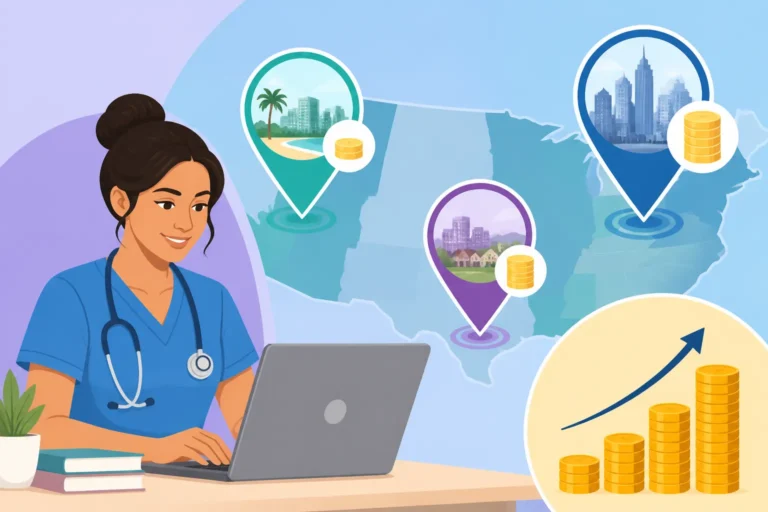
The phrase "New York" often conjures images of Manhattan skyscrapers, but the state is vast and varied. The cost of living is notoriously high in New York City, and salaries there generally reflect that. A Nurse Practitioner working in Manhattan or Brooklyn can expect to earn considerably more than their counterpart in, say, Buffalo or Syracuse. For instance, while the state average might be around $135,000, an NP in NYC could easily see offers in the $145,000 to $160,000 range, or even higher for specialized roles in high-demand settings. This is partly to offset the exorbitant rent, transportation costs, and general expenses of living in one of the world's most expensive cities. It’s a significant consideration for anyone planning their career path, as moving to a higher-paying region might seem attractive, but the increased expenses can quickly eat into the difference.
On the other hand, upstate New York, while offering a lower cost of living, might present slightly lower average NP salaries. Areas like Rochester, Albany, or the Hudson Valley still provide excellent opportunities and competitive pay, often ranging from $115,000 to $130,000. The key is to balance the salary with the lifestyle and expenses in a particular region. Many NPs find that their purchasing power is actually greater in an upstate city, where housing is more affordable and daily costs are less burdensome, even if the gross salary is lower than in the five boroughs. This regional difference is a critical component of the Nurse Practitioner Salary Guide.
For example, a new grad NP might find a starting salary in a community health center in the Bronx to be $140,000, while a similar position in a clinic in Saratoga Springs might offer $120,000. On paper, the Bronx salary looks better, but when you factor in that a one-bedroom apartment in the Bronx could easily cost $2,500-$3,000 a month, versus $1,200-$1,500 in Saratoga Springs, the real take-home value becomes more comparable. It's about looking beyond the headline number to the actual quality of life and financial stability each location offers.
Deeper Dive into Specific Nurse Practitioner Specialties and Their Earnings
Just as location impacts salary, so too does your chosen specialization. Certain areas of practice are in higher demand or require more intensive, specialized training, which naturally translates into higher compensation. Choosing a specialty isn't just about passion; it can also be a strategic career move to maximize your earning potential, especially in a competitive market like New York.
Family Nurse Practitioner (FNP) Salary in New York
The Family Nurse Practitioner (FNP) is one of the most common and versatile NP roles, providing comprehensive primary healthcare to individuals and families across the lifespan. Because FNPs are so crucial to primary care access, they are always in demand. In New York, FNPs can expect to earn salaries that closely align with the overall state average for NPs. Typically, an FNP in New York can earn anywhere from $120,000 to $150,000 annually, depending on their experience level, the type of practice (e.g., private clinic, hospital-affiliated primary care, urgent care), and their specific location. New graduates might start at the lower end of this spectrum, while experienced FNPs with a strong track record and patient panel can command significantly more.
The demand for FNPs is particularly high in underserved areas, both rural and urban. This persistent demand often ensures competitive salaries, and in some cases, facilities in these areas might even offer additional incentives like sign-on bonuses or student loan repayment programs to attract qualified professionals. Many FNPs find fulfilling careers working in community health centers, which are vital hubs for healthcare access in many New York neighborhoods. An FNP often acts as the first point of contact for patients, managing chronic conditions, performing routine check-ups, and emphasizing preventative care, making their role indispensable.
Psychiatric Mental Health Nurse Practitioner (PMHNP) Salary Trends
In today's healthcare landscape, mental health is finally getting the recognition it deserves, and with that comes an immense demand for qualified mental health professionals. Psychiatric Mental Health Nurse Practitioners (PMHNPs) are at the forefront of this critical field, and their specialized skills are highly sought after across New York. This high demand, coupled with the specialized nature of their training, means PMHNPs often command some of the highest salaries among all NP specialties. In New York, PMHNPs can typically expect to earn between $140,000 and $170,000 per year, with experienced professionals in high-demand areas or private practice potentially earning even more.
The compensation for PMHNPs reflects the complex nature of mental health care, including diagnosing mental health conditions, providing psychotherapy, and prescribing medication. The need for these services has only grown, especially since the pandemic, leading to a significant pay bump for PMHNPs. This specialty offers flexibility as well, with opportunities in inpatient psychiatric units, outpatient clinics, correctional facilities, and increasingly, via telehealth platforms, which can sometimes offer even more competitive hourly rates. If you're considering Highest-Paying Nurse Practitioner Specialties, PMHNP is almost always on that list. For those preparing for their certification exams in this critical field, using comprehensive review materials like those offered by Uworld can be invaluable to ensure success and secure a top-tier position.
Other High-Paying Nurse Practitioner Specialties in New York
While FNPs and PMHNPs represent large segments of the NP workforce, several other specialties offer impressive salary potential in New York:
- Adult-Gerontology Acute Care Nurse Practitioner (AGACNP): These NPs work with critically ill adult and elderly patients in acute care settings like ICUs, emergency departments, and specialty units. Their expertise in managing complex, often life-threatening conditions makes them highly valued. Salaries for AGACNPs in New York frequently range from $135,000 to $165,000.
- Neonatal Nurse Practitioner (NNP): NNPs specialize in the care of critically ill newborns and infants, typically working in Neonatal Intensive Care Units (NICUs). This highly specialized and demanding field often comes with excellent compensation, with NNPs in New York earning upwards of $140,000 to $170,000, particularly in major medical centers.
- Certified Registered Nurse Anesthetist (CRNA): While technically a separate advanced practice registered nurse (APRN) role, CRNAs often top the charts for highest nursing salaries. Though not typically categorized as an NP, many nurses consider the CRNA path after gaining experience. CRNAs in New York can earn well over $200,000, often exceeding $250,000, reflecting their extensive training and critical role in surgical and procedural care. You can learn more about this path in articles discussing CRNA Program Requirements Explained.
- Women's Health Nurse Practitioner (WHNP): Specializing in the unique healthcare needs of women from adolescence through old age, WHNPs often work in gynecological and obstetrical settings. Their salaries are competitive, typically ranging from $125,000 to $155,000 in New York, with demand strong in both urban and suburban areas.
Each of these specialties requires dedicated training and certification, but they also offer diverse career paths and strong earning potential, making the investment in advanced education a sound choice.
| NP Specialty | Average Annual Salary Range in New York (Estimated) | Key Practice Settings | Demand Level |
|---|---|---|---|
| Family Nurse Practitioner (FNP) | $120,000 – $150,000 | Primary Care, Urgent Care, Community Clinics, Retail Clinics | High |
| Psychiatric Mental Health NP (PMHNP) | $140,000 – $170,000 | Mental Health Clinics, Hospitals, Telehealth, Private Practice | Very High |
| Adult-Gerontology Acute Care NP (AGACNP) | $135,000 – $165,000 | ICUs, EDs, Specialty Units, Hospitals | High |
| Pediatric Nurse Practitioner (PNP) | $120,000 – $150,000 | Pediatric Primary Care, Specialty Clinics, Hospitals | Moderate |
| Neonatal Nurse Practitioner (NNP) | $140,000 – $170,000 | NICUs, Hospitals | High |
| Women's Health Nurse Practitioner (WHNP) | $125,000 – $155,000 | OB/GYN Practices, Women's Health Centers | Moderate |
Note: These ranges are estimates and can vary based on experience, specific employer, and exact location within New York State.
Strategies to Maximize Your Nurse Practitioner Salary in New York
Knowing the average salary is one thing, but actively working to increase your own earning power is another. As a Nurse Practitioner in New York, you have several avenues to explore to ensure you’re making the most of your advanced degree and expertise. From continuing your education to shrewd negotiation, every step counts.
The Impact of Experience and Education on Earnings
It's a universal truth in nursing: experience pays. As a new grad NP, you'll naturally start at a lower salary point. However, with each year you gain valuable clinical experience, refine your skills, and take on more complex patient cases, your market value increases significantly. Many facilities offer annual raises, and after 3-5 years, you'll likely be in a much stronger position to negotiate higher pay or seek out roles with greater compensation. It's often said that How Experience Affects Nurse Pay is one of the most significant factors in long-term earning potential.
Beyond experience, further education is a powerful salary booster. While an MSN is the entry-level degree for most NPs, pursuing a Doctor of Nursing Practice (DNP) can further differentiate you and lead to higher-paying roles, especially in leadership, academia, or highly specialized clinical areas. Many healthcare systems are increasingly recognizing the value of the DNP, and some advanced roles might even prefer or require it. For a deep dive into this, check out our guide on MSN vs DNP: Which to Choose. Similarly, if you're transitioning from an ADN or diploma background, pursuing an RN to BSN Salary Increase and then an MSN is a clear path to higher earnings.
Negotiation Tactics and Professional Certifications
Don't underestimate the power of negotiation. When you receive a job offer, it's almost always an invitation to negotiate. Do your research on average salaries for your specialty and experience level in that specific New York region. Be prepared to articulate your value, highlighting your unique skills, experiences, and any specialized training or certifications you hold. If you're a new grad, a strong academic record, glowing references, and a well-articulated understanding of the role's demands can bolster your position. For seasoned NPs, quantifiable achievements – like improving patient outcomes or contributing to efficiency – are powerful negotiation tools. Remember, salary isn't the only negotiable item; benefits like health insurance, retirement contributions, continuing education allowances, and paid time off are also fair game.
Beyond your primary NP certification, pursuing additional professional certifications in your specialty can significantly boost your earning potential and demonstrate advanced expertise. For example, a PMHNP might pursue certifications in substance abuse treatment, or an FNP might get certified in wound care or diabetes education. These Nursing Certifications That Boost Pay show a commitment to continuous learning and specialized knowledge, making you a more valuable asset to employers. And speaking of certifications, thorough preparation is crucial for passing those exams. Resources like Uworld provide excellent question banks and rationales that can really sharpen your test-taking skills, helping you secure those valuable credentials and potentially higher pay. The key to successful negotiation and securing top-tier positions often begins with mastering your board exams, so investing in quality study tools like Uworld is a smart move.
Exploring Different Practice Settings
The environment in which you practice can also have a significant effect on your salary. Generally, large hospital systems in major metropolitan areas tend to offer the highest salaries, often due to their larger budgets and the need to attract top talent in competitive markets. However, they may also come with higher patient loads and more bureaucratic structures.
- Hospitals and Medical Centers: Often the highest payers, especially in specialty areas or critical care. Think major New York health networks like NewYork-Presbyterian, NYU Langone Health, or Mount Sinai.
- Outpatient Clinics/Physician Offices: Salaries here can be competitive but might be slightly lower than in large hospitals. However, these settings often offer more predictable hours and a less intense pace.
- Urgent Care Centers: With the rising demand for convenient care, urgent care centers are expanding rapidly. They offer competitive salaries, and sometimes even bonus structures based on patient volume, but often require weekend and evening shifts.
- Community Health Centers: While dedicated to serving underserved populations, many community health centers in New York offer competitive salaries, often enhanced by federal or state loan repayment programs for NPs who commit to working in these areas.
- Telehealth: The rise of telehealth has opened up new opportunities, and some telehealth companies offer very attractive hourly rates or salaries, along with the flexibility of working from home. This can be particularly appealing for experienced NPs looking for a change of pace.
- Private Practice/Consulting: For entrepreneurial NPs, opening your own practice or offering consulting services can lead to the highest earning potential, but it also comes with significant business overhead and administrative responsibilities.
Understanding the unique demands and compensation structures of each setting allows you to align your career goals with your financial aspirations. Whether you choose the fast-paced environment of an urban emergency department or the steady rhythm of a rural family practice, your role as an NP in New York is vital, and with the right strategies, your compensation can truly reflect that value.
Disclaimer
The salary figures and career outlook information provided in this article are based on current market data, industry trends, and projections. These figures are estimates and can vary significantly based on individual qualifications, experience, specific employer, geographic location within New York State, economic conditions, and the specific demands of the healthcare market. This information is intended for general guidance and informational purposes only and does not constitute professional financial or career advice. Always conduct thorough research and consult with financial and career advisors before making any significant decisions.