Capella RN to BSN Program Review
For many registered nurses, the idea of going back to school for a Bachelor of Science in Nursing (BSN) degree can feel overwhelming. You’re already juggling shifts, family life, and all the responsibilities that come with being a working RN. The thought of adding traditional classroom attendance and rigid schedules to that mix might seem impossible. This comprehensive guide is here to shed light on one popular option designed specifically for busy nurses: the Capella RN to BSN program. We'll dive deep into its structure, what you can expect, and whether it's the right fit for your unique journey.
Understanding the Capella RN to BSN Program Model
Capella University has carved out a niche for itself by offering flexible, career-focused degree paths, and their RN to BSN program is no exception. It’s built around a distinct learning model that appeals to many working professionals.
Competency-Based Learning Explained
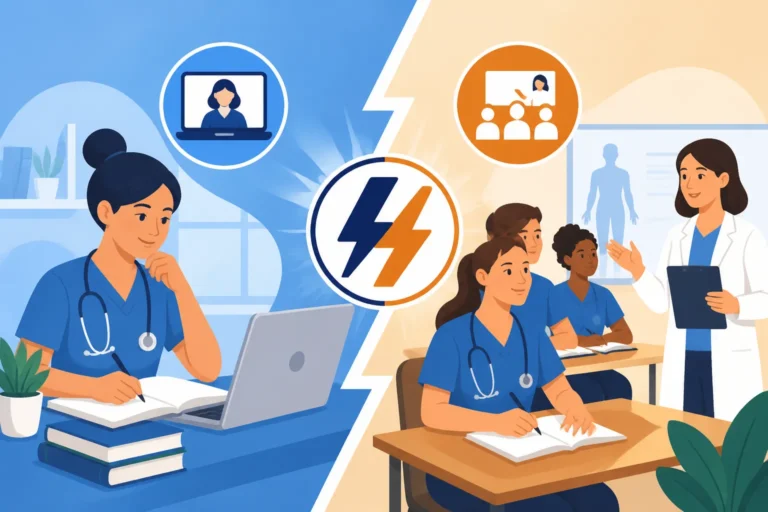
One of the standout features of Capella's program, particularly its FlexPath option, is its competency-based learning model. Instead of adhering to a traditional semester-based schedule where you progress at the pace of the class, you advance by demonstrating mastery of specific skills and knowledge – the "competencies." Imagine this: you've been a nurse for years, you've seen it all, and you likely already understand a good chunk of the material being taught. With FlexPath, you don’t have to sit through lectures or discussions on topics you’ve already mastered. You can move quickly through what you know and take more time on subjects that are new or challenging.
This means you can potentially accelerate your degree completion, saving both time and money. If you're a self-starter, highly motivated, and can dedicate consistent time to your studies, this model could be incredibly efficient. It's truly designed for the independent learner who thrives on setting their own pace and diving deep into material on their own terms. Many find this flexibility essential for balancing work and family responsibilities, allowing them to fit their studies into the unpredictable schedule of a healthcare professional. For those looking for a different approach to traditional education, exploring Competency-Based RN to BSN Programs can offer valuable insights.
Curriculum Overview and Core Courses
The Capella RN to BSN curriculum is meticulously designed to build upon the foundational knowledge you already possess from your Associate's Degree in Nursing (ADN) or diploma program. It focuses on expanding your perspective to include broader concepts crucial for leadership, evidence-based practice, and community health. You'll typically encounter courses that delve into nursing leadership and management, where you'll learn about organizational structures, ethical decision-making, and effective communication strategies within healthcare systems. There are also robust courses on nursing research and evidence-based practice, teaching you how to critically evaluate research findings and apply them to improve patient outcomes.
Community health nursing is another significant component, preparing you to assess the health needs of diverse populations, develop interventions, and advocate for health policy changes. This includes understanding epidemiology and public health principles, which are vital in today's global health landscape. Furthermore, many programs include a capstone project that allows you to synthesize your learning and apply it to a real-world nursing issue. The core philosophy is to transition you from a task-oriented ADN role to a more holistic, leadership-focused BSN professional, equipped to handle complex healthcare challenges. This program aims to deepen your understanding of the broader healthcare system and your role within it, aligning with the comprehensive needs outlined in an RN to BSN Curriculum Overview.
Admission Requirements and Application Process
Getting into any nursing program can feel like a labyrinth, and an RN to BSN is no different. Capella streamlines its process, but knowing the specifics beforehand can save you a lot of headaches.
Key Eligibility Criteria
To be considered for Capella's RN to BSN program, you'll need to meet a few fundamental requirements. First and foremost, you must hold an active, unencumbered Registered Nurse (RN) license in the state where you intend to practice. This isn't just a formality; it confirms your existing clinical expertise and legal standing as a nurse. Secondly, you'll generally need an associate's degree or a diploma in nursing from an accredited program. Capella, like many reputable institutions, typically requires a minimum GPA from your previous nursing education, often around a 2.0 or 2.5 on a 4.0 scale, though this can vary. It’s always best to check their official website or speak directly with an enrollment counselor for the most up-to-date and specific requirements.
Another crucial aspect is how your prior education translates. Capella is known for being quite generous with transfer credits, recognizing the substantial coursework and clinical hours you've already completed. Your RN license itself often grants a significant block of foundational nursing credits, allowing you to essentially "start" further along in the BSN curriculum. This is a huge advantage for many nurses, as it means less time and money spent on redundant courses. If you're curious about how your previous credits might transfer, it's worth reading up on RN to BSN Transfer Credit Explained.
Navigating the Application Steps
Once you've confirmed your eligibility, the application process typically involves several straightforward steps. You'll usually start by completing an online application form through Capella's admissions portal. This form will ask for your personal information, educational history, and details about your nursing license. A key component will be submitting official transcripts from all previously attended colleges or universities, including your ADN or diploma program. These transcripts are essential for Capella to assess your prior coursework and determine which credits can be transferred into your BSN program.
In some cases, you might be asked to provide a professional resume or even a personal statement detailing your motivation for pursuing a BSN and your career goals. While not always required for RN to BSN programs, a strong, well-articulated statement can only enhance your application. It’s also wise to have your current RN license information readily available for verification. The good news is that Capella's admissions team is generally very supportive and can guide you through each step. They understand that most applicants are busy working nurses, so they strive to make the process as seamless as possible. Always aim to submit your materials well before any suggested deadlines to ensure ample time for review. Understanding the full scope of requirements is essential, and you can find more details in our guide on RN to BSN Admission Requirements.
Cost, Financial Aid, and Time Commitment
Let's be real: going back to school is an investment, both in time and money. It’s important to understand the financial implications and how long you can expect to be studying.
Tuition Structure and Potential Costs
Capella University offers a unique tuition structure, particularly for its FlexPath option, which directly ties into its competency-based learning model. Instead of paying per credit hour, you pay a flat fee for each 12-week billing session. During this session, you can take as many courses as you can realistically complete. This can be a game-changer for motivated students who can move quickly, as it allows them to potentially finish their degree faster and, consequently, at a lower overall cost than a traditional per-credit model. For instance, if you can complete three courses in a 12-week session, you're paying the same flat rate as someone who completes only one.
However, if you find yourself needing more time to complete competencies or struggle to maintain a rapid pace, it could end up costing more than anticipated, as you'd still pay for subsequent 12-week sessions. Capella also offers a GuidedPath option, which is a more traditional per-credit, per-quarter model for those who prefer a structured, slower pace with more faculty interaction. It’s crucial to thoroughly investigate both options and compare them against your learning style, available study time, and financial situation. Don't forget to factor in other potential costs like textbooks (though many are digital), technology fees, and any necessary supplies. A clear understanding of these aspects helps determine How Much Does an RN to BSN Cost.
Here's a simplified look at Capella's typical tuition models for the RN to BSN:
| Program Path | Billing Structure | Completion Pace | Potential Cost Savings | Ideal For |
|---|---|---|---|---|
| FlexPath | Flat fee per 12-week session | Self-paced, accelerated | High (if completed quickly) | Highly motivated, self-disciplined nurses who can dedicate significant study time and have strong prior knowledge. |
| GuidedPath | Per credit hour, per quarter | Structured, steady | Moderate (predictable cost) | Nurses who prefer a traditional, structured pace, fixed deadlines, and more direct faculty guidance. |
Note: These are general descriptions. Always check Capella's official website for the most current tuition rates and program details.
Funding Your Education
Securing financial aid is a major concern for many nurses considering further education, and thankfully, there are numerous options available. Federal financial aid, such as Pell Grants and federal student loans, is often the first stop. To apply, you'll need to complete the Free Application for Federal Student Aid (FAFSA). Capella’s financial aid office can help you navigate this process and understand your eligibility. Beyond federal aid, many states and private organizations offer scholarships specifically for nursing students, including those pursuing their BSN. It's always worth researching local and national nursing associations, as well as healthcare foundations, for scholarship opportunities.
Another often overlooked avenue is employer tuition reimbursement. Many hospitals and healthcare systems recognize the value of a BSN-prepared nursing workforce and offer programs to help their RNs advance their education. This can range from partial to full tuition reimbursement, usually with an agreement to continue employment for a certain period after graduation. Before you even apply, talk to your HR department or nursing leadership about what benefits might be available to you. Leveraging these options can significantly reduce your out-of-pocket expenses and make your BSN degree much more attainable. For a deeper dive into funding your education, check out our guide on RN to BSN Financial Aid Options.
Realistic Program Length
The beauty of Capella's FlexPath option is the potential to complete your RN to BSN degree faster than traditional programs. While many traditional online RN to BSN programs take 12 to 24 months, highly motivated FlexPath students have reported completing their degree in as little as 9-12 months. However, this accelerated timeline demands significant dedication and consistent study hours each week. It's not uncommon for students to dedicate 15-20 hours or more per week, especially if they aim for a rapid completion. The actual time it takes will largely depend on your prior knowledge, how many transfer credits you bring in, and, most importantly, the amount of time you can consistently commit to your studies.
For nurses working full-time, balancing work, family, and studies can be incredibly challenging. It's crucial to set realistic expectations for yourself. While the flexibility of Capella allows you to log in when it suits your schedule, the coursework itself is rigorous. If you opt for the GuidedPath, the program length will be more predictable, typically falling within the 18-24 month range. Before enrolling, honestly assess your availability and create a study plan. Remember, even with an efficient program like Capella's, success comes from discipline and effective time management. You might find our article on How Long Does an RN to BSN Take helpful for broader context. A related read on How to Balance Work and RN to BSN also offers practical strategies.
Student Experience and Support at Capella
Online learning isn't just about reading textbooks from home. It's about a comprehensive experience that supports your growth as a student and future BSN-prepared nurse.
Online Learning Environment and Resources
Capella University provides a robust and intuitive online learning platform designed to facilitate engagement and independent study. When you log in, you’ll find a dashboard that organizes your courses, assignments, and deadlines. Each course module typically includes readings, video lectures, discussion forums where you interact with peers and instructors, and various assessments to demonstrate your competency. The platform is generally user-friendly, allowing you to easily navigate between course materials, submit assignments, and track your progress.
Beyond the course content, Capella offers a wealth of student support resources. This includes a comprehensive online library with access to vast academic databases, journals, and e-books—essential for nursing research. There's also a writing center, offering feedback on papers and helping you refine your academic writing skills, which are crucial for success in a BSN program. Technical support is available to assist with any platform issues, and academic advisors are often assigned to help guide you through your degree plan and troubleshoot challenges. Some students even find external study aids like Uworld useful for reinforcing core nursing knowledge, although Capella provides its own comprehensive resources. While Uworld is primarily known for NCLEX prep, its question banks and rationales can be a good way to practice critical thinking, a skill that's highly emphasized in BSN-level coursework. These resources are designed to ensure that even though you're learning online, you're never truly alone in your academic journey.
Clinical and Practicum Components
One of the common questions ADN-prepared nurses have about RN to BSN programs, especially online ones, revolves around clinicals. The great news is that for most accredited RN to BSN programs, including Capella's, you typically do not need to complete traditional, hands-on clinical rotations like you did in your initial nursing education. This is because you already hold an active RN license, signifying your clinical competency at the bedside. The BSN curriculum builds upon this by focusing on leadership, evidence-based practice, and community health, which are often explored through different types of practical application. You can learn more about this by reading RN to BSN Clinical Hours Explained.
Instead of direct patient care rotations, Capella's RN to BSN program integrates what they call "practicum" or "project-based learning." These are designed to apply theoretical knowledge to real-world nursing scenarios, often within your current work environment or community. For example, you might be tasked with developing a quality improvement project for your unit, conducting a community health assessment, or evaluating current nursing practices based on evidence-based guidelines. These projects allow you to demonstrate advanced nursing skills in areas like leadership, patient education, or health policy, without requiring you to clock additional direct-care clinical hours. This approach makes the program highly practical for working nurses and allows you to immediately apply what you're learning to improve your professional practice.
Is the Capella RN to BSN Program Right for You?
Deciding on an RN to BSN program is a big step, and it's essential to consider if Capella's unique approach aligns with your personal and professional goals.
Weighing the Pros and Cons
Like any educational pathway, Capella's RN to BSN program comes with its own set of advantages and potential drawbacks.
Pros:
- Unmatched Flexibility: The FlexPath option is a huge draw for working nurses, allowing you to set your own pace and complete coursework on your schedule, without rigid deadlines. This flexibility can be a lifeline for those with demanding work shifts or family commitments.
- Potential for Faster Completion: If you're disciplined and can dedicate consistent study time, you have the opportunity to finish your degree significantly faster than in traditional programs, saving both time and money.
- Transfer-Friendly: Capella generally accepts a generous number of transfer credits, including a substantial block for your active RN license, which shortens your overall degree path.
- Focus on Practical Application: The curriculum emphasizes leadership, evidence-based practice, and community health, preparing you for broader roles beyond direct patient care. The project-based learning model allows you to apply new knowledge directly to your professional environment.
- Strong Online Support System: From the online library to writing centers and academic advisors, Capella offers numerous resources to support distance learners.
Cons:
- Requires Strong Self-Discipline: The self-paced nature of FlexPath means there are no professors chasing you for assignments. You need to be highly motivated and manage your own time effectively, which can be a challenge for some.
- Financial Structure Can Be Tricky: While FlexPath can be cost-effective for fast learners, if you take longer to complete competencies, the per-session flat fee could potentially become more expensive than a per-credit model.
- Less Direct Instructor Interaction: While instructors are available, the FlexPath model emphasizes independent study. If you thrive on frequent, direct interaction and real-time lectures, this might feel less engaging than a traditional classroom or GuidedPath option.
- Accreditation Nuances: While Capella University is regionally accredited, always double-check specific program accreditation (like CCNE or ACEN for nursing) to ensure it meets your professional and state licensure board requirements. For more on this, you can read about CCNE vs ACEN Accreditation Explained.
- Not Ideal for Everyone: The competency-based model isn't a one-size-fits-all solution. Nurses who prefer structured deadlines, more hand-holding, and a predictable schedule might find GuidedPath or a different institution more suitable.
Who Benefits Most from Capella’s Program?
Capella’s RN to BSN program truly shines for a specific type of learner. If you are an experienced RN who is highly self-motivated, organized, and capable of managing your own study schedule, you will likely thrive in the FlexPath model. This program is an excellent choice for nurses who have a good grasp of foundational nursing concepts and are eager to move through familiar material quickly, focusing their efforts on new competencies. Perhaps you have a strong study routine already or excel at independent learning.
It's also a fantastic option for nurses with unpredictable work schedules, such as those working rotating shifts, on-call, or travel nursing contracts. The flexibility allows you to fit your studies around your professional life rather than trying to force your life into a rigid academic schedule. Nurses who are looking to quickly meet employer BSN requirements or advance their careers without taking an extended break from work will find Capella's accelerated potential very appealing. Ultimately, if you value autonomy in your learning journey and are ready to take charge of your educational pace, the Capella RN to BSN program offers a powerful and efficient path to earning your bachelor's degree. For a broader perspective on the value of this degree, consider our article on Is an RN to BSN Worth It. For general information about pursuing an online degree, check out our Online RN to BSN Programs: Complete Guide.
Disclaimer
Please remember that this information is for general guidance only and should not be considered professional academic or financial advice. Program requirements, tuition rates, and available financial aid can change. Always consult Capella University's official website or speak directly with an admissions advisor for the most accurate and up-to-date information.