Best Online ABSN with In-Person Clinicals
Deciding to go back to school for nursing, especially when you already have a degree in another field, is a huge step. But the thought of leaving your job, uprooting your life, or even finding childcare just to attend classes on a traditional campus can feel utterly impossible. Many aspiring nurses find themselves in this exact predicament, yearning for a faster path to a rewarding career but intimidated by the logistical hurdles. This guide is specifically designed to demystify online Accelerated Bachelor of Science in Nursing (ABSN) programs that smartly blend the flexibility of online coursework with the essential hands-on experience of in-person clinicals, offering a realistic roadmap to achieving your nursing dreams.
Understanding the Hybrid Accelerated BSN Model
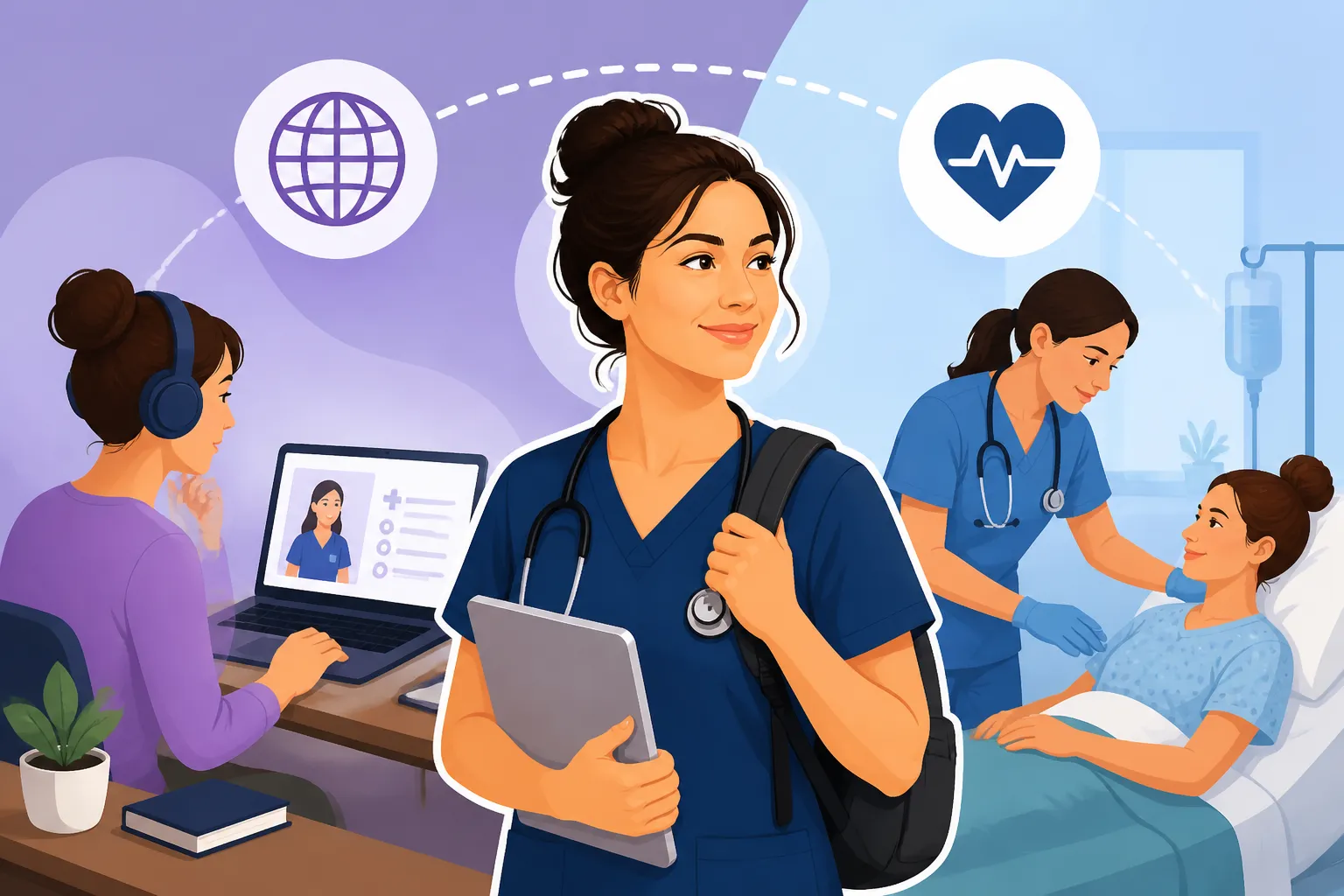
When you're looking into becoming a registered nurse (RN) and already hold a bachelor's degree in a non-nursing field, an Accelerated BSN is often the quickest route. But not all ABSN programs are created equal. The hybrid model, combining online learning with in-person clinicals, has become a true game-changer for so many people who simply can’t commit to a fully on-campus schedule. It’s about getting the best of both worlds, providing the academic rigor you need while also recognizing the realities of adult life.
What "Online with In-Person Clinicals" Really Means
Let's really break down what this hybrid approach entails because it’s a concept that often sparks a lot of questions. On the one hand, you have the "online" component, which refers to the vast majority of your theoretical coursework. This means you'll be engaging with lectures, readings, discussions, and assignments through a virtual learning platform. Imagine logging in from your kitchen table after the kids are asleep, or during your lunch break at work. Many programs offer asynchronous learning, allowing you to access materials and complete tasks on your own schedule within set deadlines, which is fantastic for those juggling existing commitments. Some might have synchronous elements, like live virtual sessions, but even these are often recorded for later viewing. The goal here is ultimate flexibility for your academic studies, letting you master complex concepts like pathophysiology or pharmacology without needing to be physically present in a classroom every single day.
However, nursing isn't just about textbooks and theories; it’s profoundly hands-on. This is where the "in-person clinicals" come in, and why they are an absolutely non-negotiable part of any legitimate nursing program. These are your real-world experiences, the moments when you move from learning about patient care to actually providing it. You'll be in hospitals, clinics, long-term care facilities, and community health centers, working directly with patients under the supervision of experienced clinical instructors. This is where you practice your assessment skills, administer medications, learn how to communicate therapeutically, and develop critical thinking in fast-paced environments. These clinical rotations ensure you gain the practical competencies and confidence required to be a safe and effective nurse, and ultimately, to pass the NCLEX licensure exam. Without these critical hands-on hours, a nursing degree simply wouldn’t prepare you for the realities of the profession, nor would it be accredited.
The true beauty of the hybrid model lies in how these two components integrate. The online didactic portion provides the foundational knowledge, clinical reasoning, and evidence-based practice principles. Then, you apply that knowledge directly in your in-person clinical settings. For example, you might have an online module on cardiac care, learning about various heart conditions and treatment protocols. Then, during your clinical rotation at a local hospital, you’d be assigned to a telemetry unit, applying that knowledge to real patients with cardiac issues, performing assessments, and collaborating with the healthcare team. This continuous cycle of learning online and applying in person creates a dynamic and immersive educational experience that prepares you thoroughly for your new career. It’s a very intentional design to maximize both flexibility and competency.
Who is This Program Structure For?
This specific program structure is a perfect fit for a very particular kind of student, often someone who's already demonstrated a high level of discipline and commitment in their first degree. First and foremost, it's designed for Accelerated BSN for Non-Nursing Majors – individuals who hold a bachelor's degree in a field other than nursing but have decided that nursing is their true calling. Maybe you were a biology major, an English literature graduate, or even worked in business, and now you’re ready for a career change that offers direct patient impact and growth. The ABSN streamlines your path by recognizing your prior college education, allowing you to focus primarily on nursing-specific curriculum.
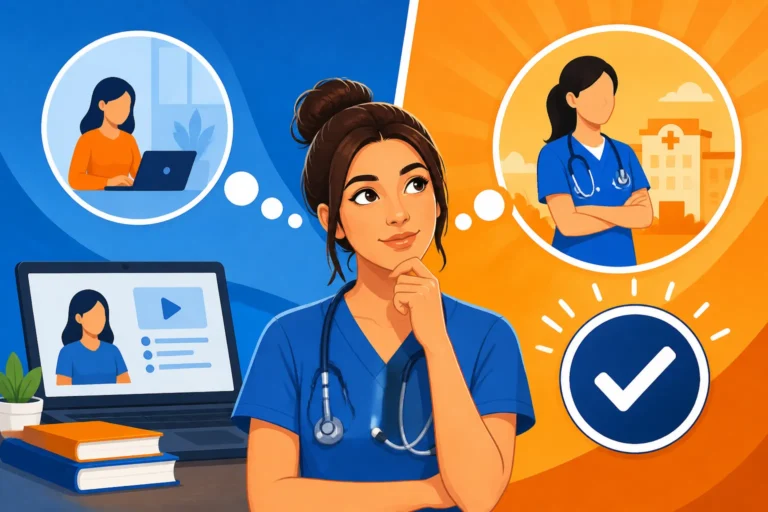
Secondly, it's ideal for students who crave the flexibility of online learning for their academic coursework but recognize the absolute necessity of traditional, in-person clinical experience. Perhaps you're a parent with young children, a working professional whose schedule isn't conducive to daily on-campus classes, or someone living in a rural area without easy access to a nearby nursing school. The online component allows you to study when and where it works best for you, fitting your education around life's demands. Yet, you're not sacrificing the hands-on learning that is vital for developing competence and confidence as a nurse. This blend ensures you get the best of both worlds without feeling like you’re missing out on essential practical training.
Finally, this model is particularly beneficial for those who cannot easily relocate for a full-time, traditional on-campus program. Imagine you have a spouse with a stable job, or you own a home, and moving isn't a feasible option. A hybrid ABSN program allows you to pursue your nursing degree from your current location, often leveraging clinical sites within your local community or a commutable distance. This significantly reduces the personal and financial upheaval that a traditional program might demand. However, it's crucial to remember that while the didactic portion is online, the clinicals are not flexible in terms of location; you will need to be able to get to assigned clinical sites. For many working nurses looking to advance their education, the structure of an Online RN to BSN Programs: Complete Guide might be more suitable, but for career changers, this hybrid ABSN is a tailored fit.
Key Considerations When Choosing a Program
Embarking on an accelerated nursing program is a significant investment of your time, energy, and finances. Choosing the right program, therefore, is paramount. You can’t just pick the first one you see; you need to be a savvy consumer, asking tough questions and doing your homework. There are several critical factors that differentiate a strong, reputable program from one that might leave you unprepared or with untransferable credits.
Accreditation and Program Reputation
This might sound like a technicality, but let me be absolutely clear: accreditation is not just a fancy label; it's the bedrock of a legitimate nursing education. When a program is accredited by either the Commission on Collegiate Nursing Education (CCNE) or the Accreditation Commission for Education in Nursing (ACEN), it means it has met rigorous quality standards for its curriculum, faculty, resources, and student outcomes. Without this accreditation, your degree might not be recognized by state boards of nursing, making you ineligible to sit for the NCLEX exam, and you won't be able to pursue further education like an MSN or DNP. It's truly non-negotiable, and understanding CCNE vs ACEN Accreditation Explained is a must.
Beyond just a stamp of approval, a program's reputation is also largely reflected in its NCLEX pass rates. High pass rates indicate that the program is effectively preparing its students for licensure, which is, after all, your primary goal after graduation. Always ask for these statistics. Additionally, delve into program reviews and alumni testimonials. What do past students say about the faculty support, the quality of instruction, and the clinical experiences? Was the program structure manageable? Did they feel well-prepared for their first nursing role? Websites like AllNurses.com or school-specific forums can provide invaluable, unfiltered insights from those who've walked the path before you. A good program will openly share its accreditation status and NCLEX pass rates; be wary of any program that is evasive about these details.
Finally, consider the institution's overall standing and history. Is it a well-established university with a dedicated nursing school, or a newer, perhaps less proven entity? While new programs can be excellent, established ones often have robust alumni networks, stronger ties to local healthcare facilities for clinical placements, and a long-standing reputation for quality. For instance, reputable universities like Drexel University or the University of Texas at Arlington often have long-standing nursing programs with a strong presence, even in their online offerings. These factors contribute significantly to the perceived value of your degree once you enter the job market and can even influence your ability to secure competitive nursing positions. Understanding Why RN to BSN Accreditation Matters can shed more light on the importance of these standards.
Clinical Placement and Logistics
This is arguably the most critical and often the most confusing aspect of online ABSN programs with in-person clinicals. How do you actually get those hands-on hours if you're not on campus? Some programs have a robust network of affiliated hospitals and clinics across various states and will actively assist you in securing your clinical placements. This is the gold standard and offers tremendous peace of mind. They might even have a dedicated clinical placement coordinator whose job it is to match you with appropriate sites and preceptors in or near your geographic area. You’ll definitely want to understand the Accelerated BSN Clinical Requirements in detail.
However, other programs place the primary responsibility for finding clinical sites squarely on the student’s shoulders. While this might sound daunting, it's not always a deal-breaker, especially if you have existing connections in healthcare or live in an area with many facilities. But it does require significant proactive effort on your part, and you need to be realistic about your ability to secure these placements, especially in competitive urban areas. Always clarify this before you apply. Ask specific questions: "Does your program arrange all clinical placements, or am I responsible for finding them?" "What is the typical timeframe for securing placements?" "What support do you offer if I struggle to find a site?" Also, be sure to ask about geographic limitations and state authorization. Not all programs are authorized to offer clinicals in every state, and your location could be a limiting factor.
The variety of clinical settings offered is another important factor. A comprehensive nursing education should expose you to diverse patient populations and healthcare environments. Look for programs that offer experiences in acute care (med-surg, ICU, ER), maternal-child health, pediatrics, psychiatric/mental health, and community health. These varied experiences not only broaden your understanding of nursing but also help you discover what specialties you might enjoy most down the line. Finally, consider what kind of clinical support is available while you're actually at the site. Will you have a dedicated instructor from your school, or will you be precepted by staff nurses? What's the student-to-instructor ratio? These details significantly impact the quality of your hands-on learning and overall experience.
Program Structure and Support
When you sign up for an accelerated BSN, you're signing up for an intense, fast-paced educational journey. These programs are designed to condense a traditional four-year curriculum into as little as 12 to 18 months, which means the course load is exceptionally demanding. You'll often take multiple challenging courses concurrently, requiring significant dedication and excellent time management skills. It's not uncommon for students to report spending 40-60 hours a week on coursework and clinicals combined. Therefore, it's crucial to understand the exact structure: how many credits per term, how long each term is, and what the typical weekly commitment looks like. A transparent program will lay out its Accelerated BSN Course Load Explained very clearly.
Beyond the sheer volume, consider the quality of the online learning platforms and resources. A good program will use a robust, user-friendly Learning Management System (LMS) like Canvas or Blackboard, offering easy access to course materials, discussion boards, assignment submission, and grade tracking. What kind of digital library resources are available? Are there virtual labs or simulation software? Do they provide access to clinical documentation systems or electronic health record (EHR) training platforms, which are vital for modern nursing practice? These technological resources are your virtual classroom, and their quality directly impacts your learning experience.
Lastly, and this is truly significant, evaluate the student support services available. In a fast-paced online environment, feeling isolated or unsupported can be detrimental. Look for programs that offer dedicated academic advising, accessible technical support, tutoring services (especially for challenging subjects like pharmacology or statistics), and career services to help with resume writing, interview prep, and job searching. How accessible are the faculty? Do they hold regular virtual office hours? Are they responsive to emails? Knowing that you have a safety net of support can make all the difference in navigating the rigor of an accelerated program. The faculty's experience, not just academically but also clinically, is invaluable. Many students find programs like Western Governors University (WGU) or Chamberlain University appealing due to their established online structures and support systems, but it’s always wise to research specific ABSN offerings.
Navigating the Application Process and Prerequisites
Applying to an Accelerated BSN program can feel like navigating a maze, especially since you're coming from a non-nursing background. It's not just about filling out a form; it's about strategically presenting yourself as a committed, capable candidate who is ready for the rigorous demands of nursing school. Being prepared and understanding the specific hurdles you need to clear will significantly ease the journey.
Essential Admission Requirements
The baseline requirement for nearly all Accelerated BSN programs is a bachelor's degree in a non-nursing field. This is what sets them apart from traditional BSN programs. However, what constitutes a "good enough" GPA for that prior degree can vary widely. Many competitive programs look for a minimum cumulative GPA of 3.0 on a 4.0 scale, and often, an even higher GPA in your prerequisite science courses. Some programs might accept a slightly lower GPA if you demonstrate exceptional performance in your science prerequisites or have significant professional experience. It's worth asking if programs have an Accelerated BSN Programs with No GPA Requirement if your prior GPA is a concern, though these are rare for ABSN programs specifically.
Speaking of prerequisites, these are the make-or-break courses you must complete before you can even think about applying. Common prerequisites include Anatomy and Physiology I & II, Microbiology, Chemistry, Statistics, and sometimes courses like Developmental Psychology, Nutrition, or English Composition. These courses ensure you have the foundational science and general education knowledge necessary to succeed in a demanding nursing curriculum. Many applicants complete these prerequisites at a community college or through online university extension programs. It's crucial to confirm the specific prerequisite list for each program you're interested in, as they can differ slightly, and often have minimum grade requirements (e.g., a "B" or higher). Understanding Accelerated BSN Prerequisites Explained is your first step.
Beyond the academic transcripts, programs often require additional components that allow them to get to know you as a person and assess your suitability for nursing. This typically includes a personal statement or essay where you can articulate your motivations for becoming a nurse, your understanding of the profession, and how your prior experiences have prepared you. Letters of recommendation, usually from academic and professional sources, are also common. Some highly competitive programs may even include an interview process, which could be virtual for online students. These elements are your chance to showcase your communication skills, empathy, critical thinking, and commitment—all vital traits for a successful nurse.
Preparing for Clinicals and the NCLEX
Once you’re accepted into an online ABSN program, there’s a whole new set of preparations that kick in, distinct from just academic readiness. Before you can ever step foot into a hospital for clinical rotations, you’ll need to complete a comprehensive health screening, including up-to-date immunizations (think MMR, Varicella, Tdap, Hepatitis B, and annual flu shots), and often a tuberculosis (TB) test. A background check and drug screening are also standard requirements, ensuring patient safety and compliance with healthcare facility policies. You’ll also need current CPR certification (typically Basic Life Support for Healthcare Providers) and potentially other certifications, depending on the program and clinical site requirements. These are strict, non-negotiable hurdles to ensure you meet industry standards for patient care.
As you approach your clinical rotations, you'll also need to mentally and practically prepare for the hands-on environment. This means understanding and adhering to professional dress codes (scrubs, appropriate footwear), maintaining strict patient confidentiality, and practicing basic skills like vital signs, sterile technique, and communication in simulation labs before performing them on real patients. Many programs integrate simulation labs, either on-campus or at partner facilities, to bridge the gap between theory and practice, allowing you to build confidence in a controlled environment. This is where you really start to feel like a nurse, even before your first official patient assignment.
Finally, a major goal throughout your ABSN program is preparation for the NCLEX-RN exam, the national licensure exam required for all registered nurses. While your coursework and clinicals will build your foundational knowledge, dedicated NCLEX preparation is crucial. Many online ABSN programs integrate test-taking strategies and review materials directly into their curriculum. They might also subscribe to comprehensive review platforms like Uworld, which is renowned for its challenging practice questions and detailed rationales, or ATI, or Kaplan. These resources are designed to mimic the NCLEX exam experience, identifying your strengths and weaknesses, and helping you focus your study efforts. Your program’s Accelerated BSN NCLEX Pass Rates are a strong indicator of how well they prepare students, so always inquire about them.
Success Strategies for Hybrid ABSN Students
Jumping into an accelerated online BSN program is a marathon, not a sprint. It's an intense, demanding period that requires incredible dedication, organization, and resilience. But with the right strategies, you can absolutely thrive. It's about being proactive and setting yourself up for success from day one, both in your virtual classroom and at the bedside.
Time Management and Study Techniques
Let's be honest: balancing online coursework, rigorous in-person clinical hours, and the rest of your life (work, family, personal commitments) is probably the biggest challenge for hybrid ABSN students. It often feels like there aren't enough hours in the day. The key here is ruthless time management and scheduling. Treat your online classes like a full-time job, dedicating specific blocks of time each week for lectures, readings, assignments, and studying. Many successful students create a detailed weekly schedule, blocking out study times, clinical days, and even time for self-care to prevent burnout. You need to be incredibly disciplined, often saying "no" to social engagements or hobbies temporarily. It’s also important to factor in commute times to clinical sites, which can add significant hours to your week.
Effective study techniques are also paramount. You're covering a vast amount of material in a short period, so rote memorization won't cut it. Focus on understanding concepts rather than just facts. Utilize active recall, flashcards (digital ones like Anki can be a lifesaver), and practice questions from resources like Uworld to solidify your knowledge. Form online study groups with classmates; explaining concepts to others is an excellent way to reinforce your own understanding. Don't be afraid to reach out to professors during virtual office hours if you're struggling with a particular topic. They are there to support you. Additionally, taking care of your physical and mental health – adequate sleep, healthy eating, and stress-reducing activities – is not a luxury, it's a necessity for maintaining focus and avoiding burnout in a program as intense as an Accelerated BSN Program Overview.
Another crucial strategy is to leverage all the online resources at your disposal. Most programs provide extensive digital libraries, video lectures, interactive modules, and practice quizzes. Don't just skim these; use them actively. Many students find that re-watching complex lectures or utilizing supplemental materials provided by the university can deepen their understanding. Utilize tools like online calendars, reminder apps, and organizational software to keep track of assignments and deadlines. The asynchronous nature of online learning means you have the power to tailor your study environment to your needs, but it also demands a high degree of self-motivation and organization. Developing strong Accelerated BSN Study Tips early on will make a significant difference.
Leveraging Clinical Experiences
Your in-person clinicals are where the magic truly happens, transforming theoretical knowledge into practical skills and critical thinking. To truly leverage these experiences, you need to approach each shift with an active, inquisitive mindset. Don't just show up and do what you're told; actively seek out learning opportunities. Volunteer to assist with procedures, ask to observe a new skill, and engage in conversations with your clinical instructor, preceptor, and other healthcare professionals. The more proactive you are, the more you will learn. Remember that patient interactions are invaluable; practice your therapeutic communication, active listening, and empathetic responses. Each patient is a unique learning opportunity, offering insights into various conditions, treatments, and human experiences.
Networking during your clinical rotations is also a huge, often overlooked, benefit. The nurses, doctors, and other staff you encounter are potential mentors, future colleagues, and valuable connections. Present yourself professionally, demonstrate a strong work ethic, and show genuine interest. These interactions can lead to invaluable advice, job opportunities after graduation, and professional references. Many nurses find their first job at a facility where they completed a clinical rotation, simply because they made a positive impression and demonstrated their capabilities. This practical experience is often the defining factor that makes an Accelerated BSN Worth It.
Finally, don't underestimate the power of self-reflection and asking questions. After each clinical shift, take time to reflect on what went well, what challenged you, and what you could improve. This critical self-assessment is essential for professional growth. And never, ever hesitate to ask questions, no matter how basic they might seem. Clinical environments are complex, and even experienced nurses ask questions. It shows you are engaged, safety-conscious, and committed to learning. Your clinical instructors are there to guide you and provide a safe space for learning. By actively participating, critically reflecting, and building relationships, you’ll not only gain essential skills but also develop the confidence and professional identity of a capable registered nurse, ready to make a real difference in patient care.
Disclaimer
Please remember that the information provided in this guide is for general informational purposes only and does not constitute professional advice. Nursing program requirements, accreditation standards, and career outlooks can change. Always verify specific details directly with the educational institutions and relevant accrediting bodies.