Is the Capella Accelerated BSN Worth It
Deciding to pursue an Accelerated Bachelor of Science in Nursing (ABSN) is a huge step, often driven by the desire to fast-track into a rewarding nursing career. Many career changers and those with previous degrees find themselves overwhelmed by the sheer number of programs out there, and one name that often comes up is Capella University. You're probably wondering if the investment in time, money, and effort for the Capella Accelerated BSN is truly going to pay off for you. This guide will break down everything you need to know to make an informed decision about whether Capella's ABSN program aligns with your goals and expectations.
Understanding the Capella Accelerated BSN Program
When you're looking at a program like Capella's, it's not just about getting a degree; it's about finding a pathway that fits your life. Accelerated BSN programs are designed for individuals who already hold a bachelor's degree in a non-nursing field and want to transition into nursing quickly. Capella’s approach to this can be quite distinct, so let's really dig into what makes it tick.
Program Structure and Flexibility
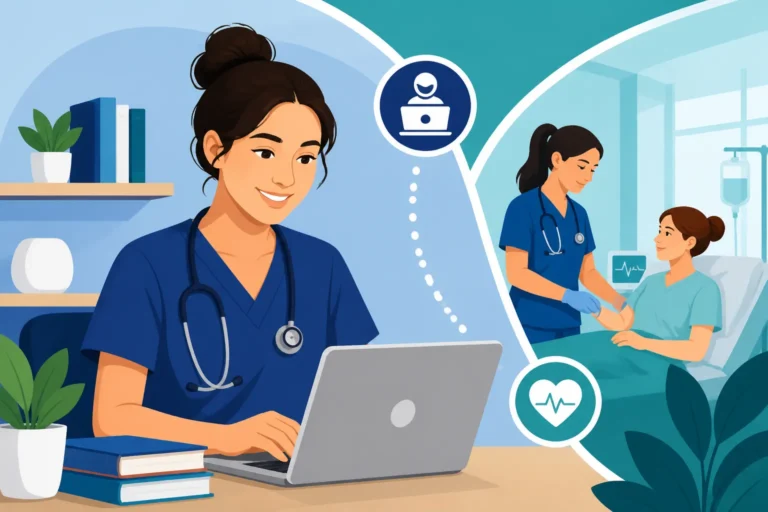
Capella University offers its Accelerated BSN program primarily through a blended learning model, meaning it combines online coursework with in-person clinical experiences. This can be a huge draw for folks who need some flexibility in their academic schedule but still understand the non-negotiable need for hands-on patient care. The online components typically involve rigorous theoretical courses delivered through their learning platform, allowing you to access lectures, readings, and assignments on your own time, largely eliminating the need for daily campus commutes. However, don't mistake "online" for "easy" or "independent" – the pace is still intense, demanding significant self-discipline and time management. This blended format is what makes online programs accessible, but it requires a careful balance. If you're wondering, "How Long Is an Accelerated BSN", Capella's program generally falls within the typical 12-24 month range, aiming for a swift completion to get you into the workforce faster.
Curriculum Focus and Learning Model
The curriculum at Capella, like other quality ABSN programs, is designed to provide a comprehensive foundation in nursing science, patient care, and professional practice. You'll dive deep into subjects like pathophysiology, pharmacology, nursing assessment, critical care, and community health. What sets Capella apart for many students is its competency-based education model, known as FlexPath. While their ABSN is primarily a guided-path program, some of the principles of self-pacing can still be felt in the flexibility of the online components. This model emphasizes demonstrating mastery of skills and knowledge rather than simply clocking hours in a classroom. For some, this can be incredibly empowering, allowing them to leverage prior knowledge or accelerate through familiar topics. For others, especially those new to online learning or with less self-direction, the pace can feel overwhelming without the strict structure of traditional programs. You'll cover a vast amount of material in a condensed timeframe, preparing you for the multifaceted challenges of modern nursing.
Admission Requirements and Prerequisites
Getting into any Accelerated BSN program, including Capella's, is competitive, and the admission requirements are stringent for a reason – they want to ensure you're set up for success in a demanding curriculum. Typically, you'll need a bachelor's degree from an accredited institution in a non-nursing field, often with a minimum GPA, such as a 2.75 on a 4.0 scale, though higher GPAs are always more competitive. Beyond your previous degree, there's a significant list of prerequisite courses you'll need to complete, often including Anatomy & Physiology I & II, Microbiology, Chemistry, Statistics, and Psychology. Many students find themselves scrambling to complete these if their previous degree didn't cover them. If you're looking for guidance on your academic foundation, a deeper dive into the specific Accelerated BSN Prerequisites Explained can be incredibly helpful. Furthermore, you'll usually need to submit essays, letters of recommendation, and potentially undergo an interview. Capella, like other institutions, is looking for highly motivated, organized, and dedicated individuals who can handle the intense academic rigor of an ABSN.
The Financial Investment: Costs and Aid for Capella ABSN
Let's be real, the cost of higher education is often the biggest hurdle, and nursing programs are no exception. Investing in an ABSN is a significant financial commitment, and understanding what you're getting into is absolutely crucial.
Tuition and Fees Breakdown
The sticker price for an Accelerated BSN program, including one at a private university like Capella, can definitely make your eyes water. Tuition rates are typically charged per credit or per quarter/semester. While exact figures fluctuate, you can expect the total cost for a Capella ABSN to be in the range of $50,000 to $70,000, not including living expenses, books, technology fees, clinical fees, uniforms, and other incidentals. These additional costs can add thousands more to your overall budget. It's really important to factor in all these expenses when planning, as they can quickly add up. For a more general understanding of what to expect, checking out "How Much Does an Accelerated BSN Cost" can give you a broader perspective. Always consult Capella's official website or an admissions advisor for the most current and specific tuition and fee schedules.
Financial Aid and Scholarship Opportunities
For many, the only way to make an ABSN financially feasible is through financial aid. Capella University, like most accredited institutions, participates in federal financial aid programs. This means you can apply for federal student loans by completing the Free Application for Federal Student Aid (FAFSA). Depending on your financial need, you might also qualify for grants, which don't need to be repaid. Beyond federal aid, Capella offers various institutional scholarships and payment plans. It's always a good idea to seek out external nursing scholarships too – there are countless organizations, professional associations, and even local hospitals that offer awards to aspiring nurses. Don't underestimate the power of a good scholarship search; every little bit helps offset the significant investment. Exploring resources like Accelerated BSN Financial Aid can provide valuable insights into navigating these options.
Return on Investment for a Capella ABSN
So, is the hefty price tag for a Capella ABSN truly "worth it" in the long run? This is where your individual career goals and local job market come into play. Generally, earning a Bachelor of Science in Nursing (BSN) significantly improves your career prospects and earning potential compared to an Associate Degree in Nursing (ADN). Hospitals increasingly prefer BSN-prepared nurses, especially those aiming for Magnet status, and many even require it for certain positions or career advancement. The expedited nature of an ABSN means you enter the workforce sooner, potentially accumulating years of experience and salary raises faster than in a traditional program.
Consider this: if you complete your Capella ABSN in 18 months, you could be earning a registered nurse (RN) salary (which, depending on your location and specialty, could range from $60,000 to well over $90,000 annually in major metropolitan areas like Seattle or Boston) a year or two sooner than someone in a traditional four-year program. That's a year or two of income and experience you wouldn't have otherwise. While the upfront cost is high, the long-term benefits of increased employability, higher earning potential, and opportunities for advanced roles (like those in Highest-Paying Nursing Careers) often justify the investment for motivated individuals.
Navigating the Learning Experience and Clinicals at Capella
The actual day-to-day of an ABSN program is where the rubber meets the road. It's one thing to read about it; it's another to live through it. Understanding the realities of the learning environment and clinical expectations at Capella is vital.
Online Learning Environment and Support
Capella's online platform is designed for adult learners, aiming for intuitive navigation and robust resources. You'll find a centralized hub for course materials, discussion forums, assignment submissions, and grades. The beauty of online learning, especially for those juggling life responsibilities, is the asynchronous nature – you can often complete readings and lectures at times that work for you, whether that's late at night after the kids are asleep or early in the morning before your shift.
However, "online" does not mean "alone." Capella typically provides various support systems, including academic advisors, faculty mentors, and technical support. Engaging actively in online discussions and reaching out to instructors when you have questions is critical to success. The rigorous pace means falling behind is incredibly difficult to recover from, so self-advocacy and proactive communication are paramount. For those who thrive with structured independent study and are comfortable with technology, Capella's online environment can be an excellent fit.
Clinical Rotations and Practicum Experience
This is perhaps the most critical component of any nursing program, especially an online-blended one. While your theoretical coursework is online, you must gain hands-on experience to become a competent and licensed nurse. Capella's ABSN program will require you to complete significant in-person clinical rotations and practicum experiences in healthcare facilities. These placements are essential for applying classroom knowledge, developing critical thinking skills, and mastering essential nursing procedures.
Finding clinical placements can sometimes be a challenge, depending on your location and the university's partnerships. Capella often works with a network of healthcare providers to secure these placements, but it's important to understand your role in this process. Some programs may require students to assist in securing sites, especially in competitive areas. These experiences are diverse, covering various specialties such as medical-surgical, pediatrics, obstetrics, psychiatric, and community health nursing. These are mandatory, non-negotiable hours, and they will likely take place during weekdays, often full-time shifts, regardless of your online coursework schedule. Don't forget to look into "Accelerated BSN Clinical Requirements" to fully grasp what's expected.
NCLEX Preparation and Support
The ultimate goal after graduation is passing the NCLEX-RN exam, which is your gateway to becoming a licensed registered nurse. Capella, like all reputable nursing programs, integrates NCLEX preparation throughout its curriculum. This often includes practice exams, critical thinking exercises, and content review sessions. Many programs also provide access to or recommend external resources.
For instance, many Capella students, much like their peers in other accelerated programs, swear by dedicated NCLEX review platforms like Uworld. Uworld is renowned for its extensive question bank, realistic exam interface, and incredibly detailed rationales, which can be a game-changer for understanding complex concepts. Supplementing your Capella coursework with robust external tools like Uworld can significantly boost your confidence and readiness for the exam. The program's goal is to ensure you have the knowledge base, but your personal dedication to rigorous review, often utilizing resources like Uworld, is key to success. Capella’s own Accelerated BSN NCLEX Pass Rates are a good indicator of how well their graduates perform.
Career Outcomes and Employer Perception of Capella Graduates
You're not just earning a degree; you're investing in a new career. How does a Capella ABSN stack up when it comes to landing that first nursing job and progressing in your career?
Job Prospects and BSN Impact
Upon graduating from Capella's Accelerated BSN program and successfully passing the NCLEX-RN, you'll be eligible to apply for registered nurse positions across various healthcare settings. The nursing job market remains robust, with high demand for qualified RNs. Having a BSN, particularly from an accredited program, significantly enhances your marketability. Many large hospital systems, especially those with Magnet Recognition Program designation, have set goals or requirements for their nursing staff to hold BSN degrees.
While a Capella degree will get your foot in the door, your clinical performance, interview skills, and professional demeanor will seal the deal. New graduates often start in medical-surgical units, which provide a broad foundation, before specializing. Your ABSN will open doors to a wider range of roles and faster advancement opportunities than an ADN. For context, you might want to review Nursing Degrees and Salaries Explained to see how a BSN impacts earning potential.
Employer Recognition and Magnet Status Alignment
Capella University is regionally accredited by the Higher Learning Commission (HLC), and its nursing programs are often accredited by the Commission on Collegiate Nursing Education (CCNE). This accreditation is absolutely critical; it signifies that the program meets rigorous national standards for nursing education and is what makes your degree recognized by employers and eligible for licensure.
In the eyes of many employers, especially those striving for or maintaining Magnet status (a prestigious designation for nursing excellence), the accreditation of your BSN program is key. While some employers might traditionally lean towards state universities, Capella's accreditation and demonstrated outcomes mean that its graduates are generally well-regarded. What really matters to hiring managers is your preparedness, critical thinking, and clinical skills, not necessarily where your online degree originated, as long as it's from an accredited institution. Your performance in clinicals and on the NCLEX speaks volumes.
Pathways to Advanced Degrees
One of the significant long-term benefits of earning your BSN, whether from Capella or another institution, is that it serves as a solid foundation for further nursing education. If your career aspirations include becoming an advanced practice registered nurse (APRN), such as a Nurse Practitioner (NP), Nurse Anesthetist (CRNA), or Nurse Midwife, then a BSN is typically the prerequisite for entry into Master of Science in Nursing (MSN) or Doctor of Nursing Practice (DNP) programs.
With a Capella BSN, you could pursue an Accelerated BSN to MSN Path to specialize in a field like family nurse practitioner or psychiatric mental health nurse practitioner. This upward mobility is a core reason why many nurses choose the BSN path. It allows you to expand your scope of practice, take on leadership roles, and significantly increase your earning potential in roles like those listed in Highest-Paying Nursing Careers.
Weighing the Pros and Cons: Is Capella ABSN Right for You?
Making a decision about an ABSN, especially an online-blended one, is deeply personal. There are clear advantages and potential drawbacks that you need to consider carefully against your own circumstances and learning style.
Advantages of a Capella ABSN
For many, the benefits of a Capella Accelerated BSN are quite compelling. First and foremost is the speed to licensure. You can transition into a registered nursing career much faster than with a traditional four-year BSN program. This means you're earning a professional salary sooner, which can quickly offset the initial investment. Second, the flexibility of online coursework is a massive plus for those with existing family commitments, work schedules, or geographical limitations. You don't have to uproot your life to attend classes daily, though the clinicals will require dedicated in-person time. Third, Capella's accreditation ensures that your degree is recognized and respected within the healthcare industry. Finally, the competency-based approach can be highly beneficial if you're a self-directed learner who thrives on mastering material at your own pace, especially if you have a strong academic background. For some, this model can feel more efficient and tailored to their learning style.
Potential Drawbacks and Considerations
No program is a perfect fit for everyone. The primary consideration for any ABSN, including Capella's, is its intense pace and rigor. This is not a program for the faint of heart; you will be learning a significant amount of complex material in a very short timeframe. This demands exceptional time management, discipline, and a willingness to commit almost exclusively to your studies. The cost is another significant factor. Private universities often have higher tuition rates, and while financial aid is available, you may still incur substantial debt. For some, the online format can also be a drawback. While flexible, it requires strong self-motivation and can feel isolating if you thrive on in-person interaction with peers and professors. Lastly, while Capella's clinical placements are essential, the logistics of securing and attending clinicals can vary and may present challenges depending on your geographic location and the availability of sites. It's crucial to understand how Capella facilitates these and what your responsibilities will be.
Who is the Capella ABSN Best Suited For?
The Capella Accelerated BSN is often an excellent option for a specific type of student. It's ideal for career changers who already hold a bachelor's degree in a non-nursing field and are highly motivated to enter the nursing profession quickly. If you are a disciplined, self-directed learner who can thrive in an online environment and manage a heavy course load, this program could be a great fit. It's also well-suited for individuals who may have family or work commitments that make a traditional campus-based program impractical but can commit to intensive clinical rotations. If you are comfortable with technology, proactive in seeking support, and passionate about becoming a nurse, then exploring a program like Capella's ABSN could be a genuinely "worth it" pathway for your future. Ultimately, the "Is an Accelerated BSN Worth It" question depends heavily on your personal drive and circumstances.
Disclaimer
Please remember that the information provided in this guide is for general informational purposes only and should not be considered professional academic or financial advice. Program details, tuition, and admission requirements can change, so always verify the most current information directly with Capella University. Your personal situation, career goals, and local job market conditions should be thoroughly evaluated before making any educational decisions.