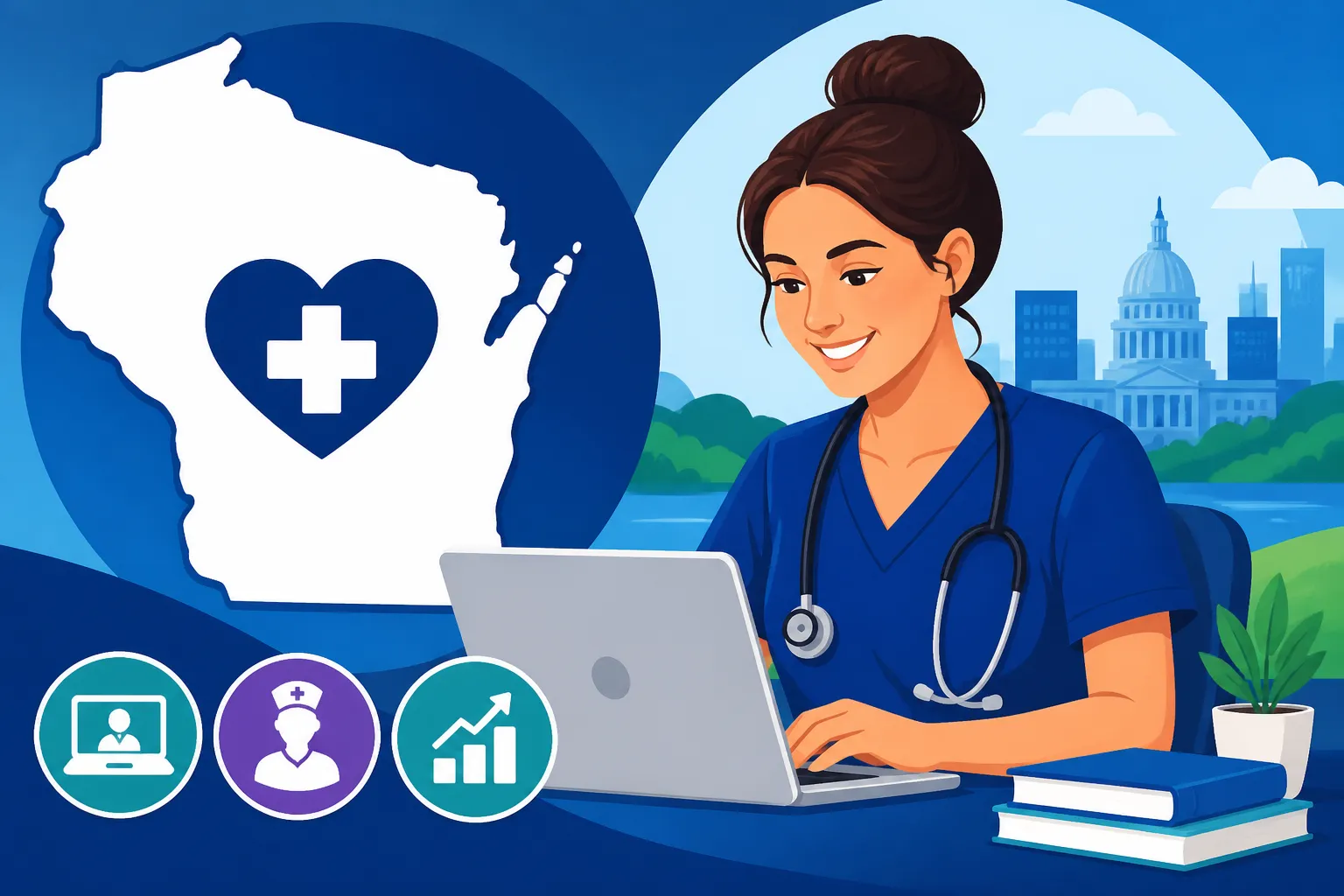
Best Accelerated BSN Programs in Wisconsin
Making the leap into nursing, especially when you already hold a bachelor's degree in a different field, can feel like a massive undertaking. You're probably wondering how to switch careers efficiently without starting from scratch, and finding a program that understands your unique position in a specific state like Wisconsin is crucial. This guide is here to walk you through the very best Accelerated BSN programs in Wisconsin, offering a deep dive into what makes them stand out and how you can successfully navigate this exciting, albeit demanding, path.
Why Choose an Accelerated BSN in Wisconsin?
Deciding to pursue an Accelerated Bachelor of Science in Nursing (ABSN) is a significant step, and doing it in Wisconsin offers some compelling advantages. The Badger State boasts a strong healthcare system, a commitment to quality nursing education, and a diverse range of clinical experiences, from bustling urban hospitals in Milwaukee to more community-focused settings in smaller towns.
The Growing Demand for BSN-Prepared Nurses
It's no secret that the healthcare landscape is constantly evolving, and with that comes an increasing emphasis on higher education for nurses. Hospitals and healthcare systems across Wisconsin, much like the rest of the country, are actively seeking BSN-prepared nurses. This isn't just about prestige; research consistently shows that nurses with a Bachelor of Science in Nursing (BSN) degree contribute to better patient outcomes, lower mortality rates, and improved safety. This trend is driven, in part, by initiatives like the American Association of Colleges of Nursing (AACN) push for 80% BSN-prepared nurses by 2020, and the continued pursuit of Magnet Recognition by many hospitals, which often requires a higher percentage of BSN-educated staff. For you, this means an ABSN isn't just a quick route to licensure; it's a strategic investment in a career path with strong demand and greater opportunities for advancement and higher earning potential.
Leveraging Your Existing Bachelor's Degree
One of the most attractive aspects of an ABSN program is its design specifically for individuals who already hold a bachelor's degree in a non-nursing field. This means you're not starting your college education over from square one. Instead, these programs are structured to build upon your existing general education credits and foundational knowledge. Many of the core liberal arts and science courses you completed during your first degree, such as psychology, sociology, English, and even some electives, often transfer directly. This efficiency is what allows ABSN programs to be so condensed, letting you earn a BSN typically in 12 to 18 months, compared to the traditional four years. It's an ideal pathway for career changers who are eager to transition into nursing quickly while still gaining the comprehensive education required to excel. You'll find that these programs value the maturity, critical thinking, and diverse perspectives that students with prior degrees bring to the nursing profession.
Top Accelerated BSN Programs in Wisconsin
Wisconsin is home to several reputable institutions offering Accelerated BSN programs designed to quickly transform non-nursing graduates into compassionate and competent registered nurses. These programs vary in length, structure, and specific prerequisites, so it's essential to look closely at what each offers.
Marquette University
Marquette University, located in Milwaukee, is a well-respected institution with a strong nursing tradition, and their Second Degree BSN program is a prime example of their commitment to nursing education. This program is typically 16 months long, delivered in a fast-paced, rigorous format that prepares students for the demands of the modern healthcare environment.
The curriculum at Marquette is comprehensive, blending online coursework with hands-on clinical experiences in diverse settings across the Milwaukee metropolitan area, including prominent healthcare systems like Froedtert Hospital and Aurora Health Care. Students will dive deep into foundational nursing concepts, health assessment, pharmacology, evidence-based practice, and leadership, all within a Jesuit educational framework that emphasizes service and ethical practice. The program requires specific prerequisite courses in sciences like Anatomy & Physiology, Microbiology, Chemistry, and Statistics, along with a minimum GPA. Marquette's program is known for its strong faculty support and high NCLEX pass rates, reflecting the quality of its instruction. If you're looking for an intensive program with a strong clinical focus in an urban setting, Marquette could be an excellent fit. For more details on what you'll be studying, you might want to review an RN to BSN Curriculum Overview, as many of the foundational concepts are similar.
University of Wisconsin-Milwaukee
The University of Wisconsin-Milwaukee (UWM) College of Nursing offers an Accelerated BSN program that is highly regarded and attracts a diverse cohort of students. This program is typically completed in 12 months, making it one of the faster options available. It's structured to be highly intensive, requiring full-time dedication from its students.
UWM’s program integrates online learning with traditional classroom instruction and extensive clinical rotations. Clinical placements are often at some of Wisconsin's largest and most advanced healthcare facilities, including those within the Froedtert & Medical College of Wisconsin system, Children's Wisconsin, and other community hospitals and clinics throughout the Milwaukee area. This broad exposure gives students a rich understanding of various patient populations and healthcare settings. Prerequisites for UWM's program are similar to others, focusing on natural sciences and statistics, and they generally look for a strong academic record from your previous bachelor's degree. Students who thrive in a challenging, fast-paced academic environment and appreciate access to large teaching hospitals for clinicals will find UWM’s program incredibly rewarding. Thinking about the time commitment? You might find our guide on How Fast Can You Finish an RN to BSN Online helpful, as accelerated programs share similar time-saving principles.
Edgewood College
Located in Madison, Wisconsin, Edgewood College offers an Accelerated BSN program that provides a more intimate learning environment with a strong emphasis on holistic nursing care. This program is typically completed in 15-18 months, offering a slightly more flexible timeline than some of the 12-month options, but still maintaining an accelerated pace.
Edgewood's curriculum is designed to foster critical thinking, compassionate care, and professional leadership. They focus on integrating theoretical knowledge with practical skills, preparing students for real-world nursing challenges. Clinical experiences are a cornerstone of the program, with placements in various healthcare settings within the Madison area, including UW Health, UnityPoint Health – Meriter, and St. Mary's Hospital. The program prides itself on smaller class sizes, allowing for more personalized attention from faculty. Prerequisite courses include specific science courses, and a prior bachelor's degree GPA requirement is standard. Edgewood’s program is a great choice for those seeking a supportive, community-oriented learning environment in a vibrant college town, offering a comprehensive nursing education with a strong ethical foundation.
University of Wisconsin-Oshkosh
The University of Wisconsin-Oshkosh offers another excellent Accelerated BSN program, designed for second-degree students ready to commit to a demanding academic schedule. Their program is often structured to be completed in a concentrated timeframe, typically around 12-16 months, depending on the specific track and student progress.
UW-Oshkosh's curriculum covers essential nursing theory, clinical judgment, evidence-based practice, and professional roles, all delivered in an accelerated format. The program utilizes both online and in-person instruction, combined with rigorous clinical experiences that take place in hospitals and healthcare facilities throughout the Fox Valley region and beyond. This provides students with diverse exposure to different patient care environments. Like other ABSN programs, specific prerequisite courses in the sciences and a competitive GPA from your previous bachelor's degree are crucial for admission. This program is an excellent option for students who are highly motivated, disciplined, and looking for a quality accelerated nursing education in a community with strong local healthcare partnerships. Understanding what it takes to get in is vital, so consider checking out our article on Accelerated BSN Admission Requirements.
University of Wisconsin-Madison
While the University of Wisconsin-Madison is globally recognized for its research and academic excellence, their direct ABSN offerings can be slightly different from other schools. They typically refer to their Traditional BSN as a path that students with prior college credits can enter, potentially shortening their overall degree time, but it's not a standalone, dedicated "accelerated" second-degree program in the same vein as some others. However, their strong nursing school is certainly worth investigating for those already holding some general education credits and looking to transfer into a top-tier BSN program.
For those with a bachelor's, you'd apply as a transfer student and, depending on your completed prerequisites and general education, you could potentially complete the nursing-specific coursework in a faster timeframe than a true freshman. Their program is known for its rigorous academic standards, cutting-edge research opportunities, and extensive clinical placements within the highly respected UW Health system. This option might suit students who want the prestige and deep academic resources of a major research university, and are willing to navigate a slightly less direct "accelerated" path. It’s a fantastic institution for developing strong research skills, which can be invaluable in advancing nursing practice.
Here's a quick overview of these Wisconsin ABSN programs:
Institution Program Length Typical Format Key Features
:_Sure thing, let's talk about Accelerated BSN programs in Wisconsin! It's completely understandable to feel overwhelmed when you're looking to switch careers or finally get that BSN, especially when you need to find a path that fits your current life stage and previous education. Many of you might already have a bachelor's degree in something entirely different, like English literature or even business, and are now feeling that undeniable pull towards a career in nursing. You're ready to make a real difference, but the thought of spending another four years in school just isn't feasible. That's where Accelerated BSN (ABSN) programs come in, offering a faster, more focused route to becoming a registered nurse by leveraging your prior academic achievements. This comprehensive guide will help you navigate the landscape of ABSN options in Wisconsin, highlighting some of the best programs and what you need to know to get started.
The Transformative Power of an Accelerated BSN in Today's Healthcare
Pursuing an Accelerated BSN (ABSN) is more than just getting a nursing degree quickly; it's a strategic move that positions you for immediate impact and long-term growth in a dynamic healthcare field. You're not just learning clinical skills; you're gaining the critical thinking, leadership, and evidence-based practice knowledge that is increasingly vital.
Meeting the Critical Need for BSN-Prepared Nurses
Let's be real: hospitals and healthcare systems across the nation, and certainly here in Wisconsin, are facing a significant demand for highly educated nurses. It's not just a preference anymore; it's often a requirement, especially for Magnet-designated hospitals known for their excellence in patient care. These institutions actively recruit BSN-prepared nurses because research consistently demonstrates that a more educated nursing workforce correlates with improved patient outcomes, reduced readmission rates, and enhanced patient safety. For someone like you, who already brings a bachelor's degree to the table, an ABSN program allows you to quickly step into this high-demand role. You're not just filling a gap; you're becoming part of a solution, equipped with a comprehensive understanding of healthcare policy, public health, and advanced clinical reasoning that directly translates to better care at the bedside and beyond. This push for higher education ensures that you, as a future BSN nurse, are prepared for the complex challenges and ethical dilemmas you'll encounter every day.
The Accelerated Advantage: Why Speed Doesn't Mean Compromise
The idea of completing a bachelor's degree in nursing in 12 to 18 months can sound almost too good to be true, but it's genuinely how ABSN programs work. The "accelerated" part doesn't mean you're skipping crucial information or cutting corners. Instead, it means the curriculum is streamlined, intense, and built upon the foundation of your previous bachelor's degree. All those general education courses you already completed – your English composition, your history electives, your basic psychology – they typically transfer over, freeing up your schedule for concentrated nursing coursework.
Imagine, for instance, that you have a degree in business. While you might need to take a few science prerequisites like Anatomy & Physiology, Microbiology, or Chemistry, you won't need to redo your core university requirements. This focus allows you to immerse yourself fully in nursing theory, clinical rotations, and simulation labs without the distraction of unrelated courses. It's a challenging, full-time commitment, often requiring you to put other life obligations on hold, but the payoff is immense: a comprehensive BSN education in a fraction of the time, allowing you to enter the workforce faster and start making that impact you're eager to achieve. Many students find the intense, cohort-based learning model of ABSN programs actually fosters deeper connections and a stronger support network among peers, making the rigorous journey more manageable and rewarding. This pathway truly redefines how long it takes to become a registered nurse with a BSN.
Navigating the Admissions Process for Wisconsin ABSN Programs
Getting into an Accelerated BSN program in Wisconsin requires careful planning and a solid understanding of what schools are looking for. While your prior bachelor's degree is a huge asset, there are specific academic and application requirements you'll need to meet.
Essential Prerequisite Courses
Even with a non-nursing bachelor's degree, nearly all ABSN programs will require you to complete a specific set of prerequisite courses. These are typically in the natural sciences and sometimes in statistics or psychology, and they're non-negotiable because they provide the foundational knowledge necessary to understand complex nursing concepts. Think of courses like Anatomy and Physiology I & II, Microbiology, Chemistry (often with a lab component), and sometimes Nutrition or Developmental Psychology.
It’s absolutely critical to check the specific requirements for each Wisconsin program you're interested in, as they can vary slightly. Some schools might accept general biology, while others demand a specific sequence. Often, these prerequisites must have been completed within a certain timeframe (e.g., the last 5-7 years) and with a minimum grade, usually a 'B' or higher. If you still need to complete some of these, don't despair! Many community colleges and universities offer these courses online or in accelerated summer sessions. Planning ahead to get these done is key, as you can't start the ABSN program without them. Understanding the full scope of Accelerated BSN Prerequisites Explained will be invaluable as you map out your academic journey.
GPA and Application Strategies
Your academic performance in your previous bachelor's degree, particularly in your prerequisite science courses, will play a significant role in your ABSN application. Most competitive programs in Wisconsin look for a minimum cumulative GPA, often around 3.0 or higher, and a strong GPA in your science prerequisites (sometimes a 3.0-3.2 on its own). This demonstrates your ability to handle rigorous academic content, which is exactly what an ABSN program demands.
Beyond grades, your application is an opportunity to tell your story and demonstrate your commitment to nursing. Craft a compelling personal statement that explains why you're choosing nursing now, how your previous experiences (even non-healthcare related ones) have prepared you, and what your career aspirations are. Strong letters of recommendation, ideally from professors or supervisors who can speak to your work ethic and capabilities, are also crucial. Some programs might even require an interview, giving you a chance to articulate your passion and fit for their specific program. Remember, these programs are looking for mature, dedicated individuals who are ready for the intensity of accelerated learning. Highlight any volunteer work, healthcare exposure (even shadowing!), or leadership roles that showcase your empathy, teamwork, and resilience. For more detailed advice, consider exploring our guide on How to Get into an Accelerated BSN Program.
The Rigorous Reality of Accelerated BSN Study
Embarking on an Accelerated BSN program is a full-time commitment, and it's no walk in the park. But understanding the demands upfront can help you prepare mentally and strategically for success.
Balancing Intense Coursework and Clinical Experiences
One of the biggest realities of an ABSN program is the sheer volume of material you'll cover in a condensed timeframe. You'll be taking multiple demanding courses concurrently, covering everything from pathophysiology and pharmacology to health assessment, psychiatric nursing, and community health. This means daily studying, active participation in lectures, and a constant need to synthesize vast amounts of information. The theoretical knowledge you gain in the classroom is immediately put into practice during your clinical rotations.
These clinical experiences are the heart of nursing education. You'll spend significant hours in various healthcare settings – hospitals, long-term care facilities, community clinics, and sometimes even schools or public health departments – working directly with patients under the supervision of experienced registered nurses and clinical instructors. These hands-on experiences are invaluable, allowing you to develop critical nursing skills, practice patient assessment, administer medications, provide patient education, and learn to prioritize care in real-world scenarios. The schedule can be grueling, with early morning clinicals followed by afternoon classes, and evenings dedicated to studying. It's a marathon, not a sprint, and effective time management and self-care become paramount. You can learn more about what to expect by reading our article on Accelerated BSN Clinical Requirements.
Preparing for the NCLEX-RN Examination
Graduating from an ABSN program is a huge accomplishment, but it's not the final step to becoming a licensed registered nurse. That requires successfully passing the National Council Licensure Examination for Registered Nurses (NCLEX-RN). This exam is a comprehensive, computer-adaptive test that assesses your ability to apply nursing knowledge and critical thinking skills to make safe and effective clinical judgments.
Fortunately, ABSN programs are meticulously designed to prepare you for this crucial hurdle. Throughout your coursework, you'll engage in various NCLEX-style practice questions, critical thinking exercises, and comprehensive exams that mimic the format and content of the actual test. Many programs integrate dedicated NCLEX review courses or resources into their final semesters. Companies like UWorld are popular choices for NCLEX preparation, offering a vast question bank with detailed rationales that help solidify your understanding of nursing concepts and improve your test-taking strategies. Leveraging these resources, combined with diligent self-study and consistent review of your course material, will be essential for success. High NCLEX pass rates are often a strong indicator of a program's quality, so it's a good question to ask when researching schools. Understanding the Accelerated BSN NCLEX Pass Rates for different programs can help inform your decision.
Financial Planning for Your Accelerated BSN
Investing in an ABSN program is investing in your future, but it comes with a price tag. Understanding the costs and exploring your financial aid options is a crucial part of your planning process.
Understanding Tuition and Program Costs
The cost of an Accelerated BSN program in Wisconsin can vary significantly between public and private institutions. Private universities like Marquette University or Edgewood College typically have higher tuition rates per credit than public universities like the University of Wisconsin System schools. However, remember that ABSN programs are shorter than traditional BSNs, which can sometimes make the overall cost comparable or even less, as you're paying for fewer semesters.
Beyond tuition, you'll need to budget for other expenses. These often include fees (technology, student health, etc.), textbooks, nursing supplies (scrubs, stethoscopes, diagnostic kits), professional liability insurance, and licensure application fees. Don't forget living expenses! Since these programs are full-time and highly demanding, many students find it challenging, if not impossible, to work significant hours. This means budgeting for rent, food, transportation, and other personal costs for the duration of the program, which could be 12-18 months. It’s a good idea to create a detailed budget well in advance of applying. Our guide on How Much Does an Accelerated BSN Cost can give you a broader perspective on these financial considerations.
Exploring Financial Aid and Scholarship Opportunities
While the costs can seem daunting, numerous financial aid options are available to help make your ABSN dream a reality. The first step for almost everyone is to complete the Free Application for Federal Student Aid (FAFSA). This form determines your eligibility for federal grants (like the Pell Grant, though these are more common for undergraduate degrees), federal student loans (subsidized and unsubsidized), and even some state and institutional aid.
Beyond federal aid, don't overlook scholarships. Many universities offer scholarships specifically for second-degree nursing students or those pursuing accelerated paths. External organizations, such as nursing associations (e.g., Wisconsin Nurses Association, National Student Nurses' Association), foundations (like the Robert Wood Johnson Foundation), and even local community groups, often have scholarships available. Additionally, some healthcare systems offer tuition reimbursement or scholarship programs in exchange for a commitment to work for them after graduation. If you're a veteran, be sure to explore VA benefits, as nursing is a high-demand field. Be proactive in your search and apply for as many scholarships as possible – every little bit helps to ease the financial burden. To dive deeper into funding your education, check out our resource on Accelerated BSN Financial Aid.
Career Opportunities After Your Wisconsin ABSN
Once you've successfully navigated your Accelerated BSN program and passed the NCLEX-RN, a world of opportunity opens up. Wisconsin's healthcare landscape is robust, offering diverse paths for new BSN-prepared nurses.
Entry-Level Nursing Roles and Specialties
With your BSN in hand, you are immediately qualified for a wide array of entry-level registered nurse (RN) positions. Hospitals are the primary employers, and you'll find openings in medical-surgical units, telemetry, intensive care units (though often requiring some initial med-surg experience), emergency departments, and specialized units like labor and delivery or pediatrics. Many new grads start on medical-surgical floors as this provides a broad foundation of patient care experience. In Wisconsin, major healthcare systems like Advocate Aurora Health, Froedtert & Medical College of Wisconsin, Ascension Wisconsin, and UW Health are constantly recruiting.
Beyond hospitals, BSN-prepared nurses are in demand in various other settings. This includes long-term care facilities, rehabilitation centers, outpatient clinics, home health agencies, schools, and public health departments. Your ABSN education will prepare you for the complexities of these diverse environments, teaching you to adapt your critical thinking and clinical skills to different patient populations and care models. Many nurses use their initial years to gain experience and then move into a specialty that truly ignites their passion. If you're pondering future specializations, a look at Nursing Specializations Explained could give you some inspiration.
Advanced Education and Career Progression
Earning your BSN is just the beginning of your potential career growth. With a BSN, you'll have access to leadership roles, such as charge nurse, nurse manager, or even specialized coordinator positions, often within just a few years of experience. The critical thinking, research skills, and leadership principles taught in ABSN programs are specifically designed to prepare you for these advanced responsibilities.
For those eager to pursue even higher levels of practice, your BSN is the essential stepping stone to graduate education. You can pursue a Master of Science in Nursing (MSN) to become an advanced practice registered nurse (APRN), such as a Nurse Practitioner (NP) specializing in family health, pediatrics, adult-gerontology, or psychiatric mental health. Many ABSN graduates even consider a Doctor of Nursing Practice (DNP) or a PhD in Nursing to pursue roles in clinical leadership, education, or research. The beauty of an ABSN is that it accelerates your entry into the profession, allowing you to start gaining valuable experience sooner and thus begin your journey towards advanced practice and higher earning potential earlier in your career. Thinking about the next steps? Our article on RN to BSN to MSN Bridge Explained can offer insight into those pathways.
Disclaimer
The information provided in this guide is intended for general informational purposes only and does not constitute professional advice. While we strive to offer accurate and up-to-date information, nursing program requirements, tuition costs, and accreditation details can change frequently. Prospective students are strongly advised to verify all information directly with the admissions departments of the respective universities and to consult with academic and financial aid advisors before making any decisions. We do not endorse any specific program, and the selection of a nursing program should be based on individual research, career goals, and personal circumstances.