Best Accelerated BSN Programs
Deciding to go back to school for your Bachelor of Science in Nursing (BSN) is a huge step, especially when you're juggling life, work, and maybe even a family. For those of you who already have a non-nursing bachelor's degree under your belt and are now feeling the undeniable pull towards a nursing career, the thought of starting from scratch can feel overwhelming and incredibly time-consuming. This guide is here to walk you through the world of Accelerated BSN (ABSN) programs, helping you understand what makes a program truly stand out and how to find the best fit for your unique journey into nursing.
What Exactly is an Accelerated BSN Program?
An Accelerated BSN program, often referred to as a "second-degree BSN," is specifically designed for individuals who have already earned a bachelor's degree in another field and are now looking to transition into nursing. It's not a traditional four-year nursing track; instead, it leverages your existing college education, particularly your general education credits, allowing you to complete your BSN coursework and clinicals at a much faster pace. Think of it as a fast-track pathway for career changers who are highly motivated and ready to dive headfirst into the challenging yet incredibly rewarding world of nursing.
Designed for Career Changers
One of the biggest frustrations for career changers is the idea of spending another four years in college. You've already done that! An ABSN program respects your prior academic achievements by focusing intensely on nursing-specific curriculum. It’s like a concentrated shot of nursing education, packing everything you need to know into a shorter timeframe, typically 12 to 24 months. This means less time in school and quicker entry into the workforce as a registered nurse, which is a massive draw for many who are eager to start their new profession without unnecessary delays. It's a demanding path, no doubt, but it's specifically built for people like you who are ready for a significant, impactful career switch.
The Rigorous Nature of the Curriculum
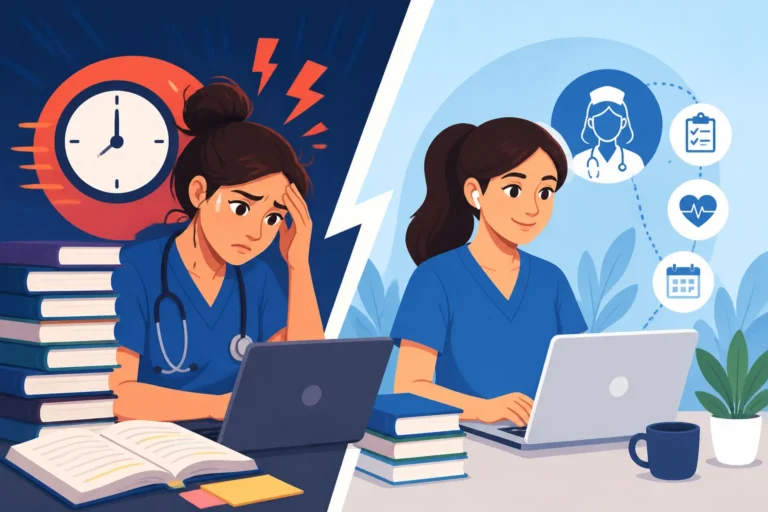
Let's be real: "accelerated" isn't just a catchy name; it means you're going to be learning a lot, very quickly. The curriculum in an ABSN program covers the same essential nursing theory and clinical skills as a traditional BSN, but it’s condensed. You'll move through foundational courses like pathophysiology, pharmacology, health assessment, and nursing ethics at a rapid clip. Clinical rotations will be intense and comprehensive, often taking up several days a week, giving you hands-on experience in diverse settings from critical care to community health. It's a challenging academic marathon, requiring immense dedication, excellent time management, and a genuine passion for nursing to keep up with the demanding schedule. Many students find that dedicating most of their waking hours to studying and clinicals is necessary to succeed. If you're wondering How Hard Is an Accelerated BSN, be prepared for a rigorous experience.
Key Factors to Consider When Choosing an ABSN Program
Choosing an ABSN program isn't like picking a coffee shop; there are many critical factors that will directly impact your success and future career. It's easy to get caught up in finding the fastest or cheapest option, but a truly great program will offer a balance of quality, support, and practicality. You need to look beyond the surface and dig into the nitty-gritty details to ensure the program aligns with your personal circumstances and professional aspirations.
Accreditation Matters Most
This is non-negotiable, seriously. Before you even look at tuition costs or program length, you must verify the program's accreditation. In the United States, nursing programs should be accredited by either the Accreditation Commission for Education in Nursing (ACEN) or the Commission on Collegiate Nursing Education (CCNE). Without accreditation from one of these bodies, your degree might not be recognized by state boards of nursing for licensure, by employers for hiring, or by graduate schools if you decide to pursue further education later on. Imagine pouring all that time, money, and effort into a degree only to find out it's not valid – that's a nightmare scenario you absolutely want to avoid. Always confirm a program's accreditation status directly through the accrediting agency's website or the school’s official page. This is a foundational step in your journey to becoming a licensed RN.
Program Structure and Format
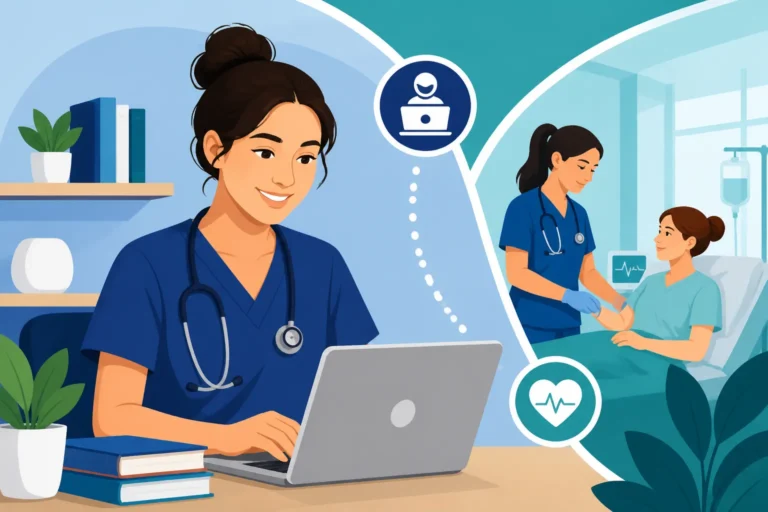
ABSN programs come in various formats, and what works best for one student might be a nightmare for another. You'll typically find on-campus, hybrid, and occasionally fully online options (though even online options usually require in-person clinicals). An on-campus program offers a traditional classroom setting, structured schedules, and direct interaction with faculty and peers, which can be invaluable for hands-on learning and immediate feedback. Hybrid programs blend online didactic coursework with in-person labs and clinicals, offering a bit more flexibility for your study schedule while still ensuring critical practical experience. Fully online programs, while appealing for flexibility, are often more challenging to find for ABSN degrees due to the intensive clinical requirements. Evaluate your learning style, geographical constraints, and personal responsibilities to determine which format will set you up for success.
Online vs. In-Person Learning Components
Many individuals are drawn to the flexibility of online learning, especially if they have existing commitments or live far from campus. However, it’s crucial to understand that even an "online" Accelerated BSN program isn't entirely online. You will still have mandatory in-person clinical rotations, which are the backbone of nursing education. These clinicals provide invaluable real-world experience, allowing you to apply theoretical knowledge in a healthcare setting under the supervision of experienced nurses. Online components typically cover lecture material, discussions, and assignments, while labs (like simulation and skills practice) and clinicals necessitate physical presence. When exploring options, ask detailed questions about how clinical placements are managed. Some programs assist with placement, while others require students to secure their own, which can be a significant challenge. Understanding these distinctions is key when considering Online Accelerated BSN Programs.
Location and Clinical Placements
The physical location of an ABSN program, even a hybrid one, is incredibly important because of those mandatory clinical hours. You'll need to consider how far you're willing to commute for labs and clinical sites, which could be scattered across a region. Programs often have established relationships with local hospitals and healthcare facilities, providing diverse clinical experiences. For instance, a program in a major metropolitan area like Chicago might offer clinicals at renowned institutions like Northwestern Memorial Hospital or Advocate Illinois Masonic Medical Center, giving you exposure to a wide range of patient populations and specialties. Conversely, a program in a more rural area might offer experiences in smaller community hospitals, which can also be valuable. Before committing, ask about the program's clinical partners, the typical travel distances involved, and how they assist students with securing these placements. The last thing you want is to be scrambling for clinical sites when you should be focusing on your studies.
Cost and Financial Aid Options
Let's not beat around the bush: nursing school is an investment. Accelerated BSN programs can range significantly in cost depending on the institution type (public vs. private), location, and program length. It's essential to get a clear breakdown of all expenses, including tuition, fees, books, supplies, uniforms, and living expenses. Don't forget about potential hidden costs like transportation to clinical sites or background check fees. Many students worry about How Much Does an Accelerated BSN Cost. Look into all available financial aid options, including federal student loans, grants, and scholarships specifically for nursing students or career changers. Some employers might even offer tuition reimbursement, so if you're currently working in healthcare, it's worth inquiring about. Being proactive about understanding and planning for the financial aspect can alleviate a lot of stress during your program.
Program Length and Intensity
The "accelerated" nature of these programs means they are intense, typically lasting anywhere from 12 to 24 months. While a shorter program might seem appealing for a quicker entry into the workforce, it also means a more compressed curriculum and a higher workload. A 12-month program, for example, will demand nearly full-time dedication, often making it difficult to work even part-time. A 16-month or 24-month program might offer a slightly more manageable pace, though still significantly more demanding than a traditional BSN. Be realistic about your capacity to handle a heavy academic load, clinical hours, and personal commitments simultaneously. Think about your existing responsibilities and whether you can realistically commit the time and energy required. Some might thrive in a super-fast paced environment, while others might benefit from a program that offers a slightly longer, albeit still accelerated, timeline.
Characteristics of Top Accelerated BSN Programs
When we talk about the "best" Accelerated BSN programs, it's not just about a ranking; it's about programs that consistently deliver high-quality education, support their students, and prepare them exceptionally well for the nursing profession. These programs share common characteristics that contribute to student success and strong career outcomes. They focus on more than just academics, aiming to mold well-rounded, competent, and compassionate nurses.
Strong NCLEX Pass Rates
A high NCLEX (National Council Licensure Examination) pass rate is one of the most significant indicators of a program's effectiveness. It demonstrates that the curriculum, instruction, and clinical experiences are adequately preparing students to successfully pass the licensing exam and begin their careers as registered nurses. When researching programs, always look for their published NCLEX pass rates, ideally over several years, as consistency is key. A program with a pass rate consistently above the national average indicates a robust educational foundation and effective test preparation strategies. This data is often readily available on nursing school websites or state boards of nursing. For example, some programs might integrate Uworld NCLEX prep materials directly into their coursework, which can be a huge advantage.
Comprehensive Student Support Services
Let’s be honest, going through an ABSN program can feel like a whirlwind. The best programs understand this and offer a robust suite of student support services. This can include academic advising, tutoring specific to nursing coursework, mental health counseling, career services, and even peer mentoring. Transitioning into nursing, especially from a completely different field, brings unique challenges, and having a strong support system can make all the difference. Imagine struggling with a particularly complex pharmacology concept; access to a dedicated tutor could be a lifesaver. Look for programs that emphasize a holistic approach to student well-being and success, not just academic rigor. This support system can be crucial in helping you manage the demands and rigors of the program.
Diverse and High-Quality Clinical Experiences
Clinical rotations are where the rubber meets the road in nursing education. A top-tier ABSN program will provide diverse and meaningful clinical experiences across various specialties like pediatrics, obstetrics, psychiatric nursing, critical care, and community health. These experiences should be in reputable healthcare facilities, exposing you to different patient populations, healthcare systems, and interdisciplinary teams. The quality of your clinical instructors also plays a huge role; you want instructors who are experienced, supportive, and dedicated to teaching. Ask about the types of facilities students typically rotate through, the student-to-faculty ratio in clinical settings, and how preceptors are chosen. These hands-on opportunities are vital for developing critical thinking, clinical judgment, and practical skills.
Experienced and Accessible Faculty
Great faculty are the heart of any excellent nursing program. Look for a program where the instructors are not only highly qualified with advanced degrees and clinical experience but also passionate about teaching and accessible to students. In an accelerated program, you'll likely have many questions and need guidance quickly. Faculty who are approachable, responsive, and genuinely invested in your success can make a profound impact on your learning experience. Look for faculty bios on program websites to see their areas of expertise and professional contributions. A strong faculty often correlates with a strong program culture and better student outcomes.
Understanding Accelerated BSN Admission Requirements
Getting into an Accelerated BSN program can be competitive. These programs are looking for highly motivated, academically capable individuals who can handle the demanding pace. It’s not just about meeting minimum requirements; it’s about presenting a strong, well-rounded application that demonstrates your commitment to nursing and your readiness for intense academic work. Don't underestimate the importance of each component of your application, as they collectively tell your story.
Prerequisite Coursework
Before you can even think about applying, you'll need to have completed a specific set of prerequisite courses. These typically include foundational science courses like Anatomy & Physiology I & II, Microbiology, Chemistry, and Statistics, as well as general education courses such as English Composition and Psychology. Many students find completing these prerequisites to be a hurdle, especially if their initial bachelor's degree was in a non-science field. It’s common for applicants to take these courses at a community college or through online programs before applying to an ABSN. Be sure to check the specific requirements for each program you’re interested in, as they can vary slightly. Some programs might even have specific timelines for when these courses must have been completed (e.g., within the last 5-7 years). If you're wondering about Accelerated BSN Prerequisites Explained, this section gives you the overview.
Minimum GPA Requirements
Most ABSN programs have a minimum GPA requirement, often ranging from 2.8 to 3.2 on a 4.0 scale for overall undergraduate work. However, many competitive programs will look for a higher GPA, particularly in your science prerequisite courses. They want to see that you can handle rigorous science coursework, as this forms the basis of nursing practice. Don't be discouraged if your overall GPA isn't stellar, but your science GPA is strong – some programs weigh science prerequisites more heavily. If your GPA is on the lower side, consider retaking a few key science courses to demonstrate improvement and a renewed commitment to academic excellence. Every program has its own threshold, so always check the specific Accelerated BSN GPA Requirements.
Application Essays and Letters of Recommendation
Beyond transcripts and test scores, your application essay (often called a personal statement or statement of purpose) is your chance to shine and convey your passion for nursing. This is where you can explain why you want to become a nurse, drawing on personal experiences, career aspirations, and what drives you to make such a significant career change. Be authentic, articulate, and specific. Strong letters of recommendation, ideally from former professors, supervisors, or healthcare professionals who can speak to your academic abilities, work ethic, and suitability for nursing, are also crucial. Choose recommenders who know you well and can highlight qualities relevant to a demanding nursing program. These qualitative components can significantly bolster your application, especially if other aspects are borderline.
Interviews and Admissions Tests
Some of the most competitive ABSN programs may require an interview as part of the admissions process. This is an opportunity for the admissions committee to assess your communication skills, critical thinking abilities, and overall fit for their program. Be prepared to discuss your motivations, understanding of the nursing profession, and how you handle stress or challenges. Additionally, some programs might require admissions tests, such as the Test of Essential Academic Skills (TEAS) or the Health Education Systems, Inc. (HESI) Admission Assessment. These exams evaluate basic academic skills like reading, math, science, and English language usage, ensuring you have the foundational knowledge to succeed in the rigorous nursing curriculum. Preparing adequately for these components is just as important as meeting GPA requirements.
Navigating the Financial Landscape of ABSN Programs
The cost of an Accelerated BSN program can be a significant barrier for many aspiring nurses. It's not just tuition; it's also about living expenses, especially if you're unable to work full-time during your studies. However, with careful planning and exploration of financial aid options, this investment can be manageable and well worth the long-term career benefits. Understanding the full financial picture upfront is crucial to avoid surprises and ensure a smooth academic journey.
Understanding the Total Cost
When you see a program's tuition fee, remember that it's often only part of the equation. You need to factor in additional expenses like mandatory university fees, health insurance, textbooks, clinical supplies (stethoscopes, uniforms), background check and drug screening fees, and licensing exam fees (like the NCLEX application fee). Then, consider your living expenses: housing, food, transportation, and personal costs. Since many ABSN students significantly reduce their work hours or stop working entirely due to the program's intensity, accounting for these living costs is paramount. Create a detailed budget that includes all potential expenses for the entire duration of the program to get a realistic understanding of the total financial commitment. This comprehensive view helps you prepare for the financial reality of your education.
Federal and State Financial Aid
The first place many students look for financial assistance is federal and state aid programs. This typically starts with filling out the Free Application for Federal Student Aid (FAFSA). Based on your financial need, you may be eligible for federal grants (which don't need to be repaid) or federal student loans (which typically have lower interest rates and more flexible repayment options than private loans). State-specific programs also exist, so check with your state's higher education agency or your program's financial aid office for local opportunities. It's crucial to complete your FAFSA early, as some aid is awarded on a first-come, first-served basis. Don't assume you won't qualify; many students are surprised by what aid they are eligible for.
Scholarships and Grants
While federal aid is foundational, scholarships and grants offer "free money" that doesn't need to be repaid. These can come from various sources: professional nursing organizations (like the American Nurses Association or specialty nursing groups), private foundations, community organizations, and even the universities themselves. Many scholarships are specifically targeted at nursing students, career changers, or students from underrepresented backgrounds. Don't shy away from smaller scholarships; they can add up quickly! Websites like Fastweb or Scholarship.com can be valuable resources for finding opportunities, but also check directly with your chosen nursing school's financial aid department and local community organizations. Securing a few scholarships can significantly reduce your overall student loan burden, making your journey much more affordable. Finding RN to BSN Scholarships can provide helpful financial relief.
Employer Tuition Assistance and Reimbursement
If you're currently employed, especially in a healthcare setting, investigate whether your employer offers tuition assistance or reimbursement programs. Many hospitals and healthcare systems recognize the value of a BSN and are willing to invest in their employees' education, particularly if you commit to working for them for a certain period after graduation. This can be a game-changer for reducing out-of-pocket costs. Even if your current role isn't directly nursing-related, your company might have a general education benefit. Always check with your HR department well in advance of applying to programs to understand their policies, eligibility requirements, and application procedures. This is a benefit that is often overlooked but can be incredibly impactful. If you're currently an RN, learning How to Get Your Employer to Pay for BSN can be very beneficial.
The Rigor and Rewards of an Accelerated BSN
There's no sugarcoating it: an Accelerated BSN program is demanding. It will push you to your limits, both academically and personally. You'll face intense study schedules, challenging clinical experiences, and moments of self-doubt. However, the rewards for persevering through this rigor are immense, leading to a fulfilling career with significant growth potential. It’s a short-term sacrifice for a long-term gain that truly impacts lives.
Managing the Intense Workload
The most common feedback from ABSN students is the sheer intensity of the workload. You'll be taking multiple demanding courses simultaneously, often with exams scheduled weekly or bi-weekly, alongside intensive clinical rotations. This means long hours of studying, reading, practicing skills, and preparing for clinicals. Time management becomes a critical skill; you'll need to be organized, disciplined, and proactive. Many students find it almost impossible to maintain a full-time job during an ABSN program, and even part-time work can be challenging. It's often recommended to treat the program as your full-time job. Developing effective study habits, finding study groups, and utilizing resources like academic support services are crucial for survival. Resources like Uworld can also offer practice questions and rationales that help reinforce learning throughout the program, not just for the NCLEX. If you're wondering How Many Hours a Week for RN to BSN or similar accelerated programs, be prepared for a substantial commitment.
Balancing Personal Life and Academics
The accelerated pace of these programs often means your personal life takes a back seat for a period. Maintaining relationships with family and friends, pursuing hobbies, or even just getting enough sleep can feel like luxuries. This can be a significant source of stress and can lead to burnout if not managed effectively. It's vital to set realistic expectations with your loved ones about your availability and to carve out small, intentional moments for self-care. Even 30 minutes of exercise, a quiet cup of coffee, or a short walk can make a huge difference in maintaining your mental and emotional well-being. Remember, this intensity is temporary, and the goal is to emerge as a competent, compassionate nurse. It's about finding small ways to recharge and avoid complete exhaustion. Many working nurses also balance life and education, so understanding How to Balance Work and RN to BSN can be a transferable skill.
The Sense of Accomplishment and Career Satisfaction
Despite the challenges, the sense of accomplishment upon completing an ABSN program and passing the NCLEX is incredibly profound. You've proven your resilience, intelligence, and unwavering commitment to a new path. More importantly, you've earned the skills and knowledge to make a tangible difference in people's lives every single day. Nursing offers a unique blend of intellectual challenge, emotional reward, and consistent demand, making it one of the most fulfilling professions. The ability to advocate for patients, provide direct care, and be a source of comfort and healing is unparalleled. The personal growth you experience during an ABSN program often extends beyond academics, transforming you into a more confident, empathetic, and capable individual ready to embark on a meaningful career.
Life After Graduation: NCLEX and Career Prospects
Graduating from an Accelerated BSN program is a huge milestone, but it's just the beginning of your nursing career. The next crucial step is passing the NCLEX-RN, and then you'll enter a robust job market with a wide array of opportunities. Your BSN degree, especially from a reputable ABSN program, opens many doors and sets the stage for continuous professional growth.
Preparing for the NCLEX-RN
Passing the NCLEX-RN is the final hurdle to becoming a licensed registered nurse. Your ABSN program will provide foundational knowledge, but dedicated NCLEX preparation is essential. Many programs integrate review courses or resources into their final semesters. You'll likely use comprehensive review materials, practice questions, and mock exams to familiarize yourself with the exam format and content. Companies like Uworld and Kaplan are popular choices for NCLEX prep, offering extensive question banks and rationales that can significantly boost your confidence and readiness. It's recommended to start studying well in advance of your exam date and to maintain a consistent study schedule. Remember, the NCLEX isn't just about what you know, but how you apply your critical thinking and clinical judgment.
Job Outlook and Entry-Level Opportunities
The job market for BSN-prepared nurses is consistently strong, with a projected growth much faster than the average for all occupations. Hospitals, especially those seeking Magnet® recognition, increasingly prefer and often require BSN-prepared nurses. This means your ABSN degree positions you well for a variety of entry-level positions in diverse settings, including hospitals (med-surg, ICU, ER), outpatient clinics, community health centers, long-term care facilities, and schools. While your first job might be in a general medical-surgical unit, which provides an excellent foundation, your BSN will quickly allow you to specialize and advance. Hospitals often look for new grads from ABSN programs because they demonstrate exceptional drive and discipline. Your BSN Salary and Career Outlook will be strong.
Career Advancement and Specialization
One of the significant advantages of holding a BSN is the pathways it opens for career advancement and specialization. With a BSN, you're eligible for leadership roles like charge nurse or nurse manager, and you can pursue a wide range of certifications in specialty areas such as critical care, pediatrics, or oncology. Furthermore, a BSN is the foundational degree for pursuing advanced practice nursing roles. If you dream of becoming a Nurse Practitioner, Nurse Educator, or Nurse Anesthetist, your BSN is the essential stepping stone to graduate programs like an Online MSN Programs: Complete Guide or even a Doctor of Nursing Practice (DNP). The long-term return on investment for an ABSN is significant, providing not just job security but a clear path for continuous professional growth and increased earning potential.
Making the Final Decision: Is an ABSN Right for You?
Choosing an Accelerated BSN program is a significant life decision, and it’s one that requires careful self-reflection. It’s not a path for everyone, but for the right individual, it can be the quickest and most effective way to transition into a rewarding nursing career. Before you dive in, take some time to honestly assess your readiness, motivations, and support systems.
Assessing Your Readiness and Motivation
An ABSN program demands a high level of commitment, discipline, and resilience. Ask yourself: Are you truly ready for an intensive academic and clinical schedule that will likely consume most of your waking hours for 1-2 years? Do you have the strong organizational skills and self-motivation needed to keep up with a fast-paced curriculum? More importantly, what is your why? What drives you towards nursing? A clear, deeply rooted motivation will be your anchor during the challenging moments. If your desire to become a nurse is strong and you thrive in rigorous environments, then an ABSN program could be a perfect fit. This is critical for success, as highlighted in guides like Is an Accelerated BSN Worth It.
Evaluating Your Support System
Successfully navigating an ABSN program is incredibly difficult to do alone. You'll need a strong support system in place, whether that's family, friends, or a partner who understands the demands of your program and is willing to offer practical and emotional support. This might mean taking on more household responsibilities, providing encouragement during stressful periods, or simply being there to listen. Discuss your plans and expectations with your support network beforehand. Having people who believe in you and are willing to help ease other burdens can make a profound difference in your ability to focus on your studies and clinicals.
Researching and Connecting with Programs
Once you've reflected on your personal readiness, it's time to thoroughly research specific programs that align with your criteria. Look beyond glossy brochures and dig into the details: accreditation, NCLEX pass rates, clinical partnerships, student support services, and faculty expertise. Don't hesitate to reach out to admissions counselors, attend virtual information sessions, and if possible, connect with current students or recent graduates of programs you're considering. Their insights can be invaluable in painting a realistic picture of the program's demands and culture. Tools like the Best Online RN to BSN Programs or Best Accelerated BSN Programs in California (or your specific state) can help you narrow down your search. This due diligence ensures you're making an informed decision about one of the most significant investments of your time and resources.
Best Accelerated BSN Programs: A Comparative Table
To help you visualize some of the key differences and factors to consider when evaluating ABSN programs, here’s a comparative table. This is a generalized overview, and specific program details will vary, so always consult individual university websites for the most current information.
| Feature | Shorter Programs (e.g., 12-15 months) | Longer Programs (e.g., 18-24 months) | Hybrid/Online-Friendly Programs |
|---|---|---|---|
| Pace/Intensity | Very High: Extremely condensed, little downtime. | High: Still demanding, but slightly more breathing room. | Varies: Online coursework offers flexibility, but clinicals are intense. |
| Total Credits | Typically 50-60 credits | Typically 60-75 credits | Similar to other programs, focusing on didactic vs. clinical structure. |
| Cost | Can be higher per credit, but less total living expenses. | May have more credits, but spread out payments. | Varies by institution, may save on commute/relocation costs. |
| Work Feasibility | Extremely difficult to work, often not recommended. | Possible to work very part-time (10-15 hrs/week). | Potentially better for part-time work outside of clinical days. |
| Clinical Structure | Very frequent, often multiple days a week. | Frequent, but potentially more spread out. | Require local clinical placements, sometimes arranged by student. |
| Ideal for… | Highly disciplined, focused, minimal external commitments. | Strong students who need slightly more structure or time. | Self-starters, those with geographical constraints. |
| Example Programs | University of Pittsburgh, Drexel University, NYU. | Marquette University, Northeastern University, UT Arlington. | University of Texas at Arlington, Western Governors University (WGU), Capella University. |
Note: The "Example Programs" listed are for illustrative purposes and represent institutions that commonly offer ABSN programs of varying lengths or formats. This is not an exhaustive list or a direct endorsement, as program specifics change, and suitability depends on individual needs.
Disclaimer
The information provided in this guide is intended for general informational purposes only and does not constitute professional advice. While we strive to offer accurate and up-to-date content, nursing program requirements, costs, and availability are subject to change by individual institutions and regulatory bodies. Always verify all information directly with the respective academic institutions, accreditation agencies, and state boards of nursing before making any decisions. Individual experiences and outcomes may vary.