Best Online Adult-Gerontology Acute Care NP Programs
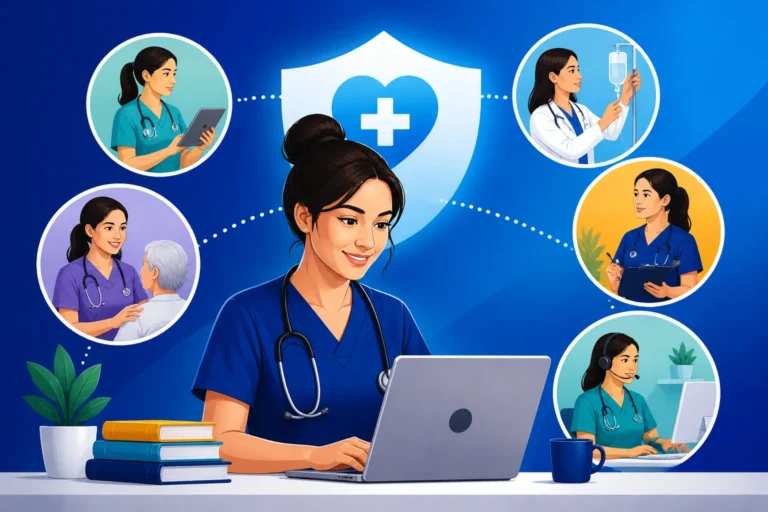
Finding the absolute best online Adult-Gerontology Acute Care Nurse Practitioner (AGACNP) program can feel like searching for a needle in a haystack, especially when you're already juggling a busy nursing career and personal life. You're looking for flexibility, but you also need top-notch education, robust clinical support, and a program that truly prepares you for the complexities of acute care. This guide is here to cut through the noise, helping you identify what truly makes an online AGACNP program stand out and where you might find your perfect fit.
Understanding the Adult-Gerontology Acute Care Nurse Practitioner Role
Let's be real, the world of nursing specialties is vast, and sometimes it feels like a whole new language. When you hear "Adult-Gerontology Acute Care Nurse Practitioner," it conjures up images of fast-paced environments and critical decision-making, and that's exactly what it is. This role is truly for the nurse who thrives in high-stakes situations, someone who wants to make a definitive impact on patients facing sudden, severe, or complex illnesses.
What an AGACNP Does
As an AGACNP, you're not just observing; you're actively managing the care of acutely ill patients, from adolescence through older adulthood. Think about it: you might be working in an intensive care unit (ICU), an emergency department, a specialty cardiology unit, or even a trauma center. Your days could involve diagnosing complex conditions, ordering and interpreting advanced diagnostic tests, initiating and managing life-sustaining therapies, performing procedures like intubation or central line insertions, and making crucial decisions about patient transfers and discharges. It's a role that demands quick thinking, a deep understanding of pathophysiology, and the ability to collaborate seamlessly with other healthcare professionals. You're often the one bridging the gap between the patient, their family, and the broader medical team, translating complex medical jargon into understandable terms and providing much-needed emotional support.
Why Pursue an AGACNP
Many nurses pursue this specialization because they love the intensity and intellectual challenge of acute care. If you've ever felt a surge of adrenaline when a patient codes, or found deep satisfaction in stabilizing someone in critical condition, the AGACNP path might be calling your name. Beyond the personal fulfillment, the career outlook for nurse practitioners, especially those in acute care, is incredibly strong. Hospitals and healthcare systems are increasingly recognizing the invaluable role AGACNPs play in improving patient outcomes and reducing healthcare costs. It's a chance to advance your clinical skills, take on greater autonomy, and significantly impact patient care at a critical juncture. Plus, let's not forget the potential for a higher earning potential, which is always a consideration when investing in further education.
The Difference: Acute Care Versus Primary Care
This is where things can get a little fuzzy for some, so let's clarify. Both Adult-Gerontology Primary Care Nurse Practitioners (AGPCNPs) and AGACNPs focus on adult and geriatric populations, but their scope of practice and the environments they work in are distinctly different. An AGPCNP focuses on health promotion, disease prevention, and the management of chronic conditions in outpatient settings – think doctor's offices, clinics, and long-term care facilities. They build long-term relationships with patients, focusing on continuous care over time.
An AGACNP, however, steps in when things get serious. They deal with episodic and acute illnesses, managing patients who are unstable, critically ill, or recovering from acute events. Their focus is on stabilizing patients, managing complex acute conditions, and preventing complications in inpatient or acute outpatient settings. You're less likely to be doing routine physicals and more likely to be managing ventilator settings or responding to a rapid response call. Understanding this core difference is paramount when choosing your specialization, as it dictates the type of patients you'll see and the pace of your daily work. If you're pondering the various pathways, our guide on MSN vs NP: What's the Difference might offer more clarity.
Key Factors to Consider When Choosing an Online AGACNP Program
Deciding to pursue an online AGACNP is a big step, and choosing the right program is crucial. It’s not just about finding something online; it’s about finding a program that truly supports your learning style, career goals, and busy life. There are several non-negotiable elements you need to scrutinize to ensure you're making a wise investment in your future.
Accreditation Matters Most
This cannot be stressed enough: accreditation is everything. Without proper accreditation, your degree might not be recognized by state boards of nursing, future employers, or even for advanced practice certification. For nursing programs, you're primarily looking for accreditation by either the Commission on Collegiate Nursing Education (CCNE) or the Accreditation Commission for Education in Nursing (ACEN). These bodies ensure that the program meets rigorous standards for quality and prepares graduates competently.
Think of it this way: if a program isn't accredited by CCNE or ACEN, it's a huge red flag. It could mean you won't be eligible to sit for your ANCC or AANP certification exams, which are essential for practicing as an AGACNP. Always verify a program's accreditation status directly on the CCNE or ACEN websites, not just on the school's promotional materials. This due diligence can save you immense heartache and wasted time and money down the road. Our guide on CCNE vs ACEN Accreditation Explained dives deeper into this critical topic.
Program Structure and Flexibility
Online programs are fantastic for flexibility, but they're not all created equal. You'll encounter both synchronous and asynchronous learning models. Synchronous programs involve live, scheduled online classes where you participate in real-time. Asynchronous programs offer more flexibility, allowing you to access course materials and complete assignments on your own schedule, often within weekly deadlines. Consider your current work schedule and family commitments – do you need the strict routine of synchronous classes to stay on track, or do you thrive with the freedom of asynchronous learning?
Beyond class structure, look at full-time versus part-time options. Many working nurses opt for part-time to balance their professional and academic lives. Also, inquire about cohort models, where you move through the program with the same group of students. This can be incredibly supportive, fostering a sense of community even in an online environment. Understanding your own learning preferences and lifestyle demands will help you narrow down programs that truly fit your needs.
Clinical Placement Support
This is arguably the most critical aspect of any online NP program, and it's where many students face significant hurdles. Finding appropriate clinical preceptors and sites for your required AGACNP clinical hours can be incredibly challenging. Some online programs offer robust clinical placement services, where they actively help you identify, secure, and vet sites and preceptors in your local area. Others leave the entire burden on the student, which can lead to delays in graduation or even dropping out if you can't find a suitable placement.
Don't be shy about asking direct questions during the admissions process: What percentage of students receive full placement support? Do they have established partnerships with hospitals or clinics in various states? What happens if a preceptor falls through? Will they help you find a new one? Programs like the University of Alabama at Birmingham (UAB) are often lauded for their strong clinical support networks. This is not a detail to gloss over – your clinical experience is the bedrock of your advanced practice, and the support (or lack thereof) from your program will directly impact your success. You might find our detailed explanation of MSN Clinical Hours Requirements incredibly helpful here.
Faculty Expertise and Support
In an online environment, the quality and accessibility of your faculty are paramount. You want professors who are not only experts in acute care but who also have experience teaching online and are genuinely invested in student success. Are they active clinicians themselves, bringing real-world experience into the virtual classroom? Do they offer regular virtual office hours, respond to emails promptly, and provide constructive feedback on assignments?
Consider also the student-to-faculty ratio, as a lower ratio often indicates more personalized attention. Online learning can sometimes feel isolating, so having supportive and engaged faculty can make a world of difference. Seek out programs that emphasize mentorship and opportunities for one-on-one interaction with professors, even if it's through video conferencing or detailed email exchanges.
NCLEX Pass Rates and Student Outcomes
While AGACNP graduates don't take the NCLEX (that's for initial RN licensure), they do take certification exams administered by organizations like the American Nurses Credentialing Center (ANCC) or the American Association of Nurse Practitioners (AANP). A program's certification pass rates are a strong indicator of its educational quality and how well it prepares students for practice. Always ask for these statistics; reputable programs will readily provide them.
Additionally, look into student support services beyond academics, such as career services and alumni networks. How successful are graduates in securing AGACNP positions after graduation? What kind of professional development opportunities are offered? Resources like Uworld are often recommended by students for exam preparation, offering comprehensive question banks and rationales that can significantly boost confidence and readiness for these crucial certification exams. A program that actively encourages and perhaps even integrates such study tools into its curriculum is a good sign.
Top Online Adult-Gerontology Acute Care NP Programs
When it comes to online AGACNP programs, you'll find a diverse landscape of options, each with its unique strengths. It's important to research each one thoroughly, checking their specific admission criteria, curriculum, and clinical support to see if they align with your personal and professional goals. Here are a few institutions generally recognized for their strong online nursing offerings, including AGACNP specializations.
University of Alabama at Birmingham (UAB)
The University of Alabama at Birmingham (UAB) is consistently ranked among the top nursing schools in the nation, and their online programs, including the Adult-Gerontology Acute Care Nurse Practitioner MSN and DNP pathways, are highly respected. UAB is known for its rigorous curriculum, comprehensive clinical placements, and dedication to serving a diverse student body. They often have a dedicated team to assist students with finding preceptors, which is a major benefit for online learners, especially those residing outside of Alabama.
Students often praise UAB for the quality of its faculty, many of whom are actively practicing in acute care settings and bring current clinical insights into the online classroom. The program emphasizes evidence-based practice and critical thinking, preparing graduates to excel in complex acute care environments. If you're looking for a program with a strong reputation and solid support infrastructure, UAB is definitely one to consider.
Duke University
Duke University, based in Durham, North Carolina, also offers an exceptional online AGACNP program through its School of Nursing. While Duke is a private institution and tuition can be higher, the quality of education, prestige of the degree, and strength of its alumni network are significant advantages. Duke’s programs are highly competitive and emphasize leadership, research, and advanced clinical practice.
Duke's online AGACNP program blends asynchronous and synchronous learning, offering flexibility while maintaining opportunities for direct interaction with faculty and peers. They often have robust resources for clinical placement, leveraging their extensive network of healthcare partners. For students seeking a highly respected degree that can open doors to advanced roles and leadership opportunities, Duke's program is a strong contender. For those interested in advanced practice, exploring different specializations, our guide on Nurse Practitioner Specializations Explained can provide a broader context.
Ohio State University
The Ohio State University, located in Columbus, is another prominent public university with a well-regarded online Adult-Gerontology Acute Care Nurse Practitioner program. OSU's program is known for its comprehensive curriculum, integrating theoretical knowledge with practical application. They offer both MSN and DNP tracks, catering to nurses at different stages of their educational journey.
OSU often provides students with significant resources for academic support, career services, and, crucially, clinical placement assistance. Being a large public university, they have a wide reach and can often help students find preceptors within their state and sometimes beyond. The program also focuses on preparing students for successful certification and entry into the acute care workforce, with many graduates finding employment in leading healthcare systems across the country.
University of Cincinnati
The University of Cincinnati (UC) College of Nursing has been at the forefront of online nursing education for years, offering a comprehensive online AGACNP program designed for working nurses. UC is known for its innovative approach to online learning, offering a blend of flexibility and engagement. Their AGACNP program focuses on developing advanced clinical reasoning skills, critical assessment, and intervention strategies necessary for managing acutely ill patients.
UC's online AGACNP curriculum typically includes core MSN courses, advanced pathophysiology, pharmacology, and health assessment, alongside specialized acute care coursework. They emphasize practical, real-world application, often utilizing case studies and simulation exercises within the online format. Many students appreciate their dedicated student support services and efforts to assist with clinical site procurement, which is a crucial aspect of success in any online NP program.
Navigating the Application Process and Beyond
Once you've zeroed in on a few online AGACNP programs that seem like a good fit, the next step is to tackle the application process. It can feel daunting, but breaking it down into manageable steps makes it much less intimidating. Remember, every program has unique requirements, so thorough review is key.
Essential Admission Requirements
Generally, to even be considered for an online AGACNP program, you'll need a current, unencumbered Registered Nurse (RN) license. Most programs will also require a Bachelor of Science in Nursing (BSN) from an accredited institution. However, some universities offer RN to MSN Programs Explained that allow ADN-prepared nurses to earn their MSN, so it's worth exploring if you fall into that category.
Academically, a competitive GPA from your undergraduate studies (often a minimum of 3.0 on a 4.0 scale, though some prefer higher) is usually expected. Clinical experience is also a major factor; most AGACNP programs require at least one to two years of recent, relevant clinical experience in an acute care setting, such as an ICU, ED, or telemetry unit. This experience is vital because the program builds upon that foundation. You'll also likely need to submit letters of recommendation, a personal statement outlining your career goals, and a resume or CV. Some programs might still require the GRE, though this is becoming less common for MSN programs. For more on what to expect, check out our guide on MSN Admission Requirements.
Funding Your Education
Let's face it, advanced education is an investment, and the cost of an online AGACNP program can be substantial. However, there are numerous avenues to explore for funding. Federal student aid (FAFSA) is a primary resource, offering grants and loans. Many universities also have institutional scholarships specifically for nursing students or those pursuing advanced degrees. Don't overlook professional organizations related to acute care or nurse practitioners, as they often provide scholarships as well.
If you're currently employed, check if your hospital or healthcare system offers tuition reimbursement or employer tuition assistance for BSN, as many progressive employers recognize the value of advanced practice nurses. Some may even have partnerships with specific universities. Planning your finances early is crucial, and it’s always a good idea to speak with a financial aid advisor at your prospective schools. Our article on MSN Financial Aid and Scholarships can provide more in-depth information.
Balancing Your Life
Pursuing an online AGACNP program while working and managing personal responsibilities is not for the faint of heart, but it is absolutely achievable. The key is meticulous time management and setting realistic expectations. You'll need to dedicate a significant number of hours each week to coursework, studying, and eventually clinical rotations. Creating a detailed schedule and sticking to it as much as possible is essential.
Lean on your support system – family, friends, and even fellow online students. Many online programs foster a strong sense of community, and peer support can be invaluable. Don't be afraid to ask for help or delegate tasks in your personal life when necessary. Remember to schedule in self-care; burnout is a real risk, and you need to be at your best to succeed. The journey to becoming an AGACNP is a marathon, not a sprint, and effective time management is your most powerful tool.
Preparing for Certification
After successfully completing your online AGACNP program, the final hurdle before practicing is passing a national certification exam. The two main certifying bodies are the American Nurses Credentialing Center (ANCC) and the American Association of Nurse Practitioners (AANP). Both offer an Adult-Gerontology Acute Care Nurse Practitioner certification. These exams are rigorous and test your comprehensive knowledge and clinical judgment across the AGACNP scope of practice.
Preparation is key, and this is where dedicated study resources truly shine. Many graduates rely on review courses, study guides, and extensive question banks to prepare. Tools like Uworld are incredibly popular for NP certification prep, offering thousands of practice questions with detailed rationales that help solidify your understanding of complex concepts. Start your review early, create a study plan, and utilize all available resources to ensure you're confident and ready on exam day. Understanding the process of NP Certification Exams Explained will set you up for success.
| Program Feature | University of Alabama at Birmingham (UAB) | Duke University | Ohio State University | University of Cincinnati |
|---|---|---|---|---|
| Accreditation | CCNE | CCNE | CCNE | CCNE |
| Degree Options | MSN, DNP | MSN, DNP | MSN, DNP | MSN, DNP |
| Program Length (FT) | ~2-3 years | ~2-3 years | ~2-3 years | ~2-3 years |
| Clinical Support | Strong; assistance with placements | Strong; extensive network | Good; assistance with placements | Good; assistance with placements |
| Learning Format | Blended (asynchronous/synchronous) | Blended (asynchronous/synchronous) | Blended (asynchronous/synchronous) | Blended (asynchronous/synchronous) |
| Typical GPA Req. | 3.0+ | 3.0+ | 3.0+ | 3.0+ |
| Acute Care Exp. Req. | 1-2 years | 1-2 years | 1-2 years | 1-2 years |
Disclaimer
The information provided in this article is intended for general informational purposes only and does not constitute professional advice. While we strive to provide accurate and up-to-date information, program details, requirements, and offerings can change frequently. Always verify specific program information, accreditation status, tuition, and clinical requirements directly with the prospective university's admissions office.