Best Online Neonatal Nurse Practitioner Programs
Deciding to advance your nursing career is exciting, but the path to becoming a Neonatal Nurse Practitioner (NNP) can feel overwhelming, especially when you're juggling work and life. Finding the best online NNP program means sifting through countless options, worrying about accreditation, clinical placements, and whether you'll truly get the support you need. This comprehensive guide is here to cut through the noise, offering clear, empathetic advice on how to identify the online NNP programs that genuinely stand out and will set you up for success.
Understanding the Neonatal Nurse Practitioner Role
Becoming a Neonatal Nurse Practitioner (NNP) isn't just a job; it's a calling to care for the tiniest, most vulnerable patients. These specialized advanced practice registered nurses (APRNs) play a crucial role in the survival and well-being of newborns, particularly those born prematurely or with critical health conditions. It's an incredibly demanding, yet profoundly rewarding, field.
What Exactly Does an NNP Do?
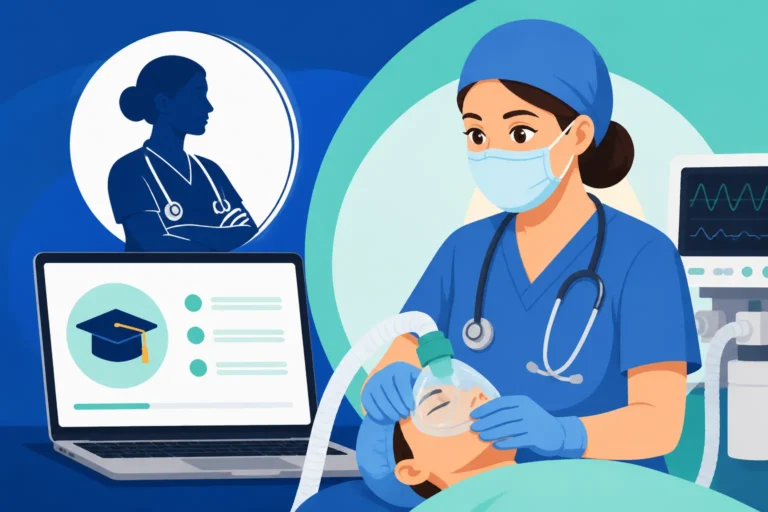
NNPs work primarily in Neonatal Intensive Care Units (NICUs), often caring for infants from birth up to two years of age. Their day-to-day responsibilities are incredibly diverse and require a deep well of specialized knowledge and skills. They might be managing the care of a micro-preemie, stabilizing a baby with congenital anomalies, or providing respiratory support to an infant struggling to breathe. This means performing advanced assessments, diagnosing acute and chronic conditions, and developing treatment plans. They prescribe medications, order and interpret diagnostic tests, and perform complex procedures like intubation, umbilical line insertion, and lumbar punctures.
Beyond the medical procedures, NNPs are vital communicators and educators. They serve as a crucial link between the medical team and the families, often explaining complex medical situations in understandable terms during an incredibly stressful time. They offer emotional support, educate parents on their child's condition, and prepare them for discharge and ongoing care at home. This holistic approach ensures that not only are the infants receiving top-tier medical care, but their families are also supported every step of the way. If you’re considering this path, you’ll want to explore exactly How to Become a Neonatal Nurse Practitioner to understand the full scope.
Why Pursue an Online NNP Program?
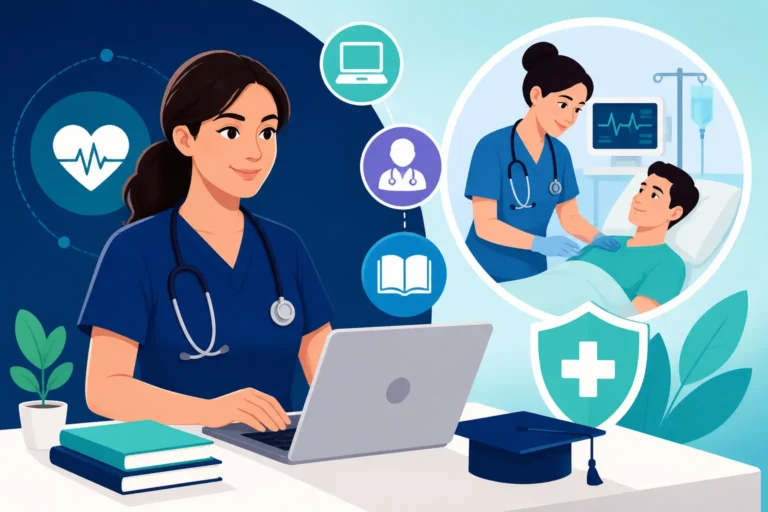
For many experienced registered nurses (RNs) with a Bachelor of Science in Nursing (BSN), the idea of returning to school might seem daunting. The demands of working full-time, managing family responsibilities, and facing the high cost of education can feel like insurmountable barriers. This is precisely where online NNP programs shine. They offer a flexibility that traditional on-campus programs often can't match, allowing nurses to continue working and earning while pursuing their advanced degree. You can attend lectures, complete coursework, and engage with peers and faculty from the comfort of your own home, often on a schedule that fits your life.
This accessibility means you're not limited to programs in your immediate geographic area. You can choose from some of the nation's leading nursing schools, regardless of where you live, opening up a wider range of high-quality options. While the didactic coursework is online, the essential clinical experiences are still hands-on, ensuring you gain the practical skills needed. This blended learning model provides the best of both worlds: academic rigor with personal flexibility, making advanced education a realistic goal for even the busiest working nurses. For a broader perspective on distance learning, check out our guide on Online MSN Programs Complete Guide.
Key Factors in Choosing an Online NNP Program
When you're sifting through the many online NNP programs out there, it's easy to get overwhelmed. It can feel like every program promises the world, but knowing what truly matters will help you find the perfect fit. Focusing on a few core areas will ensure you select a program that's not only reputable but also genuinely prepares you for the realities of NNP practice.
Accreditation Matters: CCNE and ACEN
Let's be real: accreditation might sound like boring bureaucratic jargon, but it is absolutely non-negotiable when choosing any nursing program, especially an online NNP program. In the world of advanced practice nursing, there are two main accrediting bodies recognized by the U.S. Department of Education for nursing education: the Accreditation Commission for Education in Nursing (ACEN) and the Commission on Collegiate Nursing Education (CCNE). If a program isn't accredited by one of these, run, don't walk, in the other direction.
Why is this so important? First, graduating from a non-accredited program can make you ineligible to sit for the national NNP certification exam, which means you can't get licensed and practice. All that hard work for nothing! Second, if you ever decide to pursue further education, like a Doctor of Nursing Practice (DNP), other accredited institutions likely won't accept credits from a non-accredited program. Finally, and crucially, employers (especially the good ones!) often won't hire graduates from unaccredited schools because they know the education might not meet national standards. Verifying accreditation is the absolute first step in your program search. You can learn more about this critical distinction in our article on CCNE vs ACEN Accreditation Explained.
Program Structure and Curriculum
Beyond accreditation, you'll want to dive deep into the actual structure and curriculum of the online NNP programs you're considering. Online doesn't mean "easy" or less comprehensive; it simply means a different delivery method. Look for programs that offer a robust curriculum mirroring that of traditional, on-campus programs. This includes advanced pathophysiology, advanced pharmacology, advanced health assessment, and specialized NNP courses focusing on neonatal development, critical care management, and family-centered care.
Consider how the online format is structured. Is it synchronous, with live virtual classes at set times, or asynchronous, allowing you to complete coursework on your own schedule each week? Most online NNP programs are a blend, offering flexibility for lectures while potentially requiring some mandatory real-time interactions for discussions or simulations. Pay close attention to the clinical component. While the didactic work is online, you will absolutely have in-person clinical rotations. Understand how many MSN Clinical Hours Requirements there are, what types of settings they involve (Level III/IV NICUs are crucial), and how the program helps facilitate these experiences. Some programs might have immersion experiences or on-campus intensives, which are short, mandatory visits to campus for hands-on skills training and simulation labs. These are invaluable and should be viewed as a positive, not a hindrance.
Faculty Expertise and Support
The quality of your instructors can make or break your online learning experience. In an online NNP program, you want to ensure the faculty are not just academic experts but also experienced, currently practicing NNPs or neonatologists. Their real-world experience brings the curriculum to life and ensures you're learning the most current evidence-based practices. They should be accessible, responsive, and genuinely invested in your success.
Beyond the instructors, evaluate the overall student support system. Does the program offer dedicated academic advisors who understand the unique challenges of online students? Are there tutoring services, writing centers, and technical support available? Online learning requires self-discipline, but a strong support network can make all the difference when you hit a challenging course or encounter technical issues. Many top programs also foster strong online communities through discussion boards and virtual study groups, which are great for peer support. Look for reviews or connect with current students to gauge the level of faculty engagement and administrative support.
Clinical Placement Assistance
This is often the biggest headache for online advanced practice nursing students, and it's where many programs either shine or completely fall short. Securing high-quality clinical placements in a NICU environment is challenging, to say the least. Many hospitals, especially Level III and Level IV NICUs, have limited preceptor availability and strict requirements. An online NNP program that leaves you entirely on your own to find clinical sites and preceptors is a major red flag.
The best online NNP programs will have dedicated clinical placement coordinators who actively work to secure preceptors and sites for their students. They will have established relationships with hospitals and clinics across various states and will guide you through the process, often providing a network of approved preceptors. Even with this support, remember that finding preceptors can still be a shared responsibility, and you might need to assist in identifying potential sites. However, a program that offers robust assistance, resources, and established partnerships can significantly reduce your stress and ensure you get the necessary hands-on experience. Asking specific questions about How to Find NP Preceptors during your initial inquiries is critical. Some programs, like those offered by the University of Alabama at Birmingham (UAB) or Vanderbilt University, are known for their strong clinical placement support, though availability can vary.
Top Considerations for Online NNP Programs
Once you've narrowed down your options based on accreditation and curriculum, it's time to get into the nitty-gritty details. These practical considerations can heavily influence your decision and ultimately, your success in an online NNP program.
Admission Requirements and Prerequisites
Before you even think about applying, you need to understand the MSN Admission Requirements for each program. Generally, to be considered for an online NNP program, you'll need an active, unencumbered RN license, often a BSN (though some RN-to-MSN bridge programs exist for ADN-prepared nurses), and a minimum GPA, usually around 3.0 on a 4.0 scale, for your undergraduate work. Many programs also look for significant clinical experience as an RN in a Level III or Level IV NICU. This isn't just a recommendation; it's often a crucial prerequisite. Most reputable programs require at least one or two years of recent, full-time experience in this specialty to ensure you have a foundational understanding of critical neonatal care.
Beyond the academic and experience requirements, you'll likely need to submit letters of recommendation, a personal statement outlining your career goals, and possibly a resume or CV. Some programs might also require a GRE score, though this is becoming less common for MSN programs. Make sure you meticulously check each program's specific requirements. Don't waste your time applying if you don't meet the core criteria. For example, some programs might specifically ask for certification in Neonatal Resuscitation Program (NRP) or Pediatric Advanced Life Support (PALS) as a prerequisite.
Cost, Financial Aid, and Program Length
Let's talk money, because let's face it, advanced education is an investment. The total cost of an online NNP program can vary wildly, from around $30,000 to well over $80,000, depending on the institution, in-state vs. out-of-state tuition, and whether it's a public or private university. Factor in not just tuition, but also fees, textbooks, technology requirements, potential travel for intensives, and certification exam fees. It's easy to overlook these smaller costs, but they add up.
Thankfully, there are many avenues for financial assistance. Explore options like federal student aid, scholarships specifically for nursing students or NNP candidates, and employer tuition reimbursement programs. Many hospitals offer incentives for nurses to pursue advanced degrees, especially in high-demand specialties like neonatology. Don't forget to look into grants, which don't have to be paid back. For a deeper dive into funding your education, check out MSN Financial Aid and Scholarships.
Program length is another critical factor. Most full-time online NNP programs can be completed in two to three years. Part-time options are also usually available, extending the completion time to three to five years. While shorter programs might seem appealing, remember that an NNP curriculum is intense. Rushing through it could compromise your learning and increase stress. Consider MSN Program Length by Specialty and be realistic about what you can handle while balancing other commitments.
State Licensure and Practice Authority
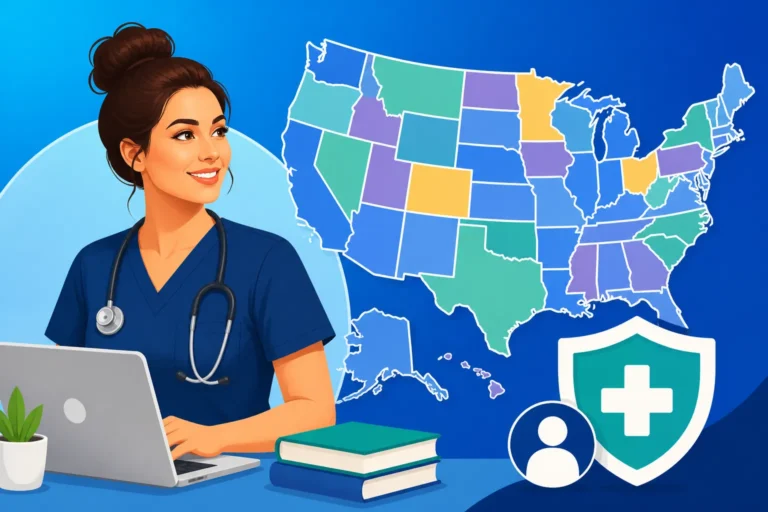
This is a frequently misunderstood, but immensely important, aspect of pursuing an online nursing degree. When you enroll in an online NNP program, especially if the school is located in a different state from where you live, you must verify that the program meets the licensure requirements for your specific state. Nursing licensure is regulated at the state level, and requirements can vary. Some states may have specific stipulations for graduates of out-of-state online programs or different clinical hour minimums.
Before applying, contact your state board of nursing to confirm that the program you're interested in will qualify you for NNP licensure in your state after graduation. This is particularly crucial for clinical placement. While a program might be accredited nationally, if its clinical sites aren't approved by your state board, you could run into problems. Additionally, be aware of the varying NP Prescriptive Authority by State and NP Full Practice Authority States. While this won't impact your schooling directly, it's essential for understanding your future scope of practice in your desired state. Always confirm this information directly with the program's admissions team and your state's Board of Nursing.
Preparing for Your NNP Certification and Career
Completing your online NNP program is a monumental achievement, but it's not the final step. To truly embark on your career as a Neonatal Nurse Practitioner, you'll need to pass your certification exam and continue to grow professionally.
NNP Certification Exams
Once you've graduated from an accredited online NNP program, the next critical step is to pass the national certification exam. For Neonatal Nurse Practitioners, this is typically the Neonatal Nurse Practitioner (NNP-BC) certification offered by the National Certification Corporation (NCC). This exam is rigorous, covering a broad range of topics from neonatal physiology and pathophysiology to advanced pharmacology, developmental care, and professional practice issues.
Preparing for this exam requires dedication and strategic study. Many successful NNP candidates utilize review courses and practice questions to solidify their knowledge. Resources like Uworld, for example, are widely recognized for their comprehensive question banks and detailed rationales, which can be invaluable for pinpointing areas where you need to strengthen your understanding. Think of your certification exam preparation as a final, intensive course that ties all your program learning together. Understanding the structure and content of these exams is key, so reviewing NP Certification Exams Explained can be very helpful.
Career Outlook and Salary Expectations
The demand for Neonatal Nurse Practitioners remains strong, reflecting the critical need for highly skilled providers in NICUs. The Bureau of Labor Statistics projects a significant growth in the employment of nurse practitioners overall, and NNPs are a vital part of this growing workforce. You'll find opportunities in children's hospitals, university medical centers, and community hospitals with NICU facilities.
In terms of compensation, NNPs are among the higher-earning nursing specialties. While salaries can vary based on geographic location, years of experience, and the type of facility, the median annual salary for Nurse Practitioners was robust. For NNPs specifically, you can expect an attractive salary, with experienced NNPs in high-demand areas potentially earning well into six figures. States like California, New York, and Texas, which have large populations and numerous advanced medical facilities, often report higher average salaries. For more detailed information on earning potential, check out Neonatal Nurse Practitioner Salary and Job Outlook. Remember that an MSN degree can lead to a significant increase in earning potential compared to an ADN or BSN alone, making the investment in an NNP program truly Is an MSN Worth It.
Continuing Education and Professional Growth
Becoming an NNP isn't a destination; it's the beginning of a lifelong journey of learning and professional development. The field of neonatology is constantly evolving with new research, technologies, and best practices. To maintain your certification, you'll be required to complete continuing education units (CEUs) regularly. This ensures that your knowledge and skills remain current and evidence-based.
Beyond mandatory CEUs, actively seeking opportunities for professional growth is crucial. This could involve attending conferences, joining professional organizations like the National Association of Neonatal Nurses (NANN) or the National Association of Neonatal Nurse Practitioners (NANNP), participating in research, or pursuing additional certifications in specialized areas such as ECMO or transport. Engaging in these activities not only enhances your practice but also allows you to network with peers, share knowledge, and contribute to the advancement of neonatal nursing. Continuous learning ensures you provide the best possible care for your tiny patients and stay at the forefront of this vital specialty.
Comparing Online Neonatal Nurse Practitioner Programs
To help you visualize the key elements to compare when looking at different online NNP programs, here's a table summarizing the essential criteria. Use this as a checklist when you're researching potential schools.
| Feature | What to Look For | Why It Matters |
|---|---|---|
| Accreditation | CCNE or ACEN accredited | Required for certification, licensure, future education, and employer recognition. |
| Curriculum & Specialization | Comprehensive NNP-specific coursework, advanced core courses, evidence-based practice focus. | Ensures specialized knowledge and skills for NNP practice. |
| Clinical Requirements | Clear number of hours (e.g., 600-1000 hours), Level III/IV NICU focus, diverse experiences. | Meets certification requirements and provides essential hands-on experience in critical care. |
| Clinical Placement Support | Dedicated coordinators, established partnerships, preceptor network, guidance. | Crucial for securing placements, a major challenge for online students. |
| Faculty Expertise | Currently practicing NNPs or neonatologists, accessible, responsive. | Real-world insights, mentorship, and current evidence-based teaching. |
| Program Length & Format | Full-time/part-time options, synchronous/asynchronous mix, manageable course load, on-campus intensives (if applicable). | Flexibility to balance work/life, ensures thorough learning, provides hands-on skill development. |
| Admission Requirements | Realistic GPA, minimum NICU RN experience (e.g., 1-2 years), certifications (NRP). | Ensures you're qualified and prepared for the rigor of the program. |
| Cost & Financial Aid | Transparent tuition & fees, availability of scholarships, grants, and employer reimbursement. | Impacts affordability and return on investment. |
| State Licensure | Program meets your state's NNP licensure requirements. | Absolutely essential for legal practice after graduation. |
| NCLEX Pass Rates | While not directly for NNP, a school's overall NCLEX pass rates for their BSN or general MSN programs can indicate program quality. | A proxy for program quality and how well students are prepared for high-stakes exams. |
| Student Support | Academic advising, technical support, career services, mental health resources. | Crucial for navigating online learning challenges and fostering success. |
| Certification Exam Prep | Integrated review, access to resources (e.g., Uworld practice questions), faculty guidance. | Directly prepares you for passing the NNP-BC exam on the first attempt. |
Disclaimer
Please note that the information provided in this guide is intended for general informational purposes only and does not constitute professional advice. While we strive to offer accurate and up-to-date content, program requirements, costs, and regulations can change frequently. Always verify specific details directly with educational institutions and relevant state boards of nursing. Your individual circumstances may vary, and it is recommended to consult with an academic advisor or career counselor for personalized guidance.