Forensic Nurse Career Path
Many nurses find themselves yearning for a career path that extends beyond the traditional hospital setting, seeking a way to leverage their clinical expertise in a truly impactful and unique way. It's a common frustration to feel pigeonholed into a single role, even when your passion for patient care is immense. If you're a registered nurse looking to blend your compassion with critical thinking and a desire to seek justice for vulnerable populations, the path of a forensic nurse might be exactly what you’ve been searching for. This comprehensive guide will walk you through the fascinating and challenging world of forensic nursing, detailing the steps you need to take to build a fulfilling career in this vital specialization.
What Exactly Does a Forensic Nurse Do?
Forensic nursing is a truly distinct and often misunderstood field. It's not about wearing a detective hat in a crime drama; it's about applying the art and science of nursing to public or legal proceedings. You are the bridge between healthcare and the justice system, caring for individuals who have experienced trauma, violence, or criminal activity, and meticulously documenting your findings to aid in legal investigations. It’s a specialty that demands both a strong clinical foundation and a deep understanding of legal principles.
The Many Hats of a Forensic Nurse
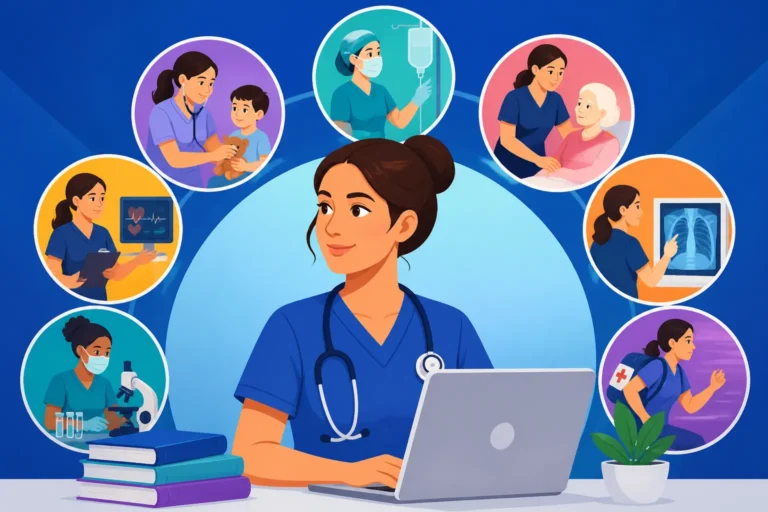
The role of a forensic nurse is incredibly diverse, meaning no two days are ever truly alike. Your primary goal is always patient-centered care, but this care often involves the collection of evidence, detailed documentation, and sometimes even courtroom testimony. For instance, in a hospital setting, a Sexual Assault Nurse Examiner (SANE) is a type of forensic nurse who provides compassionate, trauma-informed care to victims of sexual assault. They conduct specialized forensic exams, meticulously collect DNA evidence, photograph injuries, and provide medical interventions, all while ensuring the patient feels safe and heard during an incredibly vulnerable time.
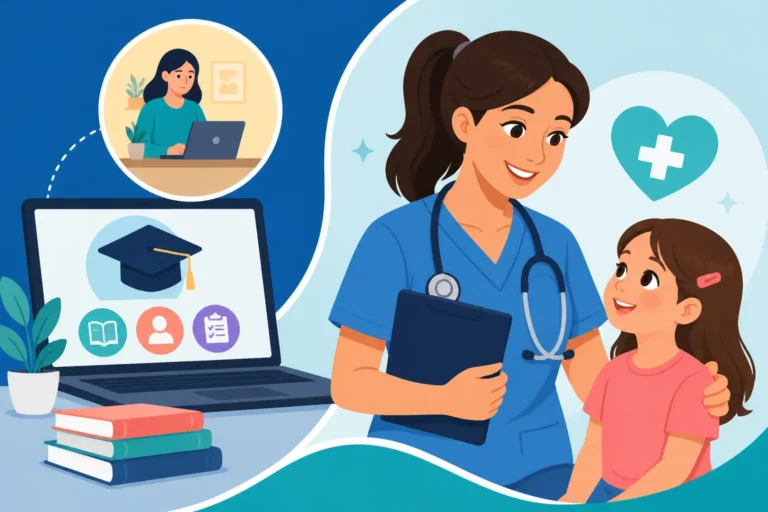
Beyond sexual assault cases, forensic nurses might work with victims of child abuse, domestic violence, or elder abuse, carefully documenting injuries and statements that could be crucial in legal proceedings. You could find yourself working in a medical examiner's office, assisting with death investigations by collecting post-mortem evidence and reviewing medical histories, or even in correctional facilities, providing care to inmates while also identifying signs of abuse or neglect. Some forensic nurses specialize in legal nurse consulting, offering their expert opinion to attorneys on medical cases. It's a field that constantly challenges you to apply your nursing knowledge in new, often critical, contexts.
Essential Skills and Qualities
Thriving as a forensic nurse requires a unique blend of skills and personal attributes. First and foremost, you need to possess exceptional empathetic communication skills. You'll be working with individuals who have experienced profound trauma, and your ability to establish trust, listen actively, and communicate sensitively is paramount. Patients often arrive in a state of shock, fear, or profound grief, and creating a safe, non-judgmental space for them is a core responsibility.
Secondly, meticulous documentation and critical thinking are non-negotiable. Every observation, every collected piece of evidence, every conversation must be recorded with extreme precision, often adhering to strict legal guidelines. This isn't just about charting; it's about building a robust, defensible record that can stand up in court. You need to be able to identify patterns, connect seemingly disparate pieces of information, and form objective conclusions based on clinical findings. This requires a sharp eye for detail and an analytical mind.
Lastly, resilience and self-care are absolutely critical. Witnessing trauma and human suffering on a regular basis can be emotionally taxing. Forensic nurses often deal with sensitive, disturbing cases, and it's essential to have strong coping mechanisms and a support system in place to prevent burnout. Advocacy for your patients, especially those who cannot advocate for themselves, is another foundational quality. You’re not just a healthcare provider; you’re often a voice for justice.
Paving Your Path to Become a Forensic Nurse
Embarking on a career in forensic nursing is a journey that requires specific education, practical experience, and a commitment to specialized training and certification. It's not a path you stumble upon; it's one you intentionally build, layer by layer, with dedication and focus.
Educational Foundations
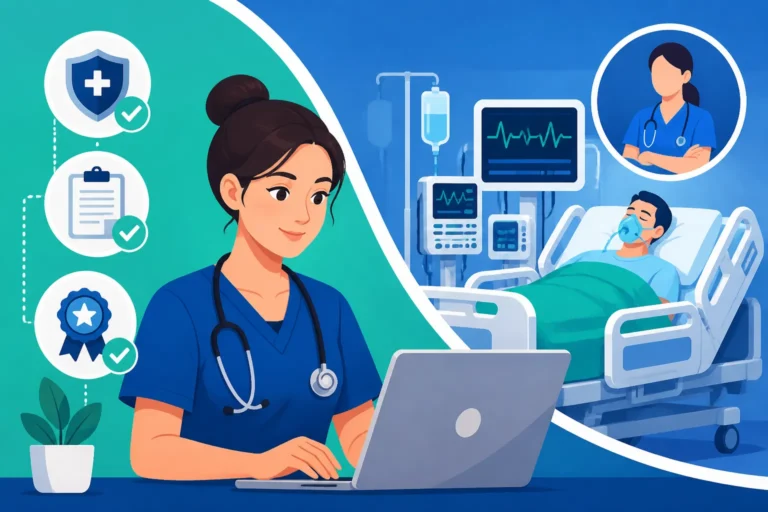
The bedrock of any nursing career, including forensic nursing, begins with obtaining a Registered Nurse (RN) license. This typically means earning either an Associate Degree in Nursing (ADN) or a Bachelor of Science in Nursing (BSN). While an ADN can get your foot in the door as an RN, many employers, particularly those in specialized fields like forensic nursing, increasingly prefer or even require a BSN. A BSN provides a more comprehensive education, covering topics like community health, research, and leadership, which are highly relevant to the diverse roles a forensic nurse might undertake. Understanding the fundamental differences between an ADN and a BSN can help you make an informed decision about your initial education. For those looking to advance, pursuing a BSN is often a crucial step in opening doors to more specialized opportunities and higher-level positions.
Once you have your RN license and preferably a BSN, you'll want to seek out specialized education in forensic nursing. These programs often come in the form of post-baccalaureate certificates, which are ideal for BSN-prepared nurses, or as Master of Science in Nursing (MSN) degrees with a specialization in forensic nursing. Some universities even offer Doctor of Nursing Practice (DNP) programs for nurses aiming for leadership, research, or advanced clinical roles in the field. These specialized programs delve deep into topics like forensic science, legal and ethical considerations in healthcare, trauma-informed care, evidence collection and preservation, and courtroom procedures. You’ll learn how to meticulously document findings, understand legal terminology, and even prepare for expert witness testimony. These specialized curricula are designed to equip you with the unique knowledge base that traditional nursing programs might not cover in depth.
Gaining Crucial Experience
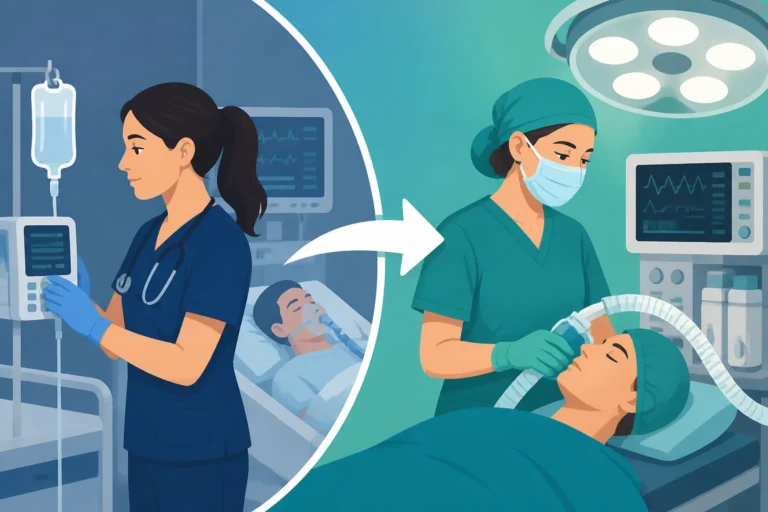
While specialized education is vital, practical experience as an RN is equally important. Most forensic nursing roles, especially SANE positions, prefer candidates with at least two years of experience in areas where you've honed your assessment skills, critical thinking, and ability to handle high-stress situations. Emergency room (ER) nursing, for example, provides invaluable experience in trauma care, quick assessment, and interacting with law enforcement and victims of violence. Similarly, working in an intensive care unit (ICU) can equip you with strong critical care skills, while psychiatric nursing can enhance your ability to communicate effectively with individuals experiencing emotional distress or mental health challenges. These areas build the foundational resilience and clinical acumen necessary for forensic nursing. Exploring how to become an emergency nurse or understanding the pathway to becoming a critical care nurse can offer insight into gaining this crucial experience.
Beyond general nursing experience, look for opportunities to gain specific exposure to forensic work. Volunteer at crisis centers or domestic violence shelters. Shadow a SANE nurse or a legal nurse consultant if possible. The most direct path to gaining forensic experience is often through a Sexual Assault Nurse Examiner (SANE) program. These programs typically involve extensive didactic training (classroom learning) combined with clinical preceptorships, where you learn hands-on forensic evidence collection, photography, and patient care protocols for sexual assault victims. This training is rigorous and prepares you for the complexities of working at the intersection of healthcare and the legal system. Many hospitals with SANE programs will offer this training to their nurses, or you can seek out programs offered by academic institutions or forensic nursing organizations.
Certifications and Professional Development
In the highly specialized field of forensic nursing, certifications are not just resume builders; they are essential credentials that demonstrate your expertise and commitment to the profession. The primary certifications for forensic nurses are the Sexual Assault Nurse Examiner-Adult/Adolescent (SANE-A) and Sexual Assault Nurse Examiner-Pediatric (SANE-P) offered by the Commission for Forensic Nursing Certification (CFNC). Earning these certifications requires meeting specific eligibility criteria, including an active RN license, a certain number of clinical hours in forensic nursing, and passing a comprehensive exam. These certifications validate your specialized knowledge and skills in providing care and evidence collection for victims of sexual assault.
| Certification | Focus Area | Eligibility Highlights | Key Competencies |
|---|---|---|---|
| SANE-A | Adults & Adolescents (13+ years) | Active RN, 2 years clinical experience, specific SANE training hours, minimum forensic clinical hours. | Trauma-informed care, forensic evidence collection, injury identification, legal documentation, expert testimony for adult/adolescent sexual assault. |
| SANE-P | Pediatrics (Birth to 12 years) | Active RN, 2 years clinical experience, specific SANE training hours, minimum forensic clinical hours. | Developmentally appropriate care, non-accidental trauma identification, child interviewing techniques, evidence collection for child sexual assault/abuse. |
Beyond SANE certifications, nurses may pursue other credentials relevant to specific forensic roles, such as the Legal Nurse Consultant Certified (LNCC) for those working in legal settings, or certifications in trauma nursing (TNCC) or emergency nursing (CEN) which further enhance your skill set in acute care and injury assessment. Continuously engaging in professional development is key. This includes attending conferences, workshops, and webinars focused on forensic science, legal updates, and trauma care. Joining professional organizations like the International Association of Forensic Nurses (IAFN) provides invaluable networking opportunities, access to resources, and keeps you abreast of the latest advancements and best practices in the field. These ongoing efforts are crucial for maintaining competency and advancing your career. Learning about the different types of nursing certifications by specialty can help you identify other valuable credentials that might complement your forensic nursing career.
Career Prospects and Impact
The career path of a forensic nurse is not only intellectually stimulating but also profoundly rewarding, offering opportunities to make a tangible difference in the lives of individuals and the broader justice system. It's a field with growing recognition and demand, as the need for specialized medical-legal expertise continues to expand.
Where Forensic Nurses Work and What They Earn
Forensic nurses are employed in a variety of settings, reflecting the diverse applications of their specialized skills. Hospitals remain a primary employer, particularly in emergency departments and designated sexual assault response centers where SANE nurses provide immediate care. Medical examiners' and coroners' offices also hire forensic nurses to assist with death investigations, providing expertise in evidence collection and scene interpretation. Law enforcement agencies, from local police departments to federal bureaus, increasingly recognize the value of having nurses with forensic training on their teams to assist with investigations and victim services.
Correctional facilities are another significant area of employment, where forensic nurses provide healthcare to incarcerated individuals while also identifying potential cases of abuse, neglect, or suspicious injuries. Furthermore, forensic nurses can carve out roles in community crisis centers, public health departments, and even private practice, offering services as legal nurse consultants to law firms and insurance companies. This wide range of settings means you have options to tailor your career to your specific interests and passions within the forensic nursing umbrella.
Regarding salary, the earnings of a forensic nurse can vary significantly based on location, years of experience, educational attainment, and specific role. Generally, forensic nurses, especially those with advanced degrees and certifications, tend to earn competitive salaries. According to recent data, a registered nurse in the United States earns an average of approximately $86,000 per year. Forensic nurses, given their specialized training and often challenging work, can earn salaries that are at or above this average, particularly in roles requiring advanced certification or an MSN degree. For instance, a SANE nurse in a major metropolitan hospital might earn more than a general bedside nurse due to their specialized skills and on-call demands. Those who transition into roles like legal nurse consultants or educators in forensic nursing programs can see their earning potential increase further. Understanding how nursing degrees and salaries are explained can provide a broader context for potential earnings in this specialized field.
Making a Difference: The Rewards of Forensic Nursing
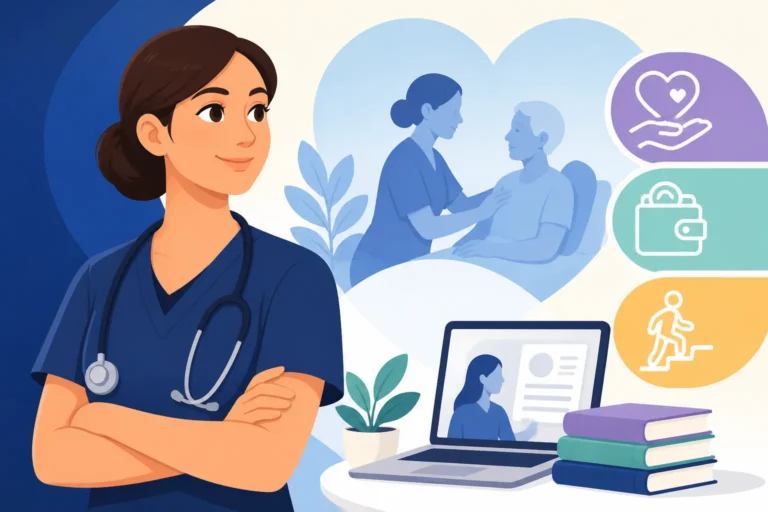
The true reward of forensic nursing often isn't measured in dollars, but in the profound impact you have on individuals and society. Imagine being the first point of contact for a sexual assault survivor, offering not just medical care but also emotional support and a clear, compassionate path forward. You are often the calm in their storm, ensuring their physical well-being while meticulously preserving the evidence that could lead to justice. Your careful documentation and objective observations can be the key that helps a prosecutor build a strong case, holding perpetrators accountable and preventing future harm.
Beyond individual cases, forensic nurses contribute significantly to the integrity of the legal system. As expert witnesses, your clear, unbiased testimony based on scientific evidence can be pivotal in a court case, educating juries and judges on medical facts and their implications. You help ensure that justice is informed by sound medical principles. The work is challenging, emotionally demanding, and often intense, but the knowledge that you are providing a voice for the voiceless, advocating for the vulnerable, and helping to mend broken lives is an unparalleled source of job satisfaction. This is one of the highest-paying nursing careers in terms of emotional and ethical fulfillment.
Advancing Your Forensic Nursing Career
For those looking to deepen their expertise and broaden their influence, the forensic nursing career path offers several avenues for advancement. Many forensic nurses choose to pursue advanced degrees, such as a Master of Science in Nursing (MSN) with a specialization in forensic nursing, or even a Doctor of Nursing Practice (DNP). An MSN can open doors to roles in leadership, education, or research within forensic settings. For example, an MSN-prepared forensic nurse might become a program coordinator for a hospital's SANE team, lead a forensic nursing department, or teach future forensic nurses at a university. Online MSN programs offer flexible options for working nurses to pursue these advanced degrees.
Another significant career advancement is becoming a Legal Nurse Consultant. These professionals apply their extensive nursing knowledge to legal cases, reviewing medical records, identifying deviations from standards of care, and providing expert opinions to attorneys. This role can be incredibly lucrative and intellectually stimulating, allowing you to work independently or with legal firms. Learning how to become a legal nurse consultant can guide you through this specific specialization. Some forensic nurses also pursue pathways to become nurse practitioners with a forensic focus, though these roles are less common and often blend a primary NP specialty (like Family Nurse Practitioner) with forensic expertise, allowing them to provide comprehensive primary care while also having the skills to identify and respond to forensic issues. The field is constantly evolving, and continuing education, active participation in professional organizations, and a commitment to lifelong learning will ensure a dynamic and impactful career.
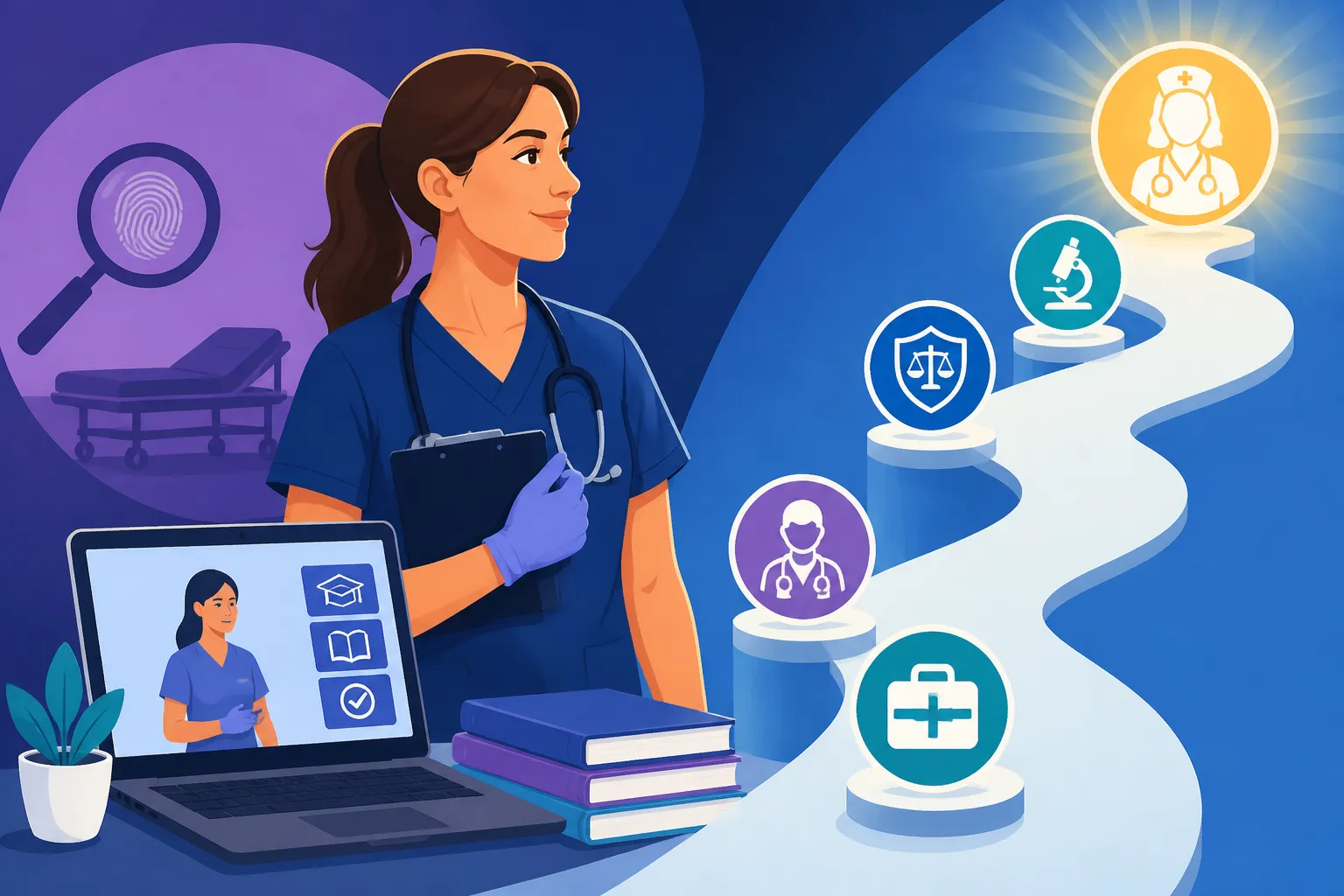
Forensic Nurse Career Path: Key Steps
| Step | Description | Estimated Time/Requirement |
|---|---|---|
| 1. Become a Registered Nurse (RN) | Obtain an ADN or BSN degree and pass the NCLEX-RN exam. A BSN is highly recommended for this specialty. | 2-4 years (ADN) / 4 years (BSN) |
| 2. Gain Clinical Experience | Work as an RN, ideally in acute care settings like ER, ICU, or mental health, to build strong assessment and critical thinking skills. | 2-5 years |
| 3. Pursue Specialized Education | Complete a post-baccalaureate certificate or an MSN/DNP with a focus on forensic nursing. This includes specific coursework in forensic science, legal aspects, and trauma care. | 1-3 years (certificate) / 2-4 years (MSN/DNP) |
| 4. Complete SANE Training (if applicable) | Undergo specialized didactic and clinical training to become a Sexual Assault Nurse Examiner. | Varies, typically 40+ hours didactic + preceptorship |
| 5. Obtain Certifications | Earn relevant certifications like SANE-A, SANE-P (through CFNC), or Legal Nurse Consultant Certified (LNCC). | Requires meeting clinical hour criteria and passing an exam. |
| 6. Seek Employment | Apply for positions in hospitals (SANE units), medical examiner offices, law enforcement agencies, correctional facilities, or legal firms. | Ongoing |
| 7. Engage in Professional Development | Join organizations like IAFN, attend conferences, and pursue continuing education to stay current and advance your expertise. | Ongoing |
Disclaimer
The information provided in this article is for general informational purposes only and does not constitute professional medical, legal, or educational advice. While we strive to provide accurate and up-to-date content, nursing education requirements, career paths, and salary expectations can vary significantly by location, institution, and individual circumstances. Always consult with academic advisors, nursing board officials, and financial aid experts for personalized guidance regarding your specific situation.