How to Survive an Accelerated BSN
Embarking on an Accelerated BSN (ABSN) program is a brave and exciting step, but let's be real: it's also incredibly demanding. Many nurses and aspiring nurses find themselves overwhelmed by the breakneck pace, the constant flow of information, and the sheer volume of clinical hours, often leaving them wondering how they'll make it to graduation day. This guide is here to walk you through the trenches, offering practical, empathetic advice on how to not just survive, but truly thrive in your Accelerated BSN journey.
Understanding the Intensity of an ABSN Program
If you're considering an ABSN or are already knee-deep in it, you've probably heard it's intense. But what does that really mean? It means a pace unlike anything you've likely experienced in prior academic endeavors. These programs are designed to condense a traditional four-year nursing curriculum into a much shorter timeframe, typically 12 to 18 months, for individuals who already hold a bachelor's degree in another field. This condensed format is why many find these programs challenging, but also incredibly rewarding. If you're wondering, "Is an Accelerated BSN Hard?", the answer is a resounding yes, but it's manageable with the right strategies.
The Pace and Volume of Coursework
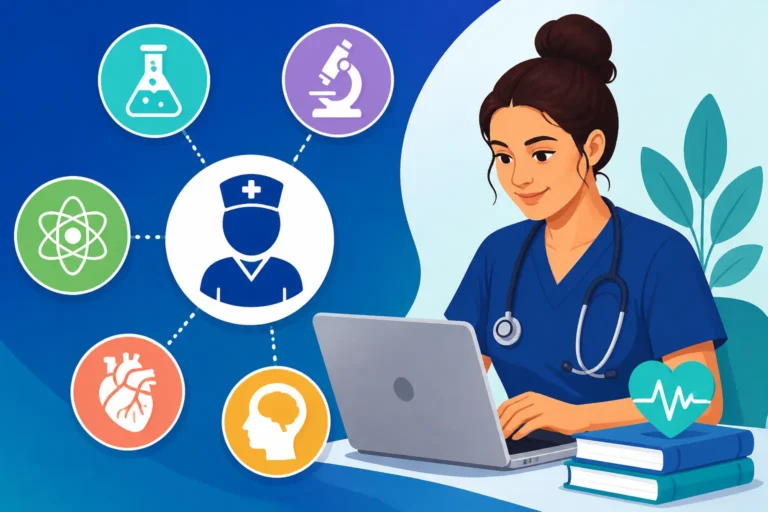
Imagine taking five or six demanding science and nursing courses concurrently, each with lectures, labs, and assignments, all compressed into a single semester. That's often the reality of an ABSN. You're not just learning new concepts; you're building upon them at an exponential rate. One week you might be mastering pathophysiology, the next delving into pharmacology, and simultaneously grasping health assessment techniques. There's little time to truly digest one topic before the next one is introduced, which can be a significant source of stress. It feels like you're constantly playing catch-up, and the "firehose" analogy for information delivery is incredibly apt.
For example, a typical week might involve 15-20 hours of lectures, plus an equal amount, if not more, dedicated to self-study, group projects, and practical skills lab time. Topics range from foundational sciences like microbiology and anatomy & physiology to complex nursing theories, research methods, and public health. Every module builds on the last, meaning falling behind even slightly can create a ripple effect that's difficult to recover from. Understanding the full scope of the Accelerated BSN Course Load Explained can help you mentally prepare for this sprint.
The Demands of Clinical Rotations
Beyond the classroom, clinical rotations are the heart of nursing education, and in an ABSN, they hit you fast and hard. These aren't just shadowing experiences; you're actively participating in patient care under supervision, often for 8-12 hours per shift, multiple days a week. You'll be expected to apply theoretical knowledge to real-life situations, perform skills you just learned in the lab, and critically think on your feet, all while navigating the complexities of healthcare environments.
From medical-surgical floors to pediatrics, obstetrics, psychiatric care, and community health, you'll rotate through various specialties, each with its own patient population, procedures, and learning objectives. These experiences are invaluable, but they add another layer of exhaustion. Waking up at 4 AM for a clinical shift, then heading straight to class or home to study, becomes your new normal. Many students find the emotional and physical toll of clinicals to be particularly draining, especially when dealing with challenging patient cases or the fast-paced nature of emergency settings. The requirements can be extensive; for a deeper dive, check out Accelerated BSN Clinical Requirements.
The Mental and Emotional Toll
It's not just your brain that gets a workout; your mental and emotional well-being will be thoroughly tested. The constant pressure to perform well, the fear of making mistakes in clinicals, the lack of sleep, and the often-isolated feeling can lead to significant stress, anxiety, and even symptoms of depression. Many students experience "imposter syndrome," feeling like they don't belong or aren't capable enough, despite clear evidence of their academic success.
This is a journey that pushes you to your limits, and it's okay to acknowledge that it's tough. You might find yourself questioning your decision, feeling burnt out, or struggling to maintain personal relationships. The key is recognizing these feelings and proactively developing coping mechanisms. Remember, you're not alone in these struggles; nearly every ABSN student experiences them to some degree. Allowing yourself grace and seeking support when needed are crucial aspects of surviving this intense period.
Strategies for Academic Success
Navigating the rigorous academic landscape of an Accelerated BSN requires more than just showing up; it demands a strategic approach to learning. You're not just memorizing facts, but learning to critically think like a nurse. This means developing effective study habits, knowing how to leverage available resources, and preparing for exams in a way that truly tests your understanding and application of nursing concepts.
Effective Study Habits and Techniques
Gone are the days of passive reading and last-minute cramming. An ABSN demands active, consistent engagement with the material. Start by understanding your personal learning style. Are you a visual learner who benefits from diagrams and flashcards? An auditory learner who prefers listening to lectures and discussions? Or a kinesthetic learner who learns best by doing, like practicing skills or drawing out physiological processes? Tailoring your study methods to your learning style can significantly improve retention.
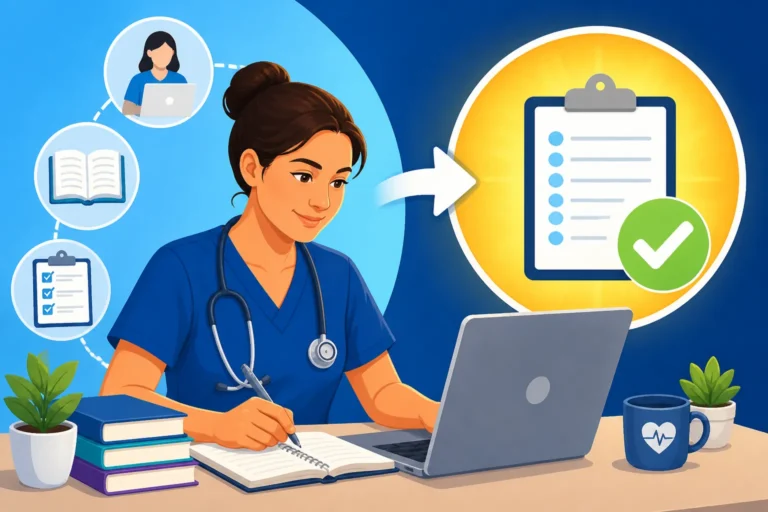
Many ABSN students find success with techniques like spaced repetition, where you revisit material at increasing intervals to strengthen memory recall. Creating concept maps helps connect complex ideas across different subjects, illustrating how pathophysiology, pharmacology, and nursing interventions are intertwined for a specific condition. Active recall, such as quizzing yourself or explaining concepts aloud to a study partner, is far more effective than simply re-reading notes. Consider making your own practice questions or utilizing resources that offer robust question banks, like Uworld, early and often. For a more detailed look at effective approaches, explore our guide on Accelerated BSN Study Tips.
Utilizing Academic Resources
Your program isn't designed for you to fail; it's designed to push you. And with that push comes a wealth of resources you absolutely must tap into. Don't be too proud or too busy to seek help. This includes academic advisors, who can help you understand your curriculum, navigate challenges, and even provide guidance on your career path. Many schools offer tutoring services, especially for foundational sciences like anatomy, physiology, and pharmacology, which are critical building blocks for nursing.
Your professors and clinical instructors are invaluable resources. They're not just there to lecture; they're experts eager to help you succeed. Attend their office hours, ask questions, and seek clarification on difficult concepts or clinical situations. Joining study groups with your peers can also be incredibly beneficial. You can share insights, explain concepts to each other (a powerful learning tool!), and motivate one another through tough times. These connections can also form the basis of a strong professional network after graduation.
Mastering Exam Preparation
ABSN exams are rarely about rote memorization; they're about critical thinking, clinical judgment, and applying nursing processes. You'll encounter many "select all that apply" (SATA) questions, scenario-based questions, and priority-setting questions that mirror what you'll face on the NCLEX. This means your study strategy needs to shift from simply knowing information to understanding how to use it in a clinical context.
Practice questions are your best friend. Seriously. The more practice questions you do, the better you'll become at dissecting questions, identifying keywords, eliminating incorrect answers, and choosing the most correct nursing action. Platforms like Uworld are specifically designed to help you prepare for these types of questions, often providing detailed rationales for both correct and incorrect answers, which is crucial for learning. Start practicing early, not just a week before your exams. Review your incorrect answers thoroughly to understand why you got them wrong and what knowledge gaps you need to fill. This continuous practice will not only help you pass your program exams but also prepare you for the ultimate hurdle: the NCLEX.
Mastering Time Management
Time in an Accelerated BSN program is a precious commodity, and often, it feels like there's never enough of it. Learning to effectively manage your schedule isn't just about fitting everything in; it's about optimizing your productivity, preventing burnout, and ensuring you still have moments for yourself. This is a skill that will serve you well far beyond graduation, as nursing itself demands excellent time management.
Creating a Realistic Schedule
The first step to mastering time management is acknowledging that you can't do everything. Sit down with your program's syllabus, clinical schedule, and personal commitments, and map them out. Use a planner, a digital calendar, or a whiteboard – whatever works best for you. Block out all your non-negotiable times: classes, labs, clinical shifts, study group meetings. Then, realistically estimate how much study time each course will require. It's often more than you think, especially in the beginning.
Be honest with yourself about your capacity. Don't overschedule every waking moment. Build in buffer times between tasks and allocate specific blocks for different subjects. For instance, dedicate Tuesday mornings to pharmacology review and Wednesday afternoons to concept mapping for your medical-surgical course. Regularly review and adjust your schedule as needed; flexibility is key when unexpected assignments or clinical challenges arise. Think of your schedule as a living document, not a rigid prison.
Balancing Study, Clinicals, and Life
The balancing act is perhaps the most challenging aspect of an ABSN. You're trying to absorb a semester's worth of material in a few weeks, perform critical patient care in clinicals, and still maintain some semblance of a personal life. It's tough. Many students find that their social lives take a significant hit during the program, and that's often an unavoidable reality. However, completely isolating yourself can be detrimental to your mental health.
The trick is to be intentional about your "life" activities. Instead of aimlessly scrolling through social media, schedule a specific time for a short walk, a coffee with a friend, or an episode of your favorite show. Small, consistent breaks are more effective than trying to push through until complete exhaustion. If you have family commitments, communicate openly with your loved ones about your schedule and limitations. Recruit their support for chores, meal prep, or childcare if possible. While working during an ABSN is extremely challenging, if you absolutely must, consider if a part-time role or PRN shifts can be managed without compromising your studies or health. Many programs strongly advise against working more than minimal hours, and for good reason. For a deeper understanding of this dynamic, read about if you Can You Work During an Accelerated BSN.
Avoiding Burnout with Structured Breaks
Burnout is a real and pervasive threat in an ABSN. The constant demand, lack of sleep, and high stakes can quickly lead to physical and mental exhaustion. Structured breaks are not a luxury; they are a necessity for long-term survival and success. These aren't just moments of procrastination; they are deliberate times carved out to recharge.
Incorporate short, frequent breaks into your study sessions. The Pomodoro Technique, for example, involves 25 minutes of focused work followed by a 5-minute break. After several cycles, take a longer 15-30 minute break. During these breaks, step away from your study materials. Stretch, grab a snack, listen to music, or simply stare out the window. On a larger scale, try to schedule at least one half-day or even a full day each week where you completely disconnect from nursing school. Use this time for hobbies, exercise, or spending quality time with loved ones. It might feel counterintuitive to take time off when there's so much to do, but these periods of rest are what allow your brain to consolidate information and prevent mental fatigue from setting in.
Prioritizing Self-Care and Well-being
In the whirlwind of an Accelerated BSN, self-care often feels like the first thing to go out the window. Yet, neglecting your own well-being is a surefire path to burnout and decreased performance. Think of self-care not as a luxury, but as essential maintenance for your most important tool: yourself. You can't pour from an empty cup, especially when you're training to care for others.
Physical Health: Sleep, Nutrition, Exercise
These three pillars of physical health become even more critical during an intense program. Sleep deprivation is rampant among nursing students, but chronic lack of sleep impairs cognitive function, memory, and your ability to make sound clinical judgments. Aim for 7-8 hours of sleep per night, even if it means sacrificing some study time. Your brain processes and consolidates information during sleep, making it a crucial component of learning.
Nutrition fuels your brain and body. While it's tempting to rely on caffeine and processed snacks, try to incorporate balanced meals with plenty of fruits, vegetables, and lean protein. Meal prepping on a day off can save you valuable time and ensure you have healthy options readily available during busy weeks. Similarly, exercise might seem impossible to fit in, but even 20-30 minutes of moderate activity a few times a week can significantly boost your energy, reduce stress, and improve your mood. Whether it's a brisk walk, a quick workout video, or some stretching, make movement a non-negotiable part of your routine.
Mental and Emotional Resilience
Developing mental and emotional resilience is key to weathering the storms of an ABSN. This means cultivating a mindset that acknowledges challenges without being overwhelmed by them. Practice positive self-talk and challenge negative thoughts that might creep in, like "I'm not smart enough" or "I'm going to fail." Remind yourself of your motivations for pursuing nursing and all the hard work you've already put in.
Mindfulness practices, such as meditation or deep breathing exercises, can help you stay grounded and manage anxiety. Just a few minutes a day can make a difference in your ability to focus and respond to stressful situations rather than reacting impulsively. Recognizing that setbacks are opportunities for learning, rather than failures, is also a crucial aspect of resilience. You will make mistakes, both in theory and in practice. The goal is to learn from them and move forward with renewed determination.
Stress Reduction Techniques
Stress is an inevitable part of an ABSN, but how you manage it determines its impact. Beyond sleep, nutrition, and exercise, explore other stress reduction techniques that resonate with you. This could be anything from journaling to listening to calming music, spending time in nature, or engaging in a hobby that has nothing to do with nursing.
Consider setting boundaries with your academic life. While it might feel like you should be studying 24/7, overdoing it is counterproductive. Designate "off-limits" times where you consciously step away from schoolwork. This could be evenings with family, weekend afternoons, or even just an hour before bed. Learning to say "no" to extra commitments, even if they seem important, is also a vital skill during this intense period. Remember, your goal is to emerge as a competent, compassionate nurse, and that includes being a nurse who knows how to care for themselves.
Leveraging Your Support System
No one gets through an Accelerated BSN entirely on their own. This journey is too demanding, too emotionally taxing, and too academically rigorous to attempt in isolation. Building and actively utilizing a robust support system is not a sign of weakness; it's a sign of strategic intelligence and self-awareness. Your support network will be your lifeline, helping you stay afloat when you feel like you're drowning.
Connecting with Peers and Mentors
Your fellow ABSN students are arguably your most valuable support system. They are going through the exact same experience, facing the same challenges, and feeling the same pressures. Form study groups, share notes, quiz each other, and most importantly, commiserate. Knowing you're not alone in your struggles can be incredibly validating and motivating. These relationships often develop into lifelong friendships and professional connections.
Beyond your immediate classmates, seek out mentors. This could be a professor, a clinical instructor you admire, or an experienced nurse you meet during your rotations. Mentors can offer invaluable advice, share their own experiences, and provide guidance on everything from study strategies to career planning. They can provide a broader perspective and remind you of the light at the end of the tunnel. Many programs offer mentorship initiatives, or you can simply approach someone whose professional journey inspires you. For example, understanding how others navigated their path through various nursing roles can provide immense clarity and motivation. For those considering what comes next, exploring topics like the RN to BSN to MSN Bridge Explained can offer a glimpse into advanced nursing pathways.
Communicating with Family and Friends
It's easy for family and friends to misunderstand the intensity of an ABSN program. They might wonder why you're always studying, why you can't join social gatherings, or why you seem constantly exhausted. Open and honest communication is crucial to prevent misunderstandings and garner their patience and support. Explain the demands of your schedule, the emotional toll of clinicals, and the importance of dedicated study time.
Help them understand how they can support you. This might mean meal prepping, running errands, providing childcare, or simply offering a listening ear without judgment. Schedule specific, limited times for social interaction rather than trying to fit it in spontaneously. A simple 30-minute phone call or a scheduled family dinner once a week can do wonders for your mental health. Most importantly, don't feel guilty for having less time; they'll understand that this is a temporary, intense period that will ultimately lead to a rewarding career. Those pursuing an Online RN to BSN Programs: Complete Guide also face similar needs for family support.
Seeking Professional Help When Needed
Sometimes, the stress and emotional toll can become too much to handle on your own or even with the support of friends and family. There is absolutely no shame in seeking professional help. Many universities offer counseling services specifically for students, which can be a safe and confidential space to process your feelings, develop coping strategies, and address symptoms of anxiety or depression.
Identifying the signs that you might need professional help is important: persistent feelings of sadness or hopelessness, overwhelming anxiety, panic attacks, significant changes in appetite or sleep patterns, loss of interest in activities you once enjoyed, or thoughts of self-harm. Reach out to your school's counseling center, a trusted professor, or your primary care physician. Taking care of your mental health is just as important as excelling academically, and it demonstrates the kind of self-awareness and proactive care that makes an excellent nurse. Recognizing these challenges and getting help early can prevent more severe issues from developing, allowing you to successfully complete your program.
Preparing for Post-Graduation Success
The finish line of your Accelerated BSN might seem far off, but laying the groundwork for your post-graduation success during your program is a strategic move. This isn't just about passing your classes; it's about seamlessly transitioning into your professional nursing career, from mastering the NCLEX to landing your first job. Thinking ahead reduces stress and positions you for success even before you toss your cap.
NCLEX Preparation During Your Program
The NCLEX-RN is the ultimate hurdle for all nursing graduates, and your ABSN program is essentially one long preparation for it. However, relying solely on your coursework isn't always enough. Proactive and targeted NCLEX preparation throughout your program is critical. As mentioned earlier, utilizing high-quality NCLEX-style practice questions from resources like Uworld from early on can make a huge difference. These platforms often mimic the actual exam format and content distribution, helping you get accustomed to the testing environment.
Don't wait until after graduation to start serious NCLEX prep. Integrate it into your study routine for individual courses. When you study for a pharmacology exam, for example, practice NCLEX-style pharmacology questions. This approach helps reinforce learning and builds your test-taking stamina. Pay close attention to your program's NCLEX preparation resources and advising; many schools offer dedicated review courses, workshops, or even require exit exams designed to assess your readiness. Understanding your program's Accelerated BSN NCLEX Pass Rates can also give you insight into the effectiveness of their curriculum and support.
Job Search and Interview Skills
The job search process can be daunting, but an Accelerated BSN often makes you a highly desirable candidate. Many hospitals and healthcare systems actively recruit ABSN graduates due to their prior academic and professional experience. Start networking early, perhaps during your clinical rotations. Impress your clinical instructors and the staff nurses you work with; they can be excellent references and even job leads.
Begin researching potential employers and nursing specialties that interest you well before graduation. Update your resume and LinkedIn profile, highlighting your prior bachelor's degree, your accelerated nursing education, and any relevant clinical experiences or leadership roles you've taken on during your program. Practice your interview skills, focusing on how to articulate your strengths, discuss your clinical experiences, and demonstrate your critical thinking abilities. Attend career fairs, connect with recruiters, and don't be afraid to apply for new graduate residency programs, which are specifically designed to support new RNs in their transition to practice. For those coming from a different background, exploring Accelerated BSN for Career Changers can offer specific insights into leveraging your unique past experiences.
Transitioning from Student to RN
The transition from student nurse to licensed registered nurse is a significant leap, often referred to as "reality shock." No matter how well-prepared you are, the responsibility of being an independent RN is immense. Be kind to yourself during this period. It's normal to feel overwhelmed, anxious, and even less competent than you felt as a student.
Seek out new graduate residency programs or facilities that offer robust orientation and mentorship programs. These structured environments provide crucial support, allowing you to continue learning and building confidence with a safety net. Continue to ask questions, even if you feel silly doing so. Lean on experienced nurses and your new colleagues for guidance. Embrace lifelong learning; nursing is a profession that constantly evolves. Remember that your ABSN prepared you with the foundational knowledge and critical thinking skills; the rest comes with experience, mentorship, and a commitment to continuous professional development. You've survived an intense program; you have the resilience and dedication to thrive as a nurse.
Disclaimer
The information provided in this guide is intended for general informational purposes only and does not constitute professional advice. While we strive to offer accurate and up-to-date content, nursing education and career paths are subject to change. Always consult with academic advisors, program coordinators, and professional counselors for personalized guidance regarding your specific situation and educational journey.