Is the Drexel RN to BSN Program Worth It
As a working RN, the thought of going back to school for your BSN can feel daunting. You're already juggling demanding shifts, providing exceptional patient care, and somehow trying to maintain a semblance of a personal life. When you start exploring online RN to BSN programs, a big name like Drexel University naturally stands out, but it also raises a crucial question: Is the Drexel RN to BSN program truly worth the significant investment of your precious time, energy, and hard-earned money? This comprehensive guide will meticulously break down what Drexel offers, giving you the detailed insights you need to confidently decide if it aligns with your professional goals and personal circumstances.
Understanding the Drexel Online RN to BSN Program Structure
Drexel University has a long-standing reputation in education, and their online RN to BSN program is designed with the working nurse in mind. It's not just about getting a degree; it's about building on your existing ADN or diploma education to enhance your critical thinking, leadership skills, and understanding of evidence-based practice. Many nurses feel a push to earn their BSN due to evolving hospital requirements, often tied to initiatives like Magnet Status and the BSN Requirement, or simply a desire for career advancement and a deeper understanding of nursing theory.
Program Format and Flexibility for Busy Nurses
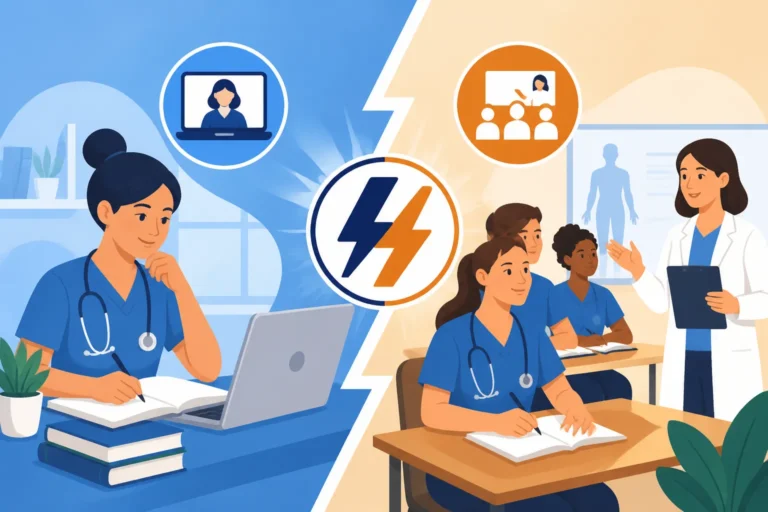
One of the most appealing aspects of an online program, especially for a university like Drexel, is its inherent flexibility. You're not tied to rigid class schedules or commuting to a physical campus after a grueling 12-hour shift. Drexel's online platform allows you to access course materials, participate in discussions, and complete assignments at times that fit your erratic nursing schedule. This asynchronous format is a lifesaver for nurses who might work rotating shifts, nights, or weekends. Imagine being able to complete your readings during a quiet hour at home, or submit an assignment during your lunch break, rather than stressing about being in a classroom at a specific time. This kind of flexibility is crucial for anyone trying to balance work and an RN to BSN.
However, "flexible" doesn't mean "easy." While you control when you study, the coursework is rigorous. You'll still have deadlines, group projects, and comprehensive exams that demand significant dedication. It’s important to understand that while online learning offers convenience, it requires a high degree of self-discipline and time management. Many students find that dedicating specific blocks of time each week, much like they would for a traditional class, helps maintain momentum and prevents falling behind.
Accreditation and Program Quality
When investing in an education, especially in healthcare, accreditation is non-negotiable. Drexel University's College of Nursing and Health Professions, including its RN to BSN program, is accredited by the Commission on Collegiate Nursing Education (CCNE). This is a gold standard in nursing education, ensuring that the curriculum meets rigorous national standards and prepares graduates for competent practice. You might hear about other accreditation bodies, and understanding the difference between CCNE vs ACEN Accreditation Explained is important, but for a BSN, CCNE is highly regarded.
Choosing an accredited program is vital for several reasons. First, it ensures the quality of your education. You're learning from a curriculum that has been vetted and proven to provide a solid foundation in professional nursing. Second, accreditation is often a requirement for employers, especially Magnet-recognized hospitals, when considering candidates for nursing positions or for tuition reimbursement programs. Third, if you ever decide to pursue further education, like an MSN or DNP, most reputable graduate programs will only accept applicants from CCNE or ACEN accredited undergraduate programs.
Evaluating the Financial Commitment and Support
Let’s be honest, going back to school isn't cheap, and the cost of an RN to BSN program is a major factor for most nurses. Drexel, as a private university, generally has a higher tuition rate compared to many public state university options. This reality can be a significant hurdle, but it's essential to look beyond the sticker price and consider the overall value and available support.
Tuition Costs and Hidden Fees
The per-credit hour cost for an online RN to BSN at a private institution like Drexel can range significantly, and it's always wise to check their most current tuition schedule directly. What many prospective students forget to factor in are the "hidden" costs: technology fees, registration fees, textbook expenses, and potentially even graduation fees. These can add up quickly. For example, a single required textbook for an advanced nursing course might cost upwards of $150-$200, and you’ll likely need several per term. These costs are often overlooked during initial program research but can significantly impact your total out-of-pocket expenses.
When you're comparing programs, it’s not just about the tuition, but the total cost of an online RN to BSN. Always ask for a comprehensive breakdown of all fees associated with the program before you commit. Some universities offer flat-rate tuition for online programs, which can sometimes be more predictable than per-credit charges, especially if you plan to take a lighter course load.
Financial Aid and Scholarship Opportunities
Even with a higher price tag, a quality education might still be within reach thanks to various financial aid options. As an RN pursuing a BSN, you might qualify for federal student aid, including grants and loans, by completing the Free Application for Federal Student Aid (FAFSA). Many universities also have institutional scholarships specifically for nursing students, or for those returning to school. Don't overlook employer tuition assistance for BSN, as many healthcare systems are keen to invest in their nurses' professional development and will offer significant reimbursement.
It’s also worth exploring external scholarships. Organizations like the American Nurses Association (ANA), the National Student Nurses' Association (NSNA), and various nursing specialty organizations often provide RN to BSN Scholarships. A little research can uncover a wealth of opportunities that can substantially reduce your financial burden. For instance, some local hospitals partner with universities to offer discounted tuition or direct scholarships to their employees. It never hurts to ask your HR department about any such programs they might have in place.
The Drexel RN to BSN Curriculum and Learning Experience
The heart of any nursing program lies in its curriculum. What you learn, how you learn it, and how it prepares you for advanced roles are critical considerations. Drexel's curriculum is designed to broaden your nursing perspective beyond direct patient care, focusing on holistic health, leadership, and public health principles.
Key Coursework and Learning Outcomes
The RN to BSN Curriculum Overview typically includes courses that build upon your ADN or diploma knowledge. At Drexel, you can expect courses in areas like:
- Professional Nursing Practice: Delving into ethical dilemmas, legal responsibilities, and the broader scope of nursing.
- Evidence-Based Practice and Research: Learning how to critically evaluate research and apply findings to improve patient outcomes. This is a crucial skill in modern healthcare, moving nursing beyond tradition to data-driven decision-making. You'll gain skills in how to understand and interpret research findings, transforming them into actionable practices at the bedside.
- Community Health Nursing: Focusing on health promotion, disease prevention, and caring for diverse populations outside the hospital setting. This often involves a project-based clinical component.
- Leadership and Management in Nursing: Developing skills to lead teams, manage resources, and advocate for patients and the profession. This is vital for nurses aspiring to charge nurse, manager, or educator roles.
- Health Assessment and Promotion: Refining your assessment skills and understanding strategies for promoting wellness across the lifespan.
These courses are designed to not only expand your knowledge but also to hone your critical thinking, communication, and problem-solving abilities. The goal is to transform you from a technically proficient RN into a professional nurse leader capable of influencing healthcare quality at a systemic level.
Clinical Requirements and Practical Application
One common question about online RN to BSN programs is about clinical hours. Many working nurses dread the idea of having to complete traditional, direct patient care clinicals again. Fortunately, most RN to BSN Clinical Hours Explained do not involve new direct patient care experiences. Instead, they focus on community health, leadership, or public health projects that leverage your existing clinical expertise in a new context. Drexel's program typically follows this model, focusing on the "RN to BSN Direct Care Component Explained" as a practical, project-based experience.
For example, a clinical component might involve working with a local community organization to develop a health education program, participating in a public health initiative at your current workplace, or conducting a quality improvement project. These experiences are invaluable for developing skills in assessment, planning, intervention, and evaluation at a population level, which are essential aspects of advanced nursing practice. You're applying theoretical knowledge to real-world health challenges, but often within your local community or even your existing healthcare facility, making it manageable for working nurses.
Weighing the Reputation and Career Impact
A degree is more than just a piece of paper; it represents an investment in your future. The reputation of the institution you graduate from can significantly impact your career trajectory. Drexel University carries a strong academic reputation, which can certainly open doors.
Employer Perception and Professional Advancement
Graduating from a well-respected institution like Drexel can undoubtedly enhance your resume. Employers often view degrees from established universities favorably, signaling that you've received a rigorous education. This can be particularly beneficial if you're looking to transition into leadership roles, specialty areas, or even advance into graduate studies. Many hospitals actively recruit BSN-prepared nurses, and having a degree from a recognized university can make your application stand out.
The Career Benefits of Earning a BSN are well-documented. A BSN can lead to increased earning potential, greater job security, and more opportunities for specialization. With a Drexel BSN, you’re not just meeting a requirement; you're equipping yourself with a comprehensive education that can prepare you for advanced roles such as a charge nurse, nurse educator, or even a pathway to an MSN. In a competitive job market, a degree from a reputable university can provide that extra edge.
Networking Opportunities and Alumni Support
Beyond the curriculum, the intangible benefits of a university like Drexel include its expansive alumni network. Drexel has a robust network of graduates working in diverse healthcare settings across the country and globally. This network can be an invaluable resource for mentorship, job opportunities, and professional development. Imagine connecting with a Drexel alumnus who is a nurse manager at a hospital you’re interested in, or someone who has successfully transitioned into a niche specialty you’re considering.
Engaging with the alumni network can provide opportunities for professional growth long after graduation. Many universities host alumni events, career fairs, and networking sessions, both in-person and virtually. These connections can lead to unexpected career paths and support systems, adding significant value to your educational investment. When you're considering How to Choose an RN to BSN Program, don't underestimate the power of a strong alumni community.
Making the Decision: Is Drexel Right for You?
Deciding if the Drexel RN to BSN program is worth it comes down to a personal evaluation of your goals, resources, and priorities. It’s a significant commitment, and there are many excellent Online RN to BSN Programs: Complete Guide out there, so it's wise to consider all angles.
Pros of the Drexel RN to BSN Program
- Strong Reputation: Drexel is a well-established, respected university, adding prestige to your resume.
- CCNE Accreditation: Ensures a high-quality, nationally recognized nursing education.
- Flexible Online Format: Ideal for working nurses with demanding and unpredictable schedules, allowing you to complete coursework asynchronously.
- Comprehensive Curriculum: Focuses on expanding your knowledge in leadership, research, and community health, beyond basic bedside care.
- Valuable Alumni Network: Opportunities for professional networking and mentorship that can extend throughout your career.
- Project-Based Clinicals: Typically non-direct patient care, making them more manageable for experienced RNs.
Cons of the Drexel RN to BSN Program
- Higher Cost: As a private institution, tuition is generally higher than public university alternatives. This could impact your RN to BSN Return on Investment.
- Rigor and Time Commitment: While flexible, the program is academically demanding and requires significant self-discipline and time management. It's not a program you can "coast" through.
- Potentially Less Personalized Support: While online programs offer support, some students prefer the direct, in-person interaction found in traditional programs. However, Drexel typically employs dedicated online student advisors and faculty.
To help visualize some key aspects, here's a quick comparison:
| Feature | Drexel Online RN to BSN | Typical Online RN to BSN (General) |
|---|---|---|
| Accreditation | CCNE | CCNE or ACEN (essential) |
| Institution Type | Private University | Public or Private University |
| Program Length | Can be completed in as little as 12-18 months (accelerated) or up to 2-3 years (part-time) | Varies from 1 year (accelerated) to 3 years (part-time) |
| Clinicals | Project-based, non-direct patient care (community/public health focus) | Similar project-based models are common |
| Estimated Cost Range | Generally higher per credit due to private university status | Varies widely; public universities often have lower rates |
| Reputation | Strong, well-established university | Can vary greatly depending on the institution |
| Student Support | Dedicated online student services, academic advising | Varies by institution; may include tech support, advisors |
Ultimately, deciding if Is an RN to BSN Worth It for you involves looking at your career aspirations, your current financial situation, and how much time you realistically have to dedicate to studies. If you value a strong academic reputation, comprehensive curriculum, and the flexibility of an asynchronous online format, and you're prepared for the financial investment, Drexel could be an excellent choice for your nursing journey. For those who prioritize the absolute cheapest per-credit RN to BSN programs, other options might be more suitable. Remember to consider all the variables, including how you'll manage your studies with your work schedule, and whether you'll leverage resources like Uworld for extra study support or to maintain your NCLEX readiness for future certifications.
Disclaimer
The information provided in this article is for general informational purposes only and does not constitute professional advice. While we strive to provide accurate and up-to-date information, program details, costs, and requirements can change. Always verify all information with Drexel University or the respective educational institution directly. Financial aid eligibility, scholarship availability, and career outcomes are subject to individual circumstances and market conditions.