RN to BSN While Working Full-Time
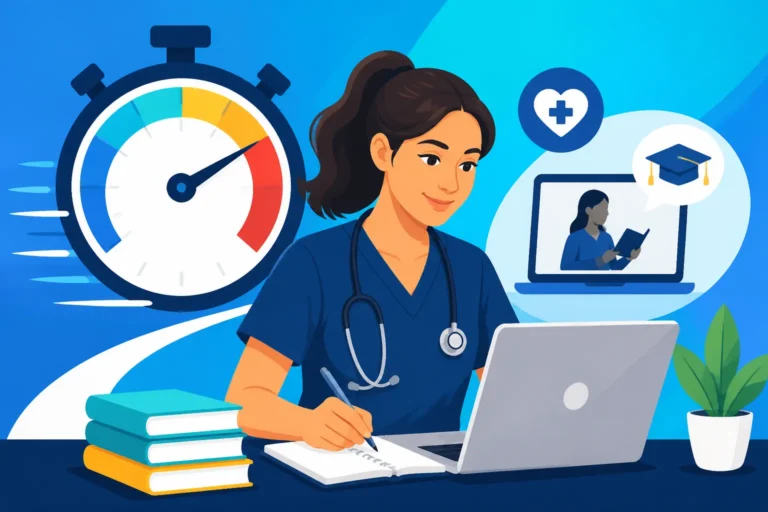
Trying to juggle a demanding nursing job while dreaming of that BSN can feel like trying to run a marathon while holding down a full-time job. It's tough, and you're not alone in feeling overwhelmed by the thought of adding school to an already packed schedule. This guide is all about showing you how to navigate earning your RN to BSN degree even when you're working full-time, offering practical tips and strategies to make this significant career step a manageable reality.
Understanding the Unique Demands of Being a Working RN Student
Deciding to go back to school for your BSN while you're already entrenched in the challenging world of full-time nursing is a monumental decision. It's not just about finding the time; it's about managing your energy, your mental load, and your personal life. Many nurses hesitate, wondering if they can truly handle the additional stress.
The Balancing Act: Work, Life, and Academics
Let's be real: nursing is not a 9-to-5 desk job. You're on your feet, making critical decisions, dealing with emotional situations, and often working irregular shifts, including nights, weekends, and holidays. Adding a rigorous academic program on top of that can feel like you're stretching yourself incredibly thin. Your brain is already fried after a 12-hour shift, and the thought of then diving into pathophysiology or nursing theory readings can feel impossible.
It’s crucial to acknowledge that this path demands a different kind of dedication. It’s not just about willpower; it's about strategic planning and self-compassion. Many nurses report feeling guilt – guilty about not spending enough time with family, guilty about being too tired for friends, or guilty about not giving their all at work because their mind is on an upcoming paper. This emotional toll is real, and recognizing it upfront can help you prepare for and mitigate its effects. You're not just a student, and you're not just a nurse; you're both, simultaneously, and that's a lot to carry.
Why the RN to BSN is Still a Game-Changer
Despite the very real challenges, pursuing an RN to BSN degree while working full-time remains a highly worthwhile endeavor for countless nurses. The benefits, both professional and personal, often outweigh the temporary sacrifices. Many hospitals are increasingly prioritizing BSN-prepared nurses, especially those seeking Magnet® recognition, which elevates nursing standards and patient outcomes.
Earning your BSN opens doors to new career opportunities, including leadership roles, specialized units, and advanced practice nursing. It also often comes with a bump in salary and enhanced job security. Beyond the tangible benefits, a BSN education deepens your critical thinking skills, research abilities, and understanding of public health, which can profoundly impact the quality of care you provide. This enhanced knowledge base empowers you to advocate more effectively for your patients and contribute more significantly to your healthcare team. If you're wondering if Is an RN to BSN Worth It, the answer for many is a resounding yes.
Practical Strategies for Successful Online Learning
Successfully completing your RN to BSN while working full-time isn't about being a superhero; it's about being smart and strategic. Online programs offer flexibility, but they still require discipline and effective learning techniques.
Mastering Your Time Management Skills
This is arguably the most critical component for a working nurse pursuing an online BSN. You need to become a master scheduler. Start by blocking out non-negotiable work hours and personal commitments (like family time or essential appointments). Then, identify your "prime study times." Are you a morning person who can tackle readings before your shift? Or do you thrive with a few hours of focused study in the evening after everyone else is asleep?
Consider breaking down your study sessions into smaller, manageable chunks. Instead of trying to cram four hours of studying into one night, aim for 30-minute to one-hour segments spread throughout the week. Maybe it's 45 minutes on your lunch break, an hour before dinner, and another hour on a day off. Utilize a planner, whether digital or paper, to map out your assignments, deadlines, and study blocks. Treat these study blocks like patient appointments – non-cancellable commitments. Remember to schedule in time for self-care too; burnout is real and can derail even the best-laid plans.
Leveraging Online Learning Tools and Resources
Online education comes with a wealth of digital tools designed to make learning more accessible and efficient. Familiarize yourself with your learning management system (LMS), such as Canvas, Blackboard, or Moodle, early on. These platforms house your course materials, assignment dropboxes, discussion forums, and gradebook.
Beyond the university's tools, explore external resources. Many working nurses find online question banks incredibly helpful for reinforcing concepts and preparing for exams; resources like Uworld are highly rated for their comprehensive explanations and realistic practice questions, which can feel familiar to those used for NCLEX prep. Text-to-speech readers can turn long articles into podcasts you can listen to during your commute or while doing chores. Collaborative tools like Google Docs or Microsoft Teams can be invaluable for group projects, allowing you to work with classmates asynchronously. Don't underestimate the power of educational YouTube channels or nursing-specific apps for quick refreshers. Learning to harness these tools will significantly enhance your study efficiency.
Building a Robust Support System
You absolutely cannot do this alone, nor should you try. Your support system will be your lifeline during this demanding period. First, communicate openly with your family and close friends. Explain your goals and the time commitment involved, and ask for their understanding and practical support. This might mean your partner takes on more household duties or your friends understand if you can't join every social outing.
Next, connect with your classmates. Online forums and study groups, even virtual ones, can provide immense emotional and academic support. Sharing struggles, tips, and insights can make the journey feel less isolating. Finally, don't forget your colleagues and mentors at work. Some might have already gone through an Online RN to BSN Programs: Complete Guide and can offer invaluable advice. If your employer offers Employer Tuition Assistance for BSN, inquire about it. Having people in your corner who understand the demands of both nursing and higher education can make all the difference.
| Study Strategy | Description | Best For | Potential Challenges |
|---|---|---|---|
| Dedicated Study Blocks | Scheduling specific, longer periods (e.g., 2-3 hours) a few times a week, often on days off or during extended breaks. This allows for deep dives into complex topics and completing larger assignments. | Nurses with consistent days off, good self-discipline, and access to quiet study environments. | Risk of burnout if not balanced with rest; requires significant uninterrupted time. |
| Micro-Learning Sessions | Breaking down study into very short, focused intervals (e.g., 15-45 minutes) scattered throughout the day. This could be reading an article during a commute, reviewing flashcards during a lunch break, or watching a short lecture segment. | Nurses with highly variable schedules, who struggle with long periods of concentration, or who have many small pockets of free time. | Can be difficult to maintain continuity; might not be sufficient for complex tasks. |
| Weekend Warrior | Concentrating the majority of academic work on weekends, using Saturday and/or Sunday for extensive reading, writing, and catching up on lectures. | Nurses who prefer to keep weekdays free from schoolwork, have family support on weekends, and can dedicate full days to study. | Sacrifices personal/family time; high risk of weekend burnout; intense focus required. |
| Asynchronous Flexibility | Utilizing programs that allow you to access materials and complete assignments at any time within a given week, with minimal live sessions. This allows you to fit study around your shifts without strict real-time commitments. This is typical of RN to BSN Online vs In-Person programs. | Nurses with unpredictable work schedules, significant family responsibilities, or those who prefer to learn at their own pace. | Requires high self-motivation; easy to fall behind without a strict personal schedule. |
Choosing the Right Online RN to BSN Program
Not all online RN to BSN programs are created equal, especially when you're balancing a full-time job. Doing your homework upfront can save you a lot of headaches later on.
Key Program Features for Working Nurses
When you're evaluating programs, prioritize those designed with working professionals in mind. Look for asynchronous course delivery, meaning you can access lectures and complete assignments on your own schedule, rather than being tied to live virtual classes. Programs with multiple start dates throughout the year also offer greater flexibility, allowing you to enroll when your personal and professional life aligns.
Consider the program's length and pace options. Some offer Fastest Online RN to BSN Programs that can be completed in as little as a year, while others allow for a more leisurely part-time pace over two or three years. Look into how RN to BSN Transfer Credit Explained works, as maximizing your ADN credits can shorten your program and reduce costs. Some programs offer competency-based learning, which can be ideal if you have extensive experience, allowing you to test out of certain modules. Also, investigate the RN to BSN Clinical Hours Explained – many online programs require "indirect care" clinicals, which involve community projects, leadership activities, or evidence-based practice initiatives rather than direct patient care, making them much easier to integrate into a working schedule.
Accreditation and Reputation Matters
This cannot be stressed enough: only enroll in an accredited program. Accreditation ensures that the program meets rigorous educational standards and that your degree will be recognized by employers and for future graduate studies. The two main nursing accrediting bodies are the Accreditation Commission for Education in Nursing (ACEN) and the Commission on Collegiate Nursing Education (CCNE). If you're unsure about CCNE vs ACEN Accreditation Explained, definitely look into it. Always verify a program's accreditation status before applying.
Beyond accreditation, consider the school's reputation, especially for its online offerings. Read reviews from current and former students, and look for programs that have a strong track record of supporting working nurses. A reputable program often means better faculty, more robust student support services, and a degree that carries weight in the job market. While researching, you might encounter universities like Western Governors University (WGU) or Chamberlain University, which are often cited for their online nursing programs geared toward working professionals. Their structures are often built to accommodate busy schedules, and their established online presence means they typically have robust tech support and student resources.
Navigating the Challenges and Celebrating Success
Even with the best planning, you'll face hurdles. The key is to anticipate them and develop strategies to overcome them, while also remembering to celebrate your progress.
Dealing with Burnout, Stress, and Self-Doubt
There will be moments when you feel utterly overwhelmed, exhausted, and question why you ever started this journey. This is normal. Burnout is a serious risk for working nurses, let alone those juggling school. When these feelings arise, it's vital to recognize them and take action. Step away from your books, even if it's just for an hour. Engage in activities that genuinely help you de-stress, whether it's exercise, meditation, spending time in nature, or connecting with loved ones.
Don't be afraid to utilize your program's student support services. Many online universities offer mental health counseling, academic advising, and tutoring services. A quick chat with an academic advisor might help you adjust your course load or explore a temporary leave of absence if things become truly unmanageable. Remind yourself of your initial motivation and the long-term benefits of your BSN. You're doing something incredibly challenging and commendable. Self-doubt creeps in, but resilience grows stronger with every obstacle you overcome.
Financial Planning and Leveraging Support
The cost of an How Much Does an RN to BSN Cost program can be a significant concern, especially when you're already covering living expenses. While some programs are more affordable, careful financial planning is essential. Research all available RN to BSN Financial Aid Options, including federal student aid (FAFSA), grants, and scholarships specifically for nursing students. Many organizations, such as the American Association of Colleges of Nursing (AACN) and the National Student Nurses' Association (NSNA), offer scholarships.
As mentioned before, check with your employer about tuition reimbursement programs. Many hospitals and healthcare systems offer substantial assistance to nurses pursuing higher education, as it benefits both the nurse and the organization. Creating a detailed budget will help you manage your finances during your program. Remember, this is an investment in your future, and there are many resources available to help make it financially feasible. The RN to BSN Cost Breakdown by Credit can vary widely, so understanding the per-credit hour cost and any additional fees is crucial for accurate budgeting.
Disclaimer
The information provided in this article is intended for general informational purposes only and does not constitute professional educational, financial, or career advice. While we strive to provide accurate and up-to-date content, nursing program requirements, costs, and career opportunities can change frequently. Always consult with official university admissions departments, academic advisors, and financial aid offices for the most current and personalized information.