School Nurse Certification and Requirements
Let's be real, the grind of bedside nursing can wear even the most dedicated among us down. The long shifts, the demanding physical toll, the emotional weight of critical care – it's enough to make anyone dream of a different path where you can still make a profound impact without the constant high-stakes adrenaline. If you've found yourself fantasizing about more predictable hours, a different kind of patient interaction, and a chance to focus on prevention and education, then exploring the world of school nursing might just be the breath of fresh air you need. This comprehensive guide will walk you through everything you need to know about school nurse certification and requirements, helping you navigate the journey to a fulfilling career in the educational setting.
Understanding the Role of a School Nurse
When most people think of a school nurse, they might picture someone tending to scraped knees or giving out Tylenol. And while those moments are certainly part of the job, the reality of school nursing is far more complex, dynamic, and incredibly rewarding. It's a specialized field that demands a unique blend of clinical expertise, public health knowledge, and a genuine passion for child and adolescent welfare.
Beyond Band-Aids and Thermometers
The modern school nurse wears many hats, often serving as the primary healthcare provider, mental health advocate, and public health expert for an entire student body, sometimes encompassing hundreds or even thousands of students across different age groups. On any given day, you might be managing acute illnesses like asthma attacks or allergic reactions, administering daily medications, or providing wound care. Beyond the immediate needs, a significant portion of the role involves managing chronic conditions such as diabetes, epilepsy, and severe allergies, creating individualized healthcare plans (IHPs) and emergency action plans (EAPs) for students, and collaborating closely with parents, teachers, and school administrators to ensure these plans are effectively implemented.
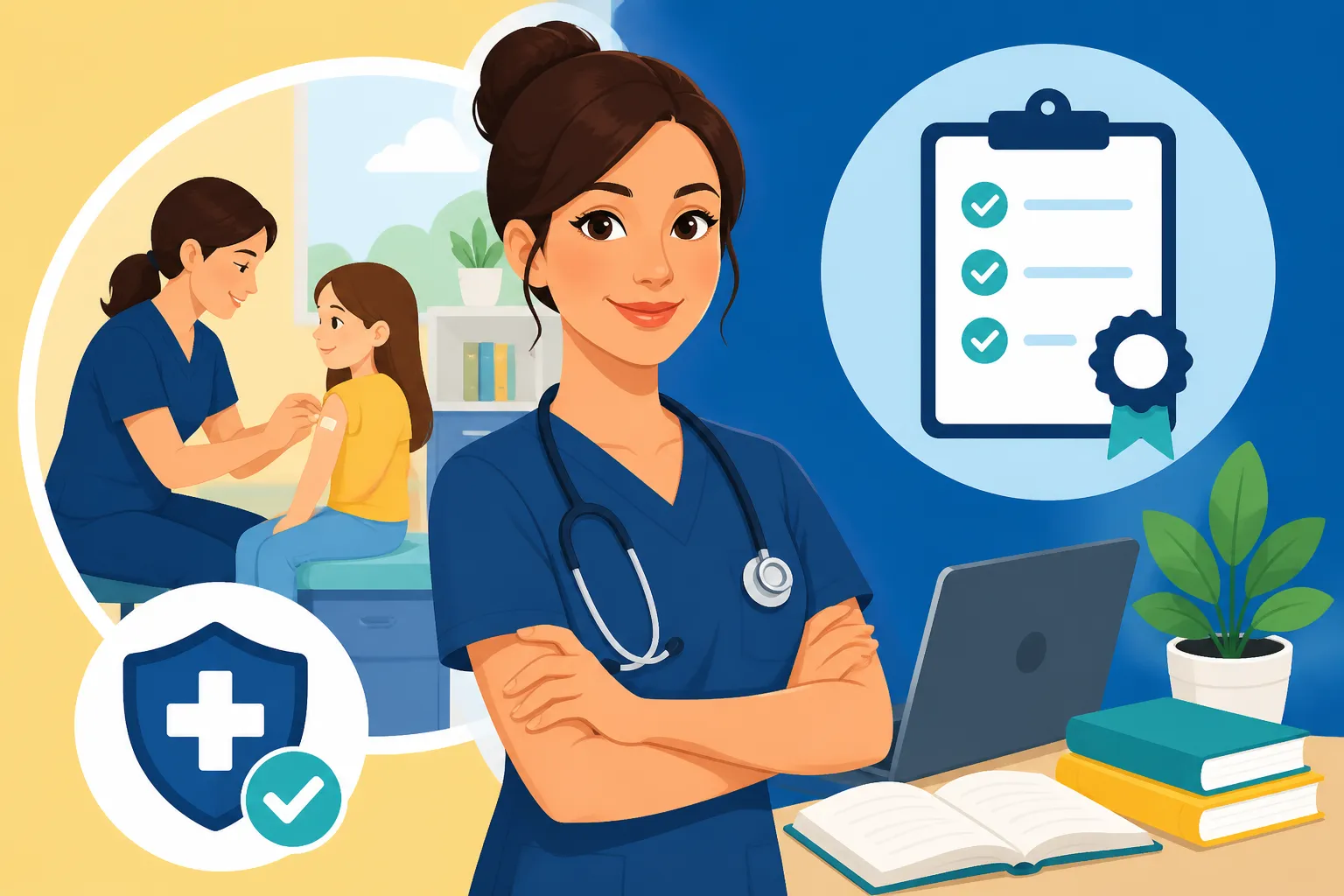
But it doesn't stop there. School nurses are often at the forefront of mental health support, recognizing signs of anxiety, depression, bullying, or even substance abuse, and connecting students with appropriate resources. They act as health educators, teaching students about nutrition, hygiene, puberty, and disease prevention. Furthermore, they are vital public health liaisons, tracking communicable diseases, implementing vaccination programs, and ensuring a safe and healthy school environment, which includes everything from evaluating playground safety to responding to potential environmental hazards. It’s a holistic approach to care that really allows you to get to know your patients—the students—and their families over time, fostering relationships that are often challenging to build in the fast-paced hospital setting.
Why School Nursing Appeals to Many
The appeal of school nursing is multi-faceted, drawing in nurses who are often seeking a more sustainable and community-focused career. One of the most significant draws is the improved work-life balance. Imagine having evenings, weekends, and school holidays off, a stark contrast to the rotating shifts, mandatory overtime, and holiday work common in hospitals. This predictable schedule can be a game-changer for nurses raising families, pursuing further education, or simply looking for more personal time. It's a genuine opportunity for nurses who have felt the squeeze of a demanding hospital schedule to regain a sense of normalcy and control over their lives.
Beyond the schedule, many nurses find immense satisfaction in the preventative and educational aspects of the role. Instead of only reacting to acute crises, school nurses have the opportunity to proactively promote health, teach lifelong healthy habits, and intervene early to prevent larger issues from developing. This shift from high-acuity, critical care to a more community and preventative focus can be incredibly refreshing. You become a trusted figure in the lives of children, helping them navigate physical and emotional challenges during their formative years. It’s a career where you truly feel like you’re making a long-term, positive impact on individuals and the broader community. The ability to foster long-term relationships with students, seeing them grow and thrive, is a unique and deeply gratifying aspect of the job that many bedside nurses miss.
Essential Certifications for School Nurses
Becoming a certified school nurse isn't a one-size-fits-all process. It generally involves meeting state-specific requirements, which often include a nursing license and sometimes additional educational criteria, and potentially pursuing a national certification to demonstrate specialized expertise. It's important to understand both avenues to ensure you're fully qualified for the positions you seek.
State-Specific Requirements for Licensure
This is where things can get a little tricky, as school nurse requirements vary significantly from state to state, and often involve a collaboration between the State Board of Nursing and the State Department of Education. In most states, you'll need an active, unencumbered Registered Nurse (RN) license. However, beyond the basic RN licensure, many states require additional educational qualifications. For instance, while some states might accept an Associate Degree in Nursing (ADN), an increasing number are now requiring or strongly preferring a Bachelor of Science in Nursing (BSN) degree. Some, like New York or California, might even require specific coursework in areas like public health, child development, or health education, or a specific credential from the State Board of Education itself, often called an "Educational Services Credential with a School Nurse Authorization."
It’s crucial to research the exact requirements for the state where you plan to practice. A great starting point is to check the website of that state's Department of Education and Board of Nursing. For example, in Texas, school nurses are licensed by the Texas Board of Nursing but then must obtain a School Nurse Certificate from the Texas Education Agency (TEA), which often requires a BSN and specific professional development hours. Meanwhile, in Massachusetts, you typically need to be an RN with a BSN and then apply for an Initial Educator License for School Nurses through the Department of Elementary and Secondary Education. These state-specific layers mean you can't just assume your RN license is enough; you'll likely need to fulfill additional academic and application steps. This makes checking the Online RN to BSN Programs: Complete Guide a great resource if you're an ADN-prepared nurse looking to meet BSN requirements.
National Certification: The NCSN Credential
While state certification grants you the legal authority to practice as a school nurse within a specific state's public education system, the National Certified School Nurse (NCSN) credential is a highly respected, voluntary certification that demonstrates a national standard of excellence and specialized knowledge in school nursing. It's offered by the National Board for Certification of School Nurses (NBCSN) and signifies a commitment to the highest levels of practice. This certification isn't a substitute for state licensure, but rather a valuable addition that can enhance your professional credibility and career opportunities. Many school districts, especially larger ones or those with magnet status, may prefer or even require NCSN certification for certain positions or for career advancement.
To be eligible for the NCSN exam, you generally need an active, unencumbered RN license, a bachelor’s degree or higher (preferably a BSN or MSN), and a certain number of hours of supervised clinical practice in school nursing. As of my last check, candidates need to have completed 1,000 hours of clinical practice in school nursing in the three years prior to applying for the exam. The exam itself is a comprehensive assessment covering a wide range of topics pertinent to school nursing practice, including health appraisal, health promotion, disease management, professional issues, and legal aspects. Achieving NCSN status indicates that you possess a specialized body of knowledge and expertise, setting you apart as a leader in the field. This national credential can be especially useful if you anticipate moving between states, as it provides a recognized standard of competence regardless of varying state-specific requirements. If you're considering expanding your credentials even further, our guide on Nursing Certifications by Specialty might offer more insights into how to boost your career.
Academic and Experiential Requirements
Beyond the specific certifications, there's a foundational academic and experiential groundwork that typically underpins a successful career in school nursing. Understanding these requirements will help you strategically plan your educational and professional trajectory.
Educational Pathways to School Nursing
The journey to becoming a school nurse often starts with a foundational nursing degree. While an Associate Degree in Nursing (ADN) might get you an RN license, the trend is overwhelmingly leaning towards requiring or strongly preferring a Bachelor of Science in Nursing (BSN) for school nursing roles. Many states, and certainly most progressive school districts, now mandate a BSN because these programs provide a broader education in public health, community health, research, and leadership – all critical components of effective school nursing. A BSN curriculum typically includes courses in health assessment, pathophysiology, pharmacology, and nursing leadership, but also delves into areas like community health nursing, pediatrics, and mental health, which are directly applicable to the diverse needs of a student population.
For nurses looking to differentiate themselves or pursue leadership roles within school health, a Master of Science in Nursing (MSN) can be an excellent step. An MSN could lead to positions as a school nurse administrator, a health services supervisor for a district, or even a specialized school nurse practitioner, depending on the program focus. Furthermore, a master's degree often deepens your understanding of public health principles, epidemiology, and health policy, which are invaluable for developing and implementing school-wide health initiatives. If you're an ADN-prepared nurse, pursuing an Online RN to BSN Programs: Complete Guide is often the most practical path while continuing to work.
Clinical Experience and Professional Development
When it comes to experience, a strong clinical background is invaluable. While direct school nursing experience is ideal, many school districts appreciate nurses who bring experience from pediatric settings, community health clinics, or public health departments. Experience in emergency care or critical care can also be beneficial, as school nurses often have to respond to acute medical situations. What schools are really looking for is a nurse who is comfortable making independent clinical judgments, has strong assessment skills, and can manage a diverse range of health conditions.
Beyond initial clinical experience, continuous professional development is key. The landscape of student health is always evolving, from new mental health challenges to emerging infectious diseases. School nurses are expected to stay current through continuing education units (CEUs), professional workshops, and conferences. Joining professional organizations like the National Association of School Nurses (NASN) or your state's school nurse association provides access to resources, best practices, and networking opportunities. These organizations often offer specialized training in areas like concussion management, diabetes care in schools, or mental health first aid, helping you build a robust skill set crucial for the job.
Navigating the Certification and Application Process
So, you're convinced school nursing is for you. Now, let's talk about the practical steps involved in getting certified and landing that dream job. It can seem like a lot of hoops to jump through, but breaking it down makes it much more manageable.
Step-by-Step State Certification
The first hurdle is always state certification, which, as we discussed, can vary significantly. Here’s a general roadmap to follow:
- Verify Your RN License: Ensure your Registered Nurse (RN) license is current, active, and in good standing with your state's Board of Nursing.
- Meet Educational Requirements: Confirm you meet the educational prerequisites for your state. This almost always means at least a BSN, but some states may have specific course requirements in areas like public health, growth and development, or school health. If you're still working on your BSN, programs like those at Western Governors University (WGU) or Capella University are popular for their flexibility. Check out our guide on RN to BSN Requirements Explained for more details.
- Complete Any State-Specific Exams or Practicums: Some states, particularly those that issue an "educator" credential, might require you to pass a state-mandated exam related to education principles or specific school nursing content. Others may require a supervised practicum or internship in a school setting.
- Gather Required Documents: Prepare all necessary documentation, which typically includes official transcripts, proof of RN licensure, background check clearances (fingerprinting is common), and sometimes letters of recommendation or a personal statement.
- Apply Through the Department of Education: Submit your application directly to your state's Department of Education or its equivalent agency. This is often separate from your Board of Nursing. Be prepared for a thorough review process, as this agency is responsible for ensuring you meet all educational and safety standards to work with students.
It's a bureaucratic process, no doubt, but each step is designed to ensure that the individuals caring for students are highly qualified and safe. Don't be afraid to reach out to the state's Department of Education or a school nurse supervisor in a district you're interested in for clarification on their specific processes.
Preparing for the NCSN Exam
If you're aiming for the National Certified School Nurse (NCSN) credential, dedicated preparation is key. This isn't an exam you can cram for overnight; it requires a systematic approach and a solid understanding of advanced school nursing principles.
Start by reviewing the official content outline provided by the National Board for Certification of School Nurses (NBCSN). This outline details the specific domains and topics covered on the exam, from health assessment and screening to emergency care, mental health, and legal/ethical issues. Identify your strengths and weaknesses to focus your study time effectively. Many nurses find it helpful to join a study group or take a review course specifically designed for the NCSN exam. These courses often provide structured learning, practice questions, and peer support.
When it comes to study materials, look for comprehensive textbooks on school nursing practice, public health, and pediatric health. Practice questions are invaluable for familiarizing yourself with the exam format and identifying areas where you need more review. Resources like Uworld offer robust question banks for various nursing exams, and while they may not have an NCSN-specific QBank, their NCLEX or even NP preparation materials can still be useful for refreshing your core clinical knowledge, assessment skills, and critical thinking abilities, which are foundational to the NCSN exam. Just ensure you supplement with school nursing-specific content. Giving yourself ample time – typically several months – to prepare without rushing will significantly increase your chances of success.
Here's a quick comparison of state and national certification pathways:
| Feature | State School Nurse Certification (e.g., California, Texas) | National Certified School Nurse (NCSN) Credential |
|---|---|---|
| Authority | Grants legal authority to practice in a specific state's public schools | Demonstrates national standard of excellence/specialized knowledge |
| Issuing Body | State Department of Education (often in conjunction with BON) | National Board for Certification of School Nurses (NBCSN) |
| Prerequisites | Active RN license, BSN (often required), specific state coursework/credential | Active RN license, BSN/MSN, 1000 hours of school nursing practice (in 3 yrs) |
| Exam Required? | Varies by state; some require an education-specific exam | Yes, comprehensive NCSN exam |
| Primary Focus | Meeting state minimum requirements for public school employment | Demonstrating advanced competence in school nursing |
| Benefits | Legal ability to work as a school nurse in that state | Enhanced credibility, career advancement, recognized expertise |
| Portability | Generally not portable across state lines | Nationally recognized, but still requires state licensure |
Career Outlook and Growth for School Nurses
Choosing a career as a school nurse isn't just about finding a new role; it's about investing in a professional path that offers stability, continuous learning, and a profound sense of purpose. The demand for qualified school nurses remains robust, driven by increasingly complex student health needs and a growing understanding of the nurse's critical role in educational success.
Job Stability and Impact
The job outlook for school nurses is generally stable, with a consistent need for skilled professionals in educational settings. According to the Bureau of Labor Statistics, the overall employment of registered nurses is projected to grow, and school nursing remains a vital part of that landscape. With more students presenting with chronic health conditions like asthma, diabetes, and mental health challenges, the presence of a knowledgeable and compassionate school nurse is more essential than ever. School nurses are not just reactive healthcare providers; they are integral members of the educational team. Their work directly contributes to student attendance, academic achievement, and overall well-being. A healthy student is a student who can learn, and school nurses are the cornerstone of this foundation.
Moreover, the impact extends beyond individual student care. School nurses often play a critical role in shaping school health policies, advocating for student health needs, and serving as a liaison between the school, family, and community healthcare providers. They ensure compliance with health regulations, manage vaccination records, and act as a first responder in emergencies. This deep integration into the school community means they are indispensable, leading to strong job security and a meaningful career. It's a clear demonstration of why Is an RN to BSN Worth It often leads to expanded career opportunities, including specialized roles like school nursing.
Advancing Your School Nursing Career
Once you've established yourself as a school nurse, there are numerous avenues for professional growth and advancement. Many nurses choose to specialize further by obtaining additional certifications in areas like mental health first aid, advanced cardiac life support (ACLS) for school settings, or specific disease management (e.g., certified diabetes educator). These specializations can enhance your expertise and open doors to more complex care coordination roles.
For those with a passion for leadership and policy, pursuing a Master of Science in Nursing (MSN) can lead to positions such as lead school nurse, district health services coordinator, or even roles within state departments of education. An MSN with a focus on nursing education could also allow you to teach future school nurses. Some ambitious nurses with an MSN may even consider becoming a School Nurse Practitioner, although this is a less common specialization. This path allows for an expanded scope of practice, including prescribing medications and ordering diagnostic tests, and requires specific MSN Admission Requirements and an approved NP program. Regardless of the path, continued education and engagement in professional organizations are crucial for staying current and unlocking new opportunities. If you're pondering broader career changes or advancements, exploring Nursing Career Paths and Salaries can offer valuable insights into long-term professional development.
Disclaimer
Please remember that the information provided in this guide is intended for general informational purposes only and does not constitute professional advice. Nursing regulations, certification requirements, and job market conditions can vary significantly by state and change over time. Always consult with official state boards of nursing, state departments of education, and professional nursing organizations for the most accurate and up-to-date information regarding your specific situation and location.