Walden RN to BSN Program Review
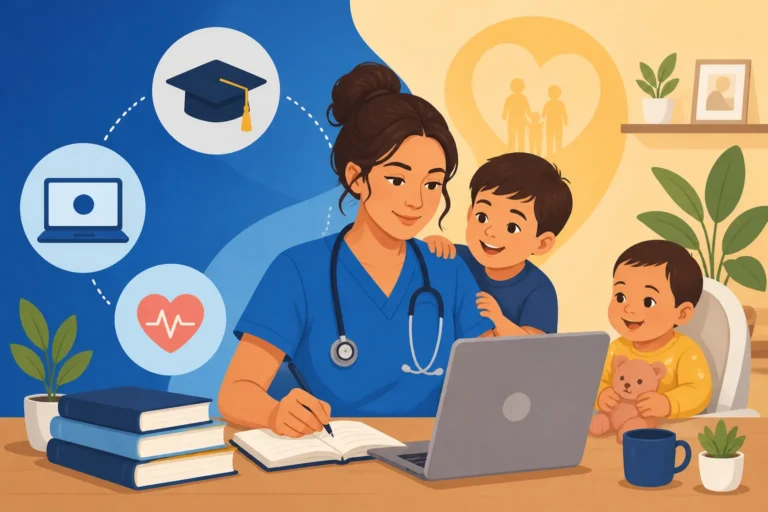
Trying to advance your nursing career with a Bachelor of Science in Nursing (BSN) while juggling work, family, and life can feel like an impossible task. Many dedicated Registered Nurses (RNs) dream of earning their BSN to open up new opportunities, but the thought of returning to school full-time seems daunting. This comprehensive review aims to break down the Walden University RN to BSN program, offering a realistic look at its structure, benefits, and challenges to help you decide if it’s the right path for you.
Understanding the Walden University RN to BSN Program
Walden University has long been a major player in online education, particularly in the healthcare field, and their RN to BSN program is specifically designed with the working nurse in mind. It's built to help ADN or diploma-prepared RNs elevate their practice and meet the growing demand for BSN-prepared nurses, often mandated by employers or sought after for career advancement.
Key Features and Flexibility
One of the standout aspects of Walden's program is its commitment to flexibility. They understand that nurses often work unpredictable shifts and have demanding personal lives. The program is 100% online, meaning you can access coursework and lectures from anywhere with an internet connection, at any time that suits your schedule. This asynchronous format is a huge relief for many nurses who can't commit to set class times. You're not tied to a physical classroom, which means less time commuting and more time focusing on your studies or your patients.
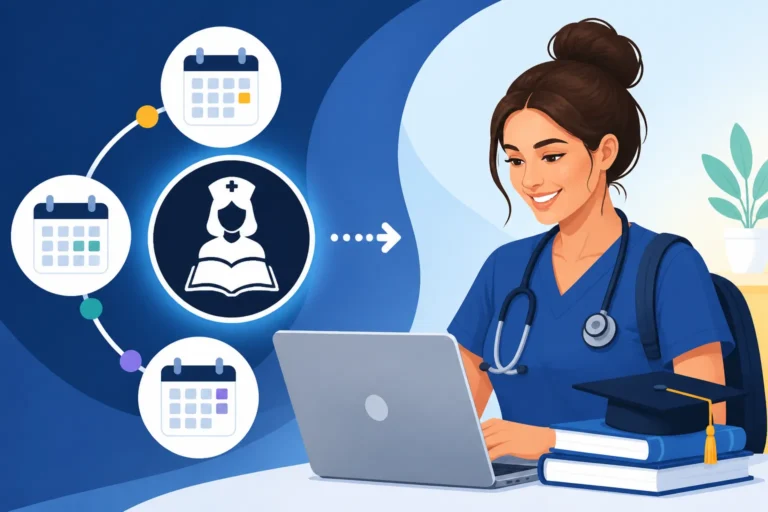
Walden offers multiple start dates throughout the year, which means you don't have to wait for a traditional fall or spring semester to begin your journey. This rolling admission can be a game-changer if you're ready to start now and don't want to delay your career goals. The program also focuses on a competency-based learning model in many of its courses, allowing you to potentially move faster through material you already understand, leveraging your existing nursing experience. This approach acknowledges the wealth of knowledge you've already gained as a practicing RN.
Accreditation and Reputation
When considering any online nursing program, especially an RN to BSN, accreditation is non-negotiable. You want to ensure your hard-earned degree will be recognized and respected by employers and future educational institutions. Walden University's nursing programs, including the RN to BSN, are accredited by the Commission on Collegiate Nursing Education (CCNE). This is a critical point, as CCNE accreditation signifies that the program meets rigorous standards for nursing education. It’s widely recognized and often required by hospitals and healthcare systems, particularly those seeking Magnet Status, which emphasizes a highly educated nursing workforce. Understanding why RN to BSN accreditation matters is crucial for your career prospects.
Walden has a long history in online education, which has both its strengths and weaknesses in terms of reputation. As one of the earliest adopters of large-scale online learning, they have a lot of experience. However, the sheer size of their student body sometimes leads to perceptions of being a "degree mill" for some, though their CCNE accreditation directly counters this by ensuring quality standards. When you're looking into Walden, it's wise to consider specific program reviews, rather than general university perceptions, as program quality can vary.
Curriculum Overview and Learning Experience
The Walden RN to BSN curriculum is designed to build upon your existing ADN or diploma knowledge, expanding your understanding of topics crucial to modern nursing practice. While you already have the clinical skills to provide direct patient care, a BSN curriculum dives deeper into areas like leadership, community health, evidence-based practice, and informatics.
You'll typically encounter courses such as:
- Professional Nursing Leadership: This course helps you develop skills to guide and influence healthcare teams, understand organizational structures, and advocate for quality patient care. It’s not just about managing people, but about leading change.
- Health Assessment for RN to BSN: While you've been assessing patients daily, this course often refines and expands your assessment skills, incorporating a more holistic, evidence-based approach and considering diverse populations.
- Community Health Nursing: This is a big one. You’ll explore public health initiatives, epidemiology, health promotion, and disease prevention strategies on a broader scale, beyond the individual patient in a hospital bed. This is where you learn about the health of populations.
- Research and Evidence-Based Practice: Learning how to critically appraise research and integrate the best available evidence into your practice is fundamental to BSN-level nursing. This course empowers you to make informed decisions that improve patient outcomes.
The online learning experience typically involves reading assignments, discussion forums with peers, submitting papers, and occasionally group projects. You’ll interact with instructors and classmates through the online learning platform, which is generally user-friendly. Given its online nature, self-discipline and good time management are absolutely key to success in the program.
Navigating Admission Requirements and Costs
Deciding to pursue an RN to BSN is a big step, and understanding the practicalities of getting in and paying for it is often where the real stress begins. Walden, like many online institutions, aims to make this process as straightforward as possible for working nurses.
Eligibility and Application Process
To be eligible for the Walden RN to BSN program, you generally need to meet a few core criteria:
- Current RN License: You must hold an active, unencumbered Registered Nurse license in your state of residence. This is foundational, as the program builds on your existing RN knowledge and experience.
- Associate's Degree or Diploma in Nursing: You need to have graduated from an accredited ADN or diploma nursing program.
- Minimum GPA: While specific GPA requirements can vary and might be flexible for experienced nurses, most programs look for a minimum GPA, often around a 2.0 or 2.5 on a 4.0 scale from your previous nursing education. It's always best to check the most current requirements directly with Walden's admissions counselors.
- Application Materials: Typically, you'll need to complete an online application, submit official transcripts from all previously attended colleges and universities, and potentially provide a resume or letters of recommendation, though often for RN to BSN programs, the focus is heavily on your active RN license and previous academic record.
The application process is usually entirely online, and Walden's admissions team is generally available to guide you through each step. They often have dedicated enrollment specialists who can answer questions about specific RN to BSN admission requirements.
Tuition, Fees, and Financial Aid Options
The cost of an RN to BSN program is a significant consideration for most nurses. Walden University's tuition structure is typically based on a per-credit hour rate. While tuition rates can change, a quick search often shows per-credit costs for undergraduate programs, which you then multiply by the total number of credits required for the degree. For example, if a program requires 120 total credits but you transfer in 80 from your ADN, you'd only pay for the remaining 40 credits. However, it's crucial to look into the total cost of an online RN to BSN, factoring in any technology fees, graduation fees, or other administrative costs that might not be included in the per-credit rate.
Walden offers various financial aid options to help make your education more affordable:
- Federal Financial Aid: Many students qualify for federal grants (like the Pell Grant, if eligible) and federal student loans. Completing the Free Application for Federal Student Aid (FAFSA) is the first step.
- Scholarships: Walden often provides institutional scholarships for eligible students, and they can also guide you toward external nursing scholarships. It's worth exploring RN to BSN scholarships specifically.
- Employer Tuition Assistance: Many hospitals and healthcare systems offer tuition reimbursement or assistance for nurses pursuing their BSN. This can significantly reduce your out-of-pocket expenses. It’s always a good idea to speak with your employer’s HR department about how to get your employer to pay for BSN.
- Payment Plans: Walden might offer flexible payment plans, allowing you to pay tuition in installments rather than a lump sum.
Understanding the RN to BSN cost breakdown by credit and exploring all available financial avenues is essential to budgeting effectively for your degree.
Transferring Credits
One of the biggest advantages for ADN-prepared nurses pursuing an RN to BSN is the ability to transfer existing credits. Walden is generally generous with credit transfers, recognizing the academic foundation you've already built.
- ADN Credit Transfer: Most ADN programs consist of around 60-72 credits. Walden typically allows you to transfer a significant portion, if not all, of these credits, including general education courses (English, math, humanities) and your core nursing courses.
- RN License Credits: A unique aspect of many RN to BSN programs, including Walden’s, is that your active RN license itself can often count for a substantial block of credits, sometimes 30-45 credits. This is a huge benefit, as it significantly reduces the number of courses you need to take.
- Other College Credits: If you’ve taken college courses outside of your ADN program, even years ago, these might also be transferable. It’s always worth submitting all transcripts for evaluation.
The goal for most students is to transfer maximum credits into RN to BSN to shorten their program duration and reduce overall costs. Walden’s academic advisors can provide a personalized credit evaluation, helping you understand how many credits for an RN to BSN you’ll still need to complete after transfers.
The Online Learning Experience and Support at Walden
Embarking on an online degree can be a significant shift, especially if your previous schooling was entirely in-person. Walden understands the unique needs of online learners and strives to provide a supportive environment.
Course Format and Time Commitment
Walden's online courses are typically structured in a modular format, often lasting 8-10 weeks per course. You'll log into your student portal, access course materials, participate in online discussions, submit assignments, and take quizzes or exams. The flexibility means you can complete these tasks at 2 AM or 2 PM, whenever it fits your schedule.
However, "flexible" doesn't mean "easy" or "less time-consuming." Many nurses underestimate the time commitment for an RN to BSN. While there are no set class times, you'll still need to dedicate a significant number of hours each week to readings, research, writing papers, and participating in discussions. For a typical 3-credit course, you might expect to spend 9-12 hours per week. If you're taking two courses, that can quickly add up to 20+ hours of academic work on top of your full-time nursing job and personal responsibilities. This is why balancing work and RN to BSN is such a critical skill to master. It’s important to honestly assess how many hours a week for RN to BSN you can realistically dedicate.
Student Support and Resources
A good online program provides robust student support, and Walden aims to do so:
- Academic Advising: You'll typically be assigned an academic advisor who can help you plan your course schedule, understand degree requirements, and navigate university policies.
- Technical Support: Given it's an online program, reliable tech support for the learning platform is essential. Walden generally offers 24/7 technical assistance.
- Library Resources: Online access to a comprehensive digital library, including nursing journals, databases, and research tools, is crucial for success in an evidence-based curriculum.
- Writing Center: Many students find a university writing center invaluable, especially for refining academic papers. Walden usually provides online writing resources and tutoring services.
- Career Services: As you approach graduation, career services can help with resume building, interview preparation, and job search strategies.
While Walden provides these resources, it's often up to the student to actively seek them out. Being proactive in utilizing available support can make a big difference in your academic journey.
Clinical and Practicum Components
This is often a point of confusion for RN to BSN students. Many nurses worry about additional clinical hours when pursuing their BSN. The good news for most RN to BSN programs, including Walden’s, is that they are generally designed as "no-clinical" or "no-additional-practicum" models in the traditional sense. You've already met your direct patient care clinical requirements by becoming an RN.
Instead of traditional hospital-based clinicals, Walden's RN to BSN program typically incorporates a "community health practicum" or "leadership practicum" as part of specific courses. These are often project-based experiences that you can complete in your own community or even at your workplace. For example:
- Community Health Practicum: This might involve designing a health education project for a local community group, working with a public health agency, or identifying a community health need and proposing interventions. It's about applying public health nursing principles in a real-world setting, not performing direct bedside care. This aspect of the RN to BSN clinical hours explained is often a relief to busy nurses.
- Leadership/Capstone Project: Many programs culminate in a capstone project where you apply your accumulated knowledge to a relevant nursing issue, often within your current practice setting. This might involve quality improvement initiatives, policy analysis, or a comprehensive case study.
These experiences are typically supervised by a preceptor (often a BSN-prepared or higher nurse at your workplace or in your community) and are designed to be flexible to accommodate your work schedule. It’s important to clarify the exact nature of these experiences with Walden’s advisors to ensure they align with your expectations and logistical capabilities. You'll be focusing on the RN to BSN direct care component explained during these experiences, but in a community or leadership context.
Pros and Cons of the Walden RN to BSN Program
Every educational path has its advantages and disadvantages. When considering Walden's RN to BSN, it's helpful to weigh these carefully against your personal and professional goals.
Advantages for Working Nurses
Walden University's program is specifically tailored for busy, working RNs, and this is where its strengths truly shine.
- Unmatched Flexibility: As discussed, the 100% online, asynchronous format is a huge boon. You can log in and complete coursework when your schedule allows, whether that's during lunch breaks, after the kids are asleep, or on your days off. This significantly reduces the stress of trying to fit traditional classes into a demanding work schedule. This makes it an excellent option for RN to BSN for working nurses.
- Leverages Prior Experience: The program is built on the premise that you are already a competent RN. It builds upon your existing knowledge and often gives credit for your RN license, shortening the time and cost to completion.
- Multiple Start Dates: Not being tied to a traditional academic calendar means you can begin your program when you're ready, without lengthy waiting periods.
- Accredited Program: CCNE accreditation ensures your degree is recognized and respected in the nursing community, opening doors for career advancement and further education.
- Focus on Professional Development: The curriculum emphasizes leadership, evidence-based practice, and community health, all of which are vital for nurses seeking to move into leadership roles or specialized practice areas. It goes beyond basic patient care, preparing you for a broader impact on healthcare.
- Potential for Faster Completion: With generous transfer policies and a competency-based approach, it’s possible for some dedicated students to complete the program faster than traditional models. This aligns with interests in accelerated RN to BSN programs.
Potential Drawbacks to Consider
While Walden offers significant benefits, it's also important to be realistic about potential challenges.
- Self-Discipline is Paramount: The flexibility of online learning can be a double-edged sword. Without set class times, it's entirely up to you to stay motivated, manage your time effectively, and meet deadlines. Procrastination can quickly lead to falling behind, and it requires a high degree of self-directed learning.
- Limited Face-to-Face Interaction: For those who thrive on in-person discussions and direct interaction with professors and peers, an online program can feel isolating. While there are discussion boards and virtual meetings, it's not the same as a live classroom environment.
- Technology Reliance: You need reliable internet access and basic computer literacy. Technical glitches, though usually solvable by support, can be frustrating and disruptive to your learning flow.
- Cost: While often competitive, online tuition can still be a significant investment. It's crucial to compare the Walden RN to BSN cost against other programs, factoring in all fees.
- Perception of Online Degrees: While CCNE accreditation addresses the quality, some employers or individuals might still hold a bias against fully online degrees compared to traditional brick-and-mortar institutions. This is becoming less common as online education gains acceptance, but it's something to be aware of.
- Large Class Sizes (Potentially): As a large online university, individual course sizes might be substantial, potentially leading to less personalized attention from instructors compared to smaller programs.
- Finding Practicum Sites (Though Flexible): While the practicum is flexible, you still need to identify a suitable site and preceptor for your community health or leadership project. While Walden often provides resources, the responsibility typically falls to the student.
Is the Walden RN to BSN Program the Right Fit for You?
Ultimately, the decision to pursue your BSN through Walden University is a personal one, heavily dependent on your learning style, career goals, and life circumstances. If you thrive in a self-directed learning environment, are highly motivated, and need the flexibility to continue working as an RN, Walden offers a viable and accredited pathway.
Consider your personal learning style: are you comfortable with extensive reading, writing, and online discussions? Do you have the discipline to set your own schedule and stick to it? If you prefer structured, in-person instruction and extensive direct faculty interaction, an entirely online program might not be your ideal fit.
Think about your career aspirations. An RN to BSN degree is increasingly becoming the standard for entry into many nursing roles, particularly in hospitals with Magnet recognition, and is often a prerequisite for advancing into management, education, or graduate-level studies. If you're wondering, "Is an RN to BSN worth it?", the career benefits often speak for themselves.
Before making a final decision, it’s always a good idea to speak with a Walden admissions counselor. Ask specific questions about the curriculum, credit transfer policies, financial aid, and the structure of the practicum experiences. If possible, connect with current or former students of the Walden RN to BSN program to get their candid insights into the experience. The more information you gather, the more confident you'll be in choosing the best path to advance your nursing career.
Disclaimer
The information provided in this article is for general informational purposes only and does not constitute professional advice. While we strive to keep the information up-to-date and correct, we make no representations or warranties of any kind, express or implied, about the completeness, accuracy, reliability, suitability, or availability with respect to the website or the information, products, services, or related graphics contained on the website for any purpose. Therefore, any reliance you place on such information is strictly at your own risk. Always verify program details, accreditation, and financial aid options directly with Walden University or the relevant educational institution.