How to Become a Critical Care Nurse
Stepping onto a critical care unit for the first time can feel like walking into a high-stakes drama, where every second truly counts and the smallest detail can make a monumental difference. For many nurses, the thought of working in such an intense environment is both daunting and incredibly appealing. If you’ve ever found yourself drawn to the challenge, the rapid pace, and the profound impact you can have on patients teetering on the edge, then this guide is for you. We're going to dive deep into what it truly takes to become a critical care nurse, from education and certifications to the daily realities and immense rewards.
What Exactly Does a Critical Care Nurse Do?
When we talk about critical care nursing, we're talking about a specialized field that focuses on the highest acuity patients—those who are critically ill or unstable and require constant, complex monitoring and intervention. It’s not just about managing medications; it’s about anticipating crises, rapidly responding to changes, and supporting life itself. This role demands sharp clinical judgment, a deep understanding of pathophysiology, and the ability to remain calm and decisive under pressure.
The Intense World of the ICU
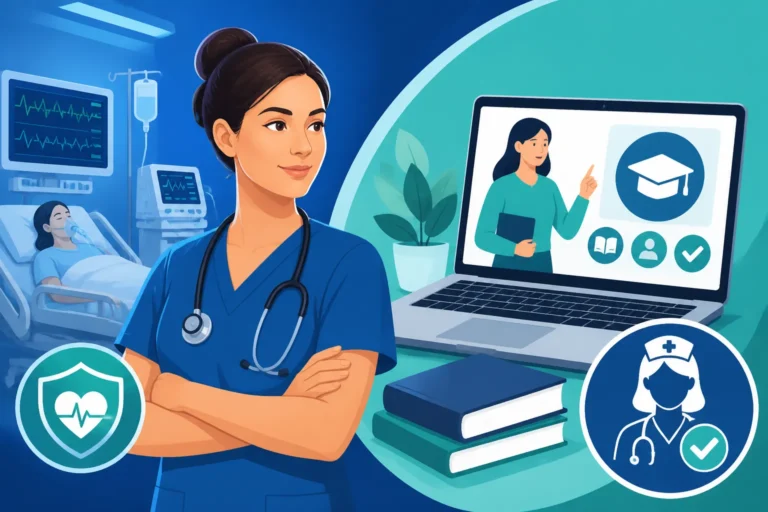
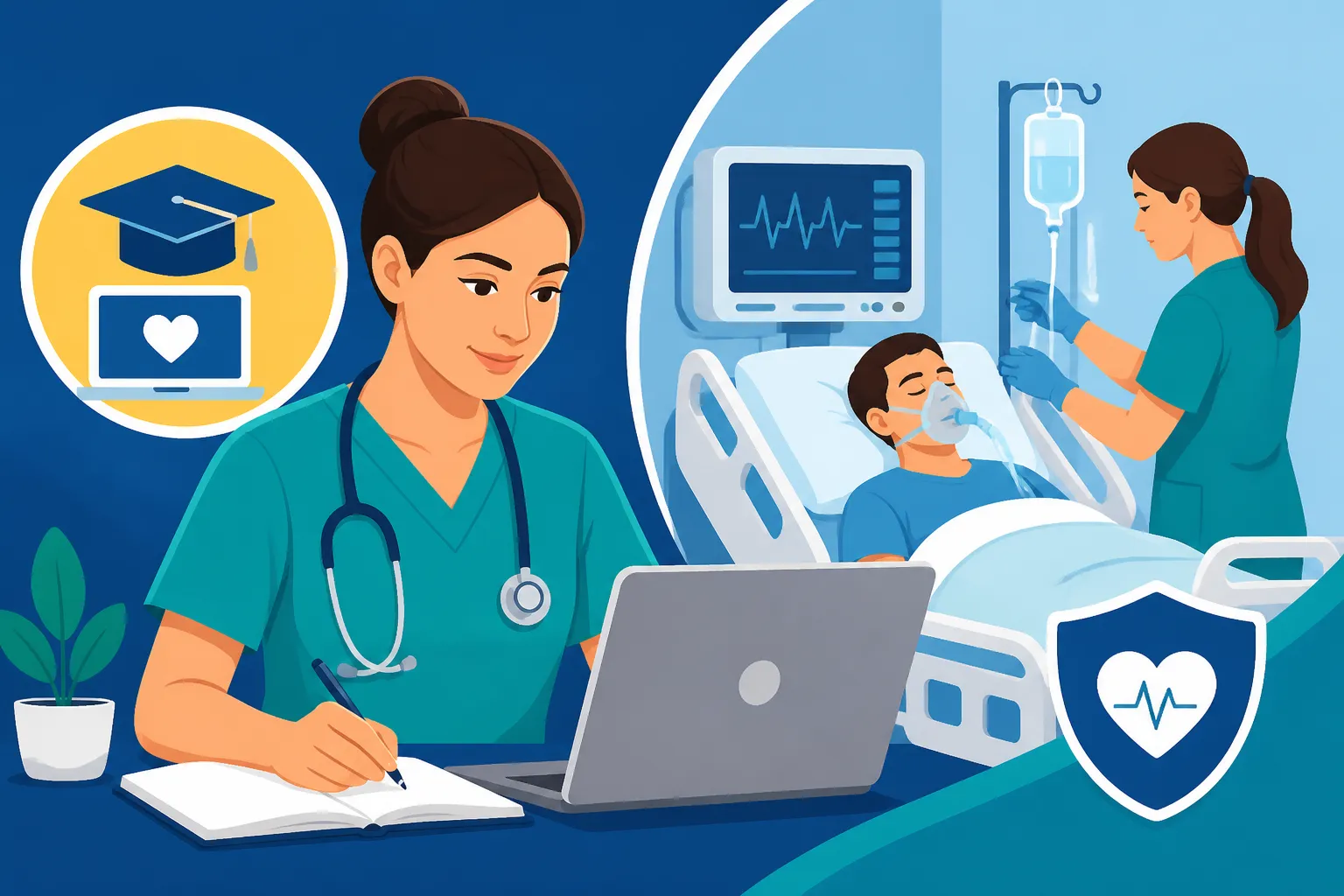
The Intensive Care Unit (ICU) is the quintessential setting for a critical care nurse. Picture this: monitors beeping, ventilators breathing, IV pumps precisely delivering potent medications. It's a symphony of technology and human intervention, all designed to stabilize and recover the most vulnerable patients. Nurses in these units often have a very low patient-to-nurse ratio, typically 1:1 or 1:2, because the level of care required is so profound. This intense environment means you're constantly engaged, constantly thinking several steps ahead, and always on high alert for subtle signs of improvement or deterioration.
Beyond the general ICU, critical care nurses might also work in specialized units like the Cardiac ICU (CICU), Neurosurgical ICU (NSICU), Pediatric ICU (PICU), Neonatal ICU (NICU), or Surgical ICU (SICU). Each of these units brings its own unique patient population and specialized protocols, demanding a slightly different, yet equally rigorous, skill set. For instance, a nurse in a NICU deals with the tiniest, most fragile patients, often born prematurely with complex congenital issues, while an SICU nurse is managing post-operative patients with severe trauma or multi-organ failure. It's a world where you truly witness the fragility and resilience of life daily.
Key Responsibilities and Daily Tasks
The daily life of a critical care nurse is a whirlwind of assessments, interventions, and meticulous documentation. Your shift begins with a comprehensive report from the outgoing nurse, detailing every aspect of your patient’s condition, from vital signs and ventilator settings to medication drips and family updates. From there, you're performing head-to-toe assessments, titrating vasoactive medications, managing continuous renal replacement therapy (CRRT), assisting with bedside procedures like central line insertions, and interpreting complex diagnostic tests in real-time. You're the eyes and ears for the physicians, often identifying problems before they escalate.
A significant part of the role also involves patient advocacy and family support. When a loved one is critically ill, families are often overwhelmed, anxious, and looking for answers. Critical care nurses act as a crucial liaison, explaining complex medical jargon, providing emotional support, and helping families navigate difficult decisions. This human element, amidst all the technology and medical complexity, is incredibly important and often the most rewarding part of the job. It's about caring for the whole person, and their circle, during their most vulnerable moments.
Patient Population and Conditions
The patients you'll encounter as a critical care nurse are diverse, but they all share one thing: a need for intensive, specialized care due to life-threatening conditions. You might care for someone suffering from severe sepsis, acute respiratory distress syndrome (ARDS), multi-system organ failure, or a massive stroke. You could be managing a patient post-cardiac arrest, or someone with a traumatic brain injury from an accident. The conditions are varied, complex, and often rapidly changing, which means you're constantly learning and adapting.
This wide array of conditions means that critical care nurses develop an incredibly broad and deep knowledge base. You'll become proficient in reading advanced cardiac rhythms, understanding complex ventilator mechanics, interpreting blood gas results, and managing intricate pharmacological regimens. It's a continuous learning environment where staying current with the latest evidence-based practices is not just encouraged, but absolutely essential for patient safety and optimal outcomes.
Essential Education for Becoming a Critical Care Nurse
So, you’re intrigued by the intensity and the challenge, and you want to be part of this vital field. The journey to becoming a critical care nurse starts with a solid educational foundation in nursing. While some paths can be quicker, the consensus in modern healthcare emphasizes a particular degree for optimal preparedness and career advancement.
Foundational Nursing Degrees
To become a registered nurse (RN) and practice in any setting, you generally need to complete one of two foundational degrees: an Associate Degree in Nursing (ADN) or a Bachelor of Science in Nursing (BSN). Both pathways prepare you to sit for the NCLEX-RN exam, which is required for licensure. An ADN program typically takes about two years to complete, focusing heavily on clinical skills and direct patient care. Many nurses begin their careers with an ADN, and it’s a perfectly valid starting point for entry-level nursing positions.
However, many hospitals, especially Magnet-designated facilities or those with academic affiliations, increasingly prefer or even require new hires in critical care units to hold a BSN. This preference is rooted in evidence showing improved patient outcomes with a higher percentage of BSN-prepared nurses on staff. If you start with an ADN, don't worry! There are numerous pathways to upgrade your education, such as completing an Online RN to BSN Programs: Complete Guide or an Accelerated RN to BSN Programs.
The Importance of a BSN
While an ADN provides excellent clinical training, a BSN offers a broader and deeper curriculum. BSN programs, typically four years in length (or shorter for RN to BSN programs), include courses in leadership, community health, research, health policy, and critical thinking. These subjects are incredibly valuable in critical care, where you’re not just performing tasks but also analyzing complex situations, collaborating with multidisciplinary teams, and often participating in quality improvement initiatives. A BSN also tends to emphasize the theoretical underpinnings of nursing practice, enabling a more holistic and evidence-based approach to patient care, which is vital in a high-stakes environment like the ICU.
Furthermore, a BSN is often considered the stepping stone for advanced nursing roles. If your long-term goal includes becoming a nurse practitioner, a clinical nurse specialist, or moving into nursing leadership, a BSN will be a prerequisite for most graduate programs, such as those covered in Online MSN Programs: Complete Guide. Many nurses find that pursuing their BSN after gaining some experience makes the academic content more tangible and immediately applicable to their daily work. Understanding the RN to BSN Requirements Explained can help you plan this important step in your career.
Specialized Training and Certifications
After earning your RN license, and ideally your BSN, your next educational step will likely involve specialized training. Most critical care units won't just throw you into the deep end; they offer comprehensive orientation and preceptorship programs, often lasting several months. During this time, you'll gain hands-on experience, learn unit-specific protocols, and develop mastery of critical care equipment. You'll also likely complete advanced cardiac life support (ACLS) and possibly pediatric advanced life support (PALS) certifications, which are standard for critical care nurses.
Beyond these foundational certifications, many critical care nurses pursue specialized certifications specific to their practice. The most recognized is the Critical Care Registered Nurse (CCRN) certification, offered by the American Association of Critical-Care Nurses (AACN). We'll delve deeper into the CCRN shortly, but earning it demonstrates a high level of expertise and commitment to the specialty. These certifications are not just impressive on a resume; they solidify your knowledge base and enhance your ability to provide the best possible care, directly impacting patient safety and outcomes. They are truly a mark of excellence in a demanding field.
Gaining Experience in Critical Care
You've got your nursing degree and your RN license – congratulations! Now comes the exciting, challenging, and utterly essential part: getting your hands dirty and accumulating real-world critical care experience. This isn't just about clocking hours; it's about developing the nuanced judgment and rapid response skills that define an excellent critical care nurse.
Landing Your First ICU Role
For new graduate nurses, securing a position directly in an ICU can be competitive, but it’s definitely achievable. Many hospitals offer specialized new graduate residency programs designed to transition new RNs into high-acuity areas like the ICU, ER, or OR. These programs provide structured learning, extended preceptorships, and crucial support systems to help you navigate the steep learning curve. Look for hospitals in your area that advertise "new grad ICU residency" or "critical care training programs." During your job search, networking, attending career fairs, and tailoring your resume to highlight any critical care exposure (even from clinical rotations) can give you an edge.
If a direct new grad ICU role isn't immediately available, don't despair! Gaining a year or two of experience in a high-acuity med-surg unit, telemetry, or progressive care unit (PCU) can be an excellent stepping stone. These units often care for patients who are not quite critical but are unstable enough to require close monitoring, providing a fantastic foundation in acute care principles, assessment skills, and managing complex patient populations. This experience will make you a much stronger candidate when you apply for an ICU position down the line, as it demonstrates your ability to manage a busy caseload and recognize deteriorating conditions.
The Residency and Preceptorship Journey
Once you land that coveted critical care position, get ready for an intensive orientation period. Most critical care units will pair you with an experienced preceptor—a veteran critical care nurse who will guide you, teach you, and support you for several weeks or even months. This preceptorship is invaluable. Your preceptor will help you translate theoretical knowledge into practical skills, teach you the unit's specific protocols, and provide real-time feedback on your assessments and interventions. This is a safe space to ask all your questions, practice new skills, and learn from a seasoned professional.
Beyond the one-on-one preceptorship, many critical care units also incorporate structured residency programs or specialized courses. These often include didactic sessions on topics like ventilator management, hemodynamic monitoring, continuous infusions, and advanced rhythm interpretation. You might also participate in mock codes or simulation labs to practice rapid response scenarios in a controlled environment. This blended approach ensures that you not only gain hands-on experience but also solidify your theoretical understanding, preparing you to think critically and independently when faced with complex patient situations. Programs might also guide you in preparing for certifications like the NCLEX, and supplementary resources like Uworld are often recommended for practice questions and detailed rationales.
Essential Skills Developed on the Job
Critical care nursing isn't just about medical knowledge; it's about developing a unique set of cognitive and interpersonal skills. You'll quickly hone your assessment skills, learning to spot subtle changes in a patient's condition that might signal an impending crisis. Your critical thinking will sharpen as you prioritize interventions, anticipate potential complications, and make rapid, sound clinical judgments. You'll become an expert at time management, juggling multiple complex tasks and responsibilities while maintaining a calm demeanor.
Perhaps even more importantly, you'll develop exceptional communication skills. You’ll learn to effectively communicate with physicians, respiratory therapists, pharmacists, social workers, and other members of the healthcare team. You'll also become adept at explaining complex medical information to anxious families, providing comfort and guidance during incredibly difficult times. This ability to articulate observations, advocate for patients, and collaborate seamlessly is paramount in the critical care environment, where teamwork is not just a buzzword, but a lifeline.
Advanced Certifications for Critical Care Nurses
Once you've spent some time honing your skills in the critical care environment, you'll likely start looking at ways to formalize your expertise and demonstrate your commitment to the specialty. This is where advanced certifications come into play. They're not just fancy letters after your name; they represent a deep dive into critical care knowledge and a proven mastery of specialized practice.
The CCRN Certification Explained
The gold standard for critical care nurses is the Critical Care Registered Nurse (CCRN) certification, offered by the American Association of Critical-Care Nurses (AACN). Earning your CCRN signifies that you possess comprehensive knowledge and experience in caring for critically ill adult, pediatric, or neonatal patients. To be eligible, you typically need a current unencumbered RN license and a specific amount of direct critical care clinical experience (usually 1,750 hours in the previous two years, with 875 of those in the most recent year). It’s a rigorous exam that tests your understanding of advanced pathophysiology, hemodynamic monitoring, ventilator management, pharmacology, and ethical considerations in critical care.
Preparing for the CCRN exam is a significant undertaking. Many nurses utilize specialized review courses, textbooks, and practice questions. Resources like Uworld offer comprehensive question banks and explanations that can be incredibly helpful in solidifying your knowledge and test-taking strategies. Passing the CCRN is a huge accomplishment and a clear indicator of your expertise and dedication to the critical care specialty. It’s also often a requirement or a strongly preferred qualification for certain advanced critical care roles or leadership positions. Understanding the full scope of Critical Care Nurse Certification CCRN can truly elevate your professional profile.
Other Valuable Certifications
While the CCRN is the most prominent, there are other certifications that can be highly beneficial, depending on your specific critical care setting or career goals. For instance, if you work in an emergency department that frequently cares for critical patients, the Certified Emergency Nurse (CEN) certification, offered by the Board of Certification for Emergency Nursing (BCEN), might be more appropriate. For nurses in the NICU, the Neonatal Intensive Care Nursing (RNC-NIC) certification, offered by the National Certification Corporation (NCC), is highly valued.
Beyond these specialty-specific certifications, foundational certifications like Advanced Cardiac Life Support (ACLS) and Pediatric Advanced Life Support (PALS) are often mandatory for critical care roles and need to be renewed regularly. Some critical care nurses also pursue specialty certifications in areas like trauma nursing (TNCC) if their unit frequently manages trauma patients. These additional certifications further demonstrate your specialized knowledge and readiness to handle diverse, complex critical care scenarios, making you an even more valuable asset to your team.
Maintaining Your Certification
Earning a critical care certification isn't a one-and-done deal; it's a commitment to ongoing professional development. Certifications like the CCRN typically require renewal every three years. To maintain your certification, you'll need to demonstrate continued clinical practice hours and earn continuing education (CE) credits. The AACN offers various ways to earn these CE credits, including attending conferences, completing online modules, and participating in unit-based educational activities.
This renewal process ensures that critical care nurses remain current with the latest evidence-based practices, technological advancements, and treatment guidelines in a rapidly evolving field. It underscores the importance of lifelong learning in nursing, especially in a specialty where new research and techniques constantly emerge. Maintaining your certification is a testament to your ongoing dedication to providing the highest level of care for your critically ill patients.
Career Outlook and Advancement for Critical Care Nurses
Embarking on a career as a critical care nurse opens up a world of opportunities. The demand for highly skilled nurses in this specialized field remains strong, and with that demand comes potential for professional growth, increased earning potential, and diverse career pathways.
Job Demand and Salary Expectations
The job outlook for registered nurses overall is projected to grow significantly, and critical care nurses are often at the forefront of this demand due to the increasing complexity of patient care and an aging population. Hospitals consistently seek experienced critical care RNs to staff their ICUs, emergency departments, and specialty critical care units. This strong demand can translate into competitive salaries, especially for nurses with experience and advanced certifications like the CCRN.
According to data from various sources like the Bureau of Labor Statistics (BLS) and professional nursing organizations, critical care nurses often earn higher salaries than general medical-surgical nurses due to the specialized skills and intense nature of their work. While salaries vary significantly by geographic location, years of experience, and specific hospital system, it's not uncommon for experienced critical care nurses to command impressive wages, particularly in high-cost-of-living areas or facilities that offer significant shift differentials for nights and weekends. Learning more about Highest-Paying Nursing Careers can give you a broader perspective on salary trends.
Pathways to Advanced Practice Nursing
For many critical care nurses, the ICU is not just a job; it's a launchpad for advanced practice nursing roles. The deep clinical experience, critical thinking, and diagnostic skills honed in the critical care environment make you an ideal candidate for graduate programs. Many nurses transition from the ICU to become Acute Care Nurse Practitioners (ACNPs), who specialize in managing critically ill patients in inpatient settings, or even Certified Registered Nurse Anesthetists (CRNAs), one of the highest-paying nursing specialties. The foundational knowledge of advanced pathophysiology and pharmacology gained in critical care is directly transferable and highly advantageous for these roles.
If you’re considering this path, pursuing an MSN vs DNP: Which to Choose becomes an important question, as both degrees can lead to advanced practice roles. Many universities offer specialized tracks within their Master of Science in Nursing (MSN) or Doctor of Nursing Practice (DNP) programs specifically designed for critical care nurses seeking to become nurse practitioners. The rigorous nature of critical care work prepares you uniquely for the increased autonomy and responsibility that comes with advanced practice, making this a very popular and rewarding career progression.
Leadership and Education Roles
Beyond direct patient care, critical care experience also opens doors to leadership and educational positions. With years of experience and a strong understanding of unit operations, many critical care nurses transition into roles like charge nurse, nurse manager, clinical nurse specialist, or even unit director. These roles involve overseeing patient care, managing staff, implementing quality improvement initiatives, and ensuring the smooth functioning of a highly complex unit. Your ability to lead under pressure and make critical decisions will be invaluable.
Furthermore, experienced critical care nurses are highly sought after as educators, both in academic settings and within hospitals. You could become a clinical instructor, guiding the next generation of nursing students through their critical care rotations, or work as a staff development educator, training new hires and providing ongoing education for current staff. Your real-world insights and ability to teach complex concepts are crucial for preparing nurses for the demands of critical care. This transition from bedside to education allows you to share your invaluable knowledge and shape the future of nursing.
Is Critical Care Nursing the Right Path for You?
Considering a career in critical care is a big decision, and it’s important to reflect on whether this demanding yet incredibly rewarding specialty truly aligns with your personality, strengths, and long-term career aspirations. It’s not for everyone, and that’s perfectly okay!
The Demands and Rewards
Let’s be honest: critical care nursing is tough. It demands physical stamina, mental resilience, and emotional fortitude. You'll work long shifts, often dealing with life-or-death situations, complex ethical dilemmas, and grieving families. The emotional toll can be significant, and burnout is a real concern if not managed proactively. However, the rewards are equally profound. There’s an immense sense of satisfaction that comes from saving a life, helping a patient recover from a severe illness, or providing comfort to families during their darkest hours. You'll witness incredible moments of human strength and vulnerability, and your skills will truly make a difference every single day.
The rapid pace means you're constantly learning, constantly challenged, and rarely bored. The camaraderie among critical care nurses is also a huge draw; you become a tight-knit team, relying on each other in high-stress situations. The intellectual stimulation of understanding complex medical conditions and applying advanced interventions is deeply satisfying for those who thrive on continuous learning and problem-solving. This high-stress, high-reward dynamic is central to the critical care experience.
Personal Attributes for Success
What kind of person thrives in critical care? Firstly, you need a strong sense of curiosity and a commitment to lifelong learning. The medical landscape is always changing, and you must be willing to stay updated. Secondly, excellent critical thinking and problem-solving skills are non-negotiable. You’ll often need to connect seemingly disparate pieces of information to form a complete clinical picture. Attention to detail is also paramount, as a small oversight can have major consequences.
Beyond the cognitive skills, emotional intelligence and resilience are key. You must be able to remain calm and decisive under pressure, communicate effectively with patients, families, and colleagues, and process difficult outcomes without becoming overwhelmed. Empathy, compassion, and a strong sense of advocacy for your patients are also vital. While skills can be taught, these inherent personal attributes often determine who will truly excel and find lasting fulfillment in the critical care environment. Thinking about How to Choose a Nursing Specialty involves considering these personal fit factors.
Self-Care and Preventing Burnout
Given the intense nature of critical care, self-care isn't just a suggestion—it's a professional imperative. Burnout is a very real risk, characterized by emotional exhaustion, depersonalization, and a reduced sense of personal accomplishment. Recognizing the signs and having strategies in place to combat it are crucial for long-term sustainability in this field. This includes prioritizing rest, maintaining a healthy diet and exercise routine, and nurturing hobbies and relationships outside of work.
Many critical care units offer debriefing sessions, support groups, or access to mental health resources, and utilizing these is a sign of strength, not weakness. Establishing boundaries, learning to say no when appropriate, and taking advantage of vacation time are also essential. Remember, you can't pour from an empty cup. Taking care of yourself allows you to continue providing the compassionate, expert care your critically ill patients deserve, ensuring that your career in critical care remains rewarding and sustainable. For those balancing further education, understanding How to Balance Work and RN to BSN offers relevant insights into managing demanding schedules.
Critical Care Certification Comparison
To help clarify the various certifications available for critical care nurses, here’s a table summarizing some key options:
| Certification | Administering Body | Focus Area | Experience Requirement (General) | Renewal Cycle |
|---|---|---|---|---|
| CCRN | AACN (American Association of Critical-Care Nurses) | Critically ill adult, pediatric, or neonatal patients in acute care settings | 1,750 clinical hours in 2 years, with 875 in most recent year | 3 years (Clinical hours + CE) |
| CEN | BCEN (Board of Certification for Emergency Nursing) | Emergency care across the lifespan | 2 years of emergency nursing experience recommended | 4 years (CE or re-exam) |
| RNC-NIC | NCC (National Certification Corporation) | Neonatal Intensive Care Nursing | 2,000 hours in specialty (or 2 years experience) | 3 years (CE) |
| TCRN | BCEN (Board of Certification for Emergency Nursing) | Trauma Nursing | 2 years of trauma nursing experience recommended | 4 years (CE or re-exam) |
| PCCN | AACN (American Association of Critical-Care Nurses) | Progressive Care (Intermediate acuity) | 1,750 clinical hours in 2 years, with 875 in most recent year | 3 years (Clinical hours + CE) |
| ACLS | American Heart Association | Advanced Cardiac Life Support | N/A (Course completion) | 2 years (Course completion) |
| PALS | American Heart Association | Pediatric Advanced Life Support | N/A (Course completion) | 2 years (Course completion) |
Disclaimer
The information provided in this guide is intended for general informational purposes only and does not constitute professional medical, educational, or career advice. While we strive to provide accurate and up-to-date content, nursing requirements, program details, and career outlooks can change. Always consult with academic advisors, nursing program representatives, and official certification bodies for the most current and personalized guidance.