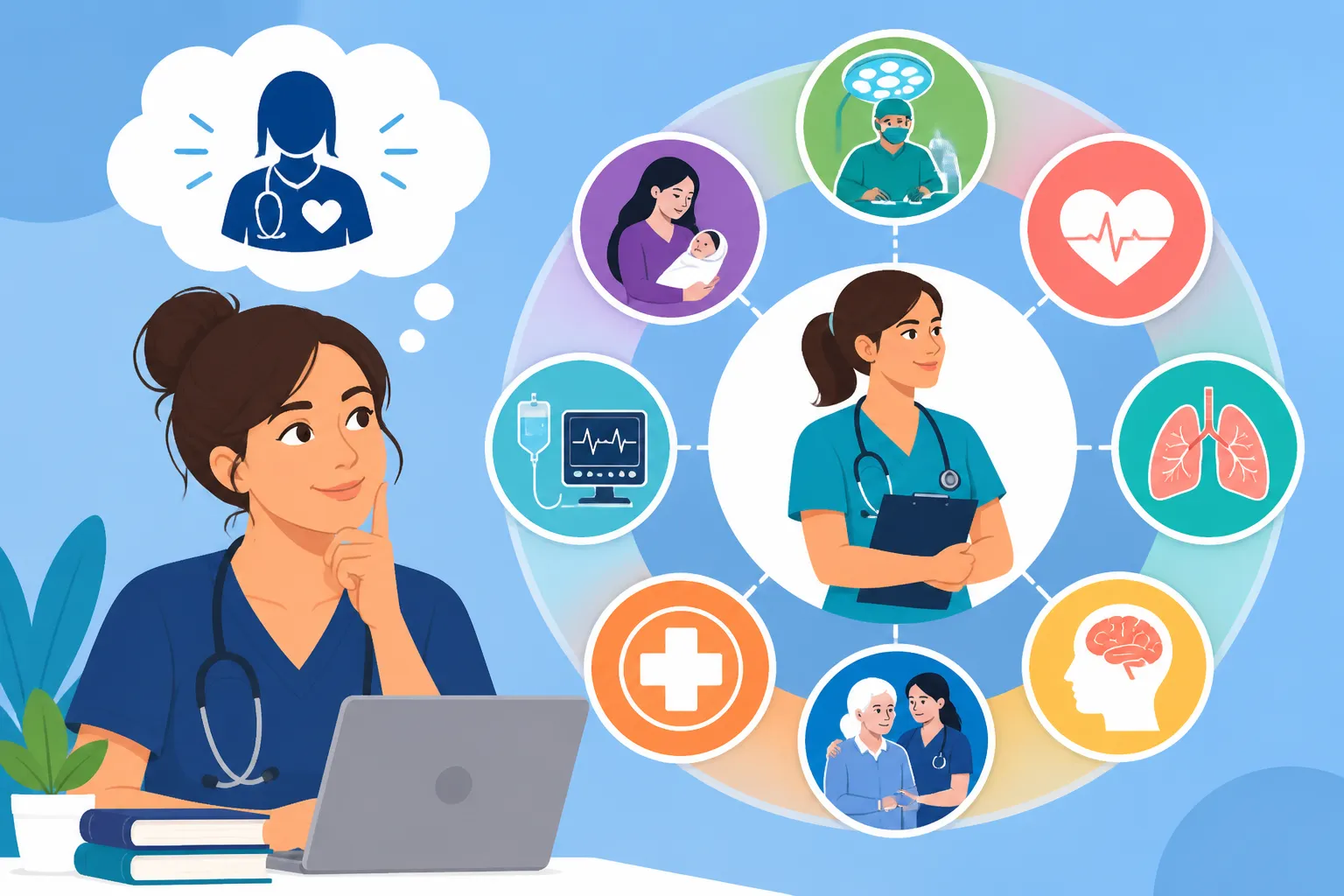
How to Choose a Nursing Specialty
It's a common story in nursing: you've worked hard to get your license, you're on the floor, and suddenly you realize the vast ocean of nursing is much bigger than you ever imagined. With so many paths, so many different patient populations, and such varied day-to-day work, it can feel utterly overwhelming trying to figure out where you truly belong. This guide is here to walk you through the process of exploring your options, understanding your preferences, and ultimately choosing a nursing specialty that truly resonates with your professional aspirations and personal well-being.
The Overwhelming World of Nursing Specialties
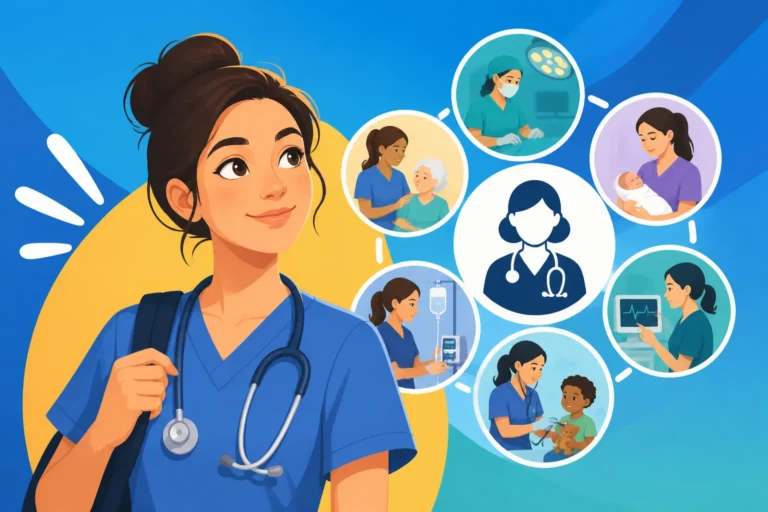
When you first become a Registered Nurse, whether through an ADN or BSN program, you’re equipped with a broad range of skills and knowledge. But the reality of nursing is that it’s not a one-size-fits-all profession. Hospitals, clinics, and communities require nurses with specialized expertise to meet the diverse needs of their patients. This incredible breadth is both a blessing and a curse; it offers endless opportunities but can also leave you feeling lost in the sheer volume of choices. It’s a completely valid feeling to stare at a list of specialties and wonder if you're even cut out for any of them.
Why Nurses Struggle to Choose a Path
One of the biggest reasons nurses feel stuck is the sheer pressure of making the "right" decision. You've invested so much time, effort, and money into your nursing education, and the idea of picking a specialty that doesn't fit can feel like a major setback. Many nurses enter the field with a romanticized idea of what a certain specialty might be like, only to find the reality is quite different. Perhaps you loved your pediatrics rotation, but the thought of dealing with acutely ill children on a daily basis now feels too emotionally taxing. Or maybe you thought the emergency room would be thrilling, but the constant chaos and unpredictable schedule are draining your energy more than you anticipated. It's tough to reconcile those expectations with the gritty reality, and that internal conflict can paralyze you.
Another factor is the influence of others. You might have friends who swear by critical care, or family members who encourage you to pursue a specific field for its perceived prestige or pay. While external advice can be helpful, it can also cloud your own judgment and make it harder to hear your inner voice about what truly motivates you. You might also worry about pigeonholing yourself too early in your career, fearing that once you pick a specialty, you're stuck there forever. It's important to remember that nursing is a dynamic career, and evolving your path is not only possible but often beneficial.
The Importance of Finding Your Niche
Finding your nursing niche isn't just about job satisfaction; it's about building a sustainable and fulfilling career. When you work in a specialty that aligns with your personality, skills, and values, you're more likely to thrive, experience less burnout, and provide higher-quality patient care. Think about it: if you dread going to work every day because the environment is too stressful, or the patient population doesn't resonate with you, it takes a massive toll. Conversely, when you're passionate about what you do, you bring a different level of energy and engagement to your role.
Moreover, specializing allows you to deepen your expertise and become a true master in your chosen area. This depth of knowledge is incredibly valuable, not just for your patients but also for your career progression. Specialized nurses are often sought after for leadership roles, advanced practice positions, and educational opportunities. It can lead to better opportunities, and often, higher salaries. For a comprehensive overview of the many directions your career can take, explore the various Nursing Specializations Explained.
Self-Assessment: Understanding Your Nursing DNA
Before you start diving into specific specialties, take a step back and engage in some serious self-reflection. This isn't just a feel-good exercise; it's a critical first step in narrowing down the vast array of options. Understanding your "nursing DNA" – your core motivations, strengths, and preferences – will serve as your compass in this exploration. It's about being honest with yourself about what truly makes you tick and what drains your battery.
Reflecting on Your Passions and Interests
Think back to your nursing school rotations or your current general practice experience. What aspects of patient care genuinely excited you? Was it the fast-paced, high-stakes environment of the ICU, where every second counts? Or perhaps the long-term relationships you built with patients in a rehabilitation setting? Did you find yourself particularly drawn to educating patients about their chronic conditions, or advocating for vulnerable populations? These are not trivial observations; they are clues to where your passion truly lies.
Consider what kinds of health challenges you find most compelling. Are you fascinated by the intricate complexities of cardiac conditions, or do you feel a strong calling to support mental health patients? Maybe the unique dynamics of maternal-child health capture your heart. It's also worth thinking about what kind of intellectual stimulation you crave. Do you enjoy critical thinking and problem-solving under pressure, or do you prefer a more predictable routine with opportunities for in-depth patient education? Your natural curiosity and what you enjoy learning about can be strong indicators of a fitting specialty.
Identifying Your Strengths and Weaknesses
No one is good at everything, and that's perfectly okay! Recognizing your natural aptitudes and areas where you struggle can significantly guide your decision. Are you a meticulous planner, excellent at organization, and skilled at managing multiple tasks simultaneously? This might make you well-suited for a specialty like surgical nursing or case management. Are you naturally empathetic, a great listener, and skilled at de-escalation? Perhaps psychiatric nursing or hospice care would leverage those interpersonal strengths.
On the flip side, be honest about your weaknesses or preferences to avoid. Do you find yourself easily overwhelmed by constant noise and activity? Then a busy emergency department might not be your ideal fit. Do you struggle with the emotional intensity of end-of-life care? Hospice or oncology might be particularly challenging for you. If you're a recent graduate feeling unsure, consider reviewing your performance in different clinical settings during your education. Which areas did you excel in, and which ones did you find particularly draining or difficult? Sometimes, our weaknesses aren't true weaknesses but rather an indicator of environments or tasks that simply don't align with our inherent disposition.
Considering Your Work-Life Balance Priorities
This is a huge one, and it's often overlooked by eager new nurses. Nursing can be demanding, and different specialties come with vastly different work schedules, on-call requirements, and emotional tolls. What kind of work-life balance are you hoping to achieve? Do you thrive on a predictable 9-to-5 schedule, or do you prefer the flexibility of three 12-hour shifts a week, even if they include nights and weekends? Are you willing to be on-call frequently, or do you need distinct boundaries between your work and personal life?
If you have family commitments, pursue higher education, or have significant hobbies outside of work, these factors will heavily influence what specialties are sustainable for you in the long run. For instance, some specialties like critical care or emergency nursing often involve rotating shifts, nights, weekends, and holidays. On the other hand, specialties like school nursing, public health, or clinic-based roles might offer more consistent daytime hours. It’s crucial to assess what you need to feel balanced and avoid burnout. Sacrificing your personal well-being for a specialty that doesn't fit your lifestyle is a recipe for quick disillusionment.
Exploring Diverse Nursing Environments and Patient Populations
Once you have a better handle on your own preferences, it's time to start exploring the tangible differences between nursing roles. Nursing isn't just about what you do, but where you do it and who you care for. The environment and patient population profoundly shape the day-to-day experience of a nurse.
Acute Care Settings: Fast-Paced and Critical
Acute care settings are typically what most people picture when they think of nursing: hospitals, emergency rooms, intensive care units, and surgical floors. These environments are characterized by their fast pace, high-stakes decision-making, and critical patient conditions. Nurses in acute care often manage multiple patients with complex medical needs, administer a wide range of medications, operate advanced medical equipment, and respond quickly to emergencies.
For nurses who thrive under pressure, enjoy rapid problem-solving, and have a high tolerance for stress, acute care can be incredibly rewarding. You're constantly learning, and the variety of cases can keep things interesting. Consider the intensive care unit (ICU), where nurses care for critically ill patients requiring constant monitoring and interventions. This could be a surgical ICU (SICU), medical ICU (MICU), or a neuro ICU (NICU). Then there's the emergency department (ED), where you never know what will come through the door, from minor injuries to life-threatening traumas. Operating room (OR) nurses, also known as perioperative nurses, work closely with surgical teams, ensuring patient safety and managing equipment before, during, and after surgery. While demanding, these roles offer unique opportunities for skill development and direct impact on patient outcomes. For those interested, diving into specific roles like How to Become a Critical Care Nurse can provide more detail.
Ambulatory and Community Care: Relationships and Prevention
Moving away from the hospital, ambulatory and community care settings offer a different rhythm and focus. These roles often emphasize health promotion, disease prevention, and building long-term relationships with patients and their families. They typically involve more predictable schedules, and the pace, while still busy, tends to be less frenetic than acute care.
Examples include clinic nursing, where you might work in a primary care office, a specialty clinic (like cardiology or dermatology), or an urgent care center. Here, you're often involved in patient assessments, medication administration, education, and assisting providers with procedures. Public health nurses work within communities, identifying health risks, developing prevention programs, and providing education on issues like immunizations or chronic disease management. School nurses play a vital role in maintaining the health and well-being of students, managing medications, addressing acute illnesses or injuries, and serving as a health resource for the school community. Home health nurses visit patients in their homes, providing skilled care, education, and support, often forming deep connections with their clients. These roles are ideal for nurses who enjoy patient education, fostering independence, and working proactively to improve health outcomes outside of an acute crisis.
Specialty Populations: From Peds to Geriatrics
Beyond the setting, the type of patient you care for is a massive differentiator in nursing. Are you drawn to the innocence and vulnerability of children, or the wisdom and complex needs of the elderly? Each population requires a unique approach, specific communication skills, and specialized knowledge.
- Pediatric Nursing: Working with infants, children, and adolescents requires patience, creativity, and the ability to communicate effectively with both young patients and their often anxious parents. Pediatric nurses might work in children's hospitals, clinics, schools, or even in home health. If you feel a strong affinity for younger patients, exploring roles like How to Become a Pediatric Nurse could be a great starting point.
- Geriatric Nursing: As the population ages, the demand for nurses specializing in geriatrics is growing exponentially. These nurses care for older adults, often managing multiple chronic conditions, cognitive impairments, and focusing on quality of life. This can occur in hospitals, long-term care facilities, assisted living, or home care.
- Maternal-Child Health: This broad category includes labor and delivery (L&D) nurses, postpartum nurses, and neonatal intensive care unit (NICU) nurses. L&D nurses support women through childbirth, while postpartum nurses care for new mothers and their newborns. NICU nurses provide highly specialized care to premature or critically ill infants. These roles are often incredibly rewarding but can also be emotionally intense.
- Psychiatric Mental Health Nursing: This field involves caring for individuals with mental health disorders, providing therapeutic communication, medication management, and support for patients and families. These nurses work in inpatient psychiatric units, outpatient clinics, correctional facilities, or community mental health centers. The ability to listen, empathize, and de-escalate situations is paramount here.
This table offers a quick comparison of various nursing specialties across different dimensions.
| Specialty | Primary Setting(s) | Patient Focus | Typical Pace | Key Skills | Work-Life Balance Potential (General) | Certification Example |
|---|---|---|---|---|---|---|
| Critical Care (ICU) | Hospital (ICU, CCU, SICU) | Critically Ill Adults/Peds | Very Fast, High-Stress | Critical Thinking, Tech Savvy, Resuscitation | Challenging (Nights/Weekends) | CCRN |
| Emergency (ER) | Hospital (ED) | All Ages, Any Condition | Unpredictable, Rapid | Quick Assessment, Prioritization, Adaptability | Challenging (Nights/Weekends) | CEN |
| Labor & Delivery (L&D) | Hospital (L&D Unit) | Pregnant & Postpartum Women, Newborns | Moderate to Fast, Episodic | Fetal Monitoring, Pain Management, Support | Moderate (On-call likely) | RNC-OB |
| Pediatrics | Hospital, Clinic, School | Infants, Children, Teens | Moderate to Fast | Child-Friendly Communication, Family Support | Varies by setting | CPN |
| Oncology | Hospital, Infusion Center, Clinic | Cancer Patients | Moderate, Emotional | Chemotherapy Admin, Symptom Management, Empathy | Moderate | OCN |
| Psychiatric Mental Health | Hospital (Psych Unit), Outpatient | Mental Health Patients | Moderate | Therapeutic Communication, De-escalation | Good | PMH-BC |
| Public Health | Community, Clinics, Schools | Populations, Groups | Moderate | Education, Advocacy, Assessment, Program Dev. | Excellent (Usually Day Hours) | CPH (for advanced roles) |
| Operating Room (OR) | Hospital (Surgical Suites) | Surgical Patients | Fast, Focused | Sterile Technique, Precision, Teamwork | Good (Some On-call) | CNOR |
| Case Management | Hospital, Insurance Co., Home | Complex Care Patients | Moderate | Coordination, Advocacy, Problem-Solving | Excellent (Usually Day Hours) | CCM (interdisciplinary) |
| School Nursing | School | Students, School Staff | Moderate, Varied | First Aid, Health Education, Chronic Cond Mgmt | Excellent (School Hours/Holidays) | NCSN |
Researching Specific Specialties: Beyond the Job Description
Once you've reflected on your inner compass and broadly considered different environments and populations, it's time to get down to the nitty-gritty: researching specific specialties. Don't just read the top-level job descriptions; you need to dig deeper to truly understand what a role entails.
Deep Dive into Day-to-Day Responsibilities
The official job title often doesn't tell the whole story. What does a typical day, or even an atypical day, really look like for a nurse in a particular specialty? If you're considering oncology, for instance, it's not just about administering chemotherapy; it involves extensive patient education, managing complex side effects, providing emotional support to patients and families, coordinating with a multidisciplinary team, and sometimes navigating difficult conversations about prognosis. If you're intrigued by the idea of being a Travel Nurse: Role, Salary, and How to Start, remember that your 'day-to-day' will change frequently as you move between facilities and patient populations.
Consider the ratio of direct patient care to documentation, the amount of physical exertion involved, the types of technology you'll be using, and the level of autonomy you'll have. For example, a home health nurse might spend a significant portion of their day driving between patients, while an ICU nurse will be tethered to a patient's bedside for most of their shift, constantly monitoring vital signs and managing complex drips. The emotional demands also vary immensely. While all nursing is emotionally taxing to some degree, some specialties, like hospice or pediatric oncology, can involve a more profound level of emotional labor and require significant coping strategies.
Understanding Educational and Certification Requirements
Many specialties require more than just a general RN license. While your initial ADN or BSN provides a strong foundation, advancing in certain areas often means pursuing additional education or specialized certifications. For instance, to become a certified emergency nurse (CEN) or critical care registered nurse (CCRN), you'll typically need a certain number of hours of experience in that specialty, followed by passing a rigorous certification exam. Resources like UWorld are often used by nurses to prepare for these certification exams, similar to how they help prepare for the NCLEX.
For advanced practice roles, such as a Nurse Practitioner (NP) or Clinical Nurse Specialist (CNS), you'll need to pursue a Master of Science in Nursing (MSN) or a Doctor of Nursing Practice (DNP). These graduate programs involve extensive coursework and clinical hours specific to your chosen population focus (e.g., family, pediatrics, psychiatric mental health). Knowing these requirements upfront helps you plan your career trajectory. If you're interested in, say, becoming an Accredited Online RN to BSN Programs can be a great step, but becoming a Nurse Practitioner will require further schooling. Understanding the Nursing Certifications by Specialty available can help you map out your professional development.
Job Market Outlook and Salary Potential
While passion should be a primary driver, practical considerations like job availability and earning potential are also important. It's smart to research the current and projected demand for nurses in various specialties in your desired geographic area. Some specialties, like geriatrics, mental health, and certain advanced practice roles, are consistently in high demand due to an aging population and increasing recognition of mental health needs. Conversely, some highly specialized areas might have fewer openings, making entry more competitive.
Salary also varies significantly by specialty, location, and experience. For example, a Certified Registered Nurse Anesthetist (CRNA) is one of the Highest-Paying Nursing Specialties, often requiring a DNP and extensive critical care experience. On the other hand, a school nurse might have a lower salary but enjoy a more predictable schedule and school holidays. Websites like the Bureau of Labor Statistics (BLS) and professional nursing organizations offer data on average salaries and job growth projections for different nursing roles. Don't just look at the highest numbers; consider the overall Nursing Job Outlook and Demand and how it aligns with your long-term financial and career goals. Knowing How Much Do Nurses Make in various roles can help you make an informed decision about the return on your educational investment.
Gaining Real-World Experience and Networking
Researching online is valuable, but nothing beats actual experience and direct interaction with nurses in your chosen fields. This hands-on approach can confirm your interests or, just as importantly, reveal that a perceived dream specialty isn't quite what you imagined.
Shadowing and Clinical Rotations
If you're still in nursing school, maximize your clinical rotations. Approach each rotation as an opportunity to truly immerse yourself. Ask questions, volunteer for different tasks, and observe not just the patient care but also the team dynamics and the overall atmosphere of the unit. If you've already graduated, inquire about shadowing opportunities. Many hospitals or clinics are open to allowing interested nurses to spend a few hours or a shift observing a nurse in a specific specialty. This is an invaluable way to get a feel for the environment and the day-to-day work without the full responsibility.
Consider asking your clinical instructor or nurse manager if you can spend a day in a different unit or shadow a nurse in a specialty that piques your interest. Even if it's just a few hours, seeing the workflow, the types of cases, and the interactions with patients and colleagues firsthand can provide clarity that no amount of reading can. This hands-on observation can also highlight aspects of the job you hadn't considered, both positive and negative.
Informational Interviews and Mentorship
Talk to nurses who are actually working in the specialties you're considering. These "informational interviews" are not about asking for a job, but about gathering insights. Ask them what they love most about their job, what challenges they face, what a typical day looks like, and what they wish they had known before entering the field. Ask about the required certifications, the continuing education, and the career advancement opportunities. Most nurses are happy to share their experiences and offer advice to aspiring colleagues.
Seek out mentorship. A mentor in a particular specialty can provide ongoing guidance, answer questions, and even help you network. They can offer a realistic perspective, share strategies for success, and warn you about potential pitfalls. You can find mentors through professional organizations, workplace initiatives, or simply by connecting with experienced nurses you admire. This kind of personal connection can be incredibly helpful when navigating a significant career decision.
Professional Organizations and Conferences
Nearly every nursing specialty has a corresponding professional organization. The American Association of Critical-Care Nurses (AACN), the Emergency Nurses Association (ENA), the Oncology Nursing Society (ONS), and the American Psychiatric Nurses Association (APNA) are just a few examples. Joining these organizations can provide a wealth of resources: educational materials, networking events, mentorship programs, and access to specialty-specific job boards.
Attending conferences, even virtual ones, allows you to learn about the latest advancements in a field, network with experts, and get a broader sense of the community within that specialty. Hearing presentations on diverse topics within a specialty can either solidify your interest or make you realize it's not quite what you expected. These organizations also provide pathways to understanding Nursing Specialty Career Paths and how to advance within a chosen field. Many also offer prep courses and study materials, like those found on UWorld, to help members earn valuable certifications.
Practical Considerations for Your Specialty Choice
Beyond passion and patient care, there are some very real, practical factors that will impact your long-term satisfaction and sustainability in a nursing specialty. Ignoring these can lead to burnout, financial strain, or a feeling of being trapped.
Financial Implications and Growth Opportunities
We've touched on salary, but it's worth a deeper dive into the overall financial picture. Some specialties might offer a higher starting salary, but what about the potential for growth? Does the specialty lead to advanced practice roles that significantly boost earning potential, like becoming a Nurse Practitioner or a Nurse Anesthetist? Or are the salary increases more incremental, based primarily on years of experience? Think about the RN to BSN Salary Increase you might see, or the even larger jump from BSN to MSN.
Also consider the cost of living in the areas where your desired specialty is in high demand. A high salary in San Francisco might not go as far as a moderate salary in a less expensive city. Factor in potential tuition costs for additional certifications or degrees you might need, and whether your employer offers tuition reimbursement. Understanding the Highest-Paying Nursing Careers and how they align with your interest is a smart move.
Long-Term Career Goals and Advancement
Where do you see yourself in 5, 10, or even 20 years? Some specialties offer clear pathways to leadership, education, or advanced practice roles. For example, experience in critical care is often a prerequisite for many advanced roles, including CRNA programs. If you aspire to become a nurse educator, certain specialties might offer more opportunities for teaching and mentorship. If you envision yourself in a management position, specialties that hone your organizational and leadership skills would be beneficial.
Think about the transferability of skills. While specializing is great, sometimes choosing a broader specialty initially can provide a wider range of transferable skills if you decide to pivot later. For instance, medical-surgical nursing provides a strong general foundation that can serve as a stepping stone to many other areas. It's not about being stuck, but about building a career that allows for growth and evolution. If you ever feel the need to move, knowing How to Switch Nursing Specialties can be empowering.
Flexibility and Adaptability in Nursing
Life happens, and your personal circumstances might change. How flexible is your chosen specialty if you need to move, work part-time, or take a sabbatical? Some specialties, like travel nursing, offer inherent flexibility, allowing you to work in different locations for short contracts. Others, like telehealth nursing or nursing informatics, can offer opportunities for remote work, which can be a huge benefit for work-life balance.
Consider the physical demands of a specialty as you age. While you might be able to handle the physical rigor of acute care in your 20s and 30s, you might prefer a less physically demanding role later in your career. Specialties that involve less direct patient handling, more desk work, or a focus on education or administration could be appealing long-term options. Being adaptable means having options, and choosing a specialty that doesn't completely close doors can be a wise strategy.
Making the Final Decision and Planning Your Transition
After all the self-reflection, research, and real-world exploration, it's time to make a decision. This doesn't have to be a monumental, irreversible choice, but a thoughtful commitment to explore a path.
Trusting Your Gut and Minimizing Regret
Ultimately, the best specialty for you is the one that feels right. You've gathered data, talked to people, and gained experience. Now, listen to your intuition. Which specialty genuinely excites you? Which one feels like a natural fit for your personality and aspirations? Don't let the fear of making the "wrong" choice paralyze you. Remember, nursing is a career with many facets, and it's okay to try a specialty and discover it's not for you. Many nurses transition between specialties throughout their careers. It's a journey of continuous learning and adaptation.
To minimize regret, ensure you've done your due diligence. Have you honestly assessed your strengths and weaknesses? Have you spoken to nurses who work in that field? Have you considered the practical implications? If you can answer yes to these questions, then trust your judgment. Even if it doesn't turn out to be your forever home, the experience you gain will be invaluable.
Developing a Strategic Action Plan
Once you've identified a specialty or a few top contenders, create a concrete plan to move forward. This might involve:
- Gaining relevant experience: If you're a new graduate, look for entry-level positions that expose you to the patient population or skill set of your desired specialty. For instance, if you want to be a critical care nurse, starting on a step-down unit or a medical-surgical floor with high-acuity patients can be a great stepping stone.
- Pursuing certifications or additional education: Research any specific certifications that are highly valued in your chosen field. Enroll in relevant continuing education courses to deepen your knowledge. Consider whether an Accelerated BSN Programs Explained is the right path if you're a second-career nurse, or if you need an RN to BSN Completion Timeline to reach your goals.
- Networking actively: Continue to build relationships with nurses in your target specialty. Attend local chapter meetings of professional organizations. These connections can open doors to job opportunities and mentorship.
- Updating your resume and cover letter: Tailor your application materials to highlight any experience, skills, or personal qualities that align with your desired specialty. Emphasize your passion and commitment to that particular field.
Embracing the Journey of Continuous Learning
Nursing is a profession of lifelong learning. No matter which specialty you choose, you will constantly encounter new challenges, technologies, and best practices. Embrace this reality. Stay curious, read professional journals, attend workshops, and seek out new learning opportunities. Many online resources, like UWorld, offer study aids and question banks not just for initial licensure but for various specialty certifications, ensuring you stay sharp and up-to-date.
Your journey to finding the "perfect" nursing specialty might not be a straight line, and that's perfectly normal. It's often a process of exploration, trial, and refinement. Each experience, whether it confirms your interest or redirects you, contributes to your growth as a nurse. Approach it with an open mind, a willingness to learn, and the understanding that your career path is yours to shape.
Disclaimer
The information provided in this guide is for general informational purposes only and does not constitute professional advice. Nursing education and career paths are subject to change, and requirements can vary by state, institution, and employer. Always consult with academic advisors, career counselors, and official institutional or organizational resources for the most accurate and up-to-date information regarding your specific situation.