School Nurse: Role, Salary, and How to Start
If you're a nurse, or even someone considering a nursing career, you might picture a school nurse's day as mostly handing out ice packs and calling parents about sniffles. But let me tell you, the reality couldn't be further from the truth. School nursing is a dynamic, challenging, and incredibly rewarding field, demanding a unique blend of clinical expertise, public health savvy, and a huge heart for kids. This guide will walk you through the true scope of a school nurse's role, what you can expect in terms of salary, and the essential steps to make this impactful career your own.
What Does a School Nurse Actually Do? The Heart of the School Community
It's easy to underestimate the role of a school nurse. Many people, even within the healthcare field, might think it's a "cushy" job with regular hours and low stress. But that perception truly misses the mark. A school nurse is often the sole healthcare provider for hundreds, sometimes thousands, of students and staff in a given school building, acting as a crucial bridge between healthcare, education, and the family unit. Their work is a blend of clinical care, public health, mental health support, and passionate advocacy, all performed in a non-traditional, often fast-paced, and unpredictable environment.
Think about it: in a typical school day, a nurse might manage a severe allergic reaction one moment, counsel a teenager about anxiety the next, administer daily medications to dozens of students, and then be part of a team planning for a student's complex medical needs. They are frontline public health advocates, ensuring vaccination compliance and managing communicable disease outbreaks, especially vital in today's world. This isn't just a job; it's a calling that requires a broad skill set and an unwavering commitment to the well-being of an entire school community.
More Than Just Band-Aids: The Diverse Responsibilities
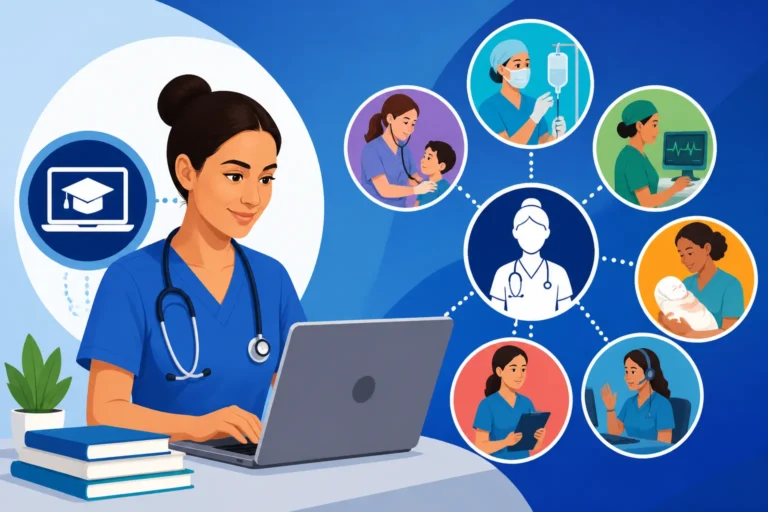
The daily tasks of a school nurse are incredibly varied and often require quick thinking and sound judgment. It's a role where you need to be prepared for anything, from minor scrapes to life-threatening emergencies. You're not just a first responder; you're also a health educator, a care coordinator, and a compassionate listener.
A significant part of the day involves managing acute and chronic health conditions. This includes administering prescribed medications, monitoring blood glucose levels for diabetic students, performing nebulizer treatments for asthmatic children, and assessing injuries. They also conduct routine screenings for vision, hearing, and scoliosis, identifying potential issues that could impact a student's learning or overall development. Each interaction, no matter how brief, requires careful documentation and often communication with parents or guardians.
Beyond direct care, school nurses are instrumental in developing individualized healthcare plans (IHPs) for students with chronic conditions, ensuring they can safely participate in school activities. They train staff on emergency procedures, medication administration, and recognizing signs of illness or distress. This proactive, preventative approach is what truly sets school nursing apart, as it aims to keep students healthy enough to learn and thrive in their educational environment.
Advocating for Student Health and Wellness
One of the most profound aspects of a school nurse's role is their advocacy for student health and wellness, extending far beyond the immediate medical needs of a child. They are often the first to identify broader health trends or concerns within the student population, acting as a vital data point for public health initiatives. This can involve anything from promoting healthy eating habits and physical activity to addressing issues like substance abuse prevention, bullying, and mental health awareness.
School nurses play a critical role in mental health support, especially as schools become increasingly aware of the mental health crisis affecting young people. They are often the trusted adult a student confides in, recognizing signs of anxiety, depression, or other mental health challenges. While not therapists, they provide initial support, offer resources, and facilitate referrals to appropriate mental health professionals, ensuring students get the help they need. This holistic approach means they're not just treating symptoms but looking at the child as a whole, understanding that physical and mental health are intrinsically linked to academic success.
Furthermore, school nurses serve as crucial liaisons between students, families, school staff, and external healthcare providers. They ensure that communication flows smoothly, translating medical jargon for educators and advocating for accommodations that allow students with special health needs to fully participate in school. They bridge cultural and socioeconomic gaps, helping families navigate complex healthcare systems and access necessary resources, embodying the spirit of community health nursing.
Navigating the Unique School Environment
Working in a school environment presents its own set of challenges and unique dynamics that differ significantly from a hospital or clinic setting. School nurses operate within the educational system, meaning they must understand and adhere to both healthcare regulations and educational policies, like FERPA (Family Educational Rights and Privacy Act) and HIPAA (Health Insurance Portability and Accountability Act). This dual responsibility requires a nuanced approach to confidentiality and information sharing.
You'll be working with children and adolescents across a wide age spectrum, from kindergartners needing help with scraped knees to high schoolers dealing with complex health issues, peer pressure, or emotional crises. Each age group requires a different communication style and approach to care. Collaborating effectively with teachers, administrators, counselors, and support staff is paramount. You are an integral part of the school team, offering expertise and guidance on health-related matters that impact the entire student body.
Another common scenario involves managing parental expectations and concerns, which can sometimes be a delicate balance. Parents trust the school nurse with their child's well-being, and clear, empathetic communication is key, especially when dealing with sensitive health issues or emergencies. The ability to build trust and rapport with families is essential, as you'll often be providing education and reassurance in stressful situations.
How to Become a School Nurse: Your Path to Impact
Becoming a school nurse isn't just about having a nursing license; it's about building a specific skill set and educational foundation that prepares you for the unique demands of the school setting. While the core of nursing remains universal, school nursing requires a distinct understanding of child development, public health principles, and educational policy. It's a journey that builds on your initial nursing education and often includes specialized training and certification.
Many nurses find themselves drawn to school nursing after gaining experience in other specialties, realizing their passion for working with children and their desire for a more preventative and educational role. Others might target this path from the very beginning of their nursing journey. Either way, preparing for this role involves strategic educational choices and a commitment to continuous learning.
Educational Requirements: From RN to BSN and Beyond
The foundational step to becoming a school nurse, like any registered nurse, is to obtain either an Associate Degree in Nursing (ADN) or a Bachelor of Science in Nursing (BSN) from an accredited program. After graduating, you must pass the NCLEX-RN exam to obtain your registered nurse (RN) license in your state. Many new nurses utilize comprehensive study resources, such as those offered by Uworld, to effectively prepare for this critical exam.
While an ADN might get your foot in the door in some districts, the trend is strongly moving towards preferring, and often requiring, a BSN. A BSN provides a broader education in public health, community nursing, leadership, and research, which are all highly relevant to the diverse responsibilities of a school nurse. Many nurses who start with an ADN choose to pursue an online RN to BSN program while working, which is an excellent way to advance their education and career prospects. To learn more about this, you can explore guides like RN to BSN Requirements Explained or Online RN to BSN Programs: Complete Guide.
For those looking to truly excel and potentially take on leadership roles or work in more complex health settings within schools, a Master of Science in Nursing (MSN) with a focus on public health, pediatrics, or school nursing is an option. Some states or larger school districts may even require specific school nurse certification beyond the RN license, such as the National Certified School Nurse (NCSN) credential, which often benefits from an advanced degree and specialized experience.
Gaining the Right Experience and Certifications
Once you have your RN license and preferably a BSN, gaining relevant clinical experience is key. While any nursing experience is valuable, experience in pediatrics, community health, emergency care, or mental health will be particularly beneficial. Working in a pediatric ward, a children's clinic, or even a summer camp nurse role can provide invaluable exposure to the health needs of children and adolescents. These experiences help you develop the assessment skills, communication techniques, and judgment necessary for the school environment.
Many states and school districts require or highly recommend specific school nurse certifications. The most widely recognized is the National Certified School Nurse (NCSN) credential, offered by the National Board for Certification of School Nurses (NBCSN). This certification validates your specialized knowledge and expertise in school health services. Preparing for the NCSN exam often involves extensive self-study and potentially review courses. Just as Uworld is a popular tool for NCLEX preparation, other specialized resources exist to help nurses prepare for specific certifications.
Beyond formal certifications, developing skills in health education, counseling, and crisis intervention will set you apart. Volunteering in school health programs or participating in workshops focused on child and adolescent health can also demonstrate your commitment and build your resume. Continuous professional development is crucial, as the health landscape for children and schools is constantly evolving.
The Application Process and What Schools Look For
Applying for a school nurse position is similar to applying for other nursing roles, but with a few unique twists. Your resume should highlight any experience with children, public health, health education, or crisis management. Emphasize your ability to work autonomously, make critical decisions, and collaborate with a multidisciplinary team. It’s also wise to tailor your cover letter to demonstrate your understanding of the specific challenges and rewards of school nursing within an educational setting.
During interviews, be prepared to discuss hypothetical scenarios involving common school health issues, emergency response, and communication with parents and staff. Interviewers will often be looking for strong communication skills, an empathetic demeanor, and a solid grasp of nursing principles as they apply to a diverse student population. They want to see that you can not only provide excellent clinical care but also integrate seamlessly into the school's educational mission.
Beyond your nursing credentials, schools will conduct thorough background checks and require fingerprinting, given the vulnerable population you'll be working with. They'll also verify your licensure and potentially your vaccination status. Demonstrating a genuine passion for working with children and a commitment to their overall well-being will make a significant impact during the application process. Showing an understanding of concepts like Public Health Nurse: Role, Salary, and How to Start can also be beneficial, as there is significant overlap.
School Nurse Salary and Career Outlook
When considering any career, understanding the financial compensation and future job prospects is naturally a big part of the decision. For school nurses, the salary can vary quite a bit, but the career outlook generally remains positive, reflecting the increasing recognition of their vital role in supporting student success and public health. It’s important to look beyond just the numbers and consider the unique benefits and intangible rewards that come with this specialized nursing path.
Many nurses are drawn to school nursing not just for the paycheck, but for the lifestyle it offers, such as more predictable hours and school holidays, which can be particularly appealing to those raising families. However, it's a field where your value extends far beyond your hourly rate, making a profound impact on individual lives and the wider community.
Understanding the Salary Landscape for School Nurses
The salary for a school nurse can fluctuate widely based on several factors, including geographic location, years of experience, educational attainment (ADN vs. BSN vs. MSN), and the size and budget of the school district. According to data from various sources like the Bureau of Labor Statistics (BLS) and salary aggregation sites, the average annual salary for a school nurse typically falls within the range of $50,000 to $70,000. However, in higher cost-of-living areas or larger, more affluent districts, salaries can certainly exceed this, sometimes reaching $80,000 or more, especially for experienced nurses with advanced degrees.
For instance, a school nurse in a suburban district outside a major city like Boston or San Francisco might earn significantly more than one in a rural area of, say, Kansas. Similarly, a new BSN-prepared nurse fresh out of their program will likely start at a lower wage than a seasoned RN with a decade of pediatric emergency room experience and an MSN. Understanding these nuances is crucial when researching potential earnings. You can explore a broader perspective on nursing compensation in guides such as How Much Do Nurses Make and Nursing Salary by Degree Level.
It's also worth noting that school nurses often receive benefits packages that include health insurance, retirement plans (often through state public employee systems), and paid time off, which can add significant value to their overall compensation. The work schedule, which typically aligns with the academic calendar, means weekends, evenings, and school holidays off, a benefit rarely found in traditional hospital nursing.
Job Stability and Growth in School Nursing
The job outlook for school nurses remains strong and is projected to grow, aligning with the overall demand for registered nurses. The Bureau of Labor Statistics projects a steady growth for registered nurses over the next decade. Within this broader category, the specific demand for school nurses is influenced by several factors. As chronic conditions like asthma, diabetes, and allergies become more prevalent among children, and as mental health needs in schools become more recognized, the necessity for qualified school nurses only increases.
Many states and school districts are increasingly recognizing the importance of having a dedicated, highly skilled nurse on staff to manage these complex health needs, prevent illness, and promote overall wellness. The role of the school nurse is expanding beyond reactive care to proactive health management and education, which further solidifies their essential position within the educational system. This growing emphasis means job security for those in the field. To understand the broader context of nursing career growth, you might find Nursing Job Outlook and Demand to be a helpful resource.
Furthermore, the aging population of current school nurses means that many will be retiring in the coming years, opening up positions for new entrants to the field. While funding for school health services can sometimes be a concern in certain areas, the demonstrable positive impact of school nurses on student attendance, academic performance, and overall public health continues to drive demand. This makes school nursing a stable career choice with meaningful opportunities for impact.
Is School Nursing the Right Fit for You?
Considering a career in school nursing means looking beyond the traditional hospital setting and embracing a unique blend of healthcare and education. It's a role that requires a specific personality type and a diverse set of skills to thrive. While the idea of "school hours" and summers off sounds appealing, it's crucial to understand the realities, both positive and challenging, before making the leap. This section will help you weigh the pros and cons and identify if your strengths and career aspirations align with the demands of this incredibly important profession.
It's not for every nurse, and that's perfectly okay! Some nurses thrive in the fast-paced, high-acuity environment of an emergency room or ICU, finding purpose in critical care. Others prefer the focused, specialized nature of a particular unit. School nursing offers a different kind of fulfillment, one rooted in long-term relationships, prevention, and community health. Exploring different Nursing Specialties Explained can help you decide which path is truly best for you.
Pros and Cons of a School Nursing Career
Like any profession, school nursing comes with its own set of advantages and disadvantages. On the "pro" side, the work-life balance is often cited as a major draw. Aligning with the school calendar typically means no nights, weekends, or major holidays, which can be a huge benefit for nurses with families or those seeking a more predictable schedule. You truly get to be a part of the school community, watching students grow and develop over years, which fosters incredibly rewarding relationships with children and their families. The autonomy in decision-making is also significant, as you often operate as the primary healthcare expert in the building. You have a chance to focus on health education and prevention, shifting from reactive illness care to proactive wellness promotion.
However, there are "cons" to consider. The salary for school nurses can sometimes be lower than what acute care nurses earn, especially in critical care units or specialized hospital roles. While you have autonomy, you also experience significant professional isolation, often being the only nurse in a building of hundreds. This means no direct peer clinical support on-site, which can be challenging during emergencies or complex cases. The range of medical conditions you encounter can be vast, requiring a broad knowledge base, but the nature of care is generally less acute than in a hospital. This might be a downside for nurses who thrive on high-intensity, life-saving interventions. Lastly, while you get holidays off, the budget constraints of school districts can sometimes mean limited resources or heavy workloads, especially in understaffed schools.
Essential Skills for Success in the School Setting
To truly excel as a school nurse, you need a robust skill set that goes beyond basic clinical competencies. Exceptional communication skills are paramount, as you'll be interacting with children of all ages, parents, teachers, and administrators, often explaining complex medical information in understandable terms. You need to be an active listener and a clear, concise speaker. Strong organizational skills are also crucial for managing student health records, medication schedules, care plans, and daily appointments, often without dedicated administrative support. A structured approach ensures nothing falls through the cracks.
Critical thinking and problem-solving abilities are tested daily. You'll often be faced with situations requiring immediate assessment and decision-making in a resource-limited environment, relying on your judgment. Empathy and compassion are non-negotiable, as you'll be supporting children through physical discomfort, emotional distress, and sensitive health issues. You must be able to connect with students and make them feel safe and heard. Furthermore, a knack for health education and the ability to teach effectively are vital, as you'll constantly be empowering students and staff with health knowledge. Adaptability, patience, and a sense of humor round out the essential qualities that will help you thrive in this unique and demanding role.
| Aspect | Description for School Nurse |
|---|---|
| Primary Role | Holistic health management, public health, health education, emergency response for students and staff within a school setting. |
| Typical Environment | K-12 public or private schools. |
| Educational Requirement | RN license (ADN or BSN required, BSN highly preferred/often mandated). |
| Key Experience | Pediatrics, community health, emergency care, mental health (beneficial). |
| Key Certifications | NCSN (National Certified School Nurse) recommended/required in many districts. |
| Work Schedule | Primarily school hours, typically Monday-Friday, school holidays off. No nights/weekends. |
| Autonomy Level | High degree of autonomy as often the sole healthcare provider on-site. |
| Patient Population | Children and adolescents (ages 5-18+), diverse health needs, varying developmental stages. |
| Interdisciplinary Team | Teachers, administrators, counselors, parents, external healthcare providers. |
| Focus | Prevention, health promotion, chronic disease management, acute care, mental health support. |
Disclaimer
The information provided in this article is intended for general informational purposes only and does not constitute professional medical, legal, or educational advice. While we strive to provide accurate and up-to-date content, nursing roles, educational requirements, certifications, and salaries can vary significantly by location, institution, and individual qualifications. Always consult with official academic advisors, state boards of nursing, and school district human resources departments for the most current and specific information regarding your career path as a school nurse.