Public Health Nurse: Role, Salary, and How to Start
Are you a nurse feeling a little burnt out by the relentless pace of acute care, or perhaps you're just starting your nursing journey and looking for a career that feels truly proactive and community-focused? Many nurses grapple with the feeling that they're constantly reacting to illness rather than preventing it. If you're yearning to make a broader impact, to champion health on a larger scale, and to address the root causes of disease within entire communities, then diving into the world of public health nursing might be the incredibly rewarding path you've been searching for. This comprehensive guide will walk you through what it really means to be a public health nurse, the steps to get there, and what you can expect in terms of career and compensation.
What Exactly Does a Public Health Nurse Do?
When most people picture a nurse, they imagine someone in a hospital, at a clinic, or perhaps making home visits, directly caring for individual patients. And that's certainly a vital part of our profession! But public health nursing operates on an entirely different, yet equally crucial, level. It's about shifting your focus from the individual to the entire community, looking at patterns of health and illness, and designing interventions that can prevent widespread problems before they even start. It’s a specialty that thrives on prevention, education, and advocacy, aiming to improve the health outcomes for whole populations, not just one person at a time.
Shifting from Individual Care to Community Impact
Imagine for a moment the difference between treating a child with asthma in the emergency room and working to identify environmental triggers in an entire neighborhood, educating parents on allergen reduction, and advocating for cleaner air policies. That's the core distinction. While a traditional nurse might excel at providing immediate care and education for a single patient and their family, a public health nurse (PHN) zooms out. They look at the community as their patient, identifying health disparities, understanding social determinants of health like access to healthy food, safe housing, or quality education, and then implementing programs that address these systemic issues.
For example, if you're a bedside nurse at a hospital in, say, Trenton, New Jersey, you might frequently see patients admitted for uncontrolled diabetes. You'd focus on their medication management, diet, and exercise plan. A public health nurse, however, working in that same community, would look at why there's a high rate of uncontrolled diabetes. Are there fresh food deserts? Is there a lack of safe spaces for physical activity? Is there insufficient health education or access to affordable care? Their intervention would involve community gardens, walking programs, or partnerships with local clinics to offer free screenings and culturally competent health education classes, effectively tackling the problem upstream before it leads to hospitalizations.
Key Responsibilities and Daily Tasks
The daily life of a public health nurse can be incredibly varied, far from the structured shifts of a hospital floor. One day, you might be administering flu shots at a community center, and the next, you could be analyzing epidemiological data to track a local outbreak of measles. You might develop health education materials on safe infant sleep practices for new parents, or collaborate with local government officials to advocate for policy changes that improve public sanitation.
A significant portion of a PHN's role involves assessment and planning. This means collecting and analyzing health data to identify trends, pinpointing vulnerable populations, and then developing and implementing health programs that are evidence-based and culturally sensitive. For instance, a PHN might observe an increase in childhood obesity rates in a particular school district. Their response could involve creating a nutrition education curriculum for elementary schools, working with school cafeterias to improve meal options, and organizing after-school fitness clubs. It's about being proactive, often working behind the scenes, to create healthier environments for everyone.
Diverse Settings for Public Health Nurses
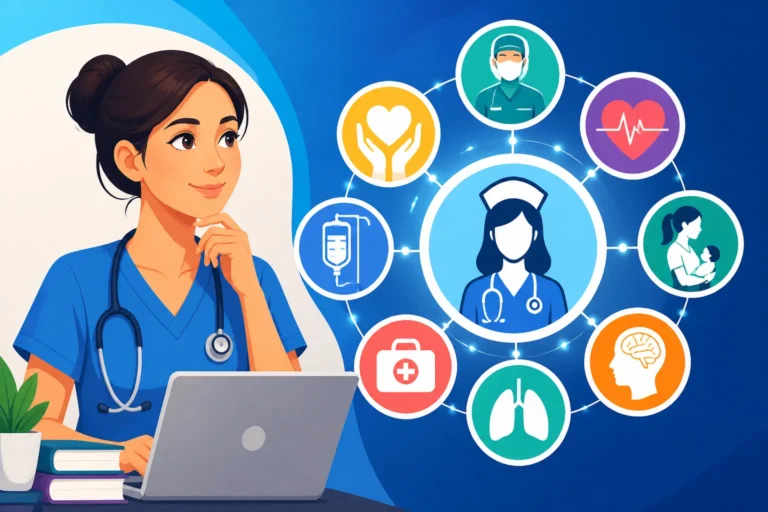
One of the truly appealing aspects of public health nursing is the sheer diversity of work environments. Unlike many nursing roles confined to a hospital or clinic, PHNs can be found almost anywhere that a community needs health promotion and disease prevention. The traditional home for a public health nurse is often a local or state health department. Here, they might manage immunization clinics, run maternal-child health programs, conduct communicable disease investigations, or spearhead emergency preparedness initiatives.
Beyond government agencies, PHNs find roles in schools, ensuring student health, managing chronic conditions, and providing health education; in non-profit organizations focused on specific health issues like HIV/AIDS prevention or cancer screening; and in community clinics, offering preventative care and health screenings. Some even work in correctional facilities, ensuring inmate health, or in corporate settings, promoting employee wellness. Even in challenging environments, resources like Uworld, known for its comprehensive NCLEX preparation, can also offer valuable insights for professional development as you navigate diverse settings and their unique health challenges, helping you stay sharp and informed. It's truly a role that allows you to integrate nursing knowledge with a passion for social justice and community well-being.
The Path to Becoming a Public Health Nurse
Embarking on a career as a public health nurse requires a specific educational foundation and a commitment to continuous learning. While the exact requirements can vary, there’s a clear pathway that most successful public health nurses follow, emphasizing education, licensure, and a growing body of experience.
Educational Foundations
To become a public health nurse, the fundamental step is to become a Registered Nurse (RN). This means earning either an Associate Degree in Nursing (ADN) or a Bachelor of Science in Nursing (BSN) from an accredited program. While an ADN will get you through the NCLEX and into the profession, most employers, particularly those in public health, strongly prefer or even require a BSN. This is because BSN programs provide a broader education, including leadership, research, and, crucially, community health nursing principles that are foundational to public health practice. If you're currently an ADN-prepared nurse, exploring your options for Online RN to BSN Programs: Complete Guide is a smart move.
Many healthcare organizations and the Magnet Recognition Program, which denotes excellence in nursing, actively encourage nurses to pursue their BSN, recognizing its value in enhancing patient outcomes and professional development. For those wondering, "Is an RN to BSN Worth It?" for a public health career, the answer is a resounding yes. A BSN equips you with a deeper understanding of epidemiology, health policy, and health promotion strategies, all of which are essential for a PHN. Some advanced public health roles may even require a Master of Science in Nursing (MSN) or a Master of Public Health (MPH), especially for leadership, administrative, or specialized roles, so looking into Online MSN Programs: Complete Guide might be a future consideration.
Licensure and Experience
Once you've completed your nursing education, the next critical step is passing the NCLEX-RN exam to become a licensed Registered Nurse in your state. This is non-negotiable for any nursing role, including public health. Many aspiring nurses find practice questions and simulated exams from platforms like Uworld instrumental in preparing for the rigor of the NCLEX, ensuring they're well-prepared for this crucial test. After licensure, gaining some hands-on clinical experience is highly beneficial, even if you ultimately want to work outside of traditional hospital settings.
While not strictly required, having experience in medical-surgical nursing, maternal-child health, or even psychiatric nursing can provide a valuable foundation. It helps you develop critical assessment skills, communication techniques, and a deeper understanding of various health conditions, which can then be applied to a community context. For instance, understanding the challenges of managing chronic diseases in individuals can greatly inform how you design preventative programs for a whole community. Some public health agencies may hire new graduates into entry-level roles, but a few years of general nursing experience often makes candidates more competitive and better equipped for the diverse challenges of the public health sphere.
Specialized Training and Certification
While there isn't a single, mandatory "Public Health Nurse" certification that every PHN must hold, achieving board certification can certainly enhance your credibility and career prospects. The American Nurses Credentialing Center (ANCC) offers the Public Health Nurse-Board Certified (PHNA-BC) credential. This certification validates your expertise and commitment to the specialty, demonstrating that you meet rigorous standards of knowledge and practice in public health nursing.
To be eligible for the ANCC PHNA-BC certification, you typically need to be a currently licensed RN with a BSN or higher degree, and have accumulated a specific number of hours in public health nursing practice. Preparing for this exam often involves reviewing public health theory, epidemiology, health policy, and community assessment techniques. Just as Uworld is a go-to for NCLEX prep, seeking out specialized review materials for the PHNA-BC can significantly boost your confidence and chances of success. Additionally, continuous professional development, attending workshops on topics like grant writing, health literacy, or cultural competence, is vital for staying current in this dynamic field.
Public Health Nurse Salary and Career Outlook
Understanding the financial aspects and future demand for any career path is naturally a big part of the decision-making process. For public health nurses, the salary can vary, but the career outlook is generally stable and promising, driven by an increasing focus on preventative care and population health.
Understanding Salary Factors
The salary of a public health nurse isn't a one-size-fits-all number. Several factors play a significant role in determining how much you can expect to earn. Your educational background is a primary driver; typically, nurses with a BSN or an MSN will command higher salaries than those with an ADN. Experience is another crucial factor – a new graduate PHN will start at a lower wage than a nurse with 5-10 years of experience, especially if that experience includes leadership or specialized public health roles.
Location also has a massive impact. Public health nurses in states with a higher cost of living and robust public health infrastructure, like California or New York, often earn more than their counterparts in states with lower costs of living. The type of employer matters too: working for a large state health department in a major metropolitan area might offer different compensation packages than a small, rural county health department or a community non-profit. Finally, specialized certifications, like the ANCC PHNA-BC, can also lead to higher earning potential.
National and Regional Salary Snapshot
Nationally, the average salary for a Registered Nurse, which encompasses various specialties including public health, hovers around $86,070 per year, or about $41.38 per hour, according to the U.S. Bureau of Labor Statistics (BLS) as of May 2023. However, public health nursing salaries can vary within this range. Entry-level public health nurses might start closer to $60,000, while highly experienced PHNs in leadership roles, especially those with advanced degrees like an MSN or MPH, could earn upwards of $100,000 annually.
| Factor | Impact on PHN Salary |
|---|---|
| Education | BSN > ADN; MSN/MPH can lead to higher-paying leadership roles. |
| Experience | Entry-level to senior roles see significant wage growth. |
| Location | High cost-of-living areas (e.g., CA, NY) generally pay more. |
| Employer Type | State/federal agencies often have structured pay scales; non-profits may vary. |
| Certifications | Specialty certifications (e.g., PHNA-BC) can increase earning potential. |
For a more granular view, consider specific regions. In California, for example, a public health nurse could expect to earn significantly more, potentially in the range of $90,000 to $120,000 or higher, depending on the county and experience. In a state like Florida, the average might be closer to $70,000-$90,000. These figures are averages and can fluctuate based on local demand, budget allocations for public health, and individual qualifications. You can explore more about general nursing compensation in our guide on Nursing Degrees and Salaries Explained.
Job Growth and Future Demand
The job outlook for Registered Nurses, including public health nurses, is projected to be strong. The BLS projects about a 6% growth from 2022 to 2032, which translates to roughly 193,100 new RN jobs. This positive outlook is fueled by an aging population requiring more healthcare services, an increased emphasis on preventive care, and a growing understanding of the importance of population health management. The COVID-19 pandemic, in particular, highlighted the critical role of public health professionals, leading to renewed investment and recognition for the field.
Public health nurses are on the front lines of addressing major health challenges, from managing chronic diseases like diabetes and heart disease on a population level to responding to emerging infectious diseases, promoting mental health, and combating the opioid crisis. As healthcare systems continue to shift towards preventative models and value-based care, the expertise of public health nurses becomes even more invaluable. This makes it a stable and impactful career choice, offering significant job security and the chance to contribute to the well-being of entire communities. For a broader view on the industry, check out our insights on Nursing Job Outlook and Demand.
Is Public Health Nursing the Right Fit for You?
Deciding to pursue a public health nursing career is a big step, and it's essential to consider if it truly aligns with your personal values, professional aspirations, and skill set. It's a role that demands a unique blend of clinical knowledge, community engagement, and a passion for advocacy.
Pros and Cons of the Role
Like any nursing specialty, public health nursing comes with its own set of advantages and challenges. On the "pro" side, many PHNs find immense satisfaction in making a broad, lasting impact on community health. You're often working to prevent illness rather than just treating it, which can be incredibly rewarding. The work environment is often less physically demanding than acute care and can offer more predictable hours, which can contribute to a better work-life balance compared to the intense shift work of a hospital. This aspect makes it one of the Best Nursing Specialties for Work-Life Balance. You'll also engage in diverse tasks, from education to policy development, keeping the job interesting and varied. Furthermore, you're frequently collaborating with a wide range of professionals, fostering a rich learning environment.
However, there are "cons" to consider. Public health nursing often means working with limited resources, which can be frustrating when you see a clear need but lack the means to address it fully. The impact of your work might not always be immediately visible; preventing disease takes time, and results are often measured in population trends rather than individual patient recoveries. The work can also involve navigating complex political and social landscapes, as health issues are often intertwined with socioeconomic factors. It requires a lot of patience, persistence, and the ability to work autonomously. Sometimes, public health efforts face resistance from communities or individuals who don't understand or trust public health initiatives.
Essential Skills and Personal Qualities
To thrive as a public health nurse, you need more than just clinical knowledge. Strong communication skills are paramount, as you'll be educating diverse populations, collaborating with community leaders, and advocating for health policy. You need to be culturally competent and sensitive, able to understand and respect the beliefs and practices of various community groups. Critical thinking and analytical skills are essential for assessing community health needs, interpreting data, and evaluating program effectiveness. You'll also need creativity to design engaging health education materials and innovative programs.
Beyond skills, certain personal qualities are incredibly beneficial. A genuine passion for social justice and health equity is key, as you'll often be working with underserved or marginalized populations. You need to be an excellent problem-solver, adaptable, and resilient, ready to pivot strategies when challenges arise. Self-motivation and the ability to work independently are important, as PHNs often manage their own caseloads or projects. Finally, patience and empathy are crucial – building trust and rapport within a community takes time and a deep understanding of their unique circumstances. If these qualities resonate with you, and you're interested in making a significant societal contribution, public health nursing could be your calling. If you're still weighing your options, our guide on How to Choose a Nursing Specialty might offer further clarity.
How to Explore the Specialty
If public health nursing sounds intriguing, there are several ways you can explore the specialty before fully committing. One of the best approaches is to conduct informational interviews with nurses currently working in public health roles. Reach out to your local health department, community clinics, or non-profit health organizations. Ask them about their daily routines, the challenges they face, and what they love most about their job. This firsthand insight can be invaluable in understanding the realities of the role.
Volunteering is another excellent way to gain exposure. Many public health initiatives, such as health fairs, immunization clinics, or community outreach programs, rely on volunteers. This gives you a low-stakes opportunity to see public health in action and network with professionals in the field. You might also seek out preceptorships or clinical rotations in public health settings if your nursing program offers them. Even if your program focuses primarily on acute care, proactively asking for an elective rotation in a community health setting can provide invaluable experience. Engaging with public health associations, both national and local, can also connect you with resources and opportunities, further solidifying your understanding of this impactful and essential nursing specialty.
Disclaimer
Please remember that the information provided in this guide is for general informational purposes only and does not constitute professional medical, legal, or financial advice. Nursing careers, educational requirements, and salaries can vary significantly by location, institution, and individual qualifications. Always consult with academic advisors, nursing board representatives, and financial aid counselors for personalized guidance.