Most In-Demand Nurse Specialties in 2026
It can feel overwhelming to navigate the ever-evolving landscape of nursing, especially when you're trying to figure out where your skills will be most valued and in-demand a few years down the road. With so many pathways and specializations, trying to predict which roles will offer the most opportunities by 2026 can feel like peering into a crystal ball. This guide is designed to cut through the noise, providing you with a clear roadmap of the most in-demand nurse specialties, helping you make informed decisions about your career trajectory and future education.
Understanding the Shifting Landscape of Nursing Demand
The healthcare world is a constantly moving target, and nursing demand isn't static. It's influenced by a multitude of factors, from the demographics of our population to breakthroughs in medical technology and even global health events. Understanding these underlying currents is key to anticipating where the most significant opportunities for nurses will lie in the coming years.
Factors Driving Nursing Shortages and Specialization Needs
We've all heard about the nursing shortage, and it's not just a buzzword; it's a real, pressing issue that directly impacts patient care and puts immense pressure on existing staff. This shortage isn't uniform across all specialties or regions, however. Certain areas are experiencing a more acute need, driven by several interconnected factors. For one, the baby boomer generation is aging, and with age comes a higher prevalence of chronic conditions like heart disease, diabetes, and various forms of cancer. This demographic shift naturally increases the need for skilled nurses who can manage complex care plans, provide geriatric care, and assist with end-of-life support. Hospitals, long-term care facilities, and even home health agencies are feeling this surge.
Furthermore, medical advancements, while incredible for patient outcomes, also contribute to the demand for specialized nursing care. Procedures that were once considered experimental are now routine, requiring nurses with highly specific training in areas like advanced surgical techniques, complex pharmacology, and intricate monitoring systems. Think about the intensive care unit (ICU) or specialized oncology units – these areas need nurses who are not only competent but true experts in their field. The shift towards outpatient care and preventative medicine also means that care settings are diversifying, opening up new demands for nurses outside the traditional hospital walls.
The Impact of Healthcare Trends on Future Roles
The way healthcare is delivered is constantly evolving, and these trends significantly shape the roles that will be most in-demand. One of the most prominent shifts we've seen, particularly accelerated by recent global events, is the expansion of telehealth and remote patient monitoring. This trend means that nurses with a strong grasp of technology and excellent communication skills who can provide virtual care, educate patients remotely, and manage digital health records are becoming increasingly valuable. This isn't just about video calls; it's about sophisticated systems that allow nurses to track vital signs, provide medication management advice, and offer mental health support from afar.
Another major trend is the increased focus on preventative care and population health. Instead of solely treating illness once it occurs, there's a growing emphasis on preventing disease and managing chronic conditions to keep people healthier longer. This creates a high demand for nurses in community health, public health, and primary care settings. These roles often involve patient education, health screenings, vaccinations, and connecting individuals with resources. It's about looking at the bigger picture of health beyond the hospital bed, and nurses are perfectly positioned to lead these initiatives.
Top In-Demand Nurse Specialties
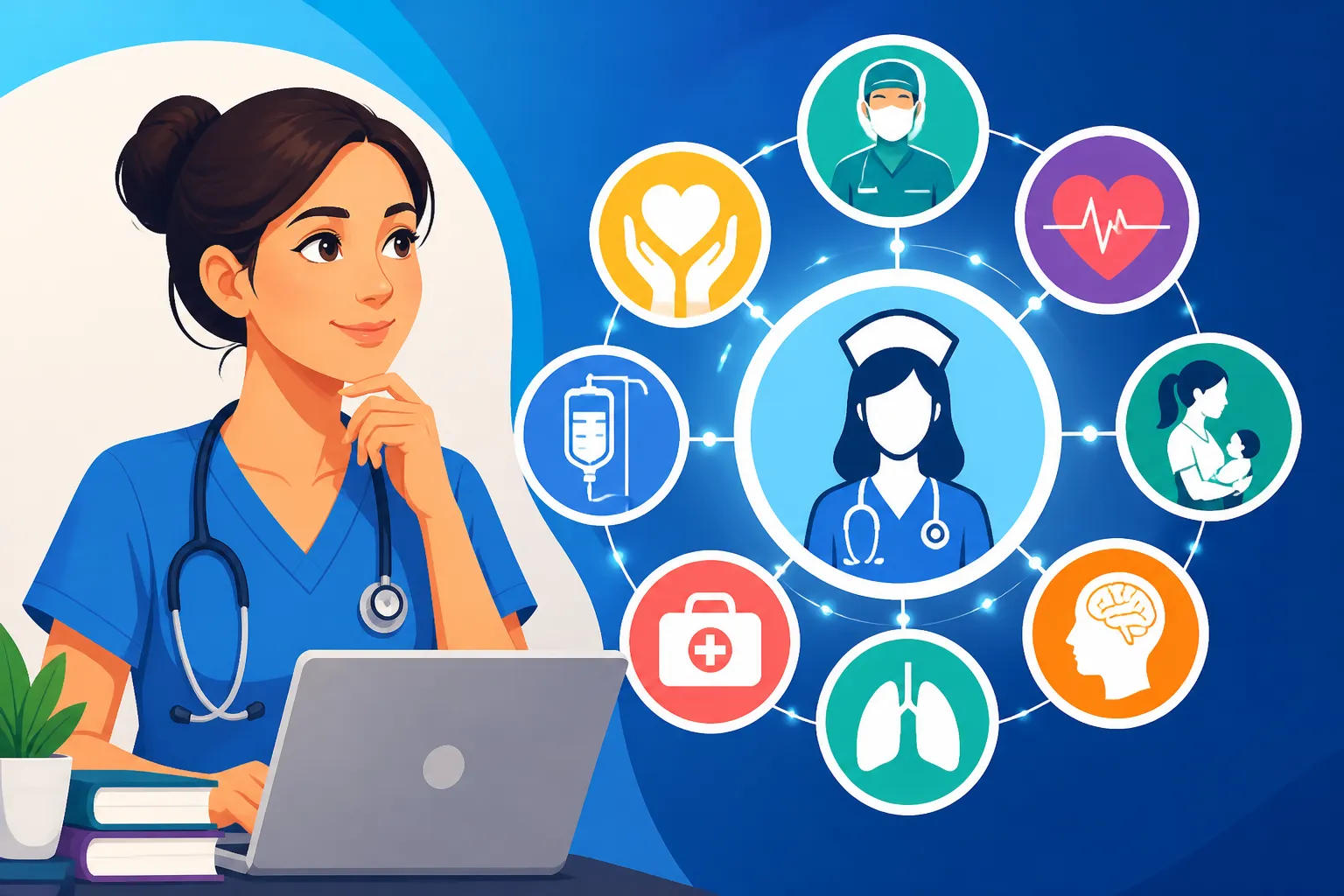
When we look ahead to 2026, certain nursing specialties consistently appear at the top of "most in-demand" lists. These roles are critical for meeting the current and future healthcare needs of our population. If you're considering where to invest your time and energy in advancing your nursing career, these are the areas truly poised for growth.
Advanced Practice Registered Nurses APRNs: The Forefront of Care
It's no secret that Advanced Practice Registered Nurses (APRNs) are among the most sought-after professionals in healthcare. These nurses go beyond the traditional RN role, taking on more autonomy, responsibility, and often, diagnostic and prescriptive authority. The demand for APRNs is projected to continue its strong upward trajectory, driven by physician shortages, the increasing complexity of patient needs, and the push for accessible primary care, particularly in rural and underserved areas.
- Family Nurse Practitioner (FNP): FNPs are truly the backbone of primary care. They provide comprehensive care to individuals and families across the lifespan, from infants to seniors. This includes diagnosing and treating acute and chronic illnesses, performing physical exams, prescribing medications, and offering health education and counseling. The versatility of the FNP role means they can work in a wide range of settings, including private practices, clinics, urgent care centers, and even schools. As more states grant full practice authority to FNPs, their role in bridging healthcare gaps becomes even more critical. If you're interested in being a primary care provider and building long-term relationships with patients, becoming a Family Nurse Practitioner is an excellent path to explore.
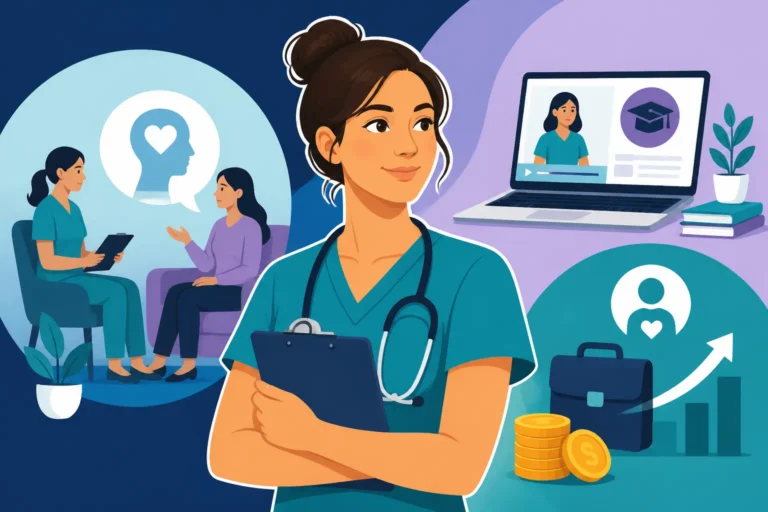
- Psychiatric Mental Health Nurse Practitioner (PMHNP): In the wake of growing awareness and need for mental health services, PMHNPs are experiencing an unprecedented demand. These specialized APRNs assess, diagnose, and treat mental health conditions and substance use disorders in individuals of all ages. They can prescribe psychiatric medications, conduct psychotherapy, and provide crisis intervention. With the ongoing mental health crisis and a severe shortage of psychiatrists, PMHNPs are stepping up to fill a vital void, making this one of the fastest-growing and most impactful nursing specialties. The work is challenging but incredibly rewarding, offering a chance to truly change lives. If you're passionate about mental health, learning How to Become a Psychiatric Mental Health NP could be your calling.
- Adult-Gerontology Acute Care Nurse Practitioner (AGACNP): As the population ages, the need for specialized care for acutely ill adults and older adults is escalating. AGACNPs provide advanced nursing care to patients with complex, acute, and chronic illnesses in various acute care settings, such as hospitals, intensive care units, and specialty clinics. They manage critically ill patients, interpret diagnostic tests, perform procedures, and collaborate with multidisciplinary teams. This role requires a sharp clinical mind, quick decision-making skills, and a deep understanding of complex physiological processes. If you thrive in high-stakes environments and have a passion for managing critically ill patients, becoming an adult-gerontology acute care NP offers a dynamic and highly in-demand career.
You can learn more about the educational pathways for these roles in our guide on Online MSN Programs: Complete Guide, which outlines the steps to becoming an APRN.
Critical Care and Emergency Nursing: Constant Need for the Frontlines
These are the nurses who thrive under pressure, making life-or-death decisions and providing calm in chaos. The demand for critical care and emergency nurses remains consistently high, driven by emergencies, accidents, and the sheer volume of patients requiring intensive monitoring and rapid intervention.
- Intensive Care Unit ICU Nurse: ICU nurses care for the most critically ill and injured patients. This role requires an incredible depth of knowledge, technical skill, and emotional resilience. They manage complex equipment, administer potent medications, monitor vital signs meticulously, and provide continuous assessment. The ICU environment is fast-paced and demanding, but it's also where nurses can have the most direct and profound impact on patient outcomes. Hospitals will always need highly skilled ICU nurses, and this specialty offers continuous learning and professional growth. To dive deeper into this intense but rewarding path, you might find our article on How to Become a Critical Care Nurse very insightful.
- Emergency Room ER Nurse: ER nurses are the first line of defense in healthcare, triaging patients with diverse conditions, from minor injuries to life-threatening traumas. They must be adept at rapid assessment, critical thinking, and performing a wide array of interventions under extreme pressure. No two shifts are ever the same, making it an exciting but also challenging environment. The skills learned in the ER are transferable and highly valued across the healthcare spectrum. If you're drawn to variety, quick action, and the ability to stabilize patients in critical moments, this is a strong contender for an in-demand role. For those considering this path, exploring How to Become a Emergency Nurse is a great next step.
- Neonatal Intensive Care Unit NICU Nurse: Caring for the tiniest and most vulnerable patients—newborns who are premature or critically ill—is the profound responsibility of NICU nurses. This highly specialized field requires incredible precision, patience, and a delicate touch. NICU nurses provide round-the-clock care, monitor vital signs, administer medications, and offer support and education to anxious parents. The emotional intelligence and specialized skills required make NICU nursing a consistently high-demand area, as these fragile patients require continuous expert attention.
Specialized Bedside and Non-Bedside Roles
Beyond the acute care setting, several other specialties are experiencing significant demand, reflecting diverse needs within the healthcare system.
- Oncology Nurse: With advancements in cancer treatment and an aging population, the number of individuals diagnosed with cancer continues to rise. Oncology nurses play a crucial role throughout the cancer journey, from diagnosis and treatment to survivorship and palliative care. They administer chemotherapy, manage side effects, provide pain relief, and offer invaluable emotional support and education to patients and their families. This is a field that requires immense empathy, detailed knowledge of complex treatments, and a commitment to advocacy.
- Cardiac Nurse: Heart disease remains a leading cause of morbidity and mortality worldwide, ensuring a constant demand for cardiac nurses. These specialists work with patients suffering from various cardiovascular conditions, often in critical care units, cardiac catheterization labs, or rehabilitation centers. They monitor cardiac rhythms, manage medications, assist with procedures, and provide crucial patient education on lifestyle modifications and disease management. Their expertise is vital in improving outcomes for patients with heart conditions.
- Public Health Nurse: Stepping outside the traditional hospital walls, public health nurses focus on preventing illness and promoting health within communities. They track disease outbreaks, implement health education programs, conduct screenings, and work to improve access to care for underserved populations. Their work is proactive and community-focused, playing a critical role in addressing health disparities and improving overall population well-being. This field is seeing renewed interest and investment, making it a growing area for nurses who want to impact health on a broader scale.
- Nurse Informaticist: In an increasingly digitized healthcare world, the demand for nurses with strong technological skills is booming. Nurse informaticists bridge the gap between clinical practice and information technology. They design, implement, and optimize electronic health records (EHRs), train staff on new systems, and analyze data to improve patient outcomes and efficiency. This non-bedside role is perfect for nurses who love problem-solving, data analysis, and using technology to enhance patient care and streamline healthcare operations. For those intrigued by the financial prospects, our article on Nursing Informatics Salary offers a detailed look at earning potential.
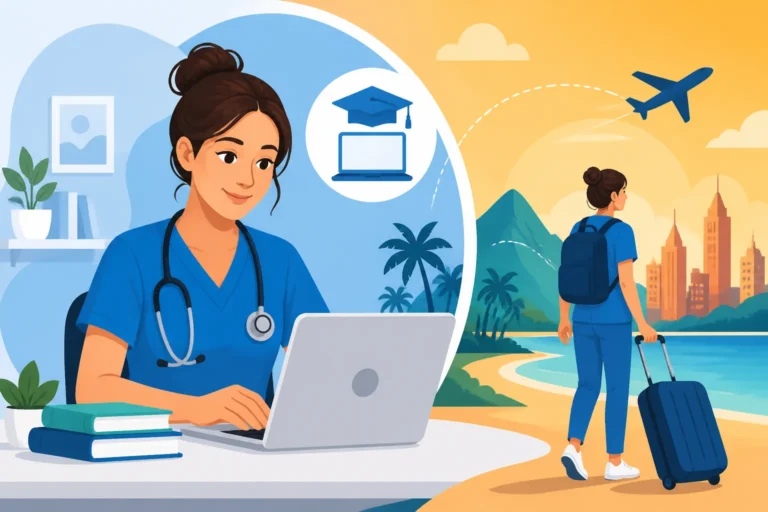
- Travel Nurse: While not a specific clinical specialty in itself, travel nursing is a career path that continues to be in high demand across many specialties, especially in areas experiencing severe staffing shortages. Travel nurses fill critical gaps in hospitals and clinics nationwide, offering flexibility, competitive pay, and the opportunity to experience diverse healthcare systems. They are particularly sought after in critical care, emergency, and med-surg units. If you thrive on change, enjoy exploring new places, and have at least a year or two of solid clinical experience, travel nursing could be an incredibly rewarding and in-demand option. You can find out more by reading How to Become a Travel Nurse.
Navigating Your Career Path to In-Demand Specialties
It's one thing to know which specialties are hot, but it's another to actually get there. The journey to becoming a highly sought-after specialist requires strategic planning, a commitment to education, and a continuous pursuit of knowledge and experience.
Education and Certification Pathways
The foundation of any successful nursing career, and especially for moving into specialized or advanced roles, is a solid education. Most in-demand specialties, particularly the APRN roles, require a Bachelor of Science in Nursing (BSN) as a minimum entry point. If you currently hold an Associate Degree in Nursing (ADN), pursuing an RN to BSN program is often the first crucial step. A BSN provides a broader understanding of nursing theory, research, leadership, and community health, which are vital for complex specialized care.
For APRN roles, a Master of Science in Nursing (MSN) or a Doctor of Nursing Practice (DNP) is required. The choice between an MSN vs DNP: Which to Choose often depends on your career goals and the specific requirements of your chosen APRN role, with the DNP becoming the preferred entry-level degree for many advanced practice roles due to its focus on evidence-based practice and leadership. You can explore a variety of programs in our guide to Best Online Nurse Practitioner Programs.
Beyond the foundational degree, obtaining specific certifications related to your chosen specialty is paramount. For example, a Critical Care Registered Nurse (CCRN) certification for ICU nurses or a Certified Emergency Nurse (CEN) for ER nurses demonstrates advanced knowledge and expertise. These certifications not only enhance your skill set but also signal to employers that you are a dedicated and highly competent professional, often leading to increased pay and career opportunities. Consider exploring Nursing Certifications by Specialty to see what's available for your area of interest.
Gaining Relevant Experience and Skills
Education provides the knowledge, but experience hones your skills and builds your confidence. After completing your initial nursing education, actively seek out opportunities in your desired specialty. Many hospitals offer new graduate residencies or internship programs in areas like critical care or emergency medicine, which provide invaluable hands-on training and mentorship. These structured programs are an excellent way to transition from new grad to competent specialist.
- Clinical Rotations and Preceptorships: During your nursing program, try to get clinical rotations in areas that align with in-demand specialties. If you're interested in critical care, ask to be placed in an ICU or ER. For future APRNs, preceptorships are critical for gaining practical experience under the guidance of an experienced practitioner.
- Continuing Education and Workshops: Healthcare is always changing, and staying current is non-negotiable. Participate in continuing education courses, attend workshops, and engage with professional organizations relevant to your specialty. This not only keeps your knowledge sharp but also expands your professional network.
- Mentorship: Seek out experienced nurses in your chosen specialty who can offer guidance, advice, and support. A good mentor can be a game-changer, helping you navigate challenges and identify growth opportunities.
Continuous Learning and Adapting to Change
The nursing profession demands a commitment to lifelong learning. The most successful nurses are those who are adaptable, curious, and proactive in keeping their skills and knowledge up-to-date. This is especially true when aiming for in-demand specialties, where new treatments, technologies, and best practices emerge constantly.
Regularly engaging with professional journals, attending conferences, and participating in online learning platforms are crucial. Resources like Uworld, for example, are excellent for exam preparation (like the NCLEX or certification exams) and for reinforcing complex concepts, providing a robust way to continually assess and improve your knowledge base. Many nurses find Uworld's comprehensive question banks and detailed rationales invaluable for mastering challenging subjects and staying current with clinical best practices.
Furthermore, develop a habit of critical reflection on your practice. What went well? What could have been better? How can you incorporate new evidence into your care? This reflective practice, combined with formal learning, ensures you remain at the cutting edge of your chosen field and continue to grow as a skilled, compassionate, and highly sought-after nurse. Understanding How to Specialize as a Nurse goes beyond just getting a degree; it's about a commitment to ongoing excellence.
Here's a quick overview of some of the top in-demand specialties:
| Specialty Category | Specific Role | Required Education/Certification | Key Responsibilities | Demand Outlook by 2026 |
|---|---|---|---|---|
| Advanced Practice Registered Nurse (APRN) | Family Nurse Practitioner (FNP) | MSN/DNP, FNP Certification | Primary care for all ages, diagnosis, treatment, prescribing | Very High |
| Psychiatric Mental Health NP (PMHNP) | MSN/DNP, PMHNP Certification | Mental health assessment, diagnosis, treatment, prescribing | Very High | |
| Adult-Gerontology Acute Care NP (AGACNP) | MSN/DNP, AGACNP Certification | Acute & chronic illness management in acute care settings | High | |
| Critical Care & Emergency | Intensive Care Unit (ICU) Nurse | BSN (required/preferred), CCRN Certification | Care for critically ill patients, complex monitoring | High |
| Emergency Room (ER) Nurse | BSN (required/preferred), CEN Certification | Rapid assessment, triage, stabilization in emergency | High | |
| Neonatal ICU (NICU) Nurse | BSN (required/preferred), RNC-NIC Certification | Care for premature/critically ill newborns | High | |
| Specialized & Non-Bedside | Oncology Nurse | BSN (required/preferred), OCN Certification | Cancer patient care, chemo administration, symptom management | Moderate to High |
| Cardiac Nurse | BSN (required/preferred), CVN/CCRN-Cardiac Cert. | Care for heart disease patients, post-op, rehab | Moderate to High | |
| Public Health Nurse | BSN (required/preferred), CPHN Certification | Community health promotion, disease prevention | Moderate to High | |
| Nurse Informaticist | BSN/MSN (preferred), RN-BC (Informatics) Cert. | EHR optimization, data analysis, technology integration | High | |
| Travel Nurse | BSN (preferred), 1-2 years experience in specialty | Fill staffing needs nationwide (various specialties) | Very High |
Disclaimer
Please remember that the information provided in this article is intended for general informational purposes only and does not constitute professional career or educational advice. While we strive to provide accurate and up-to-date content, healthcare demands and educational requirements can change rapidly. Always consult with academic advisors, career counselors, and official program websites for the most current and specific guidance tailored to your individual situation and location.