Best Online Nurse Practitioner Programs
For so many dedicated nurses out there, the dream of becoming a Nurse Practitioner (NP) is strong, but the thought of going back to school can feel overwhelming. Juggling work, family, and traditional campus classes often seems impossible, leaving many feeling stuck. This comprehensive guide is here to shed light on the best online Nurse Practitioner programs, offering the flexibility and quality education you need to finally advance your career without putting your life on hold.
Why Consider an Online Nurse Practitioner Program?
The landscape of nursing education has evolved dramatically, and online programs are no longer second-tier options. For many working registered nurses, pursuing an advanced degree like an MSN or DNP through an online format isn't just convenient; it's often the only realistic path to achieving their professional goals. The benefits are significant, touching on everything from scheduling freedom to career trajectory.
Flexibility for Working Nurses
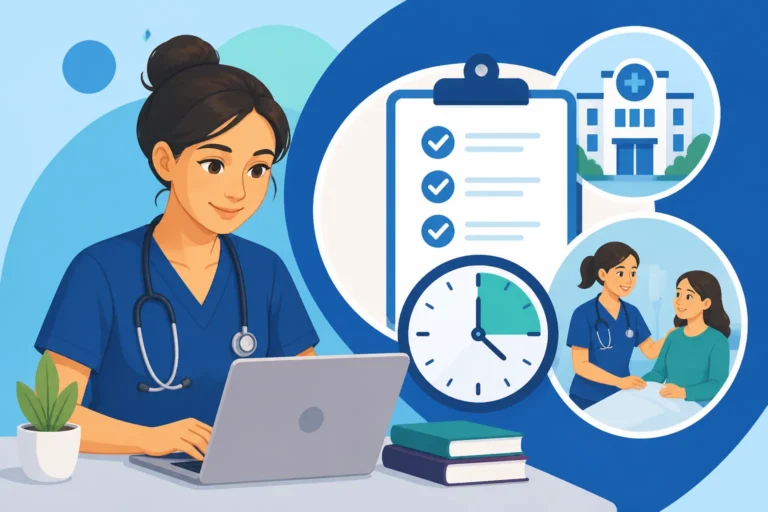
Let's be real: most nurses aren't looking to quit their jobs to go back to school. You have responsibilities, bills, and a life outside of academics. Traditional, in-person programs often demand rigid schedules that simply don't align with the unpredictable shifts and demanding hours of nursing. This is where online NP programs truly shine. They offer unparalleled flexibility, allowing you to complete coursework when it best suits your schedule – whether that's late at night after the kids are asleep, during a quiet block on your days off, or early in the morning before your shift starts. This autonomy is a game-changer, enabling you to maintain your income and personal commitments while steadily progressing toward your NP license. It transforms the "impossible" into "I can absolutely do this."
Access to Top-Tier Education Anywhere
One of the most exciting aspects of online learning is that it democratizes access to education. No longer are you limited to the universities within commuting distance. You could be living in a rural area in Montana and still enroll in a highly-ranked program offered by a prestigious university on the East Coast. This means you can choose a program based purely on its academic rigor, faculty expertise, specialization offerings, and accreditation, rather than geographical constraints. This expanded access ensures you're getting a quality education, often from institutions renowned for their nursing programs, regardless of where you call home. You truly get to pick the "best fit" program for your specific aspirations.
Career Advancement and Increased Earning Potential
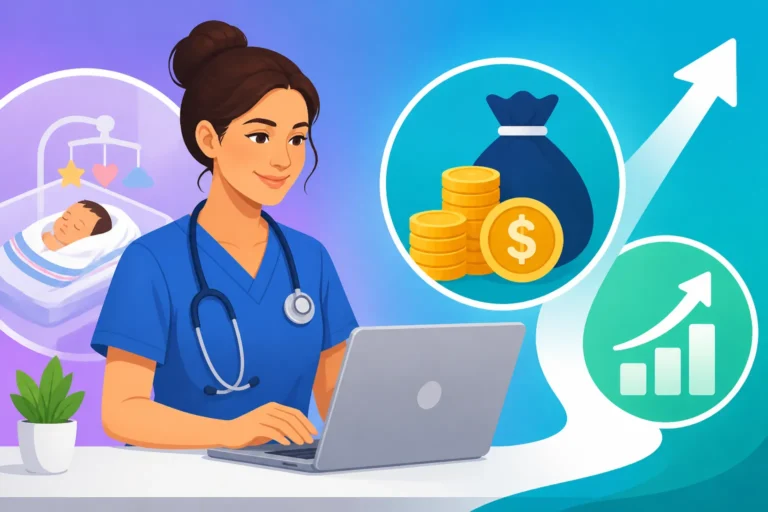
The move from an RN to a Nurse Practitioner represents a significant leap in professional autonomy, responsibility, and, let's be honest, earning potential. NPs play a critical role in healthcare, often serving as primary care providers, specialists, and leaders in various settings. Completing an online NP program opens doors to roles with greater clinical independence, opportunities for specialization, and leadership positions. While the journey requires dedication, the Is an MSN Worth It question is often answered with a resounding "yes" when considering the long-term career trajectory. This advanced degree empowers you to take on more complex patient care, contribute to healthcare policy, and command a salary that reflects your expanded expertise and contribution to the healthcare system.
What Makes an Online NP Program "The Best"?
When you're sifting through countless online NP program options, it's easy to get lost in the details. What truly sets a program apart from the rest, making it a "best" choice? It goes beyond just a catchy website or a low tuition fee. The core elements that define excellence in online nursing education revolve around foundational quality, practical support, and a commitment to student success.
Accreditation Matters Most
This cannot be stressed enough: accreditation is the absolute cornerstone of any legitimate and valuable nursing program, especially online ones. Without proper accreditation, your degree might not be recognized for licensure, future advanced practice certifications, or even by employers. The two main accrediting bodies for nursing education in the United States are the Accreditation Commission for Education in Nursing (ACEN) and the Commission on Collegiate Nursing Education (CCNE). Both are recognized by the U.S. Department of Education, ensuring that programs meet rigorous standards for quality and integrity.
When you're researching potential programs, always, always verify their accreditation status directly on the ACEN or CCNE websites, not just on the school's own page. A program that boasts a "nationally recognized" status but isn't accredited by one of these bodies is a red flag. Choosing an accredited program ensures that your hard-earned degree will be respected, your clinical hours will count, and you'll be eligible to sit for your NP certification exams, which is paramount for your future practice.
Robust Clinical Placement Support
One of the biggest anxieties for students in online NP programs is securing clinical placements. Unlike traditional programs where the university often has established partnerships, online students are frequently spread across different states, making placement a complex logistical challenge. The "best" online NP programs understand this pain point and offer robust, dedicated clinical placement support. This isn't just providing a list of sites; it means having a dedicated team of clinical coordinators who actively work with you to identify preceptors and clinical sites in your local area.
Some programs even have an extensive network of affiliated hospitals, clinics, and preceptors nationwide, taking a significant burden off your shoulders. They understand that MSN Clinical Hours Requirements are non-negotiable and that finding How to Find NP Preceptors can make or break your ability to complete the program. Before committing to any program, inquire extensively about their clinical placement support. Ask specific questions: Do they guarantee placements? What is their success rate? What resources do they provide if you struggle to find a site? A program's commitment here speaks volumes about its student support.
Comprehensive Curriculum and Faculty Expertise
An online NP program might deliver its content virtually, but the quality of that content and the people delivering it are just as crucial, if not more so, than in a traditional setting. A comprehensive curriculum should cover advanced pathophysiology, advanced pharmacology, advanced health assessment, and the core competencies specific to your chosen NP specialization (like family, pediatrics, or psychiatric mental health). Look for programs that integrate evidence-based practice, critical thinking, and a strong focus on patient outcomes.
Equally important is the faculty. Are they experienced Nurse Practitioners themselves? Do they hold doctoral degrees? Are they active in clinical practice or research? Experienced faculty bring real-world insights, mentorship, and a depth of knowledge that goes beyond textbooks. They can guide you through complex clinical reasoning and help you understand the nuances of NP practice. A program's website should clearly list faculty credentials and their areas of expertise. Don't hesitate to reach out to the admissions department for more details on faculty profiles.
Student Support Services and Resources
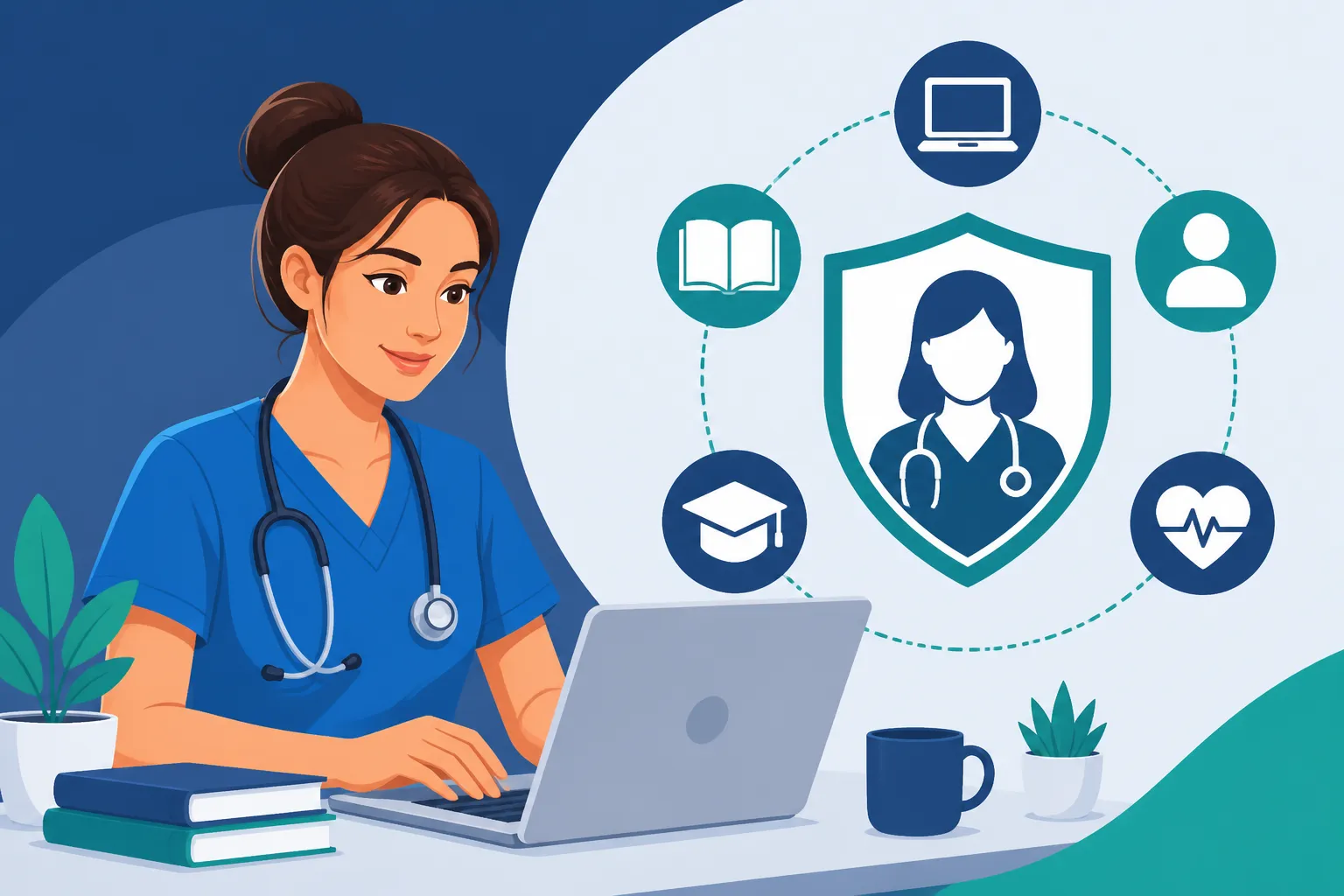
Online learning can sometimes feel isolating, which is why a strong support system is vital. The best online NP programs don't just enroll you; they invest in your success. This includes readily accessible academic advising, technical support for online learning platforms, mental health resources, and career services. Think about it: if you're struggling with a complex concept at 11 PM, do you have a way to reach out for help? Are there online tutoring services, writing centers, or peer mentorship programs?
Look for programs that foster a sense of community, even in a virtual environment. This might come through engaging online discussion boards, virtual study groups, or optional synchronous sessions. Additionally, access to comprehensive online library resources, research databases, and telehealth technology for simulation exercises are critical components. A robust support system ensures that even though you're learning remotely, you're never truly alone in your academic journey.
Key Factors to Evaluate When Choosing a Program
Deciding on an online NP program is a deeply personal choice, and what's "best" for one nurse might not be ideal for another. Beyond the core quality indicators, there are several practical and personal factors that you absolutely must consider to ensure the program aligns with your career aspirations, learning style, and life circumstances.
Program Specialization and Focus
This is perhaps the most critical decision you'll make when pursuing an NP degree: what kind of Nurse Practitioner do you want to be? The world of advanced practice nursing offers a wealth of specializations, each with its own patient population focus and scope of practice. Are you passionate about caring for individuals across the lifespan, from infants to the elderly? Then a How to Become a Family Nurse Practitioner (FNP) program might be your calling. If you're drawn to mental health and behavioral challenges, exploring a How to Become a Psychiatric Mental Health NP (PMHNP) program would be appropriate.
Other popular specializations include Adult-Gerontology Acute Care Nurse Practitioner (AGACNP), Adult-Gerontology Primary Care Nurse Practitioner (AGPCNP), Pediatric Nurse Practitioner (PNP), and Women's Health Nurse Practitioner (WHNP). Each requires a specific curriculum and clinical hours tailored to that specialty. Carefully research the roles, responsibilities, and job outlook for each specialization to ensure it truly resonates with your long-term vision. Think about the types of patients you want to serve and the clinical settings where you envision yourself practicing.
Program Structure and Learning Modalities
Online programs aren't all created equal in how they deliver content. Some are largely asynchronous, meaning you complete coursework on your own schedule within given deadlines, offering maximum flexibility. Others might be synchronous, requiring you to log in at specific times for live virtual lectures or discussions, which can create a more structured, interactive experience. Many programs adopt a hybrid approach, blending asynchronous modules with occasional synchronous sessions or even short, intensive on-campus immersions for hands-on skills training.
Consider your personal learning style. Do you thrive with self-paced learning, or do you need the accountability of live classes? How much time can you realistically dedicate each week? Some programs, like those offered by Capella University or Walden University, are known for their competency-based models, allowing you to move through material at your own pace if you can demonstrate mastery. Others, like many traditional university online programs, follow a more semester-based, structured approach. Understanding these nuances will help you find a program that complements how you learn best and fits into your lifestyle.
Cost, Financial Aid, and Return on Investment
Let's face it, advanced education is an investment, and the cost of an online NP program can vary significantly. Tuition fees, technology fees, clinical fees, textbooks, and travel for intensives or graduation all add up. While some online programs might be slightly more affordable than their on-campus counterparts due to reduced overhead, they are rarely "cheap." This makes exploring MSN Financial Aid and Scholarships crucial. Look into federal student aid, institutional scholarships, grants, and even employer tuition reimbursement programs.
When evaluating the cost, don't just look at the sticker price. Consider the How Much Does an MSN Cost in total and weigh it against the potential MSN Salary Increase Explained and career advancement opportunities it will unlock. Sometimes, a slightly more expensive program from a highly reputable institution might offer a better return on investment in terms of job prospects and long-term career growth. Compare per-credit hour costs, mandatory fees, and the estimated total cost of completion. A smart financial plan is essential for a stress-free educational journey.
Admission Requirements and Prerequisites
Before you get too far down the rabbit hole, make sure you meet the basic criteria. MSN Admission Requirements typically include an active, unencumbered RN license, a Bachelor of Science in Nursing (BSN) from an accredited institution, and a minimum GPA (often 3.0 or higher, though some programs accept lower GPAs). Many programs also require a certain amount of recent clinical experience (e.g., one to two years as an RN in a relevant setting).
Additionally, some programs may have specific MSN Program Prerequisites such as statistics, health assessment, or professional writing courses, which you may need to complete before starting the core NP curriculum. Review these requirements carefully. If your GPA is lower than typically required, don't despair; some programs offer provisional admission or will consider strong professional experience. Be prepared to submit official transcripts, letters of recommendation, a personal statement, and potentially a resume or CV.
Top Online Nurse Practitioner Programs: A Closer Look
When it comes to selecting the "best" online Nurse Practitioner program, several institutions consistently stand out for their academic rigor, student support, and successful outcomes. While "best" can be subjective and depend on individual needs, these universities have earned strong reputations in the realm of online nursing education.
University of Alabama at Birmingham (UAB)
UAB's School of Nursing consistently ranks among the top nursing schools nationwide and is highly regarded for its robust online offerings. They provide a wide array of NP specializations, including FNP, AGPCNP, AGACNP, PMHNP, and Pediatric NP. What truly sets UAB apart is their unwavering commitment to student success, particularly in the challenging area of clinical placements. They understand that for online students, securing adequate preceptorships is vital, and they often provide dedicated coordinators to assist students in finding appropriate clinical sites. The curriculum is challenging, evidence-based, and taught by experienced faculty who are often leaders in their respective fields. Students frequently praise UAB's online platform for being user-friendly and providing ample resources, ensuring a smooth learning experience even for those new to virtual education.
Duke University
Duke University, another powerhouse in nursing education, extends its excellence to several online and hybrid Nurse Practitioner programs. Known for its rigorous academic standards and cutting-edge research, Duke offers specializations like FNP, AGPCNP, AGACNP, and PMHNP. While many of their programs are primarily online, they often incorporate intensive on-campus sessions (usually short, focused periods) that provide essential hands-on training, simulation, and opportunities for networking with faculty and peers. This hybrid approach ensures that students gain critical skills and build confidence in a high-fidelity environment. Duke's faculty are renowned experts, and their career services department is often highlighted for its strong support in helping graduates transition into advanced practice roles.
The Ohio State University
The Ohio State University offers comprehensive online MSN and DNP programs with various NP specializations, including FNP, AGACNP, and PMHNP. As a large public research university, OSU brings extensive resources to its online students, including a vast library system, robust technological support, and a wide network of clinical affiliations. Their online curriculum is designed to be highly interactive, utilizing a blend of lectures, case studies, simulations, and discussion forums to foster a dynamic learning environment. Students appreciate the flexibility of OSU's online format, which accommodates working professionals, while still delivering the high academic quality expected from a Big Ten institution. Their clinical placement team also provides significant guidance, helping students navigate the complexities of securing preceptors in diverse geographic locations.
Frontier Nursing University
Frontier Nursing University (FNU) holds a special place in nursing education history as a pioneer in distance learning. They have been educating nurses remotely for decades, long before online education became mainstream, especially for aspiring nurse-midwives and family nurse practitioners. FNU is renowned for its community-based approach, focusing on serving rural and underserved populations, and offers an FNP program that emphasizes holistic patient care. Their online format is highly structured yet flexible, often incorporating two short on-campus immersion experiences to facilitate hands-on skills and build community. FNU's dedicated faculty, many of whom are practicing NPs themselves, provide exceptional mentorship. Their experience in supporting remote learners and their extensive network for clinical placements make them a top choice for many, particularly those seeking a supportive, mission-driven educational environment.
Other Notable Online Providers
While the above are highly regarded, many other institutions also offer quality online NP programs that might better suit specific needs. Universities such as Grand Canyon University RN to BSN Program Review, Walden RN to BSN Program Review, Capella RN to BSN Program Review, and Purdue Global RN to BSN Program Review are well-known for their extensive online portfolios, catering to working adults with various program structures and start dates. When evaluating these, or any other institution, always circle back to the core principles: accreditation, clinical support, and curriculum quality. Do they have the necessary backing from CCNE or ACEN? What level of support do they offer for clinicals? How experienced are their faculty? The answers to these questions are far more important than brand recognition alone.
Navigating Clinical Placements in Online NP Programs
Clinical hours are the bedrock of Nurse Practitioner education. They're where you translate theoretical knowledge into practical skills, under the direct supervision of experienced preceptors. For online NP students, navigating these requirements can be one of the most challenging, yet crucial, aspects of the program.
Understanding Clinical Hour Requirements
Every NP specialization has a specific number of supervised clinical hours mandated by accrediting bodies and state boards of nursing. For example, a Family Nurse Practitioner (FNP) program typically requires a minimum of 500-750 direct patient care clinical hours, though some programs may exceed this. These hours are generally broken down into specific categories, such as primary care, pediatrics, women's health, or acute care, depending on your chosen specialization. It's not just about accumulating hours; it's about gaining diverse experiences across various patient populations and healthcare settings.
Before you even apply, thoroughly research the specific MSN Clinical Hours Requirements for your desired program and specialization. Understand how these hours are structured, what types of experiences are accepted, and if there are any specific patient encounter minimums. Many programs will require you to log your hours diligently and submit them for faculty review. This is not a "check-the-box" exercise; it's a fundamental part of developing your clinical judgment and hands-on expertise as a future NP.
Strategies for Securing Preceptors
This is often the biggest hurdle for online NP students. Unlike traditional programs with pre-established clinical sites, online students often bear a significant responsibility for finding their own preceptors. This can feel like a daunting task, especially if you're not well-connected in your local healthcare community. However, with a proactive approach, it's absolutely achievable.
Start early, often six to twelve months before your clinical rotations are scheduled to begin. Network relentlessly: talk to your current colleagues, nurse managers, physicians, and other NPs you encounter in your workplace. Many nurses find their preceptors through their current employer or professional connections. Craft a professional introductory letter and resume highlighting your nursing experience and academic goals. Be persistent but respectful. Consider looking beyond large hospital systems to smaller clinics, urgent care centers, or private practices, especially for primary care rotations. Some students even use online platforms and professional organizations to find potential preceptors. Remember, the goal is to find someone willing to mentor you and provide the necessary learning experiences.
University Support vs. Student Responsibility
While some "best" online NP programs offer robust clinical placement assistance, it's vital to understand the varying levels of support. Some programs, like the highly-regarded Frontier Nursing University, have dedicated placement teams that work extensively to find and vet preceptors for their students. Others, while offering guidance, ultimately place the primary responsibility on the student. It's crucial to clarify this before you enroll.
Ask specific questions during the application process: What is the university's exact role in clinical placement? Do they provide a list of approved preceptors? Do they have affiliation agreements with facilities in your area? What happens if you can't find a preceptor? Some programs will withdraw you if you cannot secure a placement, which is a devastating outcome after investing time and money. While you should always be prepared to take an active role in your search, knowing the extent of university support will help manage your expectations and guide your choice of program. For example, some students find success with preparation resources like Uworld, which can help ensure you're clinically prepared once you do secure a preceptor, but it won't help you find one.
What to Expect from the Online Learning Experience
Venturing into an online NP program is a different beast than traditional classroom learning. It requires a unique blend of self-discipline, technical savvy, and a willingness to engage in a virtual environment. Understanding these dynamics beforehand can significantly ease your transition and enhance your overall experience.
Technology and Platform Requirements
Online learning is inherently technology-driven. You'll need a reliable computer (laptop or desktop, often with specific operating system requirements), a stable high-speed internet connection, a webcam, and a microphone. Most universities utilize a learning management system (LMS) such as Canvas, Blackboard, Brightspace (D2L), or Moodle, which will be your virtual classroom. This platform is where you'll access course materials, submit assignments, participate in discussion boards, view lectures, and communicate with professors and peers.
Familiarize yourself with the system as soon as you gain access. Many programs offer orientation modules specifically designed to help you navigate their LMS and other necessary software. You might also encounter specialized software for simulations, virtual labs, or proctored exams. Being comfortable with these tools is essential, as technical glitches can quickly become frustrating. Don't be shy about reaching out to the IT help desk if you run into problems; they are there to support your online learning journey.
Time Management and Self-Discipline
This is where the "flexibility" of online learning meets its greatest challenge. While you often have the freedom to choose when you study, you still have demanding deadlines and a heavy workload. An online NP program is not easier than its in-person counterpart; it's often more intense, requiring exceptional time management and self-discipline. Expect to dedicate a significant number of hours per week to coursework – often 15-25 hours for a part-time student and much more for full-time.
You'll need to create a structured study schedule and stick to it, treating your online classes like non-negotiable appointments. Procrastination is the enemy of online learning success. Break down large assignments, set mini-deadlines for yourself, and leverage tools like digital calendars and task managers. Remember that while you might not have a physical classroom to attend daily, the material, readings, discussions, and assignments demand consistent engagement. Mastering How Many Hours a Week for RN to BSN (which is a different program but shares similar time demands) principles can be a great head start for an NP program, too.
Building Community in a Virtual Environment
One common concern about online learning is the potential for isolation. While you might not have casual hallway conversations, building a strong community in a virtual environment is absolutely possible and highly beneficial. Most online programs facilitate this through interactive discussion forums, group projects, and virtual study sessions. Actively participate in these opportunities. Ask questions, share your experiences, and offer support to your peers.
Many online cohorts create private social media groups or messaging chats (like WhatsApp or Discord) to share resources, vent frustrations, and celebrate successes. These informal networks can become invaluable sources of support and camaraderie. You'll find that your classmates, like you, are often experienced nurses juggling multiple responsibilities, making them highly relatable and understanding peers. Embrace the opportunity to connect; these relationships can form a professional network that lasts long after graduation.
Preparing for Your Nurse Practitioner Certification Exam
After completing your demanding online NP program, the final hurdle before practicing as a Nurse Practitioner is passing your national certification exam. This exam validates your knowledge and skills in your chosen specialty, and adequate preparation is key to success.
Study Resources and Strategies
Effective test preparation begins long before graduation. Throughout your program, focus not just on passing individual courses, but on truly understanding and retaining the core knowledge. Integrate review questions and practice tests into your study routine from early on. As you near graduation, invest in comprehensive review courses and study materials specifically designed for your NP certification exam.
Many successful NP graduates recommend a multi-faceted approach. This often includes:
- Review Books: Comprehensive textbooks like Fitzgerald or Leik are popular choices for their detailed content.
- Online Question Banks: This is where resources like Uworld truly shine. Uworld offers extensive question banks designed to mimic the actual certification exam, complete with detailed rationales for correct and incorrect answers. Many students find regular practice with a high-quality question bank like Uworld indispensable for building test-taking endurance and identifying knowledge gaps.
- Live or Online Review Courses: Companies like Barkley & Associates, APEA (Advanced Practice Education Associates), or Fitzgerald offer intensive review courses that consolidate information and provide test-taking strategies.
- Study Groups: Collaborating with classmates to review material and quiz each other can be incredibly effective.
Start your focused exam preparation several months before your intended test date. Create a realistic study schedule and stick to it.
Understanding AANP vs. ANCC Exams
Depending on your NP specialization, you will typically choose between two primary national certifying bodies: the American Academy of Nurse Practitioners Certification Board (AANPCB) or the American Nurses Credentialing Center (ANCC).
- AANPCB: Offers certification for Family Nurse Practitioner (FNP), Adult-Gerontology Primary Care Nurse Practitioner (AGPCNP), and Adult-Gerontology Acute Care Nurse Practitioner (AGACNP). Their exams are often described as more clinically focused, with a direct application of knowledge to patient scenarios.
- ANCC: Offers certification for FNP, AGPCNP, AGACNP, Psychiatric Mental Health Nurse Practitioner (PMHNP), Pediatric Primary Care NP, and several other specialty certifications. ANCC exams tend to include more questions on professional role, ethics, research, and policy, in addition to clinical content.
For some specializations, like FNP, you might have the option to take either exam. Research both thoroughly to see which aligns better with your learning style and how you approach test questions. Many online resources, including practice questions on platforms like Uworld, prepare you for the general content regardless of which exam you choose, but understanding the subtle differences in emphasis can be helpful.
Post-Graduation Support
A reputable online NP program doesn't just cut you loose after you graduate. Look for institutions that offer post-graduation support, such as career services assistance for job searching, resources for applying for state licensure, and guidance on NP certification processes. Some alumni associations also provide ongoing continuing education opportunities, networking events, and mentorship programs, which are invaluable as you transition into your new role as an advanced practice nurse.
Is an Online NP Program the Right Choice for You?
Deciding to pursue an online Nurse Practitioner program is a significant life choice that requires careful consideration. It’s not just about finding a good program; it’s about finding the right program for you. Reflecting on your personal attributes, professional aspirations, and current life situation will help you make an informed decision.
Assessing Your Learning Style and Lifestyle
Online learning offers incredible flexibility, but it's not for everyone. Do you thrive in an environment where you are solely responsible for motivating yourself, managing your time, and seeking out resources? Or do you prefer the structured accountability of in-person classes, with set lecture times and face-to-face interactions? Successful online learners are typically self-starters, highly organized, and possess strong reading comprehension and critical thinking skills. They are comfortable with technology and proactive in seeking clarification when needed.
Consider your current lifestyle. Are you able to carve out dedicated, consistent study time each week, even amidst work and family commitments? While flexible, an online NP program is intense. If your current life is already stretched to its limits, adding a rigorous academic program might lead to burnout. Be realistic about your capacity and preferred learning environment. If you've previously struggled with online courses, an intensive NP program might amplify those challenges. Conversely, if you've excelled in past online endeavors, this path could be perfect.
Long-Term Career Goals and Practice Authority
Before diving in, clearly define your Nursing Specializations Explained and your long-term career goals. What patient population do you want to serve? What kind of autonomy do you envision for your practice? Research the NP Scope of Practice by State as it varies significantly. Some states grant NPs full practice authority, allowing them to diagnose, treat, and prescribe independently. Other states have reduced or restricted practice authority, requiring collaborative agreements with physicians. Your state's regulations can heavily influence the practical application of your NP degree.
An online program should equip you with the knowledge and skills to excel in your chosen specialization and meet the licensure requirements of your desired practice location. For example, if you dream of opening your own primary care clinic in a rural area, pursuing an FNP and ensuring your state grants full practice authority would be a crucial alignment. Conversely, if you want to work in a highly specialized hospital setting, an AGACNP might be more appropriate. Your program choice should be a direct pathway to your ultimate professional destination.
Maximizing Your Investment
An online NP degree is a substantial investment of time, energy, and money. To maximize your return, you need to be strategic. Choose an accredited program that aligns with your professional goals and offers robust support, particularly for clinical placements. Actively engage in your coursework, network with peers and faculty, and take advantage of all available resources. Prepare diligently for your certification exam, utilizing proven resources like Uworld to ensure you pass on your first attempt.
Beyond academics, consider how you will leverage your new credentials. Are there specific job opportunities you're targeting? Will you seek out leadership roles or pursue further specialization? An NP degree opens many doors, but it's up to you to walk through them. By making thoughtful, informed choices every step of the way, you can ensure that your online NP education is not just a degree, but a powerful catalyst for a rewarding and impactful career.
Disclaimer
The information provided in this guide is for general informational purposes only and does not constitute professional advice. While we strive to provide accurate and up-to-date content, nursing program requirements, accreditation standards, and state regulations can change. Always verify specific program details, admission criteria, and accreditation status directly with the respective educational institutions and relevant nursing boards before making any decisions.