How to Become a Family Nurse Practitioner
Deciding to become a Family Nurse Practitioner (FNP) is a huge step, and it can feel incredibly overwhelming trying to piece together all the requirements, educational paths, and what the role actually entails. You're not alone in feeling a bit lost in the sea of information. This comprehensive guide is here to cut through the confusion, offering a clear, empathetic roadmap to help you navigate the journey to becoming a successful and confident FNP.
Understanding the Family Nurse Practitioner Role
The Family Nurse Practitioner is truly a cornerstone of healthcare, often serving as a primary care provider for individuals and families across the lifespan. It's a role that demands broad knowledge, critical thinking, and a deep commitment to patient well-being, but it’s also incredibly rewarding to see the impact you can make on a community.
What Exactly is an FNP?
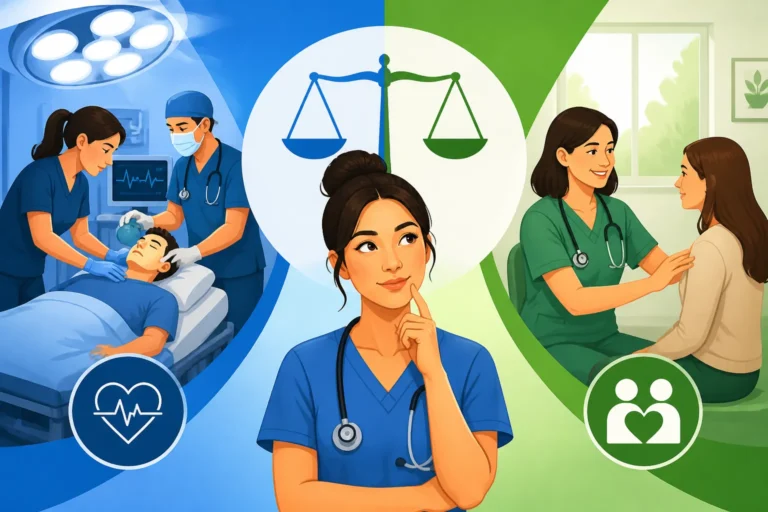
At its heart, an FNP is an advanced practice registered nurse (APRN) who provides comprehensive, patient-centered healthcare services. Unlike some other nurse practitioner specialties that focus on specific age groups or medical conditions, FNPs are trained to care for patients from infancy through old age. This means you could be giving immunizations to a toddler in the morning, managing a teenager's asthma in the afternoon, and discussing diabetes management with an elderly patient before the day is out. It’s a dynamic and incredibly varied role.
Many FNPs work in primary care clinics, but their skills are also vital in urgent care centers, community health clinics, and even some specialty practices. The emphasis is always on holistic care, focusing not just on treating illness but also on prevention, health education, and promoting overall wellness. You become a trusted healthcare partner for entire families, a role that comes with significant responsibility but also immense satisfaction.
Scope of Practice and Responsibilities
The scope of practice for an FNP can vary somewhat by state, but generally, it encompasses a wide range of responsibilities that align with primary care. This includes conducting physical exams, diagnosing and treating acute and chronic illnesses, prescribing medications, ordering and interpreting diagnostic tests (like lab work and X-rays), and managing a patient's overall care plan. Essentially, FNPs act very similarly to family physicians in many settings, providing frontline care.
Beyond the clinical duties, FNPs are also heavily involved in patient education. They teach patients and their families about disease prevention, healthy lifestyle choices, and how to manage chronic conditions effectively. For instance, an FNP might spend extra time explaining the importance of diet and exercise to a patient with newly diagnosed hypertension, or counsel a family on managing a child's allergies. Communication and empathy are key, as you’ll often be the bridge between complex medical information and real-world application for your patients. Understanding the nuances of what you can and can't do in your state is crucial, as is keeping up-to-date with any changes in legislation. For a deeper dive into the specifics, you might find our guide on NP Scope of Practice by State helpful.
Why Choose the FNP Path?
Many nurses are drawn to the FNP path for several compelling reasons. For one, the broad scope of practice offers incredible versatility and allows for a diverse patient population, which can prevent burnout and keep your work engaging. If you love the idea of building long-term relationships with patients and watching them grow and thrive over years, this specialty is definitely for you. Imagine seeing a child you first treated as a baby grow into a healthy teenager – that continuity of care is incredibly fulfilling.
Another significant draw is the growing demand for primary care providers. With an aging population and physician shortages, FNPs are crucial in filling healthcare gaps, especially in rural or underserved areas. This translates into excellent job security and opportunities for professional growth. Plus, the FNP role often comes with a significant increase in autonomy and earning potential compared to a registered nurse position. If you're passionate about preventative care, health promotion, and making a lasting impact on community health, the FNP track offers a direct and powerful way to do just that.
Educational Pathway to Becoming an FNP
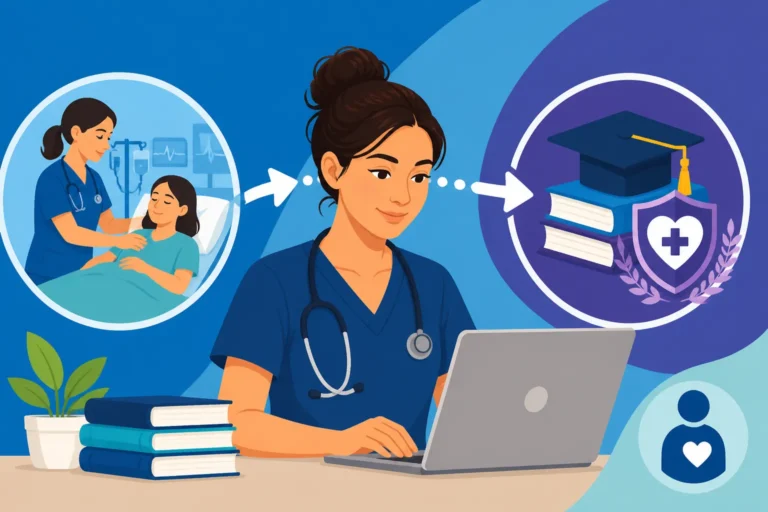
Embarking on the journey to become a Family Nurse Practitioner involves a structured educational progression that builds upon your foundational nursing knowledge. It's not a path to be rushed, but rather one that requires dedication to advanced learning and clinical expertise.
The BSN Foundation
Before you can even think about becoming an FNP, you absolutely need to start with a solid Registered Nurse (RN) license. While an Associate's Degree in Nursing (ADN) can get you your RN license, the vast majority of FNP programs require applicants to hold a Bachelor of Science in Nursing (BSN) as their undergraduate degree. This is because a BSN curriculum provides a much broader and deeper understanding of nursing theory, research, community health, and leadership – all essential components for advanced practice. If you currently have an ADN, don't despair! There are many fantastic Online RN to BSN Programs: Complete Guide available that can help you bridge that gap efficiently, often while you continue working as an RN. These programs are designed to accommodate working nurses, allowing you to gain the necessary BSN credential to move forward.
The BSN isn't just a stepping stone; it's a critical foundation that prepares you for the rigorous demands of graduate-level nursing education. It equips you with the critical thinking, communication, and patient assessment skills that you'll refine and expand upon significantly in an FNP program. Think of it as building a robust base before you start adding the advanced structural elements of your FNP education.
Pursuing Your Master of Science in Nursing MSN or Doctor of Nursing Practice DNP
Once you have your BSN and RN license, the next big step is to pursue a graduate degree. For most FNP roles, this means earning either a Master of Science in Nursing (MSN) or a Doctor of Nursing Practice (DNP) with a specialization in Family Nurse Practitioner. Both degrees prepare you for FNP certification and licensure, but they differ in depth and focus. An MSN program typically takes about 2-3 years of full-time study, while a DNP, being a terminal degree, usually requires 3-4 years.
The DNP degree emphasizes leadership, healthcare policy, evidence-based practice, and systems-level improvement, often with a capstone project that addresses a real-world healthcare challenge. Many in the nursing community advocate for the DNP as the future standard for advanced practice nursing, and while not universally required yet, it certainly positions you for broader leadership roles and potentially higher earning potential. Deciding between the two can be a tough choice, and it's worth exploring the nuances between MSN vs DNP: Which to Choose to see which aligns best with your long-term career aspirations. Many schools now offer Online MSN Programs: Complete Guide which provide flexibility for working nurses.
Accreditation Matters for FNP Programs
When you're researching FNP programs, one of the most critical factors to consider is accreditation. Attending an accredited program isn't just a suggestion; it's a non-negotiable requirement for sitting for your national FNP certification exams and, subsequently, obtaining state licensure. The two primary accrediting bodies for nursing programs in the United States are the Commission on Collegiate Nursing Education (CCNE) and the Accreditation Commission for Education in Nursing (ACEN).
An accredited program ensures that the curriculum meets rigorous national standards for quality and prepares you adequately for advanced practice. If a program isn't accredited by either CCNE or ACEN, you simply won't be able to get certified or licensed, making your entire educational investment moot. Always double-check a program's accreditation status directly on the accrediting body's website, not just rely on what the school's marketing materials say. Choosing an accredited program protects your future career and ensures you receive a high-quality education.
FNP Program Requirements and Curriculum
Getting into an FNP program, and then successfully navigating its coursework and clinical requirements, is no small feat. It demands careful preparation, a strong academic background, and an unwavering commitment to learning.
Admission Prerequisites and Application Process
Admission to FNP programs, especially at reputable institutions, can be competitive. While specific requirements vary by school, you can generally expect to need an active, unencumbered RN license, a BSN from an accredited institution, and a minimum GPA, often around a 3.0 on a 4.0 scale. Some programs might accept a slightly lower GPA if you have significant experience or strong letters of recommendation, but aiming higher is always a good strategy. Many programs also require a certain number of hours of clinical experience as an RN, typically 1-2 years, to ensure you have a solid foundation in direct patient care before moving into advanced practice.
Beyond the academic transcripts, you'll usually need to submit a personal statement outlining your career goals and why you want to become an FNP, a current resume or CV, and letters of recommendation from supervisors or professors who can attest to your nursing skills and potential. Some schools may also require an interview. Preparing thoroughly for each of these components is key to a successful application. Many MSN Admission Requirements guides can help you assemble a competitive application packet.
Core Curriculum and Specialty Courses
Once admitted, an FNP program's curriculum is intense and comprehensive. It's designed to build upon your existing nursing knowledge, elevating it to an advanced practice level. You'll dive deep into core advanced practice topics that are foundational for all NP specialties, such as advanced pharmacology, advanced pathophysiology, and advanced health assessment. These courses provide the scientific and theoretical basis for diagnosing and managing complex patient conditions.
In addition to these core courses, you'll undertake specialized FNP coursework. This includes subjects like family-centered primary care, women's health across the lifespan, pediatrics, and gerontology. You'll learn specific diagnostic and treatment modalities relevant to common conditions encountered in family practice, from managing chronic diseases like hypertension and diabetes to performing well-child exams and providing acute care for minor illnesses. The goal is to prepare you to manage a diverse patient load effectively and safely. For a detailed breakdown of what to expect, our article on MSN Curriculum Overview might be helpful.
Clinical Hours and Preceptorships
One of the most vital, and often most challenging, aspects of any FNP program is the clinical component. This is where you translate theoretical knowledge into practical skills under the direct supervision of experienced preceptors. The exact number of clinical hours required can vary, but most FNP programs mandate a minimum of 500-1000 direct patient care hours, depending on if it's an MSN or DNP program. These hours are typically spread across various settings, ensuring you gain experience with diverse patient populations (pediatric, adult, geriatric) and in different healthcare environments (clinics, hospitals).
Securing preceptorships can be a daunting task, as finding qualified and willing preceptors can be highly competitive. Many programs require students to find their own, which involves networking and proactive outreach to local clinics and hospitals. However, some programs, particularly online ones, offer placement assistance. This hands-on experience is invaluable, allowing you to develop diagnostic reasoning, treatment planning, and patient management skills in a real-world context. It's during these clinical rotations that you truly begin to feel like a future FNP. You might find more insights in our guide to MSN Clinical Hours Requirements.
National Certification and State Licensure
After completing your rigorous FNP program, there are still two critical hurdles to clear before you can officially hang up your shingle and practice: national certification and state licensure. These steps ensure that you meet the highest standards of competency and that you are legally authorized to practice as an FNP.
FNP Certification Exams AANP and ANCC
Once you've graduated from an accredited FNP program, you'll need to pass a national certification exam. There are two main certifying bodies for Family Nurse Practitioners: the American Academy of Nurse Practitioners Certification Board (AANPCB) and the American Nurses Credentialing Center (ANCC). Both exams are rigorous and test your comprehensive knowledge of advanced practice nursing in the family specialty.
The AANPCB exam typically focuses more on clinical knowledge and direct patient care, while the ANCC exam often includes a broader range of questions covering professional roles, ethics, and healthcare policy, in addition to clinical content. Both are equally valid and recognized by state boards of nursing. Many students find it beneficial to use study resources like Uworld, which offers extensive question banks and rationales that mimic the actual exam experience, helping to pinpoint areas for improvement and boost confidence. Thorough preparation is key, utilizing review courses, study guides, and practice questions to ensure you're ready for the big day. For more information, check out our piece on NP Certification Exams Explained.
Applying for State Licensure
Passing your national certification exam is a huge accomplishment, but it's not the final step. To legally practice as an FNP, you must apply for licensure with your state's Board of Nursing. Each state has its own specific requirements, which generally include: official transcripts from your accredited FNP program, proof of passing a national certification exam, and a background check. You'll also need to provide documentation of your active RN license.
It's crucial to research the specific requirements of the state where you intend to practice well in advance, as the process can take time, and some states have additional stipulations or endorsements needed for advanced practice. For example, some states in California may require specific documentation regarding collaborative practice agreements, while others in New York might have different prescriptive authority regulations. Don't assume that licensure in one state automatically grants you the ability to practice in another; you'll need to go through the application process for each state you wish to work in.
Maintaining Certification and Licensure
Becoming an FNP is a journey of continuous learning. Both your national certification and state licensure require ongoing maintenance to remain active. Certification typically needs to be renewed every five years and involves completing a certain number of continuing education (CE) hours, which may include pharmacotherapeutic hours, and often a minimum number of clinical practice hours. Some certifying bodies might also require re-examination or a combination of CEs and practice hours.
State licensure also has its own renewal cycle, usually every two years, and will similarly require documented continuing education. It’s absolutely essential to keep meticulous records of your CE activities and clinical hours. Staying current with the latest evidence-based practices, guidelines, and healthcare policies is not just a requirement for renewal; it’s a professional responsibility that ensures you provide the best possible care to your patients. Many professional organizations, like the AANP, offer excellent resources for ongoing learning and tracking your CEs.
FNP Career Outlook and Advancement
The decision to become a Family Nurse Practitioner is an investment in a highly rewarding and in-demand career. As healthcare continues to evolve, FNPs are positioned at the forefront of patient care, offering a promising outlook for those entering the field.
Job Market Demand and Growth
The demand for Family Nurse Practitioners is exceptionally strong and projected to grow significantly over the next decade. The Bureau of Labor Statistics (BLS) consistently identifies nurse practitioners, including FNPs, as one of the fastest-growing occupations. This robust demand is driven by several factors: an aging population requiring more complex healthcare, an increased emphasis on preventative care, and ongoing shortages of primary care physicians, especially in rural and underserved areas.
FNPs are uniquely qualified to fill these gaps, providing high-quality, cost-effective care. This means that as an FNP, you can expect excellent job security and a wide array of employment opportunities across the country. Whether you're interested in working in a bustling urban clinic or contributing to healthcare access in a smaller community, the job market is likely to have a place for you. To get a clearer picture of potential earnings, exploring resources like Family Nurse Practitioner Salary and Job Outlook can be very insightful.
Typical FNP Work Settings and Patient Populations
The versatility of the FNP role means you can find yourself working in a diverse range of settings, each offering a unique set of experiences and challenges. The most common environment is primary care, including family medicine clinics, internal medicine practices, and community health centers. In these settings, you'll manage everything from routine check-ups and chronic disease management to acute illness visits for patients of all ages.
Beyond traditional primary care, FNPs are also vital in urgent care clinics, providing immediate care for non-life-threatening conditions. Some FNPs work in school-based health centers, providing care to students, or in employee health clinics. There are also opportunities in specialty practices that require a primary care foundation, such as dermatology or cardiology, though these often involve additional specialized training or certifications. Your patient population will truly span the lifespan, from newborns and toddlers to adolescents, adults, and the elderly, making every day different and engaging.
Continuing Education and Specialization Opportunities
Earning your FNP certification is just the beginning. The field of medicine is constantly advancing, and as an FNP, you have a professional obligation and a fantastic opportunity to continue your education and explore further specialization. This could involve pursuing a post-master's certificate in another NP specialty, such as psychiatric mental health nurse practitioner (PMHNP) or adult-gerontology acute care nurse practitioner (AGACNP), which would allow you to expand your scope of practice into a focused area.
You could also delve deeper into specific areas of interest through various certifications, like certified diabetes educator (CDE) or wound care certification. Many FNPs also find fulfillment in leadership roles, pursuing DNP degrees that focus on healthcare administration or policy, or moving into academic positions to educate the next generation of nurses. The ability to grow, adapt, and specialize ensures that your FNP career can remain stimulating and fulfilling for years to come.
| Certification Body | Focus | Exam Content | Validity Period | Renewal Requirements |
|---|---|---|---|---|
| AANP Certification Board (AANPCB) | Clinical Practice | Primarily clinical management, assessment, diagnosis, and planning. | 5 years | Continuing education (CE) hours and clinical practice hours. |
| American Nurses Credentialing Center (ANCC) | Broader Scope | Clinical practice, professional role, ethics, research, and healthcare policy. | 5 years | CE hours, practice hours, and professional development activities. |
Disclaimer
Please remember that the information provided in this guide is for general informational purposes only and does not constitute professional advice. Nursing education and practice requirements can change, and specific admission criteria, curriculum, and licensure rules vary by institution and state. Always verify information with official sources such as university admissions departments, state boards of nursing, and national certification bodies.