Forensic Nurse: Role, Salary, and How to Start
If you're a registered nurse feeling the pull toward a career where your clinical skills meet the legal system, advocating for victims and seeking justice, you might be wrestling with how to make that leap. It's a niche that many nurses don't even realize exists, leaving them feeling a bit lost on where to begin. This comprehensive guide will walk you through everything you need to know about becoming a forensic nurse, from understanding the unique demands of the role to outlining the exact steps you need to take and what kind of salary you can expect.
What Does a Forensic Nurse Actually Do? Exploring a Unique Specialty
Forensic nursing isn't your typical hospital floor assignment. It’s a specialty that blends the compassionate care of nursing with the investigative rigor of legal proceedings, often working with individuals who have experienced trauma, violence, or abuse. Many nurses initially trained for traditional roles find themselves intrigued by the idea of using their skills in a different, often more impactful, way. You might love the idea of patient advocacy but feel limited in a fast-paced ICU or Med-Surg setting, and forensic nursing offers a profound opportunity to make a difference at a crucial point in someone's life.
More Than Just Bedside Care: The Core of Forensic Nursing
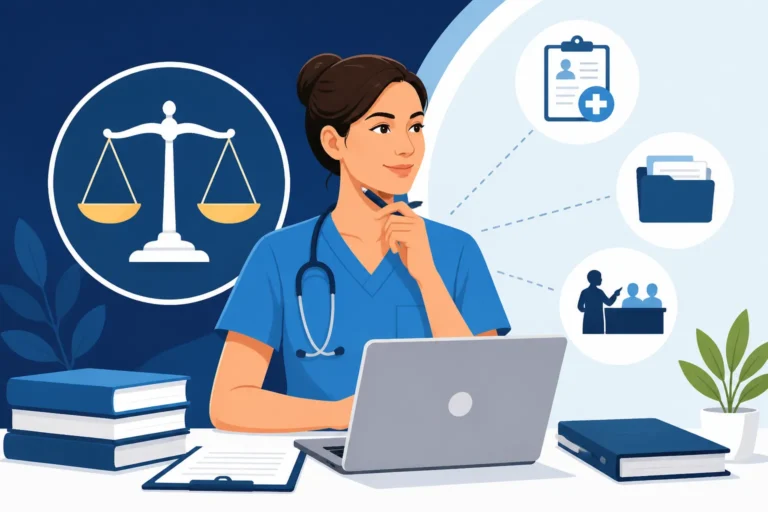
At its heart, forensic nursing is about providing holistic care to victims and perpetrators of violence, trauma, and abuse, while also meticulously collecting evidence that can be used in legal proceedings. This dual responsibility requires a unique blend of empathy, clinical expertise, and an understanding of the justice system. You’re not just treating physical injuries; you’re often the first point of contact for someone in extreme distress, navigating complex emotional landscapes while ensuring every detail is documented for potential court cases. It can be a heavy role, but also incredibly rewarding, offering a distinct kind of patient interaction where your care extends beyond immediate medical needs to long-term recovery and justice. It truly broadens the scope of what it means to be a nurse, moving beyond the traditional hospital walls into a realm where legal acumen and empathetic support go hand-in-hand. This interdisciplinary approach makes a forensic nursing role distinct from other Nursing Specializations Explained.
Consider a scenario: a patient arrives in the emergency room after a sexual assault. A forensic nurse, specifically a Sexual Assault Nurse Examiner (SANE), is called in. Their role isn't just to treat any physical injuries. It involves a sensitive, trauma-informed interview, a detailed head-to-toe examination, and the careful collection of forensic evidence—like DNA samples, trace evidence, and photographic documentation—all while ensuring the patient feels safe and respected. This evidence collection needs to be meticulously performed and preserved, adhering to strict chain-of-custody protocols, because it might be presented in court months or even years later. It’s a profound responsibility, balancing immediate patient needs with future legal requirements.
Day-to-Day Realities and Diverse Settings
The daily life of a forensic nurse can vary dramatically depending on their specific role and work environment. Unlike a typical floor nurse with a set patient load, a forensic nurse might respond to calls as needed, sometimes working on-call shifts, or be embedded within specific units or agencies. This could mean working in an emergency department, a specialized sexual assault treatment center, medical examiner's offices, correctional facilities, or even out in the community.
For example, a SANE nurse might spend their shift primarily in an emergency department, waiting for a call. When a patient arrives, their work involves everything from crisis intervention and emotional support to the physical examination and evidence collection. They might then spend time documenting their findings, conferring with law enforcement, and preparing for potential court testimony. In contrast, a forensic nurse working in a correctional facility like Riker's Island in New York might focus more on identifying patterns of abuse, managing mental health crises within the inmate population, and testifying on behalf of inmates regarding injuries or medical neglect. Another forensic nurse might work with a medical examiner, assisting with autopsies, identifying wounds, and helping determine the cause and manner of death. The diversity in these roles is vast, and it’s one of the reasons many nurses find this field so compelling. It's far from monotonous, offering new challenges and learning opportunities constantly.
The Emotional and Mental Demands of the Role
Working with victims of trauma, violence, and abuse is inherently emotionally taxing. Forensic nurses regularly encounter situations that most people never experience, dealing with human suffering, grief, and sometimes, unimaginable cruelty. It's a role that demands immense resilience and self-care strategies. You might walk away from a shift feeling profoundly affected by the stories you've heard or the sights you've witnessed.
This isn't a job for the faint of heart, and many nurses who enter this field grapple with compassion fatigue or secondary trauma. The emotional toll is real, and it’s something every aspiring forensic nurse needs to acknowledge and prepare for. Organizations like the International Association of Forensic Nurses (IAFN) emphasize the importance of debriefing, peer support, and access to mental health resources. Learning to compartmentalize and process these experiences in a healthy way is crucial to longevity in the field. It’s a career that will challenge you to grow, both professionally and personally, in ways you might not anticipate. Understanding How to Balance Work and RN to BSN can be a foundational skill for managing stress, but the specific emotional demands of forensic nursing necessitate even more robust coping mechanisms.
Your Path to Becoming a Forensic Nurse: Education and Experience
Embarking on a career in forensic nursing requires a solid foundation in general nursing, followed by specialized training and experience. It's not a path you jump into right out of nursing school; it demands clinical acumen and a deep understanding of patient care before specializing.
Building Your Foundational Nursing Skills
The very first step on your journey to becoming a forensic nurse is to become a registered nurse (RN). This typically involves earning either an Associate Degree in Nursing (ADN) or a Bachelor of Science in Nursing (BSN). While both degrees will qualify you to sit for the NCLEX-RN and become licensed, a BSN is highly recommended, and often preferred or even required for specialized nursing roles, including forensic nursing. Many hospitals, particularly those with specialized trauma centers or magnet status, actively seek out BSN-prepared nurses. If you currently hold an ADN, pursuing an Online RN to BSN Programs: Complete Guide can significantly open doors to advanced opportunities and higher-level roles.
A BSN curriculum provides a more comprehensive education, covering areas like public health, community nursing, leadership, and research—all of which are invaluable in forensic nursing. These programs equip you with critical thinking skills, a deeper understanding of interdisciplinary collaboration, and a broader perspective on health and social issues, which are essential when dealing with the complex cases forensic nurses encounter. It's about developing a robust clinical foundation that you can then build upon with specialized knowledge. For instance, understanding the nuances of public health helps a forensic nurse recognize broader patterns of violence or abuse within a community.
Gaining Essential Experience Beyond General Med-Surg
Once you're a licensed RN, you'll need to gain some solid bedside experience. Most forensic nursing roles require at least 2-5 years of experience in a relevant clinical setting before you can specialize. While general medical-surgical experience is always beneficial, certain specialties will better prepare you for the unique challenges of forensic nursing.
Consider working in:
- Emergency Departments (ED): This is often considered the "front line" of forensic nursing. You'll regularly encounter trauma, violence, and victims of assault, gaining invaluable experience in crisis intervention, rapid assessment, and initial evidence preservation.
- Intensive Care Units (ICU) or Trauma Units: These settings sharpen your critical care skills, your ability to manage complex medical needs, and your capacity to work under pressure with severely injured patients, which can be crucial in cases of severe violence.
- Pediatrics or Labor and Delivery: For those interested in pediatric or obstetric forensic nursing (e.g., child abuse, shaken baby syndrome, birth trauma), experience in these areas provides an understanding of specific patient populations and their unique vulnerabilities.
- Psychiatric/Mental Health Nursing: Many victims of violence also experience significant psychological trauma. Experience in mental health can equip you with the skills to provide empathetic support, assess for suicidality, and understand the psychological impact of trauma.
This diverse clinical background builds your confidence and competence, preparing you for the emotionally charged and clinically complex situations you'll face as a forensic nurse. It's about developing that keen observational eye and the ability to think critically in high-stress situations.
Specialized Training and Certifications: Becoming a SANE Nurse
After gaining relevant experience, the next critical step is to pursue specialized training and certification in forensic nursing. The most recognized and in-demand certification is for a Sexual Assault Nurse Examiner (SANE). Becoming a SANE nurse typically involves:
- Specialized Coursework: You’ll need to complete a comprehensive SANE training program, which usually includes at least 40 hours of didactic (classroom) instruction covering topics like the neurobiology of trauma, legal aspects of forensic evidence, injury identification, photographic documentation, and sexually transmitted infection (STI) prophylaxis. Programs can be offered by universities, hospitals, or specialized forensic nursing academies. As you prepare for the didactic and clinical components, using robust study resources can be immensely helpful. Platforms like Uworld, known for their comprehensive question banks and detailed explanations for various nursing exams, can provide a structured way to review core concepts and critical thinking skills that will be tested in SANE training.
- Clinical Practicum: This typically involves supervised clinical hours where you apply your knowledge, performing mock and real forensic exams under the guidance of experienced SANE nurses. The number of required clinical hours can vary, but it's essential for developing hands-on competence and confidence.
- Certification: Once you've completed the training and clinical hours, you can pursue certification through organizations like the Commission for Forensic Nursing Certification (CFNC), a division of the IAFN. This often involves passing a certification exam. There are different certifications, such as the SANE-A for adults and adolescents, and SANE-P for pediatrics. Continuous learning is also critical in this evolving field. Regularly reviewing guidelines and staying updated on best practices, perhaps even using learning tools like Uworld for new concepts or refreshing knowledge, can be beneficial for maintaining your expertise.
While SANE is the most common, other areas of forensic nursing also offer specialized training or certifications, such as forensic mental health nursing or forensic death investigation. Some nurses might even pursue a Master of Science in Nursing (MSN) with a specialization in forensic nursing, which can open doors to leadership, education, or advanced practice roles within the field. An MSN Programs: Complete Guide can provide detailed information on these advanced educational pathways.
Here's a quick overview of the pathway:
| Step | Description | Estimated Time | Key Focus |
|---|---|---|---|
| 1. Obtain RN License | Earn an ADN or BSN, pass NCLEX-RN. | 2-4 years | Foundational nursing knowledge, critical thinking. |
| 2. Gain Clinical Experience | 2-5 years of experience in ED, ICU, trauma, psych, peds, or L&D. | 2-5 years | Crisis intervention, acute care, trauma assessment, patient advocacy. |
| 3. Complete SANE Training | 40+ hours didactic, supervised clinical practicum. | 6-12 months | Forensic evidence collection, trauma-informed care, legal documentation. |
| 4. Achieve Certification | Pass certification exam (e.g., SANE-A, SANE-P) through CFNC. | Varies | Validation of specialized knowledge and skills. Using study tools like Uworld can aid exam preparation. |
| 5. Ongoing Education/Advanced | Continuing education, specialized certifications, potentially an MSN in Forensic Nursing. | Ongoing | Staying current with best practices, leadership, research. |
Forensic Nurse Salary and Career Opportunities: What to Expect
Let's be realistic: while passion drives many nurses into this field, understanding the earning potential and job outlook is crucial for any career decision. Forensic nursing offers competitive salaries and a growing demand, reflecting the specialized skills and sensitive nature of the work.
Understanding the Earning Potential
The salary for a forensic nurse can vary significantly based on several factors, including education level, years of experience, geographic location, specific employer (e.g., hospital, medical examiner's office, private agency), and the specific certifications held. Generally, forensic nurses earn competitive wages, often comparable to or slightly higher than general Registered Nurses due to their specialized skills and the intense nature of their work.
- Entry-Level (with SANE certification): A forensic nurse with 2-5 years of general RN experience and a new SANE certification might expect to earn anywhere from $70,000 to $85,000 annually. This can fluctuate wildly by region. For instance, in higher-paying states like California or New York, this could be closer to $90,000+, while in other states, it might be slightly lower.
- Experienced Forensic Nurses: With 5+ years of dedicated forensic nursing experience, especially holding multiple certifications or an MSN in forensic nursing, salaries can climb significantly. Experienced forensic nurses, particularly those in leadership roles, education, or expert witness capacities, can earn well over $95,000 to $120,000 per year, or even more.
- Factors Influencing Pay: Working on-call often comes with additional pay or stipends. Those working for federal agencies or in very high-demand areas might also see higher compensation. Your BSN Salary Explained provides a good baseline for comparison, as a BSN is a prerequisite for most forensic roles.
It's also important to consider that many forensic nurses, particularly SANE nurses, may work on an on-call basis, especially in smaller communities or hospitals. This can mean fluctuating hours but often comes with a base pay or additional compensation for being available, plus hourly rates when called in.
Where Forensic Nurses Work and Future Demand
The demand for forensic nurses is steadily growing, driven by increased awareness of violence and abuse, stricter evidence collection protocols, and a greater emphasis on trauma-informed care within the justice system. The need for specialized nurses who can bridge the gap between healthcare and law enforcement is becoming increasingly recognized.
Forensic nurses find employment in a variety of settings:
- Hospitals and Emergency Departments: The most common setting, where SANE nurses provide acute care and evidence collection for sexual assault and other forms of interpersonal violence. Many major healthcare systems, such as Mass General Brigham in Massachusetts or Kaiser Permanente in California, employ forensic nurses to staff their emergency departments.
- Sexual Assault Response Teams (SARTs) and Crisis Centers: These specialized centers often employ forensic nurses to provide comprehensive services to victims, from medical care to counseling and legal advocacy.
- Medical Examiner's and Coroner's Offices: Here, forensic nurses assist with death investigations, identifying injuries, documenting findings, and providing expert testimony.
- Correctional Facilities: Forensic nurses in prisons and jails provide care to inmates, identify signs of abuse or neglect, and may testify in court regarding inmate health issues.
- Legal Systems: Some forensic nurses work as legal nurse consultants, reviewing medical records, identifying medical negligence, or serving as expert witnesses in civil or criminal cases.
- Community Health Settings: In public health departments, forensic nurses might focus on prevention, education, and early intervention related to violence and abuse.
The Bureau of Labor Statistics projects a strong job outlook for Registered Nurses overall, and specialized roles like forensic nursing are expected to grow as the complexity of healthcare and legal systems intertwine. This means that if you're passionate about this path, you're likely entering a field with good stability and opportunities. Exploring Nursing Job Outlook and Demand provides further context for the broader nursing profession's growth.
Advancing Your Expertise and Impact
Once you're established as a forensic nurse, there are many avenues for career advancement and increasing your impact. You're not just stuck in one role; your expertise can lead to significant influence within both healthcare and legal fields.
- Leadership and Education: Experienced forensic nurses are often sought after to become educators, training new SANE nurses or other healthcare professionals. They might take on leadership roles, managing forensic programs within hospitals or community organizations.
- Advanced Practice: Pursuing an MSN or even a Doctor of Nursing Practice (DNP) with a focus on forensic nursing can lead to roles as a Forensic Nurse Practitioner, allowing for greater autonomy, prescribing privileges, and a more comprehensive scope of practice. This can open doors to roles such as a Family Nurse Practitioner who also specializes in forensic exams, or a Psychiatric Mental Health Nurse Practitioner working with trauma survivors.
- Policy and Advocacy: Forensic nurses are uniquely positioned to influence public policy related to violence prevention, victim support, and the justice system. Their firsthand experience and clinical knowledge make them powerful advocates for change. They may work with organizations that shape how forensic evidence is collected or how victims are supported.
- Research: Contributing to forensic nursing research helps advance the field, improve patient outcomes, and develop best practices for evidence collection and trauma care.
The career path in forensic nursing is dynamic and intellectually stimulating, offering continuous opportunities for learning and making a profound difference in the lives of vulnerable individuals. It truly allows nurses to use their skills in ways that extend far beyond traditional patient care, touching on justice, advocacy, and social change. If you're wondering Is an MSN Worth It, especially with a specialization like forensic nursing, the answer for many is a resounding yes, given the expanded career opportunities and earning potential.
Disclaimer
The information provided in this guide is intended for general informational purposes only and does not constitute professional medical, legal, or educational advice. While we strive to provide accurate and up-to-date content, nursing education requirements, career paths, and salary expectations can vary significantly based on location, institution, individual qualifications, and evolving industry standards. Always consult with academic advisors, nursing faculty, and official program websites for the most current and personalized information.