Wound Care Nurse: Role, Salary, and How to Start
Many nurses find themselves intrigued by the complexities of wound healing, but the path to truly specializing in wound care can often feel unclear and overwhelming. From understanding intricate wound types to mastering advanced treatment modalities, it’s a specialty that demands a unique blend of scientific knowledge and compassionate care. This guide is designed to demystify the role of a wound care nurse, outlining the specific duties, educational pathways, certification requirements, and potential career trajectory for those passionate about this vital field.
What Exactly Does a Wound Care Nurse Do?
Becoming a wound care nurse means stepping into a role that is both challenging and incredibly rewarding. It’s far more involved than simply changing dressings; it requires deep critical thinking, assessment skills, and a comprehensive understanding of human physiology. These specialists are at the forefront of preventing complications, promoting healing, and improving the quality of life for patients dealing with various types of wounds.
Beyond Bandages: The Scope of Practice
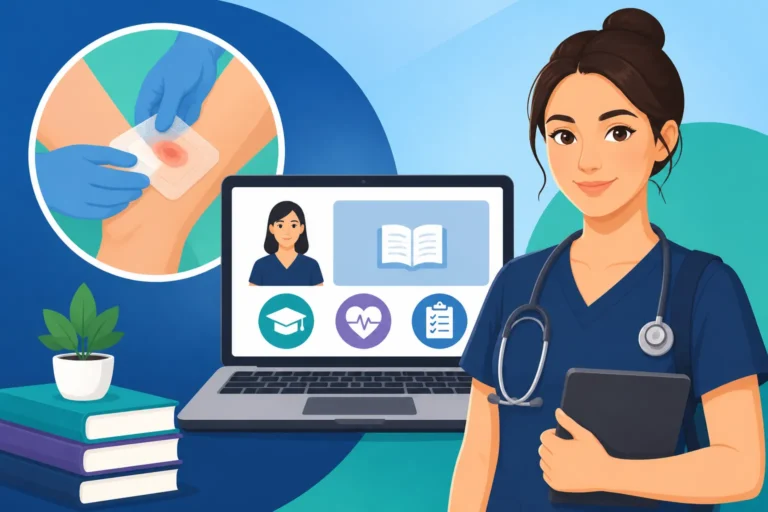
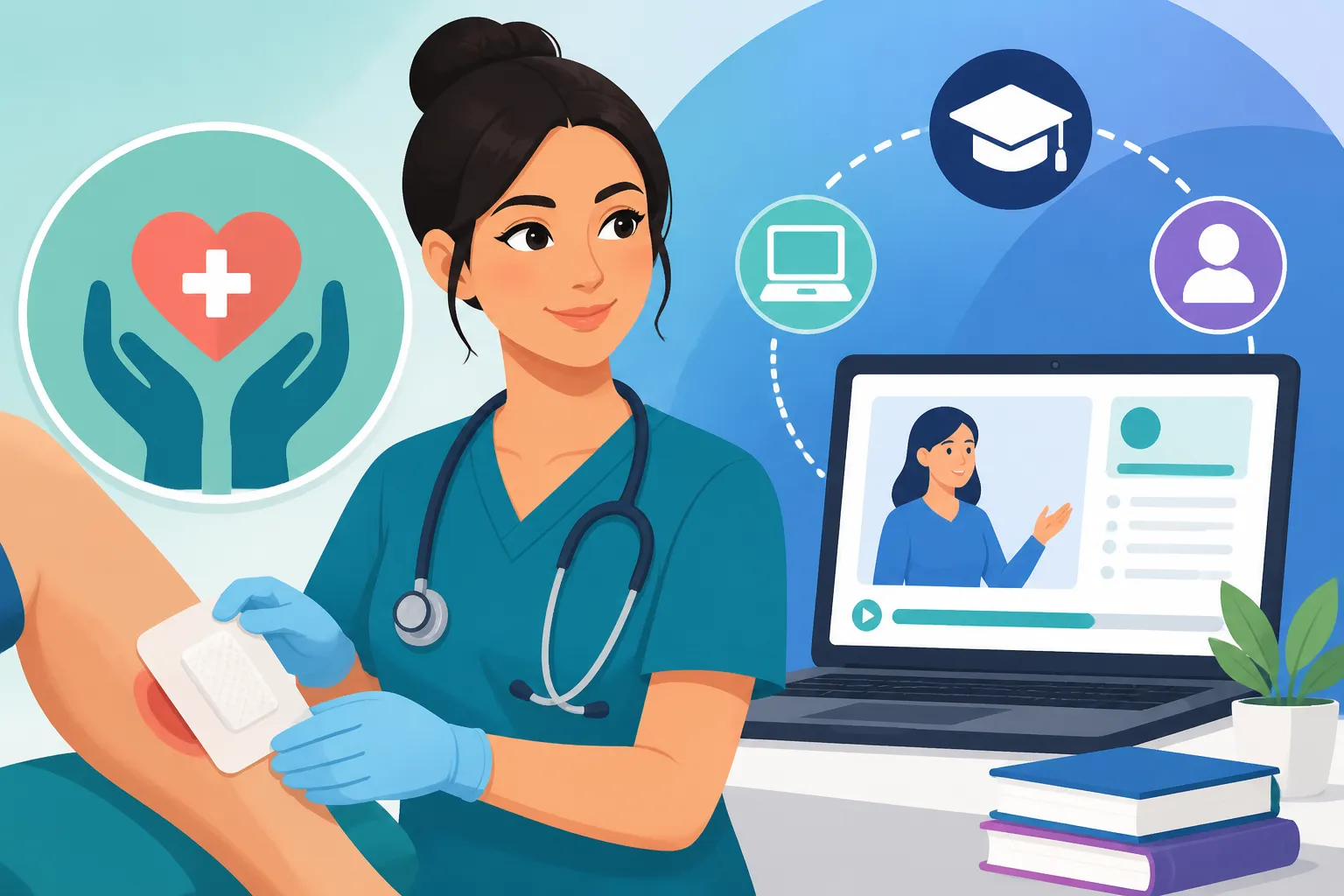
The daily life of a wound care nurse is anything but routine. You’re often the expert on staff when it comes to persistent pressure ulcers, diabetic foot ulcers, surgical wounds, burns, and traumatic injuries. Your primary responsibility is a thorough assessment, which includes evaluating wound size, depth, tissue type (granulation, slough, eschar), exudate, and the surrounding skin. But it doesn't stop there. You're also assessing the patient's overall health, nutritional status, mobility, and any co-morbidities that might impact healing, like diabetes or peripheral vascular disease.
From there, you'll develop and implement individualized treatment plans. This could involve everything from selecting advanced wound dressings and topical agents to performing sharp debridement to remove non-viable tissue. You might manage negative pressure wound therapy (NPWT) systems, which use suction to promote healing, or guide patients and their families through complex ostomy care. Patient education is a huge part of the job, empowering individuals to participate in their own care and recognize signs of infection or complications. It’s a holistic approach, ensuring that not only the wound but also the patient’s overall well-being is addressed.
A Day in the Life: Clinical Settings and Patient Interaction
Wound care nurses work in diverse settings, each presenting its own unique set of challenges and patient populations. In acute care hospitals, you might be a consult nurse, called upon to assess new admissions with existing wounds or manage post-surgical complications. You'll collaborate closely with surgeons, dietitians, physical therapists, and other nurses to coordinate care. For instance, you might work with an ICU team to prevent pressure injuries in critically ill patients, or assist a surgical team with complex wound closures.
In outpatient wound care clinics, you’ll see patients on an ongoing basis, monitoring their progress, adjusting treatment plans, and often performing minor procedures. This setting allows for continuity of care and building long-term relationships with patients. Home health is another significant area, where you visit patients in their own homes, providing care, education, and adapting treatment to their home environment. This often requires resourcefulness and strong independent clinical judgment. Long-term care facilities also heavily rely on wound care specialists to manage chronic wounds and implement preventative strategies. The common thread across all these settings is direct patient interaction, assessment, planning, and evaluation, making every day dynamic and focused on direct patient impact.
The Journey to Becoming a Certified Wound Care Nurse
If the thought of diving deep into the science and art of wound healing excites you, the next step is to understand the pathway. It's a journey that combines solid foundational nursing education with specialized training and, often, certification.
Foundational Nursing Education and Experience
The first and most crucial step is to become a registered nurse (RN). This typically involves earning an Associate Degree in Nursing (ADN) or a Bachelor of Science in Nursing (BSN) from an accredited program. While an ADN can get you started, many hospitals and advanced practice roles now prefer or require a BSN. If you're an ADN-prepared nurse considering this specialty, pursuing an Online RN to BSN Programs: Complete Guide can be a strategic move. A BSN curriculum provides a stronger foundation in leadership, research, community health, and evidence-based practice, all of which are highly beneficial in a specialized role like wound care. The additional education often translates into better critical thinking skills, which are paramount when managing complex wounds.
After obtaining your RN license by passing the NCLEX-RN exam, most certification bodies and employers will look for a minimum of two years of full-time clinical experience as an RN. This general medical-surgical experience is invaluable as it builds your core assessment skills, introduces you to various patient populations, and solidifies your understanding of systemic conditions that impact wound healing. Think of it as your apprenticeship in nursing, where you hone your ability to prioritize, communicate, and react swiftly in a clinical environment. For many, questions about How Long Does an RN to BSN Take or Is an RN to BSN Worth It are often answered by the doors these credentials open for specialized paths.
Specialization Pathways: Certifications and Training
Once you have your foundational degree and relevant experience, the path to becoming a recognized wound care specialist typically involves pursuing specific certifications. The most prominent certifications for wound, ostomy, and continence nursing are offered by the Wound, Ostomy, and Continence Nursing Certification Board (WOCNCB). Their certifications include:
- Certified Wound Care Nurse (CWCN): Focuses specifically on wound care.
- Certified Ostomy Care Nurse (COCN): Specializes in ostomy care.
- Certified Continence Care Nurse (CCCN): Expertise in continence care.
- Certified Wound, Ostomy, and Continence Nurse (CWOCN): A comprehensive certification covering all three areas.
- Certified Wound Care Associate (CWCA): An entry-level certification for non-RN healthcare professionals, but also valuable for RNs seeking an initial credential.
To sit for these exams, you typically need to complete an accredited wound, ostomy, and continence (WOC) nursing education program or demonstrate extensive clinical experience with continuing education credits. These programs can range from intensive, university-based graduate certificate programs to shorter, focused courses. For example, a program might require didactic coursework covering advanced pathophysiology of wounds, skin and wound assessment, wound interventions, and legal/ethical aspects of wound care, followed by a clinical practicum. When preparing for these rigorous certification exams, many nurses find comprehensive review resources invaluable. Platforms like Uworld offer extensive question banks and detailed rationales that are excellent for solidifying knowledge and test-taking strategies. Understanding which Nursing Certifications by Specialty are most recognized is key to advancing your career.
The Benefits and Challenges of a Wound Care Specialty
Like any nursing specialty, wound care comes with its own set of unique rewards and difficulties. It's important to weigh these factors to determine if this is the right path for your nursing career.
Why Nurses Choose Wound Care: Rewards and Impact
One of the most compelling reasons nurses gravitate towards wound care is the significant impact you can have on patient outcomes. You get to witness the healing process firsthand, transforming painful, debilitating wounds into healthy tissue. This brings immense satisfaction and improves a patient’s mobility, comfort, and overall quality of life. The problem-solving aspect is another huge draw; every wound is unique, requiring a customized, evidence-based approach. You're constantly analyzing, adapting, and innovating. This specialty often grants a higher degree of autonomy than general bedside nursing, allowing you to manage cases, consult with other providers, and make independent clinical decisions within your scope of practice.
Furthermore, there’s a strong demand for skilled wound care nurses. Healthcare systems are increasingly recognizing the importance of specialized wound management to reduce hospital readmissions, prevent complications, and control costs. This demand translates into good job security and competitive salaries. Many nurses also appreciate the opportunity for continuous learning, as wound care science and technology are always evolving. It’s a field where you can truly become an expert and be recognized for that expertise, often leading to a position on the Highest-Paying Nursing Specialties list.
Navigating the Difficulties: Common Hurdles
Despite the many rewards, wound care nursing does present its share of challenges. Emotionally, it can be demanding. You often encounter patients with chronic, non-healing wounds that cause significant pain, disfigurement, and distress. Witnessing this suffering and managing cases that are slow to heal can be emotionally taxing. You'll also deal with complex medical histories, patients who are non-adherent to treatment plans, and sometimes, difficult family dynamics. Patience, empathy, and strong communication skills are absolutely essential.
Another challenge is the sheer volume of documentation. Accurate and thorough charting of wound assessments, interventions, and progress is critical for continuity of care, legal protection, and reimbursement. This can be time-consuming and meticulous. The continuous learning aspect, while a benefit, can also be a challenge; staying current with the latest research, products, and techniques requires dedication and ongoing professional development. Lastly, depending on the setting, you might encounter unpleasant sights and odors, which require a strong stomach and a professional demeanor. Preparing for the intricacies of patient assessment and management often benefits from robust educational support, similar to how Uworld aids in preparing for certification exams by presenting diverse clinical scenarios.
Salary Expectations and Career Advancement for Wound Care Nurses
Understanding the financial and professional growth opportunities within wound care can help solidify your decision to specialize. This field offers competitive compensation and clear paths for career advancement.
What You Can Expect to Earn
The salary for a wound care nurse can vary significantly based on several factors, including your level of education, years of experience, certifications held, geographical location, and the type of healthcare setting. Generally, certified wound care nurses tend to earn more than their non-certified counterparts, reflecting their specialized expertise.
In terms of specific numbers, according to recent data, the median annual salary for a wound care nurse in the United States typically falls within the range of $70,000 to $95,000 per year. However, experienced certified wound care nurses with advanced degrees in high-demand areas, such as California or New York, can see salaries climb well above $100,000 annually. For instance, a wound care specialist working at a major university hospital in Los Angeles might command a higher salary than one in a rural clinic in Arkansas, reflecting cost of living and demand.
Here's a general breakdown of how experience and certification might influence salary:
| Factor | Typical Annual Salary Range | Notes |
|---|---|---|
| Entry-Level RN (no cert) | $65,000 – $75,000 | General RN experience, new to formal wound care role. |
| RN with 2-5 Years Exp | $70,000 – $85,000 | Developing expertise, possibly informal wound care duties. |
| Certified CWCN/CWOCN | $75,000 – $95,000 | Demonstrated specialized knowledge, formal certification. |
| Advanced Practice RN | $90,000 – $120,000+ | Nurse Practitioners specializing in wound care, higher autonomy. |
| Leadership/Management | $95,000 – $130,000+ | Directors of wound care, clinical educators, consultants. |
These figures are averages, and real-world compensation can fluctuate. Factors like shift differentials, overtime, and specific employer benefits (tuition reimbursement, retirement plans) can also significantly impact total compensation. For a broader understanding of nursing compensation, exploring resources like Nursing Degrees and Salaries Explained can be quite insightful.
Moving Up: Advanced Roles and Further Education
The wound care specialty offers a robust ladder for career progression. Many wound care nurses choose to pursue advanced practice degrees, such as a Master of Science in Nursing (MSN) or a Doctor of Nursing Practice (DNP). With an MSN, you could become a Wound Care Nurse Practitioner, taking on even greater autonomy in diagnosing, prescribing treatments, and managing complex wound cases. This role significantly expands your scope of practice and earning potential. Understanding topics like Online MSN Programs: Complete Guide or MSN vs DNP: Which to Choose becomes vital at this stage.
Beyond direct patient care, wound care nurses can transition into leadership or educational roles. You might become a clinical educator, responsible for training other nurses and healthcare staff in best practices for wound prevention and management. Some even move into positions as directors of wound care services, overseeing entire programs within hospitals or healthcare networks. Opportunities also exist in research, contributing to the development of new wound care products and therapies, or working as a consultant for medical device companies. For those with a passion for teaching, an MSN with a nurse educator track could be ideal. Ultimately, continued education, especially formal post-graduate study, often unlocks these advanced career paths. Understanding the full spectrum of How to Become a Nurse Practitioner is a good first step for many advanced roles.
Why Wound Care Might Be Your Niche
Specializing in wound care is more than just choosing a job; it’s choosing a path where your expertise directly translates into tangible improvements in patient lives. It’s a field that demands continuous learning, keen assessment skills, and a compassionate heart. For nurses who thrive on problem-solving and seeing the direct results of their interventions, the role of a wound care nurse offers a fulfilling and impactful career. If you're pondering How to Choose a Nursing Specialty, and the intricacies of healing, tissue regeneration, and patient education resonate with you, this niche could truly be where you shine brightest.
Disclaimer
Please remember that the information provided in this guide is intended for general informational purposes only and does not constitute professional medical, legal, or financial advice. Always consult with qualified professionals for advice tailored to your specific situation. Nursing education requirements, certification criteria, and salary expectations can vary by location and institution, so it's essential to research and confirm details with official sources.