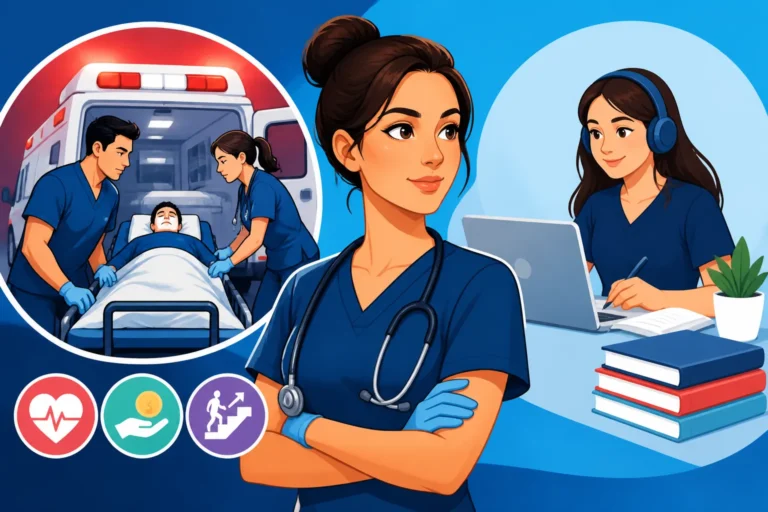
How to Become a Travel Nurse
The demanding nature of traditional nursing roles can often lead to burnout, a feeling of being stuck, and a craving for something more fulfilling – perhaps more variety, better pay, or the chance to see the country. If you've found yourself dreaming of a nursing career that offers unparalleled flexibility, adventurous new locations, and the opportunity to significantly boost your income, then travel nursing might be exactly what you're looking for. This comprehensive guide will walk you through everything you need to know to embark on your journey as a successful travel nurse.
Understanding the Allure of Travel Nursing
Let's be honest, the idea of travel nursing often conjures images of exotic locales, high pay, and freedom from hospital politics. While it certainly offers these perks, it's more than just a glamorous vacation. It’s a distinct career path that provides a unique blend of professional challenge and personal adventure, drawing in nurses who thrive on change and growth.
The Freedom and Flexibility Appeal
One of the biggest draws for nurses considering this path is the incredible sense of freedom and flexibility it offers. Instead of being tied to a single facility for years on end, you get to choose assignments that align with your lifestyle, professional goals, and even your wanderlust. This could mean taking three-month contracts in different states, working intensely for a period and then taking extended time off, or selecting positions that offer a better work-life balance than your current role.
Imagine having the power to decide where you want to live and work, even temporarily. Perhaps you've always wanted to experience living near the beach in Florida or hiking the national parks in Arizona. Travel nursing makes these dreams tangible. This level of autonomy can be incredibly empowering, giving nurses control over their careers in a way that staff positions often don't. It's not just about the destination, though; it's also about the flexibility in scheduling and the ability to dictate your own career trajectory.
Financial Rewards and Benefits
Let's talk money, because for many, the financial incentives of travel nursing are a significant driving factor. Travel nurses often command higher hourly rates than their staff counterparts, in addition to receiving housing stipends, per diem allowances for meals and incidentals, and sometimes even reimbursement for travel expenses. These benefits can add up quickly, allowing many travel nurses to pay off student loans faster, save for a down payment, or simply enjoy a higher quality of life.
The reason for these enhanced financial packages is simple: hospitals need experienced nurses, and they're willing to pay a premium to fill critical staffing gaps, especially in areas with nurse shortages or during peak seasons. While the exact compensation varies greatly depending on the specialty, location, and urgency of the need, it's not uncommon for travel nurses to earn a significantly higher overall package compared to what they would make in a permanent position. Plus, many agencies offer comprehensive health, dental, and vision insurance, as well as retirement plans, ensuring that you're well-covered even while on assignment.
Professional Growth and Diverse Experiences
Beyond the pay and perks, travel nursing is an unparalleled opportunity for rapid professional growth. Each new assignment throws you into a different healthcare system, with varying patient populations, charting systems, policies, and equipment. This constant exposure to diverse clinical environments forces you to quickly adapt, problem-solve, and expand your skillset. You'll become proficient in navigating new EMRs, collaborating with different healthcare teams, and caring for a wider range of conditions.
Think of the resume-building potential! A travel nurse's CV isn't just a list of responsibilities at one hospital; it's a testament to adaptability, resilience, and a broad clinical repertoire gained from working in multiple settings. You might work in a bustling Level I trauma center in a major city for one contract, then transition to a smaller community hospital in a rural area for the next. This variety not only keeps things fresh and exciting but also makes you a highly marketable and well-rounded nurse, equipped to handle almost anything thrown your way.
Laying the Foundation: Education and Experience
Becoming a travel nurse isn't something you can do right out of nursing school. It requires a solid educational background and, crucially, hands-on experience that proves you can hit the ground running in a new, often fast-paced environment. Think of it as building your personal nursing fortress before venturing out into the wild.
The Essential RN Licensure
The absolute first step on your journey is earning your Registered Nurse (RN) license. This typically involves graduating from an accredited nursing program – either an Associate Degree in Nursing (ADN) or a Bachelor of Science in Nursing (BSN) – and then passing the NCLEX-RN examination. Without that active, unencumbered RN license, you simply cannot practice as a nurse, let alone a travel nurse.
Many nurses start their careers with an ADN, which is a fantastic entry point into the profession. However, to maximize your opportunities in travel nursing, a BSN is highly recommended. We'll delve into why shortly. Regardless of your initial degree, maintaining an active license in good standing is paramount. Any disciplinary actions or lapses in renewal could severely hinder your ability to secure travel assignments. Tools like Uworld can be invaluable for preparing for the NCLEX-RN and ensuring you have a strong foundational knowledge.
Gaining Critical Bedside Experience
This is arguably the most crucial step after licensure. Travel nursing agencies typically require a minimum of 1-2 years of recent, dedicated experience in a specific specialty. They're not looking for new graduates because travel nurses are expected to be fully competent and independent from day one. There's usually minimal orientation, so you need to be confident in your skills, critical thinking, and ability to handle high-pressure situations without extensive supervision.
Think about which nursing specialties are in high demand for travelers. Emergency Room (ER), Intensive Care Unit (ICU), Operating Room (OR), Labor and Delivery (L&D), and Medical-Surgical (Med-Surg) are perennial favorites. Gaining experience in these areas means you'll have more contract options. For instance, if you're looking to become an ICU Nurse, dedicating a few years to working in a hospital's ICU unit will be essential. The more specialized and high-acuity your experience, the more sought after you'll be. This experience demonstrates to agencies and hospitals that you can adapt quickly and safely to diverse patient care settings.
Pursuing a BSN for Better Opportunities
While an ADN gets your foot in the door, pursuing a Bachelor of Science in Nursing (BSN) significantly broadens your horizons in travel nursing. Many hospitals, especially larger Magnet-recognized facilities, prefer or even require BSN-prepared nurses. This preference stems from research linking BSN education to improved patient outcomes and a deeper understanding of leadership, research, and community health. If you're wondering, "Is an RN to BSN Worth It?", the answer for travel nurses is often a resounding yes.
Earning your BSN often means opening doors to more desirable assignments, higher-paying contracts, and greater career advancement opportunities down the line. Plus, many BSN programs, especially online ones, are designed for working RNs, allowing you to continue gaining experience while advancing your education. Check out Online RN to BSN Programs: Complete Guide for more information on how to balance work and studies, and to understand RN to BSN Requirements Explained. The investment in a BSN is often repaid quickly through the increased earning potential and broader choice of travel assignments.
Navigating the Logistics of Travel Nursing
Once you have your license and a few years of solid experience under your belt, it's time to dive into the practicalities of becoming a travel nurse. This involves more than just packing a suitcase; it means strategically partnering with agencies and understanding the administrative hurdles.
Partnering with a Reputable Travel Nursing Agency
Finding the right travel nursing agency is like finding your co-pilot for this adventure. These agencies act as your employer, connecting you with hospitals that need temporary staff. There are hundreds of agencies out there, ranging from massive national companies to smaller, regional boutiques. It’s crucial to do your homework. Look for agencies with a strong reputation for nurse support, transparent pay packages, good benefits, and a wide network of hospital contracts.
Don't be afraid to interview several agencies and work with multiple recruiters. A good recruiter will listen to your preferences regarding location, specialty, desired pay, and even housing. They should be your advocate, helping you navigate contracts, credentialing, and any issues that arise during an assignment. Ask about their cancellation policies, how they handle unexpected assignment changes, and what resources they offer, like assistance with state licensing or CEUs. Reputable agencies include names like Aya Healthcare, Cross Country Nurses, and American Mobile Healthcare, but always research current reviews and nurse testimonials.
Understanding Licensure and Compact States
One of the trickiest aspects of travel nursing is managing state licensure. To practice in a particular state, you must hold an active nursing license for that state. This can involve applying for licensure by endorsement in each new state you plan to work in, which can be a time-consuming and sometimes costly process. However, the Nurse Licensure Compact (NLC) offers a streamlined solution. If you hold a multi-state license from a compact state, you can practice in any other NLC state without obtaining additional licenses.
Currently, over 40 states are part of the NLC, making it much easier for travel nurses to move between them. If your primary state of residence is a non-compact state, or if you want to work in a non-compact state, you’ll need to apply for licensure by endorsement. Your chosen agency should be able to guide you through this process, and some even cover the application fees. Always plan ahead, as obtaining a new state license can take several weeks or even months.
Mastering the Application and Interview Process
Once you've teamed up with an agency, your recruiter will help you compile a robust application package, often referred to as a "skills checklist" and resume. This package needs to highlight your experience, certifications (Nursing Certifications by Specialty might be helpful here), and any specialized skills. Be meticulous and honest; accuracy is key. You might also need to complete competency exams or online modules specific to certain specialties or equipment.
When it comes to interviews, they are typically less formal than for staff positions. Often, a hiring manager at the facility will conduct a brief phone or video interview to assess your experience, clinical judgment, and ability to adapt. Be prepared to discuss your past roles, why you want to travel, and how you handle challenging situations. Remember, hospitals want assurance that you are competent and require minimal onboarding. This is where your years of solid bedside experience truly shine, demonstrating your readiness to seamlessly integrate into a new team.
Preparing for Life on the Road
The romantic notion of travel nursing is wonderful, but the reality involves a lot of practical preparation. It's not just about showing up; it's about setting yourself up for success and comfort in a new, temporary home.
Housing, Travel, and Financial Planning
One of the biggest decisions for any travel nurse is housing. Agencies typically offer two main options: agency-provided housing or a housing stipend. Agency-provided housing means the agency handles finding and paying for an apartment or extended-stay hotel, which can be convenient for those who prefer less hassle. However, it might mean less control over location or amenities.
A housing stipend, on the other hand, gives you the freedom to find your own accommodations. This is often the preferred choice for nurses who want to save money (by finding cheaper housing than the stipend amount) or who travel with pets or family. You'll need to research short-term rentals, extended-stay options, or even RV parks. Beyond housing, consider your travel to and from assignments, whether you'll drive your own car, and the cost of gas or flights. Also, remember to budget carefully. While travel nurses earn more, you'll have fluctuating income, so having an emergency fund and tracking your expenses is vital. Learn more about Travel Nurse Salary Explained to understand the full financial picture.
Essential Packing and Personal Preparation
Packing for a 13-week assignment can feel like an art form. You need to bring enough to be comfortable, but not so much that you're hauling your entire life across the country. Think about essentials: uniforms, comfortable shoes, toiletries, medications, and crucial documents (licensing information, certifications, contact numbers). Don't forget items that make a temporary living space feel like home, such as a favorite blanket, a good coffee maker, or pictures of loved ones.
Beyond physical items, mental and emotional preparation is key. Understand that you'll be starting over frequently. This means getting used to a new city, finding new grocery stores, doctors, and even friends. Being proactive about building a routine, exploring your new surroundings, and staying connected with your support system back home can make a huge difference in your overall well-being.
Cultivating Resilience and Adaptability
Travel nursing is a fantastic way to develop incredible resilience and adaptability. Each new hospital brings its own culture, its own quirks, and its own set of challenges. You might encounter outdated equipment, different charting systems, or patient populations with unique needs. The ability to quickly assess a situation, learn on the fly, and adjust your approach is paramount.
This isn't always easy. There will be moments of frustration, confusion, or even loneliness. However, each challenge overcome builds your confidence and makes you a stronger, more resourceful nurse. Embrace the learning opportunities, ask questions when you need to, and lean on your fellow travel nurses or your agency recruiter for support. Remember, you're not just providing patient care; you're also continually proving your ability to thrive in ever-changing environments, a skill highly valued in any healthcare setting.
Excelling in Your Travel Nursing Assignments
Being a travel nurse isn't just about showing up; it's about consistently performing at a high level and making a positive impact, even as a temporary team member. Your reputation as a skilled, adaptable, and professional nurse is your most valuable asset.
Embracing New Healthcare Environments
Every hospital has its own unique personality, from its specific policies and procedures to its unit culture and preferred communication styles. The key to success as a travel nurse is to approach each new assignment with an open mind and a willingness to learn. You'll need to quickly familiarize yourself with the unit layout, emergency protocols, and the location of essential supplies. Don't be afraid to ask questions, especially in the first few days or weeks. It’s far better to ask for clarification than to make an assumption that could impact patient care.
Remember that you are there to supplement the existing staff and integrate into their workflow. Be observant, respect established routines, and demonstrate a positive, collaborative attitude. While you bring fresh perspectives, understanding the local way of doing things is crucial. This helps build rapport with the permanent staff and ensures smoother patient transitions and care delivery.
Building Relationships and Networking
Even though your assignments are temporary, building positive relationships with your colleagues is incredibly important. A friendly demeanor, a willingness to help, and a respectful attitude go a long way in creating a positive work environment. You might find invaluable mentors among the permanent staff or even make lifelong friends with other travel nurses on assignment. These connections not only make your current contract more enjoyable but can also lead to future opportunities.
Networking extends beyond the hospital walls. Join local nursing groups, attend professional development events, or connect with other travel nurses online. These networks can provide support, advice, and even recommendations for future assignments or agencies. Plus, a strong professional network can be vital for career advancement, whether you decide to return to staff nursing, pursue an MSN vs DNP: Which to Choose, or move into a Nurse Practitioner Specializations Explained role.
Continuous Learning and Professional Development
The healthcare landscape is constantly evolving, and travel nursing, with its exposure to diverse practices, provides a front-row seat to these changes. It's essential to commit to continuous learning and professional development to stay current and maintain your marketability. This includes keeping your certifications up to date, attending workshops, reading nursing journals, and pursuing advanced education.
Many agencies offer resources for continuing education (CEUs), and some even provide platforms for online learning. For instance, continuing your education with a program like How Long Does an RN to BSN Take or focusing on advanced certifications in your specialty will not only enhance your skills but also demonstrate your dedication to excellence. Leveraging resources like Uworld's comprehensive question banks can also keep your clinical knowledge sharp between assignments, preparing you for any scenario. Staying proactive in your learning ensures you remain a highly competent and desirable travel nurse.
Common Challenges and How to Overcome Them
Travel nursing is undoubtedly rewarding, but it's not without its hurdles. Being prepared for these common challenges can make a significant difference in your overall experience and success.
Navigating Unfamiliarity and Isolation
One of the biggest adjustments for travel nurses is the constant newness. Every few months, you're in a new city, a new hospital, with new colleagues and often a new living situation. This can lead to feelings of unfamiliarity and, at times, isolation. It’s easy to feel like an outsider on a unit where everyone else knows each other and the ropes.
To combat this, actively seek out ways to connect. Introduce yourself confidently to new colleagues. Explore your new city – find local coffee shops, parks, or fitness classes. Social media groups for travel nurses can also be a fantastic resource for connecting with others in your area or sharing experiences. Remember that these feelings are normal, and most travel nurses experience them. Focus on creating small routines and making an effort to engage, both professionally and personally.
Managing Contracts and Agency Relationships
The relationship with your travel nursing agency and recruiter is critical. While a good recruiter is a godsend, issues can still arise. This could be anything from unexpected changes to your assignment details, problems with payroll or benefits, or misunderstandings about your responsibilities. It's vital to read your contracts carefully, ask questions about anything unclear, and keep detailed records of all communications.
If an issue arises, communicate clearly and professionally with your recruiter. Don't let small problems fester; address them promptly. Sometimes, contracts can be canceled or units might not be a good fit, and knowing your agency's policies on these matters upfront can prevent undue stress. Building a trusting relationship with your recruiter allows them to better advocate for you and ensure your assignments run as smoothly as possible.
Balancing Work, Life, and Self-Care
Travel nursing often involves periods of intense work, especially if you're taking high-paying contracts in demanding environments. It's easy to get caught up in the grind, but neglecting your personal life and self-care can quickly lead to burnout, the very thing many nurses seek to escape. Remember that you’re on the road for a reason, and taking time for yourself is paramount.
Make time for hobbies, exercise, healthy eating, and maintaining connections with family and friends back home. Explore your new city on your days off, or take that weekend trip you've always dreamed of. How to Balance Work and RN to BSN might offer some transferable tips on managing demanding schedules. Creating a consistent self-care routine, even amidst constant change, is crucial for your physical and mental well-being. Prioritizing rest and personal time ensures you stay refreshed, enthusiastic, and ready to tackle whatever your next assignment brings.
| Step | Description | Key Considerations |
|---|---|---|
| 1. Education | Obtain an ADN or, preferably, a BSN from an accredited program. | BSN opens more doors; consider RN to BSN Requirements Explained. |
| 2. Licensure | Pass the NCLEX-RN and maintain an active RN license. | Research Nurse Licensure Compact states for multi-state flexibility. |
| 3. Experience | Gain 1-2 years of recent, specialized bedside experience. | High-demand specialties like ER, ICU, Med-Surg are ideal. |
| 4. Agency Selection | Partner with a reputable travel nursing agency. | Look for strong support, transparent pay, and good benefits. |
| 5. Credentialing | Complete agency application, skills checklists, and state licensure by endorsement (if needed). | Be thorough and accurate; keep all documents organized. |
| 6. Interviews | Prepare for brief phone/video interviews with hiring managers. | Highlight adaptability, clinical judgment, and independence. |
| 7. Preparation | Plan for housing, travel, finances, and personal belongings. | Decide on agency housing vs. housing stipend; budget carefully. |
| 8. Self-Care | Develop strategies for managing stress, unfamiliarity, and potential isolation. | Actively seek connections, explore new areas, prioritize downtime. |
| 9. Performance | Embrace new environments, build positive relationships, commit to continuous learning. | Adapt quickly, ask questions, utilize CEU resources like Uworld. |
Disclaimer
The information provided in this article is for general informational purposes only and does not constitute professional advice. While we strive to provide accurate and up-to-date information, nursing regulations, program requirements, and job market conditions can change rapidly. Always consult with academic advisors, nursing agencies, and official state board of nursing websites for the most current and specific guidance related to your individual situation.