Emergency Nurse: Role, Salary, and How to Start
The emergency room is a world unto itself – a whirlwind of urgent decisions, critical care, and often, profound human moments. Many aspiring and current nurses feel drawn to the fast pace and life-saving potential of this specialty, but also wonder about the intense demands, the real earning potential, and the exact steps to get there. This comprehensive guide will walk you through what it truly means to be an emergency nurse, the salary you can expect, and the actionable steps you need to take to launch your career in this incredibly vital field.
What Exactly Does an Emergency Nurse Do?
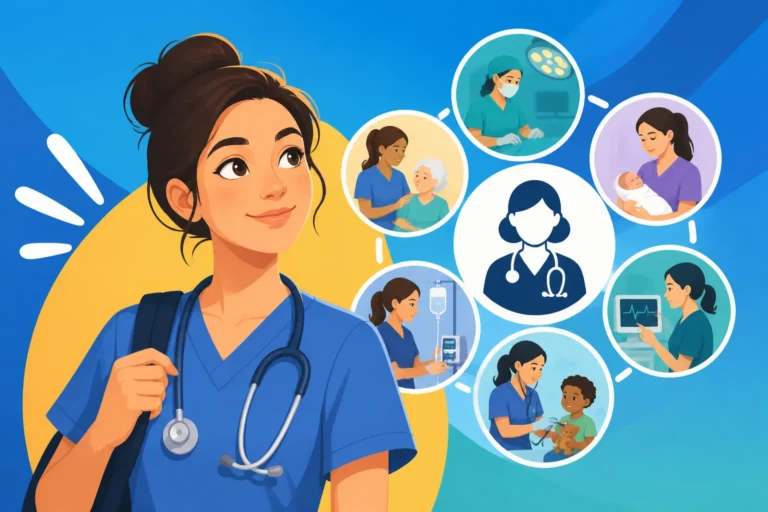
Being an emergency nurse, or ER nurse, isn't just a job; it's a calling to the front lines of healthcare. You are often the first point of contact for patients in crisis, dealing with everything from a sprained ankle to a life-threatening car accident. It demands a unique blend of clinical expertise, lightning-fast critical thinking, and a compassionate heart, even in the most chaotic circumstances.
The Fast-Paced Environment of the ER
Imagine walking into a buzzing, high-stakes environment where no two shifts are ever the same. That's the ER. One moment you might be triaging a patient with a severe headache, and the next you're assisting with a trauma code for a critically injured individual rushed in by ambulance. The pace is relentless, demanding nurses to juggle multiple priorities, make rapid assessments, and often, perform life-saving interventions within minutes. It's an environment where every second counts, and your ability to remain calm and focused under immense pressure is paramount. This level of intensity is something that many nurses find both challenging and exhilarating, much like the rigorous demands of an Accelerated BSN Programs Explained.
You're not just dealing with physical ailments; you're also managing the emotional fallout for patients and their families. This means communicating clearly, offering reassurance, and navigating complex family dynamics, all while maintaining clinical precision. The constant flux of patients, conditions, and urgency means you’re always learning, always adapting, and always on your toes.
Core Responsibilities and Daily Tasks
The daily tasks of an ER nurse are incredibly diverse, reflecting the wide spectrum of illnesses and injuries that walk through the doors. Your primary goal is to stabilize patients, alleviate their immediate suffering, and prepare them for either discharge or admission to another unit.
Here’s a snapshot of typical responsibilities:
- Rapid Assessment and Triage: This is your initial evaluation. You'll quickly assess a patient's vital signs, symptoms, and medical history to determine the severity of their condition and prioritize their care. A patient presenting with chest pain will immediately be escalated above someone with a minor cut, for instance.
- Emergency Interventions: This includes administering medications, starting IV lines, performing wound care, splinting fractures, and assisting with intubations or other advanced procedures. You might be managing a patient with a stroke, a heart attack, diabetic ketoacidosis, or a severe allergic reaction all in one shift.
- Trauma Stabilization: For victims of accidents, falls, or violence, you’ll be an integral part of the trauma team, working quickly to control bleeding, manage airways, and support circulation.
- Diagnostic Coordination: You'll collect specimens, assist with diagnostic tests like EKGs, X-rays, and CT scans, and interpret initial results to inform the care plan.
- Patient and Family Education: Even in a crisis, educating patients and their families is crucial. This could involve explaining diagnoses, treatment plans, medication instructions, or discharge care, ensuring they understand next steps whether they are going home or being admitted.
- Collaboration: ER nurses work seamlessly with emergency physicians, paramedics, specialists, social workers, and other healthcare professionals to ensure comprehensive patient care. This team-based approach is vital for success in the emergency department.
The diverse nature of the role means that emergency nursing is often cited as one of the most dynamic Nursing Specializations Explained, requiring nurses to be proficient across many areas of medical care.
Salary and Career Outlook for Emergency Nurses
Let's be real, while passion drives many nurses, compensation and job security are important considerations. Emergency nursing is a highly specialized and in-demand field, and the salary reflects the significant responsibility and specialized skills required.
Average Emergency Nurse Salaries
Emergency nurse salaries can vary quite a bit based on factors like location, experience, and certifications. Nationally, the average annual salary for a Registered Nurse (RN) hovers around $89,000, but emergency nurses often earn more due to the specialized nature of their role and the high-stress environment. Many experienced ER nurses can see their salaries well into the six figures, especially in areas with a high cost of living or significant demand.
For instance, an ER nurse in California, particularly in metropolitan areas like Los Angeles or San Francisco, might expect a significantly higher salary than one in a less populated state, simply because the cost of living and demand are higher. This regional variation is a common theme across all nursing roles, and understanding How Much Do Nurses Make in different areas is crucial.
Factors Influencing Emergency Nurse Pay
Several key factors play a big role in how much an emergency nurse can earn:
- Location: As mentioned, geography is a huge determinant. States like California, New York, Hawaii, and Massachusetts consistently report higher average salaries for nurses, including those in emergency care. Conversely, states in the Midwest or South might offer lower base salaries. You can often explore the Highest-Paying States for Nurses to get a clearer picture of regional differences.
- Experience Level: Like any profession, the more experience you gain, the higher your earning potential. New graduate ER nurses will start at a foundational rate, but after a few years of handling critical cases and mastering complex skills, their salary will naturally increase. A nurse with 5-10 years of ER experience will command a much higher salary than a new grad.
- Certifications and Advanced Degrees: Holding specialized certifications like the Certified Emergency Nurse (CEN) can significantly boost your pay and marketability. Many hospitals offer bonuses or higher hourly rates for nurses with these credentials. Similarly, pursuing an advanced degree like an MSN, even if you remain at the bedside, can open doors to leadership roles or other opportunities that come with increased compensation. Learning about How Certifications Increase Nurse Salary can be very insightful here.
- Type of Facility: Working in a Level I trauma center in a bustling city often comes with a higher salary compared to a smaller community hospital, simply because the acuity of patients and the complexity of care are greater.
- Shift Differentials: ERs operate 24/7, so nurses working nights, weekends, or holidays typically receive additional "differential" pay, which can significantly increase their overall annual earnings.
Job Outlook and Demand
The demand for registered nurses, including emergency nurses, is projected to grow much faster than the average for all occupations. The Bureau of Labor Statistics (BLS) projects a 6% growth for registered nurses between 2022 and 2032, which translates to roughly 177,400 new jobs over the decade.
Emergency nurses are particularly in demand due to several factors:
- Aging Population: As the population ages, there's an increased need for emergency medical care, from falls and chronic disease exacerbations to acute illnesses.
- Access to Healthcare: Many individuals use the ER as their primary care provider, especially those without health insurance or access to regular clinics, leading to a consistent patient volume.
- Complex Cases: The increasing complexity of medical care means ER nurses need higher levels of skill and expertise, making experienced professionals highly sought after.
- Burnout and Turnover: The high-stress nature of ER nursing can unfortunately lead to burnout, creating a continuous need for new and replacement nurses.
Overall, the Nursing Job Outlook and Demand for emergency nurses remains strong, promising excellent job security and continued opportunities for career advancement.
How to Start Your Journey as an Emergency Nurse
The path to becoming an emergency nurse is clear, but it requires dedication, the right education, and a commitment to continuous learning. It's not a field you just "fall into"; it's one you intentionally pursue.
Educational Requirements
The first step, like any registered nursing role, is to earn a nursing degree. While an Associate Degree in Nursing (ADN) will allow you to take the NCLEX-RN and become a licensed RN, most hospitals, especially those with busy emergency departments, strongly prefer or even require a Bachelor of Science in Nursing (BSN).
- Associate Degree in Nursing (ADN): This is a two-year program typically offered at community colleges. It provides the foundational knowledge and clinical skills to become an RN. While you can start in the ER with an ADN, many facilities will expect you to pursue your BSN within a certain timeframe, often two to five years of employment.
- Bachelor of Science in Nursing (BSN): This four-year degree from a university or college offers a more comprehensive education, including leadership, research, community health, and critical thinking. A BSN is increasingly becoming the standard for entry-level nursing and is highly favored for specialized units like the ER. If you already have an ADN, an Online RN to BSN Programs: Complete Guide can be an excellent way to bridge that gap while continuing to work. For those with a non-nursing bachelor's degree, an Accelerated BSN Programs Explained provides a faster route to earning your BSN.
No matter which path you choose, a solid understanding of anatomy, physiology, pharmacology, and pathophysiology is non-negotiable for success in the ER.
Gaining Critical Experience
While some new graduate nursing programs offer residency tracks directly into the ER, it's not always easy to land an emergency department position right out of school. Many nurses start their careers in other high-acuity areas to build a strong clinical foundation before transitioning to the ER.
- Med-Surg or Telemetry: Starting on a medical-surgical floor or a telemetry unit (cardiac monitoring) can provide invaluable experience in managing multiple patients, administering complex medications, performing assessments, and developing organizational skills. These units expose you to a wide variety of patient conditions and help you hone your critical thinking.
- Intensive Care Unit (ICU): Working in the ICU is another excellent stepping stone. ICU nurses care for critically ill patients, often on ventilators or receiving advanced life support. This experience will dramatically sharpen your assessment skills, your ability to manage complex equipment, and your capacity to react quickly in emergent situations – all crucial for the ER.
Even if you can't start directly in the ER, seek out opportunities during your nursing school clinical rotations to spend time in the emergency department. Observe, ask questions, and show initiative. Networking with ER staff during these experiences can also be beneficial when it's time to apply for jobs.
Here's a quick overview of educational paths and experience milestones:
| Educational Path | Initial Degree | Time to Complete | Recommended Experience Before ER |
|---|---|---|---|
| ADN (Associate Degree) | ADN | 2 Years | 1-2 years Med-Surg/Telemetry/ICU |
| BSN (Bachelor's Degree) | BSN | 4 Years | New Grad residency or 6-12 months other acute care |
| RN to BSN (Post-ADN) | BSN | 1-2 Years | 1-2 years Med-Surg/Telemetry/ICU (if started with ADN) |
| Accelerated BSN (2nd Degree) | BSN | 12-18 Months | New Grad residency or 6-12 months other acute care |
Essential Certifications for ER Nurses
Once you've got your degree and some foundational experience, acquiring specialized certifications is the next crucial step to becoming an emergency nurse. These demonstrate your expertise and commitment to the field.
- Basic Life Support (BLS): This is foundational for all healthcare providers and is mandatory before you even start nursing school.
- Advanced Cardiovascular Life Support (ACLS): ACLS is essential for managing adult cardiac emergencies and is typically required for ER nurses. You'll learn to recognize and intervene in various cardiac arrest situations, strokes, and other cardiovascular emergencies.
- Pediatric Advanced Life Support (PALS): If you plan to work in an emergency department that treats children (which most do), PALS is often required. It focuses on the assessment and management of critically ill infants and children.
- Trauma Nursing Core Course (TNCC): TNCC is a highly respected course that provides fundamental knowledge, critical thinking skills, and hands-on training to systematically assess and intervene in trauma cases. Many ERs require or strongly recommend this certification.
- Certified Emergency Nurse (CEN): This is the gold standard for emergency nursing certification. The CEN credential, offered by the Board of Certification for Emergency Nursing (BCEN), validates your specialized knowledge and expertise in emergency nursing across all patient populations. While not required for entry-level positions, it's highly valued by employers and often leads to higher pay. Preparing for the CEN exam can be daunting, but resources like Uworld offer comprehensive review materials and practice questions designed to help nurses master the content and build confidence for this critical certification. Passing the CEN shows you have a deep understanding of the diverse challenges faced daily in the ER, making it one of the most impactful Nursing Certifications That Boost Pay. For more detailed information, exploring Emergency Nurse Certification CEN is a great next step.
Key Skills and Personal Qualities for ER Nursing
Beyond the formal education and certifications, certain skills and personal attributes are absolutely vital for thriving in the ER environment. These are often developed through experience, but some innate qualities can give you a significant advantage.
Clinical Competencies
While some skills are taught, mastering them to the speed and precision required in an ER takes practice.
- Rapid Assessment: The ability to quickly gather crucial information, identify life-threatening conditions, and prioritize interventions is paramount. You need to be able to scan a room, identify the sickest patient, and initiate a plan of care, all within moments.
- IV Insertion and Phlebotomy: These are fundamental skills. You'll often be starting IVs on dehydrated, anxious, or critically ill patients, sometimes under challenging circumstances.
- Wound Care and Splinting: From complex lacerations to fractured bones, ER nurses are adept at managing various injuries.
- Medication Administration and Titration: You'll be administering a wide range of medications, often requiring precise calculations and continuous monitoring, sometimes in emergent situations where rapid response is key.
- Airway Management: While intubation is typically done by physicians, ER nurses are experts in managing airways, assisting with intubations, and ensuring patients can breathe effectively, from setting up equipment to administering emergency medications.
- Proficiency with Emergency Equipment: This includes cardiac monitors, defibrillators, oxygen delivery systems, and rapid infusers. Being comfortable and competent with these tools is crucial for patient safety.
Many of these hands-on skills are initially covered in your foundational nursing education, as detailed in a typical What You Learn in an RN to BSN Program, but the ER environment demands continuous refinement and mastery.
Interpersonal and Soft Skills
The human element is just as critical as the clinical one in emergency nursing.
- Exceptional Communication: You need to communicate clearly, concisely, and empathetically with patients in pain, anxious family members, and a busy healthcare team. Miscommunication can have severe consequences, making this skill non-negotiable.
- Critical Thinking and Problem-Solving: Every patient presents a unique puzzle. You must analyze symptoms, anticipate potential complications, and make swift, informed decisions under pressure. This isn't just about following protocols; it's about intelligent, independent thought.
- Stress Management and Resilience: The ER is inherently stressful. You'll witness trauma, death, and intense emotional situations regularly. The ability to manage your own stress, process difficult experiences, and bounce back quickly is essential to avoid burnout. Learning How to Balance Work and RN to BSN can provide transferable skills for managing high-stress environments.
- Adaptability and Flexibility: The ER is unpredictable. Plans can change in an instant, and you must be able to pivot and adjust your priorities without losing your composure.
- Empathy and Compassion: Despite the chaos and urgency, maintaining a compassionate approach to patient care is vital. Patients in the ER are often at their most vulnerable, and a kind word, a reassuring touch, or a moment of genuine connection can make a profound difference.
Challenges and Rewards of Emergency Nursing
No nursing specialty is without its unique set of challenges and profound rewards, and emergency nursing truly exemplifies this duality. It's a role that demands much, but also gives back in extraordinary ways.
The Demanding Realities
Let's not sugarcoat it – emergency nursing is tough. The very nature of the job comes with significant pressures that can take a toll.
- High-Stress Environment: You are constantly working under pressure, often with critical patients, limited resources, and the need for immediate action. This sustained high-stress level can lead to emotional and physical exhaustion.
- Exposure to Trauma and Violence: ER nurses regularly encounter victims of accidents, violence, and abuse. This exposure can be emotionally scarring and lead to secondary trauma. Sadly, workplace violence against healthcare workers, including ER staff, is also a concerning reality.
- Burnout Risk: The combination of long hours, high patient acuity, emotional demands, and understaffing contributes to a significant risk of burnout among emergency nurses. It's crucial to implement self-care strategies and have a strong support system. This intense environment can be comparable to the rigor of programs like Is an Accelerated BSN Hard, requiring extreme dedication and resilience.
- Irregular Hours: ERs never close, meaning emergency nurses often work nights, weekends, holidays, and extended shifts. This can disrupt personal life and sleep patterns.
- Compassion Fatigue: Constantly witnessing suffering and death can lead to compassion fatigue, where a nurse's capacity for empathy becomes diminished. Recognizing the signs and actively managing this is key to long-term success.
The Immense Rewards
Despite the intense demands, emergency nurses consistently report immense satisfaction and purpose in their work. The rewards, though sometimes intangible, are deeply fulfilling.
- Making a Tangible Difference: There's no greater reward than knowing you played a direct role in saving a life or significantly improving a patient's outcome. In the ER, you often see the immediate impact of your interventions.
- Never a Dull Moment and Constant Learning: If you thrive on variety and intellectual stimulation, the ER is for you. You'll encounter every type of medical condition imaginable, ensuring you're always learning new skills, updating your knowledge, and honing your craft.
- Strong Camaraderie: The shared experiences and high-stakes environment foster incredibly strong bonds among ER staff. You become a tight-knit team, relying on and supporting each other through challenging shifts.
- Developing Advanced Clinical Skills: The ER forces you to become proficient in a wide range of advanced nursing skills, from complex assessments to critical interventions. This expertise is highly valued throughout the healthcare system.
- Personal Growth and Resilience: Navigating the challenges of emergency nursing builds incredible resilience, problem-solving abilities, and emotional fortitude. You'll grow not just as a nurse but as an individual. Many nurses attest that the personal and professional development in this role are significant Career Benefits of Earning a BSN.
- Patient Gratitude: Even if brief, the gratitude from patients and families during moments of crisis can be incredibly powerful and affirming.
Emergency nursing is undoubtedly a challenging path, but for those with the right blend of skill, temperament, and heart, it is one of the most dynamic, impactful, and rewarding careers in healthcare.
Disclaimer
The information provided in this article is for general informational purposes only and does not constitute medical, legal, or professional advice. While we strive to offer accurate and up-to-date content, nursing education and career requirements can change. Always consult official university admissions departments, state boards of nursing, and professional organizations for the most current and specific information relevant to your situation.