Critical Care Nurse: Role, Salary, and How to Start
Feeling the undeniable pull towards a nursing specialty where every second truly counts? Many nurses are drawn to the intensive care unit (ICU) by the desire to provide life-saving care to the most critically ill patients, yet the sheer intensity and high stakes can feel incredibly intimidating. This comprehensive guide will illuminate the crucial role of a critical care nurse, explore the rewarding salary prospects, and map out the practical steps you can take to embark on this challenging and fulfilling career path.
The Dynamic World of Critical Care Nursing
Critical care nursing isn't just a job; it's a calling to serve at the sharpest end of healthcare. It demands an exceptional blend of clinical expertise, swift decision-making, and profound compassion. If you’ve ever walked past the hushed, yet intensely busy, doors of an ICU and felt a sense of purpose, you're not alone. This is where nurses truly shine, often being the last line of defense for patients facing life-threatening conditions.
What Exactly Does a Critical Care Nurse Do?
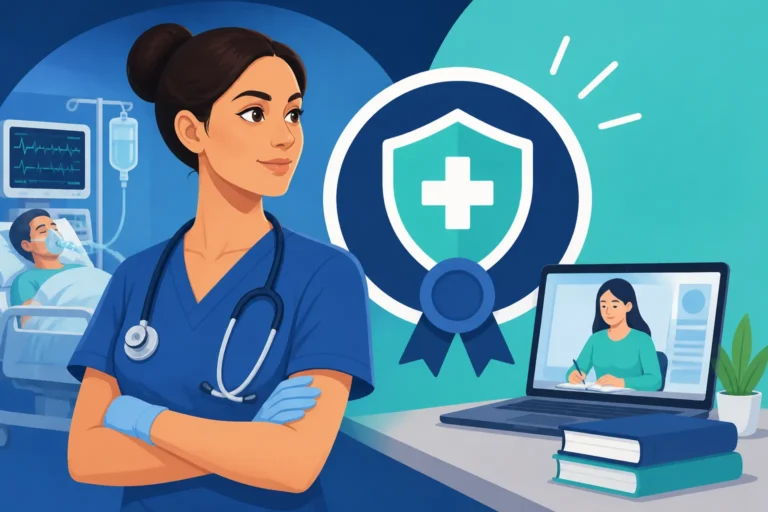
A critical care nurse, often referred to as an ICU nurse, is responsible for the continuous, comprehensive care of patients who are experiencing life-threatening health problems. These patients require constant monitoring and often depend on advanced technology to sustain their lives. Think about patients on ventilators, continuous dialysis, or those recovering from major surgeries or severe trauma – these are your charges.
Your day in the ICU is rarely predictable, but it typically involves an intricate dance of assessments, interventions, and meticulous documentation. You'll be monitoring vital signs continuously, administering potent medications, managing complex medical equipment like IV pumps and invasive lines, and responding to rapid changes in a patient's condition. Every shift requires you to be hyper-vigilant, interpreting data from monitors, lab results, and physical assessments to identify subtle shifts that could indicate a crisis.
Beyond the technical skills, critical care nurses are the patient's primary advocate, communicator, and source of comfort during an incredibly vulnerable time. You'll explain complex medical jargon to anxious families, offer emotional support, and often facilitate difficult conversations about prognosis and end-of-life care. It's a role that demands not just intellect and skill, but also immense empathy and resilience. You're not just treating a disease; you're caring for a whole person and their family.
The Essential Skills and Qualities for ICU Nurses
To truly thrive as a critical care nurse, you need a robust set of skills that extend far beyond basic nursing knowledge. First and foremost are strong assessment skills. You need to quickly and accurately assess a patient's status, recognize subtle changes, and anticipate potential complications. This involves a deep understanding of pathophysiology and pharmacology.
Beyond clinical acumen, critical thinking is paramount. In the ICU, situations can deteriorate rapidly, requiring you to make quick, sound decisions under immense pressure. You'll need to prioritize interventions, collaborate effectively with a multidisciplinary team (doctors, respiratory therapists, pharmacists, etc.), and often adapt your care plan on the fly. This isn't a place for hesitation; it's a place for decisive, evidence-based action.
Equally important are the "soft skills." Excellent communication, both verbal and written, is crucial for conveying complex information to colleagues and families. You also need to possess exceptional emotional intelligence to navigate the high-stress environment and provide compassionate care. Resilience, self-awareness, and the ability to cope with grief and difficult outcomes are also fundamental. The work is physically and emotionally demanding, so maintaining your own well-being is not just a personal goal but a professional necessity.
Navigating the Path to Becoming a Critical Care Nurse
Becoming a critical care nurse is a journey that requires dedication, continuous learning, and a strategic approach to gaining experience. It’s not a path you typically jump into straight out of nursing school, but rather one you grow into with focused effort.
Educational Foundations and Licensure
Your first step, naturally, is to become a registered nurse (RN). This typically means earning either an Associate Degree in Nursing (ADN) or a Bachelor of Science in Nursing (BSN). While both degrees prepare you to pass the NCLEX-RN and obtain your license, many hospitals, especially those with Magnet status or in larger urban areas, strongly prefer or even require new hires in critical care units to have a BSN. This preference is rooted in research linking higher BSN-prepared nursing staff to improved patient outcomes. If you currently hold an ADN, pursuing an Online RN to BSN Programs: Complete Guide can be a fantastic way to advance your career.
After completing your nursing program, the next critical hurdle is passing the National Council Licensure Examination (NCLEX-RN). This exam ensures that you have the foundational knowledge and skills required for safe and effective nursing practice. Many aspiring nurses find preparing for this exam challenging, and resources like Uworld are often recommended for their comprehensive question banks and detailed rationales, which can be invaluable for solidifying your understanding. Once you've successfully passed the NCLEX, you can apply for your RN license in your state of practice.
While a BSN is often the gold standard for entry into critical care, some nurses begin their careers with an ADN and gain experience in less acute settings before transitioning. However, the trend is clear: a BSN provides a stronger entry point and greater long-term career mobility within specialized fields like critical care. Understanding RN to BSN Requirements Explained can help you plan your educational journey effectively.
Gaining Experience and Specializing
Unlike some other nursing roles, critical care nursing is almost never an entry-level position. Most ICUs require new nurses to have at least 1-2 years of general medical-surgical experience. This foundation is essential because it allows you to master basic patient care, develop your assessment skills, hone your critical thinking, and become proficient in common nursing procedures before adding the complexities of critical illness.
Once you have that foundational experience, you can start looking for positions as a critical care nurse. Many hospitals offer Nurse Residency Programs or internships specifically designed to transition experienced nurses into specialty areas like the ICU. These programs provide structured learning, mentorship, and a slower acclimation to the high-acuity environment, which can be incredibly beneficial. When applying, highlight any experiences you've had with complex patients, rapid response teams, or leadership roles, even if they were in a less acute setting.
Consider seeking out roles in intermediate care units, step-down units, or emergency departments first. These environments often serve as excellent bridges, exposing you to sicker patients and preparing you for the demands of the ICU without the immediate overwhelming intensity. Building a strong resume and demonstrating a commitment to continuous learning will significantly boost your chances of landing that coveted critical care position.
Critical Care Nurse Salary and Career Advancement
A career as a critical care nurse is not only emotionally rewarding but also financially stable, offering competitive salaries and numerous avenues for professional growth.
Understanding Critical Care Nurse Compensation
The salary for a critical care nurse can vary significantly based on several factors, including geographic location, years of experience, the type of facility (e.g., teaching hospital vs. community hospital), and whether you hold specialized certifications. Generally, critical care nurses earn higher salaries than general medical-surgical nurses due to the specialized skills and high-acuity nature of their work.
According to recent data, the median annual salary for registered nurses, which includes critical care nurses, is around $86,070, but for ICU nurses with experience, this figure often climbs much higher, with top earners making well over $100,000 annually. For instance, a critical care nurse in a high-cost-of-living area like San Francisco or New York City might see a significantly higher base salary than one in a rural area of the Midwest, even with similar experience. You can delve deeper into this topic by exploring our guide on How Much Do Nurses Make and Highest-Paying Nursing Specialties.
Beyond base salary, critical care nurses often benefit from shift differentials for evenings, nights, and weekends, as well as opportunities for overtime pay. Many hospitals also offer sign-on bonuses for experienced ICU nurses due to the high demand for this specialized skill set. It's a field where your expertise is genuinely valued and compensated accordingly.
Advanced Certifications and Career Progression
Earning specialty certifications is a powerful way for critical care nurses to validate their expertise, enhance their professional standing, and often, increase their earning potential. The most recognized certification for adult critical care nurses is the Critical Care Registered Nurse (CCRN) certification, offered by the American Association of Critical-Care Nurses (AACN). This credential demonstrates mastery of critical care nursing knowledge and is highly respected by employers and peers alike. There are also specialized CCRN certifications for pediatric and neonatal critical care.
To be eligible for the CCRN, you typically need to have a certain number of hours of direct critical care experience (e.g., 1,750 hours in the previous two years or 2,000 hours in the previous five years). Preparing for the CCRN exam is rigorous, and just like with the NCLEX, many nurses turn to comprehensive review courses and practice questions from providers like Uworld to ensure they are well-prepared. Mastering the material for the CCRN is not just about passing an exam; it's about solidifying your knowledge base and becoming an even more competent and confident practitioner.
| Factor | Impact on Critical Care Nurse Salary | Example |
|---|---|---|
| Location | Higher cost-of-living areas and states with strong union representation tend to pay more. | California ($133,340) vs. Alabama ($66,000) average RN salary. |
| Experience | Entry-level salaries are lower; significant increases occur with 5+ years of experience. | New grad ICU RN vs. ICU RN with 10 years experience and CCRN. |
| Certifications | Specialty certifications (like CCRN) often lead to higher pay and career opportunities. | CCRN-certified nurses often command 5-10% higher salaries or retention bonuses. |
| Facility Type | Teaching hospitals, trauma centers, and large urban medical centers often offer better compensation. | Level I Trauma Center ICU vs. small community hospital ICU. |
| Shift/Overtime | Evening, night, weekend, and holiday shifts typically include differential pay. | Working 3 night shifts a week can significantly boost annual income. |
| Education | BSN-prepared nurses often earn more than ADN-prepared nurses, especially in critical care. | Check out BSN Salary Explained for more details. |
Beyond certification, critical care nursing can serve as a springboard for numerous advanced roles. Many ICU nurses go on to become nurse practitioners (NPs), specializing in acute care, or even certified registered nurse anesthetists (CRNAs), which are among the Highest-Paying Nursing Careers. Some also move into leadership positions as charge nurses, nurse managers, or clinical nurse specialists. The depth of experience and critical thinking skills gained in the ICU are highly transferable and valued in various advanced practice and leadership roles, offering a clear path for continuous growth and impact.
Thriving in the Intensive Care Unit
Working in the ICU is profoundly demanding, both mentally and emotionally. To excel and maintain longevity in this field, it's vital to prioritize continuous learning and personal well-being.
Essential Resources for Critical Care Nurses
The world of critical care is constantly evolving with new treatments, technologies, and best practices. Therefore, lifelong learning is not just encouraged, it's absolutely necessary. Beyond your initial education and experience, staying current with medical literature and participating in professional development are key. The AACN offers a wealth of resources, including clinical practice guidelines, educational webinars, and conferences that are tailor-made for critical care professionals.
For those preparing for certification exams or simply wanting to keep their knowledge sharp, specialized review platforms can be incredibly beneficial. As mentioned earlier, Uworld is a popular choice for its robust practice questions and in-depth explanations, which can help reinforce complex physiological concepts and clinical scenarios encountered in the ICU. Regular review of complex topics, even after you've passed your exams, can ensure you maintain a high level of proficiency and confidence.
Joining professional organizations like the AACN provides opportunities for networking, mentorship, and advocacy. These connections can be invaluable for navigating career challenges, staying informed about industry trends, and finding a supportive community that understands the unique pressures of critical care. Furthermore, exploring specific content like Critical Care Nurse Certification CCRN can provide direct information on achieving specialty credentials.
Maintaining Well-being in a High-Stakes Environment
The relentless pace and emotional intensity of critical care nursing can lead to burnout if not managed proactively. It’s not uncommon for nurses to experience compassion fatigue or moral distress, especially when dealing with prolonged illness, difficult family situations, or challenging ethical dilemmas. Recognizing the signs of burnout in yourself and your colleagues is the first step toward prevention.
Establishing healthy boundaries between your professional and personal life is paramount. When you're off the clock, make a conscious effort to disconnect from work. Engage in hobbies, spend time with loved ones, and prioritize activities that rejuvenate you, whether that's exercise, mindfulness, or pursuing creative outlets. Many hospitals offer employee assistance programs (EAPs) and mental health resources, which can provide confidential support and counseling. Don't hesitate to utilize these services; they are there for a reason.
Building a strong support system, both at work and at home, is also crucial. Lean on your colleagues, as they often understand the unique stresses you face better than anyone. Debriefing after a particularly challenging shift can be therapeutic and help process difficult emotions. Remember, you're not alone in facing these challenges, and seeking support is a sign of strength, not weakness. Being a critical care nurse is incredibly demanding, but with the right preparation and self-care strategies, it can also be one of the most fulfilling nursing specializations.
Disclaimer
The information provided in this guide is intended for general informational purposes only and does not constitute professional medical or educational advice. Always consult with qualified professionals for specific guidance related to your personal circumstances, education, and career path in nursing. Salary data can fluctuate based on market conditions, location, experience, and other factors.