Psychiatric Nurse: Role, Salary, and How to Start
It’s a common frustration for nurses to feel pigeonholed in traditional roles, or perhaps you're just starting your nursing journey and looking for a specialty that truly aligns with your desire to make a profound impact beyond physical care. If you've ever felt a pull towards understanding the complexities of the human mind and helping individuals navigate mental health challenges, then a career as a Psychiatric Nurse might be exactly what you're looking for. This comprehensive guide will walk you through everything you need to know about the role, typical salary expectations, and the clear steps to starting your fulfilling career in psychiatric nursing.
What Does a Psychiatric Nurse Do?
When people think of nursing, they often picture emergency rooms, operating theaters, or busy medical-surgical floors. But psychiatric nursing is a distinct, deeply specialized field that focuses on the mental, emotional, and behavioral health of individuals across the lifespan. It's a role that demands immense empathy, keen observation skills, and a solid understanding of both psychological principles and biological processes. You're not just treating symptoms; you're often helping patients rebuild their lives.
The Day-to-Day Realities
A day in the life of a psychiatric nurse is incredibly varied, depending on the setting. You might start your morning on an inpatient unit, assisting patients with their medications, facilitating group therapy sessions, or conducting one-on-one counseling to help them process their thoughts and feelings. Later, you could be observing patient interactions, assessing their mental status, and collaborating with a multidisciplinary team to adjust care plans. It’s dynamic, often challenging, and always centered on promoting psychological well-being. Unlike some other nursing fields where the focus is solely on physical recovery, here you are truly a partner in mental recovery and resilience.
In an outpatient clinic, your day might involve more scheduled appointments, providing medication management education, crisis intervention, or connecting patients with community resources. You become a consistent and trusted figure in their journey towards stability. There's a lot of documentation, certainly, but the core of the work is direct patient interaction and therapeutic communication. This can feel incredibly rewarding when you see a patient gain insight or a family find new ways to cope.
Key Responsibilities and Patient Care
The responsibilities of a psychiatric nurse are broad and critical. At its core, you're tasked with assessing, planning, implementing, and evaluating care for patients experiencing mental health disorders. This includes everything from administering psychotropic medications and monitoring for side effects, to conducting thorough mental health assessments, and educating patients and their families about their conditions and treatment plans. You are often the first line of defense in identifying acute mental health crises and intervening effectively to ensure patient safety.
Therapeutic communication is perhaps one of the most vital tools in your arsenal. You'll spend a significant amount of time talking with patients, listening without judgment, and helping them develop coping strategies. This might involve cognitive-behavioral techniques, dialectical behavior therapy skills, or simply providing a safe space for expression. You also coordinate care with psychiatrists, psychologists, social workers, occupational therapists, and other healthcare professionals to ensure a holistic approach. It’s a truly collaborative environment focused on comprehensive patient well-being, both mental and physical.
Diverse Settings for Psychiatric Nursing
One of the great things about specializing in psychiatric nursing is the sheer variety of environments where you can apply your skills. It's far from being confined to just the "psych ward" of a hospital, though acute inpatient psychiatric units are certainly a key area. You'll find psychiatric nurses in bustling community mental health centers, offering outpatient services and support groups. They also work in correctional facilities, providing care to incarcerated individuals, and in substance abuse treatment centers, helping people overcome addiction.
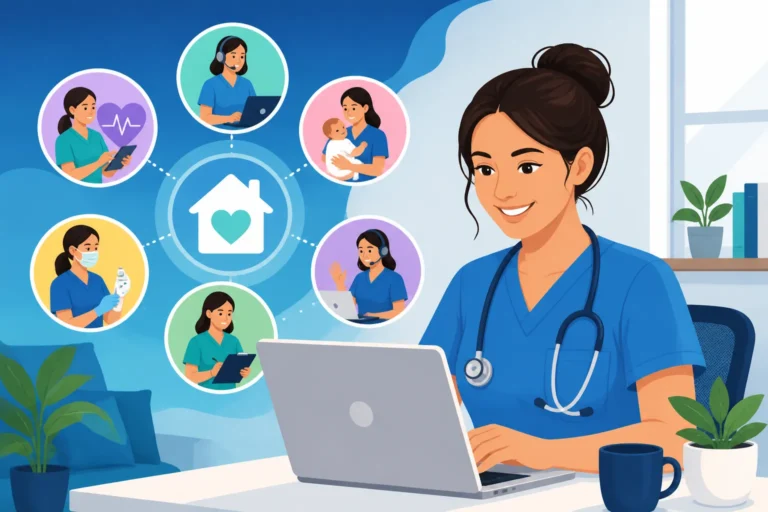
Many psychiatric nurses find fulfilling careers in private practices, schools, and even in telehealth settings, providing remote consultations and support, which has become increasingly vital. The military also employs psychiatric nurses to support service members and veterans. This diversity means that as a psychiatric nurse, you have a remarkable degree of flexibility in shaping your career path to suit your interests and lifestyle, from the high-intensity of crisis intervention to the long-term relationship building in a community setting.
Navigating the Path to Becoming a Psychiatric Nurse
Becoming a psychiatric nurse involves a clear progression of education, licensure, and specialized training. It's a journey that builds on your foundational nursing knowledge and then hones it to address the unique complexities of mental health care. Don't feel overwhelmed; many nurses have successfully transitioned into this rewarding field.
Foundational Education and Licensure
To begin your journey as a registered nurse (RN) in any capacity, including psychiatric nursing, you'll need to complete an accredited nursing program and pass the NCLEX-RN exam. This typically means earning either an Associate Degree in Nursing (ADN) or a Bachelor of Science in Nursing (BSN). While both allow you to become an RN, many employers, especially those seeking Magnet Status, increasingly prefer or require a BSN due to the broader educational foundation it provides, including leadership, research, and community health principles. If you're currently an ADN-prepared nurse, pursuing an Online RN to BSN Programs: Complete Guide can be a fantastic way to advance your education and open more doors in psychiatric nursing.
After graduating, you must successfully pass the National Council Licensure Examination for Registered Nurses (NCLEX-RN) to obtain your state nursing license. Preparing for the NCLEX is crucial, and resources like Uworld's comprehensive NCLEX review often come highly recommended by nursing students for their challenging questions and detailed rationales, helping to build the critical thinking skills necessary for psychiatric care. Once licensed, you can begin working as an RN, ideally seeking positions that will expose you to mental health patients or units.
Gaining Experience and Specialized Training
While some new graduate RNs might be able to secure positions directly on psychiatric units, it's often beneficial to gain a year or two of general medical-surgical nursing experience first. This broadens your clinical skills and confidence, which are invaluable even in mental health settings, as psychiatric patients frequently have co-occurring physical health issues. However, if your passion is firmly in mental health, many facilities offer residency programs specifically for new grads interested in psychiatric nursing. These programs provide structured learning, mentorship, and a gradual integration into the specialty.
Once you're working in a psychiatric setting, on-the-job training and continuing education become paramount. You'll learn the nuances of therapeutic communication, crisis de-escalation techniques, and specific interventions for various mental health conditions. Many employers offer in-house training or support certifications like Basic Life Support (BLS) and Advanced Cardiac Life Support (ACLS), which are still relevant even in psychiatric settings for medical emergencies. Consider looking into courses on motivational interviewing, trauma-informed care, and specific psychotherapeutic modalities to deepen your expertise.
Certifications That Make a Difference
Once you have some experience under your belt, typically two years as a full-time RN in a psychiatric-mental health setting, you can pursue specialized certifications. These credentials demonstrate your advanced knowledge and commitment to the field, often leading to increased opportunities and even higher salaries. The primary certification for registered nurses in this area is the Psychiatric-Mental Health Nurse (PMH-BC) certification offered by the American Nurses Credsntialing Center (ANCC). This board certification covers a wide range of topics, including assessment, diagnosis, psychopharmacology, and therapeutic interventions.
Preparing for the PMH-BC exam is a rigorous process, and once again, study aids like Uworld can be incredibly valuable for test preparation, offering practice questions that mirror the exam format. Beyond the initial RN certification, many nurses go on to pursue advanced practice roles like the Psychiatric Mental Health Nurse Practitioner (PMHNP). This requires a Master of Science in Nursing (MSN) or Doctor of Nursing Practice (DNP) degree. If you're thinking about pursuing an advanced degree, exploring options like Online MSN Programs: Complete Guide can give you a head start. Certifications like the PMH-BC not only validate your expertise but also often contribute to a higher earning potential and greater career mobility. For more details on the importance of these certifications, you might want to read about Nursing Certifications by Specialty.
Psychiatric Nurse Salary and Career Outlook
Let's be real, while passion drives many nurses, compensation is a vital part of job satisfaction and financial security. The good news is that psychiatric nursing offers competitive salaries and a strong career outlook, reflecting the growing demand for mental health services.
Understanding Salary Ranges and Influencing Factors
The salary for a psychiatric nurse can vary significantly based on several factors, including education level, years of experience, geographic location, and the specific healthcare setting. According to the U.S. Bureau of Labor Statistics (BLS), the median annual salary for registered nurses was around $86,070 as of May 2023. While specific data for psychiatric nurses isn't broken out separately by the BLS, specialized roles often command higher wages. Experienced psychiatric nurses, especially those with board certification (PMH-BC), generally earn more than general RNs.
For instance, an entry-level psychiatric RN in a non-profit community clinic in a smaller city like Boise, Idaho, might start around $60,000-$70,000 annually. However, an experienced PMH-BC nurse working in a busy psychiatric hospital in a high-cost-of-living area like San Francisco, California, could easily command salaries upwards of $100,000 per year. Nurses with advanced degrees, such as Psychiatric Mental Health Nurse Practitioners (PMHNPs), earn substantially more, with median salaries often exceeding $120,000 to $130,000 annually. Understanding How Much Do Nurses Make is crucial when planning your career trajectory.
Here's a simplified look at how salaries can change:
| Role Type | Education Level | Typical Experience | Estimated Annual Salary Range (National Average) |
|---|---|---|---|
| Entry-Level Psychiatric RN | ADN/BSN | 0-2 years | $60,000 – $75,000 |
| Experienced Psychiatric RN | BSN (PMH-BC) | 3-5+ years | $75,000 – $95,000 |
| Advanced Practice Psychiatric RN (PMHNP) | MSN/DNP | 5+ years | $110,000 – $140,000+ |
Note: These are estimated ranges and can fluctuate based on location, employer, and additional certifications.
Job Growth and Future Demand
The demand for psychiatric nurses is incredibly robust and is projected to continue growing. The U.S. population is aging, and with that comes an increased prevalence of mental health conditions like dementia and depression. There's also a growing awareness and reduction in stigma surrounding mental illness, leading more people to seek treatment. The COVID-19 pandemic further highlighted the critical need for mental health professionals across all age groups.
The BLS projects that employment for registered nurses overall will grow by 6% from 2022 to 2032, which is about as fast as the average for all occupations. However, within nursing, specialties like psychiatric mental health nursing are expected to see even stronger demand. This means excellent job security and ample opportunities for those entering or advancing in this field. You'll find job openings in diverse settings, from private clinics to large hospital systems, ensuring that you can find a role that fits your specific interests and work-life balance goals. For a broader overview of nursing salaries, check out our guide on Nursing Salary by Degree Level.
Advancing Your Career in Psychiatric Nursing
For many psychiatric nurses, earning a BSN is just the first step. Advancing your education to an MSN or DNP can open doors to becoming a Psychiatric Mental Health Nurse Practitioner (PMHNP). PMHNPs have expanded scope of practice, which includes diagnosing mental health conditions, prescribing medication, and providing psychotherapy. This role offers greater autonomy, leadership opportunities, and, as noted, significantly higher earning potential. The path to becoming a PMHNP is a natural progression for many psychiatric nurses looking to take on more clinical responsibility.
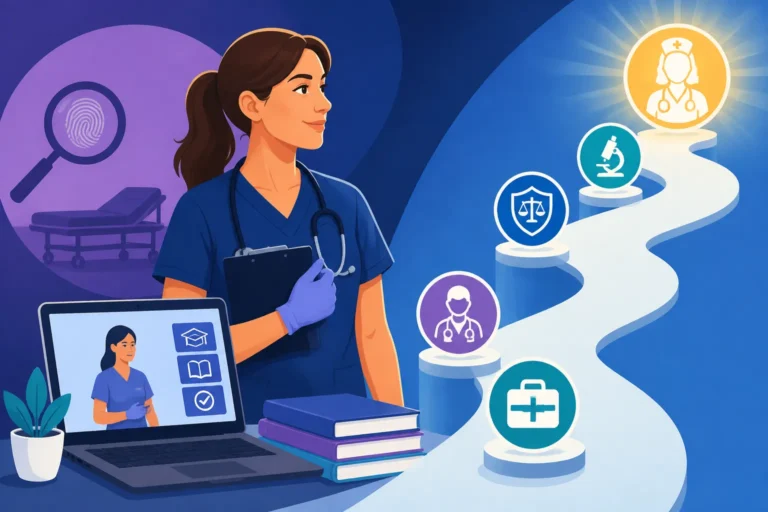
Beyond the PMHNP role, psychiatric nurses can also move into leadership positions such as nurse managers, clinical educators, or directors of nursing in mental health facilities. Some even pursue careers in nursing informatics, applying technology to improve mental health care delivery, or become legal nurse consultants specializing in mental health cases. There are also opportunities in research, shaping the future of mental health treatment. Whether it's through advanced degrees, specialized certifications, or taking on leadership roles, the career path for a psychiatric nurse is rich with possibilities for growth and impact. You might even consider an MSN Nurse Educator Track if you're passionate about teaching the next generation of mental health professionals.
Is Psychiatric Nursing the Right Fit for You?
Deciding on a nursing specialty is a big deal. It's about more than just a paycheck; it's about finding a role where you can thrive and feel fulfilled. Psychiatric nursing isn't for everyone, but for those it suits, it's an incredibly rewarding career.
Essential Skills and Personal Attributes
If you're considering psychiatric nursing, it's important to reflect on whether your personality and existing skills align with the demands of the role. Empathy is paramount – the ability to genuinely understand and share the feelings of another, even when those feelings are expressed through challenging behaviors. You need to be an exceptional listener, patient, and non-judgmental. Mental health issues often carry a heavy stigma, and creating a safe, accepting environment is critical for patient trust.
Strong communication skills are non-negotiable, both verbal and non-verbal. You'll need to convey complex information clearly, de-escalate tense situations, and build rapport with individuals who may be experiencing paranoia, hallucinations, or severe depression. Critical thinking and problem-solving skills are also vital, as you'll be assessing subtle changes in mental status, evaluating the effectiveness of treatments, and often making quick decisions in crisis situations. Resilience and self-care are also key, as this field can be emotionally taxing, and it’s important to maintain your own well-being to effectively care for others.
The Rewards and Challenges of the Role
Like any demanding profession, psychiatric nursing comes with its unique set of rewards and challenges. On the reward side, few nursing specialties offer the profound personal connection you develop with patients as they navigate their mental health journeys. Witnessing a patient gain insight, find stability, or achieve recovery is incredibly fulfilling. You're not just treating a disease; you're often helping individuals reclaim their lives, strengthen their relationships, and reintegrate into their communities. The intellectual challenge of understanding complex psychological conditions and applying therapeutic interventions can also be deeply satisfying.
However, the challenges are real. You will encounter difficult situations, including patients in acute crisis, dealing with aggression, or experiencing profound sadness and despair. The work can be emotionally draining, and compassion fatigue is a real risk. There's also the ongoing stigma surrounding mental illness, which can sometimes impact resources or public perception. Balancing patient autonomy with safety concerns, especially in inpatient settings, requires careful ethical consideration. Despite these challenges, many psychiatric nurses find the rewards far outweigh the difficulties, citing the ability to make a tangible difference in people's lives as their primary motivation. If this sounds like a path that resonates with you, exploring Nursing Specializations Explained could give you an even broader perspective on your options.
Disclaimer
Please note that the information provided in this guide is intended for general informational purposes only and does not constitute professional medical, legal, or educational advice. Specific program requirements, costs, and salary figures can vary widely based on institution, location, experience, and other factors. Always consult with official academic advisors, program admissions departments, and relevant professional licensing bodies for the most accurate and up-to-date information regarding your personal educational and career path.