How to Become a Forensic Nurse
The path to a nursing career is often driven by a deep desire to help others, but sometimes, the traditional hospital setting doesn't quite capture the specific impact you want to make. Many incredible nurses feel a pull towards justice, advocacy, and shedding light on often overlooked or misunderstood aspects of patient care, leading them to wonder how they can blend their medical expertise with a passion for investigation and support. If you've ever felt that call, this comprehensive guide is for you, breaking down everything you need to know about becoming a forensic nurse.
Understanding the Unique Role of a Forensic Nurse
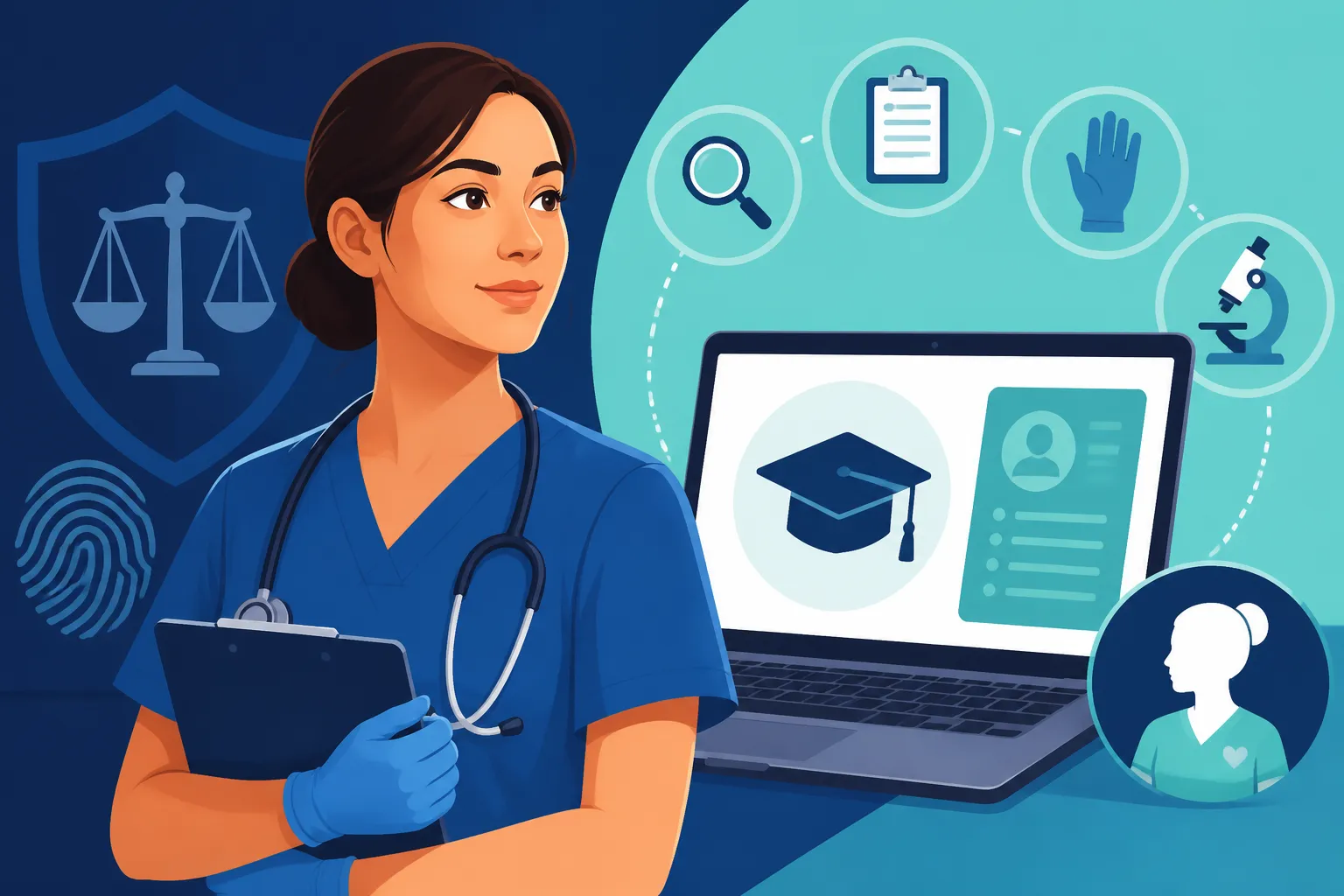
When people think of nursing, they often picture hospital beds, IVs, and medication administration. But forensic nursing? That’s a whole different ballgame. It’s a specialized field that sits right at the intersection of healthcare and the legal system, dealing with individuals who have experienced trauma, violence, or other criminal acts. These nurses aren't just treating wounds; they're collecting evidence, providing expert testimony, and offering compassionate support to victims and perpetrators alike. It’s a challenging, emotionally demanding, but incredibly vital and rewarding career.
Bridging Healthcare and the Justice System
Imagine a patient comes into the emergency room with injuries that suggest abuse, or a victim of sexual assault arrives seeking care. A traditional nurse might focus solely on the immediate medical needs, but a forensic nurse sees the bigger picture. They understand that every scratch, bruise, or verbal account can be crucial evidence in a legal investigation. Their training equips them to meticulously document injuries, collect forensic samples (like DNA or trace evidence), and preserve the chain of custody, ensuring that this evidence holds up in court. This isn't just about bandaging; it's about justice, accountability, and making sure that what happened doesn't get swept under the rug. They are often the first point of contact for victims, providing not only medical care but also emotional first aid and connecting them with resources.
The Diverse Settings of Forensic Nursing Practice
Forensic nurses don't just work in one place; their skills are needed in a variety of environments. You might find them in emergency departments, performing detailed examinations for sexual assault cases (often called Sexual Assault Nurse Examiners or SANEs). Others work in coroner or medical examiner offices, assisting with death investigations and identifying suspicious circumstances. Some are employed by law enforcement agencies, providing medical evaluations for suspects or victims, or even testifying as expert witnesses in court. Beyond these, there are roles in correctional facilities, psychiatric hospitals, and even community outreach programs, working to prevent violence and educate the public. The diversity of settings means that a career in forensic nursing can be incredibly dynamic and offers many avenues for specialization, making it a truly expansive field within nursing. It's truly one of the most impactful Nursing Specializations Explained that exists.
Essential Educational Pathways to Becoming a Forensic Nurse
Embarking on a career as a forensic nurse requires a solid foundation in general nursing, followed by specialized education. It’s not an entry-level position right out of nursing school; you’ll need to gain experience as a registered nurse first. This typically means earning either an Associate Degree in Nursing (ADN) or a Bachelor of Science in Nursing (BSN), passing the NCLEX-RN, and then looking into specialized training and certification. More and more, a BSN is becoming the preferred, if not required, entry point for this highly specialized field, due to the critical thinking and broader public health perspectives it provides.
Starting with a Registered Nurse Foundation
Before you can even think about forensics, you need to be a fully licensed Registered Nurse (RN). This means completing an accredited nursing program and successfully passing the National Council Licensure Examination for Registered Nurses (NCLEX-RN). While an ADN will get you through the door to practice as an RN, many aspiring forensic nurses opt for a BSN right away, or pursue an Online RN to BSN Programs: Complete Guide after getting their ADN. A Bachelor of Science in Nursing typically includes a more comprehensive curriculum, delving deeper into subjects like research, community health, and leadership, all of which are incredibly valuable in forensic nursing. These advanced courses help develop the critical thinking, communication, and ethical reasoning skills that are paramount when dealing with sensitive cases and potential legal ramifications.
Advanced Degrees and Specialized Training
Once you're a seasoned RN, the real journey into forensic nursing begins. Many forensic nurses pursue a Master of Science in Nursing (MSN) with a specialization in forensic nursing. These programs offer in-depth coursework on topics like forensic science, legal aspects of healthcare, victimology, injury identification, evidence collection, and professional testimony. Some even go on to pursue a Doctor of Nursing Practice (DNP) or a PhD in nursing with a forensic focus, particularly if they are interested in research, policy development, or becoming educators in the field. Beyond formal degrees, specialized training programs are crucial. The most common and widely recognized is the Sexual Assault Nurse Examiner (SANE) training, which is intensive and focuses on providing comprehensive care to sexual assault victims, including forensic examination and evidence collection. Other training might include child abuse and neglect, elder abuse, or death investigation. These specialized skills are what set a forensic nurse apart from a general RN. If you're wondering How Long Does an MSN Take or how to navigate Online MSN Programs: Complete Guide with a forensic specialization, rest assured there are many flexible options available today.
Gaining Experience and Certification in Forensic Nursing
The path to becoming a proficient forensic nurse isn't just about classroom learning; it's about hands-on experience and demonstrating your expertise through certification. Like many specialized nursing fields, you’ll need to put in time at the bedside, hone your assessment skills, and then seek out opportunities to apply a forensic lens to patient care. This blend of practical application and formal recognition is what truly prepares you for the complexities of the role.
Clinical Experience Requirements
Most forensic nursing positions, especially those dealing with direct patient care like SANE roles, require a significant amount of prior nursing experience. Typically, this means at least two to five years as a registered nurse, often in critical care, emergency department, or obstetrics/gynecology settings. Why these areas? Because they expose you to a wide range of traumas, acute injuries, and sensitive patient situations that mirror the scenarios a forensic nurse will encounter. Working in an emergency room, for example, helps you develop rapid assessment skills, manage stress in high-pressure situations, and interact with law enforcement – all invaluable for forensic work. This foundational experience builds confidence in your clinical judgment and ability to provide compassionate care under difficult circumstances. It also allows you to refine your documentation skills, which are absolutely vital in a field where every detail could be legally significant.
Navigating Forensic Nursing Certifications
Certification is key to formalizing your expertise in forensic nursing. The most prominent credential is the SANE certification, offered by organizations like the International Association of Forensic Nurses (IAFN) through the Forensic Nursing Certification Board (FNCB). To become a certified SANE, you typically need to complete specialized SANE training (often a 40-hour didactic course followed by a clinical preceptorship), have a certain number of hours of forensic nursing practice, and then pass a comprehensive examination. There are separate certifications for adult/adolescent SANE (SANE-A) and pediatric SANE (SANE-P), reflecting the unique needs of different age groups. These certifications demonstrate a nurse's specialized knowledge and skill in providing forensic evaluations and care for victims of sexual assault. Other certifications, while not strictly forensic, such as those in trauma nursing or emergency nursing, can also bolster a forensic nurse's resume and expertise. Preparing for these rigorous exams often involves dedicated study, and resources like Uworld can be incredibly helpful for nurses looking to master the complex content and testing strategies required. Understanding Nursing Certifications by Specialty can also give you a broader perspective on how these credentials impact your career trajectory.
| Certification/Credential | Administering Body | Key Focus Areas | Prerequisites (General) |
|---|---|---|---|
| SANE-A (Adult/Adolescent) | FNCB (IAFN) | Sexual assault exam, evidence collection, court testimony, trauma-informed care for adults/adolescents. | Active RN license, completion of a SANE education program (e.g., 40-hour didactic), minimum clinical hours in forensic nursing, experience in a relevant clinical setting. |
| SANE-P (Pediatric) | FNCB (IAFN) | Sexual assault exam, evidence collection, court testimony, trauma-informed care for children, child abuse recognition. | Active RN license, completion of a SANE education program (e.g., 40-hour didactic), minimum clinical hours in forensic nursing, experience in a relevant clinical setting, pediatric-specific training. |
| Forensic Nurse Certified (FNC) | American Nurses Credentialing Center (ANCC) – Note: ANCC previously offered this; current offerings should be verified. | Broader forensic nursing principles, victimology, legal aspects, evidence management, violence prevention. | Active RN license, specific baccalaureate or master's degree in nursing, minimum practice hours in forensic nursing, completion of continuing education. |
Disclaimer: Certification requirements can change. Always check the latest guidelines from the specific certifying body.
The Day-to-Day Realities of a Forensic Nurse
Life as a forensic nurse is anything but routine. It’s a dynamic, often unpredictable role that demands a unique blend of medical skill, meticulous attention to detail, and profound empathy. You’re not just a healthcare provider; you’re an investigator, an advocate, and a source of stability for individuals experiencing some of the worst moments of their lives. This dual role means you're constantly balancing the clinical with the judicial.
Conducting Forensic Examinations and Evidence Collection
One of the primary responsibilities of many forensic nurses, particularly SANEs, is conducting specialized forensic examinations. This isn't your typical physical assessment. It involves a head-to-toe examination, meticulously documenting every injury, bruise, scratch, or sign of trauma, no matter how small. For a sexual assault examination, this includes collecting DNA samples, photographing injuries, and using specialized equipment like colposcopes. The process must be thorough, precise, and follow strict protocols to ensure the integrity of the evidence. Every step, from the moment a sample is collected to its packaging and transfer, must be carefully documented to maintain the chain of custody. This critical process ensures that the evidence can be used in court, holding perpetrators accountable. Imagine meticulously documenting a seemingly minor injury, knowing it could be the piece of evidence that helps bring justice to a victim – that’s the reality of the work. You might find yourself working closely with law enforcement, preparing evidence kits, and even using tools like Uworld's detailed case studies to refresh your memory on complex scenarios and best practices for documentation and evidence handling.
Providing Trauma-Informed Care and Support
Beyond the technical aspects of evidence collection, the core of forensic nursing is trauma-informed care. Patients who interact with forensic nurses have often experienced severe physical or psychological trauma. This means approaching every interaction with immense sensitivity, respect, and an understanding of how trauma impacts a person's ability to communicate, process information, and trust. A forensic nurse doesn't just treat the injury; they treat the whole person, providing emotional support, offering resources for counseling and legal aid, and empowering victims in a situation where they may feel powerless. This might involve carefully explaining every step of an examination, ensuring the patient feels safe and in control, and advocating for their needs within the healthcare and legal systems. It’s about building trust, even in the most difficult circumstances, and recognizing that healing is a long and complex process that extends far beyond the initial medical intervention. This human connection, even amid the clinical and legal demands, is often what makes the role so profoundly impactful and distinguishes it from many other nursing roles.
Courtroom Testimony and Legal Involvement
A significant, though often intermittent, aspect of a forensic nurse's role is their involvement in the legal system. Having meticulously collected evidence and documented findings, a forensic nurse may be called upon to provide expert testimony in court. This means explaining complex medical and forensic concepts in a clear, unbiased manner to a jury, lawyers, and judges. It requires strong communication skills, an in-depth understanding of their documentation, and the ability to remain calm and objective under cross-examination. Testifying can be intimidating, as you are essentially presenting the facts of a case that you personally helped investigate. However, it's also a powerful way to ensure that the evidence collected contributes directly to the pursuit of justice. Preparing for testimony involves reviewing case files, potentially consulting with legal teams, and ensuring every detail is accurate. It's a testament to the forensic nurse's crucial role in transforming medical facts into legal truth.
Career Outlook and Growth Opportunities for Forensic Nurses
The field of forensic nursing is dynamic and growing, driven by an increasing recognition of the vital role these specialized nurses play in the intersection of healthcare and justice. As awareness of violence, abuse, and trauma continues to rise, so does the demand for healthcare professionals equipped to address these complex issues with both medical expertise and legal acumen.
Demand for Forensic Nursing Specialists
The demand for forensic nurses is steadily increasing across the United States. Hospitals, particularly emergency departments, are recognizing the importance of having SANE-trained nurses on staff to provide specialized care for victims of violence. Law enforcement agencies, medical examiner offices, and correctional facilities are also expanding their forensic nursing teams. The Bureau of Labor Statistics projects continued growth for registered nurses overall, and within that broad category, specialties like forensic nursing are seeing a particular uptick due to the specific skills they bring. As understanding of trauma-informed care becomes more prevalent, and as legal standards for evidence collection in healthcare settings evolve, the need for these highly trained specialists will only continue to rise. This means excellent job prospects for those with the right education, experience, and certifications. If you're pondering Is an MSN Worth It for career advancement, specializing in forensic nursing clearly demonstrates a strong return on investment in terms of impact and demand.
Advanced Roles and Specializations
Beyond direct patient care and evidence collection, forensic nursing offers numerous avenues for advanced practice and specialization. With an MSN or DNP, forensic nurses can pursue roles as advanced practice registered nurses (APRNs), such as forensic nurse practitioners, who can diagnose and treat medical conditions in forensic populations, or even serve as expert consultants. There are opportunities to specialize in areas like child abuse and neglect, elder abuse, death investigation, human trafficking, or even forensic psychiatric nursing, working with individuals with mental health issues who are involved in the legal system. Some forensic nurses transition into academia, teaching the next generation of forensic specialists, while others work in policy development, advocating for victims' rights and improving forensic healthcare practices. The career ladder is quite extensive, allowing for continuous professional development and a wide range of impactful contributions to both healthcare and justice. Understanding Nursing Specializations Explained can further highlight the vast potential within this unique field.
The Challenges and Rewards of Forensic Nursing
Becoming a forensic nurse isn't just a job; it's a calling. It comes with its own unique set of challenges that can test your resilience and emotional fortitude, but it also offers profound rewards that few other nursing specialties can match. It’s a career that demands immense compassion, a strong ethical compass, and an unwavering commitment to justice and healing.
Navigating Emotional and Psychological Strain
Without a doubt, one of the most significant challenges in forensic nursing is the emotional and psychological toll of working with victims of violence and trauma. You will witness human suffering firsthand, hear harrowing stories, and confront the darkest aspects of humanity. This exposure can lead to secondary trauma, compassion fatigue, and burnout if not properly managed. It’s crucial for forensic nurses to develop robust coping mechanisms, seek peer support, and engage in self-care practices. Many facilities provide debriefing sessions, counseling services, and support groups specifically for forensic teams. It’s not uncommon to feel the weight of these experiences, and acknowledging that vulnerability is a sign of strength, not weakness. Maintaining professional boundaries while offering deep empathy is a constant balancing act. Organizations like the IAFN also provide resources and a community for nurses to share experiences and find support.
The Deeply Satisfying Rewards of Making a Difference
Despite the challenges, the rewards of forensic nursing are immense and deeply satisfying. Imagine being the one person who can provide compassionate, non-judgmental care to a victim of sexual assault, empowering them to take the first steps toward healing and justice. Imagine meticulously collecting evidence that ultimately leads to the conviction of a perpetrator, preventing future harm. Forensic nurses are often the voice for the voiceless, providing validation, support, and a pathway to accountability for individuals who might otherwise feel silenced and alone. Knowing that your unique skills bridge the gap between medicine and justice, helping to protect vulnerable populations and contribute to a safer society, is incredibly fulfilling. The ability to make such a tangible difference in someone's life, to be a beacon of hope and healing in their darkest hour, is what truly sets this specialty apart and makes all the challenges worthwhile. It’s a powerful career choice for nurses who are not only skilled clinicians but also fierce advocates for justice.
Disclaimer
The information provided in this article is intended for general informational purposes only and does not constitute professional medical, legal, or educational advice. While we strive for accuracy, educational pathways, certification requirements, and job market conditions can change. Always consult with academic advisors, certification bodies, and official program guidelines for the most current and specific information regarding forensic nursing education and career paths.