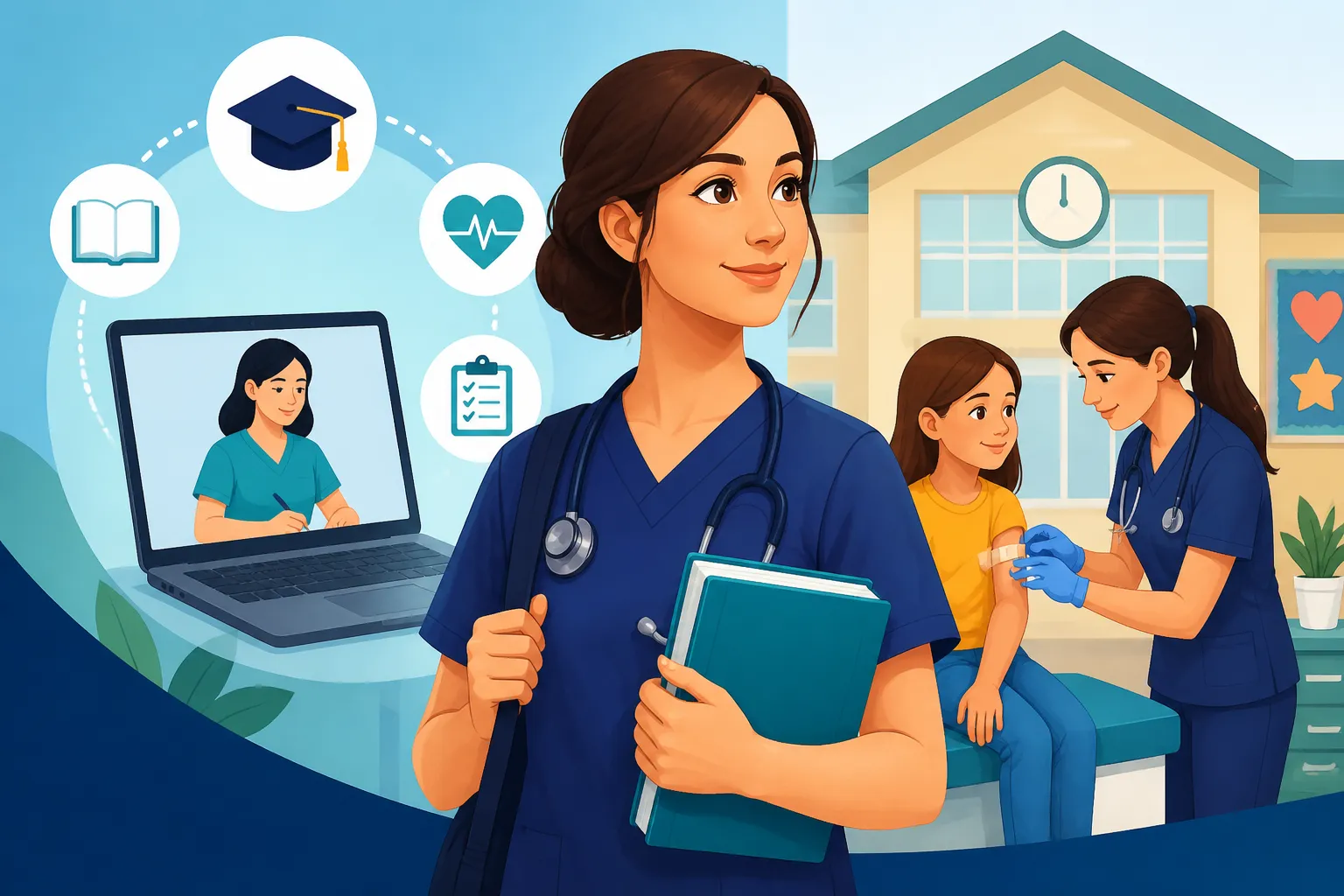
How to Become a School Nurse
The school environment presents a truly unique and often underestimated challenge for healthcare professionals. As a school nurse, you're not just a medical provider; you're a health educator, a mental health advocate, a public health liaison, and sometimes, the first line of defense in a crisis, all while navigating complex educational systems and diverse family needs. This comprehensive guide is here to demystify the path to becoming a school nurse, detailing the educational steps, certifications, essential skills, and the incredible impact you can make.
The Unique World of School Nursing: More Than Just Band-Aids
Being a school nurse is far from simply dispensing ibuprofen or bandaging scraped knees, though those are certainly part of the job! It’s a dynamic, multifaceted role that places you right at the heart of a community, deeply invested in the health and academic success of children and adolescents. You're working with a vulnerable population, often catching health issues before they escalate, and providing crucial support that can literally change a student's life trajectory.
Daily Life and Diverse Responsibilities
A school nurse's day is rarely predictable, and that's often what makes it so engaging. One moment you might be managing a student's diabetes, ensuring their insulin is administered correctly and their blood sugar is stable, and the next you're responding to an asthma attack during gym class. You're often the go-to person for parents needing guidance on health concerns, and for teachers seeking advice on managing a student with a chronic condition in the classroom. This could involve everything from seizure protocols to severe allergy action plans. You might be conducting vision and hearing screenings, tracking immunization compliance for the entire student body, or even developing individualized healthcare plans (IHPs) for students with complex medical needs.
Beyond immediate care, school nurses are integral to promoting overall wellness. They teach students about hygiene, nutrition, and even topics like mental health awareness and substance abuse prevention. Imagine coordinating a flu shot clinic for the whole school or providing education to staff on recognizing signs of concussions. It’s a job that requires an incredible breadth of knowledge, quick thinking, and a genuinely caring heart. The scope of practice can vary widely depending on the school district's size, resources, and the specific needs of its student population.
Advocating for Student Health in a K-12 Setting
One of the most profound aspects of being a school nurse is your role as a health advocate. You are often the bridge between home, school, and healthcare providers, ensuring that students with chronic conditions or disabilities receive the accommodations they need to thrive academically. For instance, a child with severe allergies might require a specific plan for lunch periods and field trips, and you're the one making sure everyone is on the same page. You might also be working with families who lack access to consistent healthcare, connecting them with community resources or assisting with referrals.
School nurses play a vital role in identifying and addressing health disparities within the student population. They're often the first to notice signs of neglect, abuse, or mental health struggles, acting as crucial reporters and referral sources to protective services or counseling. This advocacy extends to promoting a healthy school environment, advising on everything from playground safety to infection control policies, especially in light of recent global health challenges. It’s about creating a safe and supportive space where every child can learn and grow without their health being a barrier.
Your Educational Journey: Pathways to Becoming a School Nurse
Just like other nursing specializations, becoming a school nurse starts with a solid foundation in general nursing. The educational path you take can influence your career trajectory, earning potential, and eligibility for certain roles and certifications.
Foundational Degrees: ADN vs. BSN for School Nursing
To become a registered nurse (RN), you typically need either an Associate Degree in Nursing (ADN) or a Bachelor of Science in Nursing (BSN). Both degrees prepare you to pass the NCLEX-RN exam and obtain your state licensure. An ADN program is generally shorter, often taking two years, and focuses heavily on direct patient care and clinical skills. Many school districts will hire ADN-prepared nurses, especially for roles that are more focused on immediate first aid and health office management.
However, the trend in nursing, especially for specialized roles like school nursing, increasingly favors the BSN. A BSN program usually takes four years and includes a broader curriculum beyond basic clinical skills. It delves into areas like community health, public health, leadership, research, and critical thinking. This expanded knowledge base is particularly valuable in school nursing, where you're not just caring for individual students but also managing population health, implementing public health initiatives, and often taking on administrative responsibilities. You can learn more about the differences by exploring ADN vs BSN: Key Differences.
The Importance of a Bachelor of Science in Nursing
While some school districts may still hire ADN-prepared nurses, a BSN is quickly becoming the preferred, and sometimes required, credential for school nurses across the country. Many states and certification bodies now mandate a BSN for school nurse certification. This is largely due to the expanded responsibilities of modern school nursing, which often include developing health policies, managing complex chronic conditions, providing health education, and acting as a public health liaison within the school community. The broader education provided by a BSN better prepares nurses for these multifaceted roles.
If you currently hold an ADN, don't despair! There are many flexible options available to advance your education. Online RN to BSN programs have become incredibly popular, allowing working nurses to earn their bachelor's degree while maintaining their jobs and family commitments. These programs often leverage your existing nursing knowledge and streamline the path to your BSN. For a deep dive into what these programs entail, you might check out Online RN to BSN Programs: Complete Guide. Advancing your education to a BSN is not just about meeting requirements; it's about enhancing your clinical judgment, leadership abilities, and overall preparedness for the diverse challenges and opportunities in school health. This commitment to continuous learning is a hallmark of dedicated healthcare professionals.
Certification, Licensure, and State-Specific Requirements
Once you have your foundational nursing degree, there are specific steps to take to ensure you are legally qualified and professionally recognized as a school nurse. This involves both general nursing licensure and often specialized school nurse certifications.
General RN Licensure and Specialized School Nurse Certifications
The first and most crucial step after completing your ADN or BSN program is to pass the NCLEX-RN examination and obtain your Registered Nurse (RN) license in the state where you intend to practice. This license is your fundamental credential, allowing you to legally practice as a nurse. Without an active RN license, you cannot function as a school nurse.
Beyond the basic RN license, many states and school districts require specific school nurse certification. This certification often demonstrates a specialized knowledge base in pediatric health, public health, mental health, and the unique legal and ethical considerations of working within an educational setting. The most widely recognized national certification is the National Certified School Nurse (NCSN) credential, offered by the National Board for Certification of School Nurses (NBCSN). To be eligible for the NCSN exam, you typically need an active RN license, a bachelor's degree (preferably a BSN), and a certain number of hours of experience in school health. Some states have their own specific state-level school nurse credentials or endorsements which may align with or differ from the NCSN. It’s always best to check with your state's Board of Nursing and Department of Education. For example, some states may require a specific teaching certificate or public health endorsement in addition to your nursing license.
Navigating State Regulations and Continuing Education
Navigating the various state regulations is key to a smooth transition into school nursing. Each state's Board of Nursing will outline the exact requirements for RN licensure, including continuing education units (CEUs) needed for license renewal. Beyond the RN license, the requirements for school nurse certification or endorsement can vary significantly from state to state. Some states, like California, have very specific requirements for a "School Nurse Credential," which might include additional coursework in public health, education, or even a supervised practicum in a school setting. In contrast, other states might primarily rely on the national NCSN certification.
It’s imperative to research the specific requirements for school nurses in the state where you plan to work. The state's Department of Education website, along with the Board of Nursing, will be your best resources. Many professional organizations, such as the National Association of School Nurses (NASN), also provide state-specific guidance. Furthermore, ongoing continuing education is a non-negotiable part of a school nurse's career. This isn't just about renewing your license; it’s about staying current with best practices in pediatric care, mental health, chronic disease management, and public health guidelines. You might find resources like Uworld's comprehensive review materials helpful for both initial certification exams and ongoing learning, ensuring you're always up-to-date. Regular professional development ensures you can provide the highest quality of care to your students.
Developing Essential Skills Beyond the Clinic Floor
Becoming a great school nurse requires more than just clinical prowess. While your medical knowledge is foundational, the unique environment of a school demands a specific set of soft skills and an adaptability that might surprise those accustomed to traditional hospital settings.
Communication, Crisis Management, and Health Education Expertise
In a school, you are constantly communicating with a diverse range of individuals: children of all ages, anxious parents, busy teachers, administrators, and sometimes even emergency responders. Effective communication is paramount. You need to be able to explain complex medical information in simple terms to a third-grader, reassure a worried parent, and clearly articulate a student’s needs to a teacher, all while maintaining confidentiality. Active listening is just as important, allowing you to pick up on subtle cues from students who might be struggling but can't quite articulate it.
Crisis management is another critical skill. From playground accidents to widespread illness outbreaks, school nurses are often at the forefront of emergencies. This requires rapid assessment, decisive action, and the ability to remain calm under pressure. You might be coordinating with paramedics during a severe allergic reaction or implementing protocols during a school-wide infectious disease scare. Beyond immediate crises, school nurses are also vital health educators. They teach students about hygiene, healthy eating, puberty, and disease prevention, tailoring the message to different age groups. They also educate staff on managing chronic conditions, administering medications, and recognizing signs of various health issues. This blend of clinical, educational, and crisis response skills makes the school nurse role truly dynamic.
Empathy, Cultural Competence, and Legal Acumen
Working with children and their families requires an immense amount of empathy. You'll encounter students from various backgrounds, some facing significant challenges at home or struggling with chronic illnesses that impact their daily lives. Understanding their perspective, showing compassion, and building trust are crucial for effective care. A child might open up to a school nurse about issues they wouldn't share with anyone else, making you a vital confidant and advocate. This ties directly into cultural competence – the ability to provide care that is respectful of and sensitive to the cultural beliefs and practices of your students and their families. This means understanding diverse dietary needs, health beliefs, communication styles, and family structures, ensuring that care plans are culturally appropriate and effective.
Finally, school nurses operate within a complex legal and ethical framework. They must have a solid understanding of student privacy laws (like FERPA), disability rights (like IDEA and Section 504), mandatory reporting requirements for child abuse or neglect, and medication administration regulations. You are often the guardian of student health records, ensuring they are maintained accurately and confidentially. Navigating these legalities while providing compassionate care requires a sharp mind and a commitment to ethical practice. For those exploring different career paths within nursing, understanding the legal and ethical nuances of specific roles is paramount. This deep dive into Nursing Specializations Explained can offer further insights.
Finding Your Niche: Experience and Job Search Strategies
Breaking into school nursing, like any specialized field, benefits from strategic planning and targeted experience. It's not always about having direct school nurse experience right out of the gate, but rather demonstrating transferable skills and a genuine passion for pediatric and community health.
Gaining Relevant Clinical Experience
While you might envision your first nursing job in a hospital, gaining experience in pediatric settings is incredibly valuable for aspiring school nurses. Working in a pediatric clinic, a children's hospital (even on a general medical-surgical floor that sees children), or a community health center with a focus on family care can provide you with crucial hands-on experience. This exposure helps you become comfortable assessing and treating common childhood illnesses, managing chronic conditions like asthma and diabetes in young patients, and communicating effectively with both children and their parents. Even if your initial experience is in adult care, look for opportunities to transfer to a unit that sees adolescents or to volunteer in community health programs focused on children.
Experience in public health, even through clinical rotations during your BSN program, can also be a significant advantage. This demonstrates an understanding of population health, disease prevention, and community resource navigation – all key aspects of the school nurse role. If you're an RN considering the shift, even short-term contract work or per diem roles in pediatric urgent care or family practice can bolster your resume. Think about joining professional organizations like the National Association of School Nurses (NASN) even before you're officially a school nurse; they offer valuable networking opportunities and resources for those looking to enter the field.
Crafting a Resume and Interviewing for School Nursing Roles
When you're ready to apply for school nursing positions, your resume should highlight every piece of experience that aligns with the role's demands. Emphasize any pediatric clinical rotations, public health coursework, health education projects, or volunteer work with children. If you have experience managing chronic conditions, responding to emergencies, or working with diverse populations, be sure to quantify those achievements whenever possible. For example, instead of just saying "managed patient care," you could write "managed comprehensive care for up to 6 pediatric patients per shift, including medication administration, wound care, and parent education." If you've been focused on advancing your education, you might find valuable insights in RN to BSN Requirements Explained to clearly articulate your expanded skill set.
During interviews, be prepared to discuss hypothetical scenarios involving medical emergencies, parent communication, or managing a student's chronic condition. Showcase your ability to think critically, solve problems, and collaborate with school staff. Highlight your passion for working with children and adolescents, your understanding of the unique challenges of the school environment, and your commitment to promoting student well-being. Don’t forget to mention your empathy, strong communication skills, and any experience you have with health education. Demonstrating your awareness of specific state certification requirements or expressing your eagerness to pursue the NCSN certification will also show your dedication to the specialization. Consider utilizing resources like Uworld for test prep, as their detailed explanations can help you articulate complex medical scenarios confidently in an interview.
The Rewards and Future of School Nursing
School nursing is a calling, and for many, it offers a deeply satisfying career path that blends clinical practice with community impact and a much-desired work-life balance.
Career Satisfaction and Community Impact
One of the most significant rewards of being a school nurse is the profound sense of making a difference in the lives of children and their families. You are not just treating symptoms; you are nurturing healthy habits, advocating for vulnerable students, and preventing potential health crises. Watching a student thrive after you've helped them manage their asthma, or seeing a shy child gain confidence after addressing a vision problem, provides immense job satisfaction. The relationships you build with students, families, and school staff are often long-lasting and incredibly meaningful.
Unlike the often-unpredictable shifts in hospital settings, school nursing typically offers a more consistent schedule, aligning with school hours and holidays. This can be a huge benefit for nurses seeking a better work-life balance or those raising families of their own. While the pay might sometimes be lower than some acute care specialties, the benefits of a predictable schedule, meaningful work, and a supportive community environment often outweigh the financial differences for many. The sense of being an integral part of a child's educational journey and overall development is a powerful motivator. For a general overview of salary expectations in various roles, check out Nursing Degrees and Salaries Explained.
Professional Development and Advanced Opportunities
The field of school nursing is continually evolving, offering numerous avenues for professional development and advanced practice. Staying current with best practices in pediatric care, mental health, and public health is essential. This can involve attending conferences, participating in online webinars, or pursuing additional certifications. For example, a school nurse might specialize further in areas like mental health first aid, diabetes education, or emergency preparedness.
For those interested in leadership, opportunities exist to become a lead school nurse for a district, overseeing other nurses and developing district-wide health policies. Some school nurses pursue a Master of Science in Nursing (MSN) with a focus on public health or advanced practice nursing, potentially leading to roles as a Family Nurse Practitioner (FNP) or a Pediatric Nurse Practitioner (PNP) who might then consult for school districts or work in school-based health centers. The role of a Public Health Nurse: Role, Salary, and How to Start is a closely related field that offers similar opportunities for community impact. The demand for qualified school nurses remains steady, reflecting the growing recognition of their critical role in promoting student success and public health, making the Nursing Job Outlook and Demand strong for this specialization.
Comparative Overview of School Nurse Educational Paths
| Feature | Associate Degree in Nursing (ADN) | Bachelor of Science in Nursing (BSN) |
|---|---|---|
| Program Length | Typically 2 years | Typically 4 years (or 1-2 years for RN-to-BSN) |
| Focus | Direct patient care, clinical skills | Holistic patient care, critical thinking, leadership, research, public health |
| Eligibility for NCLEX | Yes | Yes |
| Initial Job Prospects | Entry-level RN positions, some school districts | Broader range of RN positions, preferred for school nursing roles |
| School Nurse Cert. | May require additional coursework/experience for eligibility; some states/certifications may not accept ADN alone | Generally meets educational requirement for NCSN and state certifications |
| Career Advancement | Often requires BSN for leadership roles or advanced practice | Stronger foundation for advanced degrees (MSN) and leadership |
| Salary Potential | Generally lower entry-level salary | Generally higher entry-level salary and greater earning potential |
| Curriculum Breadth | More focused on acute care | Includes community health, health policy, education, research |
Disclaimer
Please remember that while this guide offers comprehensive information, nursing regulations, educational requirements, and job market conditions can vary significantly by state and even by individual school district. Always consult your state's Board of Nursing, Department of Education, and relevant professional organizations for the most accurate and up-to-date information pertaining to becoming a school nurse in your specific location.