How to Become a Public Health Nurse
Ever felt like you’re making a difference, but you’re only touching one life at a time? Many nurses adore the direct patient care they provide, yet harbor a deeper desire to impact entire communities, to prevent illness before it starts, and to address health disparities on a grander scale. If you’re an RN who dreams of shifting from individual bedside care to improving the health of populations, understanding how to become a public health nurse is your next vital step. This comprehensive guide will walk you through the education, experience, and certifications you need to transition into this incredibly rewarding field.
Understanding the Heart of Public Health Nursing
Public health nursing isn't just a job; it's a calling to serve the greater good, to be the frontline advocate for community well-being. It’s about looking beyond the four walls of a hospital room and seeing the interconnected web of factors that influence a community's health.
What Exactly Is Public Health Nursing?
At its core, public health nursing is a specialized field of nursing that focuses on promoting and protecting the health of populations. Unlike clinical nurses who treat individuals experiencing illness or injury, public health nurses (PHNs) work with entire communities, families, and vulnerable groups to prevent disease, promote healthy lifestyles, and advocate for health policies. Think of it this way: a hospital nurse is a firefighter, responding to acute crises; a public health nurse is a building inspector, ensuring safety codes are met and educating residents on fire prevention long before an emergency ever arises.
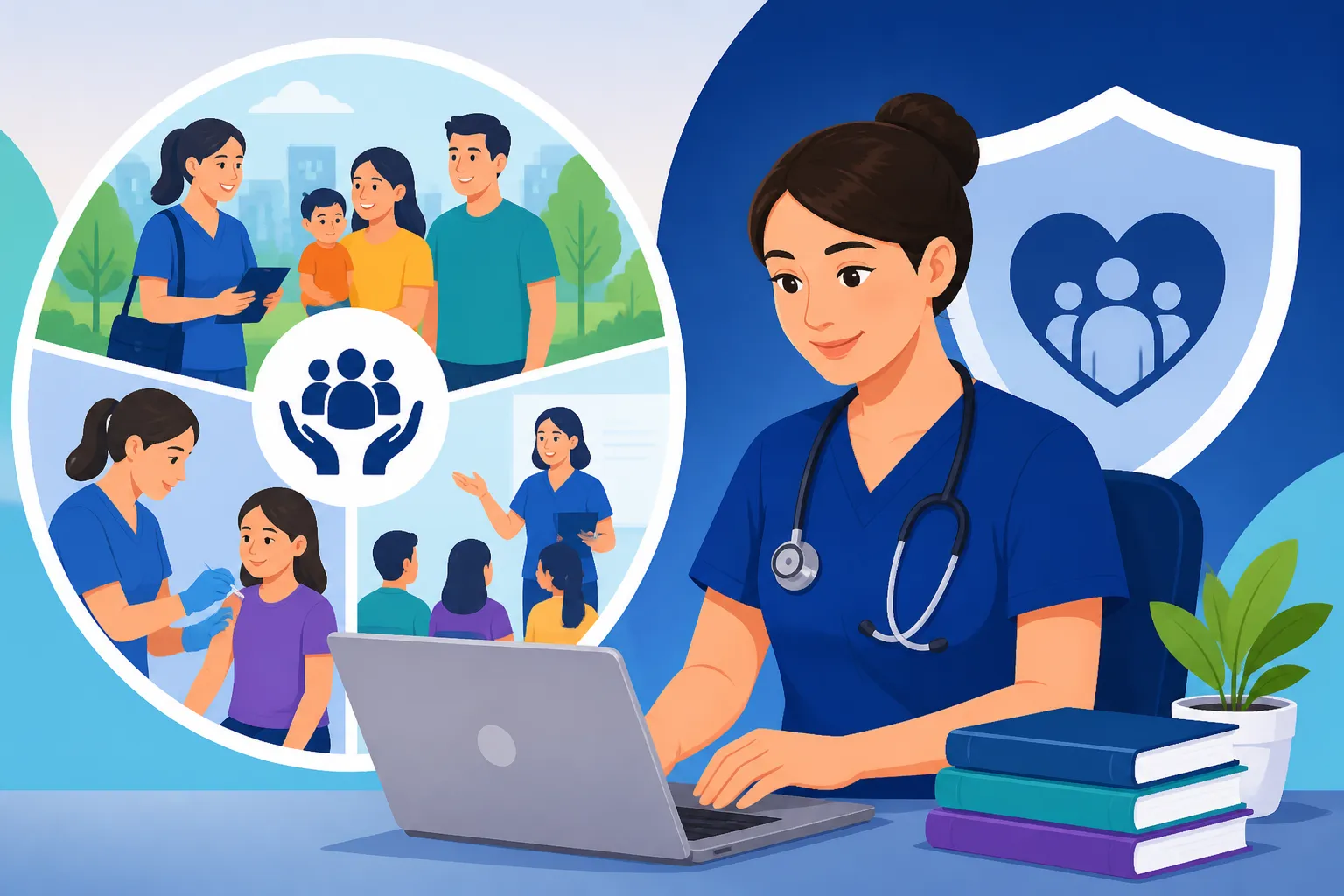
PHNs apply nursing science along with social and public health sciences to assess community needs, plan interventions, implement programs, and evaluate outcomes. This could mean anything from organizing vaccination clinics and tracking disease outbreaks to educating expectant mothers on infant care or advocating for better housing conditions to reduce asthma rates. The goal is always to improve overall public health, reduce health inequalities, and ensure access to care for everyone, especially the underserved.
Why Public Health Nursing Matters Now More Than Ever
In today's complex world, the importance of public health nursing has never been clearer. We've seen firsthand, through global pandemics and persistent health crises, how critical a robust public health infrastructure is. PHNs are the backbone of this system. They're often the first responders during community health emergencies, the trusted educators dispelling misinformation, and the tireless advocates working to close gaps in healthcare access.
Consider the ongoing challenges communities face: rising chronic disease rates, mental health crises, substance abuse epidemics, and environmental health concerns. Public health nurses are uniquely positioned to tackle these issues through prevention, education, and direct intervention. They identify vulnerable populations, understand social determinants of health – things like income, education, and neighborhood safety – and work collaboratively with other health professionals, policymakers, and community leaders to create sustainable solutions. Their work directly contributes to longer, healthier lives for countless individuals who might otherwise fall through the cracks. It's truly about shaping a healthier future for us all.
Educational Pathways to Becoming a Public Health Nurse
Becoming a public health nurse requires a solid foundation in nursing education, with an increasing emphasis on higher degrees to meet the complex demands of the field. The journey typically begins with earning a registered nurse (RN) license, but for those serious about public health, a Bachelor of Science in Nursing (BSN) is almost universally recommended, if not required.
Entry-Level Education: ADN, BSN, and Beyond
To begin your public health nursing career, you must first become a licensed Registered Nurse (RN). This typically involves earning either an Associate Degree in Nursing (ADN) or a Bachelor of Science in Nursing (BSN). While an ADN can get you started in direct patient care, most public health agencies, particularly at the state and federal levels, prefer or even require a BSN for entry-level public health nursing positions. This is because BSN programs provide a broader education, including courses in community health, public health policy, research, and leadership – all vital skills for a PHN.
If you currently hold an ADN, don't worry! There are numerous Online RN to BSN Programs: Complete Guide available that allow you to seamlessly bridge your education while often continuing to work. Many nurses find this a practical path to enhance their career prospects and open doors to public health. The coursework in a BSN program expands on clinical skills, integrating concepts like epidemiology, health promotion across the lifespan, and cultural competency, which are absolutely essential for understanding and addressing the diverse needs of a community. Thinking about the differences between degrees? Our guide on ADN vs BSN: Key Differences might offer more insights into why a BSN is often the preferred pathway.
Advanced Degrees and Specializations
For nurses aspiring to leadership roles, advanced practice, or specialized positions within public health, pursuing a Master of Science in Nursing (MSN) or a Doctor of Nursing Practice (DNP) with a public health or community health focus can be incredibly beneficial. An MSN can prepare you for roles like nurse educator, program manager, epidemiologist, or even a nurse practitioner specializing in family health or pediatrics, allowing you to provide direct primary care in underserved communities while still addressing broader public health issues. Programs like those that focus on RN to MSN Programs Explained offer pathways for BSN-prepared nurses to further their education.
These advanced degrees delve deeply into areas such as health policy, biostatistics, environmental health, and advanced community assessment. A DNP, for instance, focuses on clinical leadership and translating research into practice, making graduates highly qualified to lead public health initiatives, influence policy, and improve healthcare delivery systems at a systemic level. While not strictly necessary for every public health nursing role, an advanced degree significantly expands your career opportunities and earning potential, enabling you to make an even greater impact on population health.
Gaining Essential Experience and Licensure
Once you've secured your foundational nursing education, the next critical steps involve becoming a licensed Registered Nurse and then strategically building the experience and competencies specific to public health. This isn't just about accumulating hours; it's about developing a specific mindset and skill set.
Becoming a Registered Nurse (RN)
The very first and most fundamental step is to become a licensed Registered Nurse (RN). This means successfully completing an accredited nursing program (either ADN or BSN) and then passing the NCLEX-RN examination. The NCLEX is a rigorous test designed to ensure you possess the minimum competencies required to practice safely and effectively as an entry-level nurse. It covers all areas of nursing, from patient safety to pharmacological interventions, and successful completion is your gateway to licensure in your state.
After passing the NCLEX, you'll apply for licensure with your state board of nursing. While some public health nursing positions may hire new BSN graduates, many agencies prefer candidates with at least one to two years of general clinical nursing experience. This initial experience, often in medical-surgical, pediatrics, or maternal-child health, provides a strong foundation in patient assessment, critical thinking, and communication skills that are transferable to public health settings. Even though public health focuses on populations, understanding individual health challenges from a direct care perspective enriches your ability to identify and address community needs. Preparing for the NCLEX can be daunting, and resources like Uworld are often recommended by nursing students for their comprehensive question banks and detailed rationales, which can be invaluable in solidifying your knowledge for the exam.
Developing Public Health Competencies
Beyond general nursing skills, public health nursing requires a distinct set of competencies. These include strong analytical and assessment skills to identify community health problems, policy development and program planning expertise, and effective communication skills to engage diverse populations. You'll need to be proficient in cultural humility, understanding how different cultures perceive health and illness, and tailoring interventions accordingly. Practical experience is paramount here. Look for opportunities during your BSN program that include community health rotations or practicums. These might involve working in local health departments, school health programs, or non-profit organizations focused on health promotion.
If you’re already an RN, consider volunteering with local public health initiatives, participating in health fairs, or seeking out positions in community clinics, home health, or school nursing. These roles often provide exposure to population-focused care and the social determinants of health. Look for continuing education courses or certifications in areas like epidemiology, disaster preparedness, or health education. These experiences and specialized learning opportunities will not only enhance your resume but also provide invaluable real-world insights into the unique challenges and rewards of public health work. Continuously honing these skills is what truly prepares you to make an impact.
Navigating the Job Market and Career Growth
Once you have your BSN and RN license, with some foundational experience, you're ready to explore the diverse and impactful world of public health nursing. The job market for public health nurses is robust, driven by a consistent need for population-level health initiatives and responses to emerging health crises.
Where Public Health Nurses Work
The beauty of public health nursing lies in the sheer variety of settings where your skills can be utilized. Public health nurses are not confined to traditional hospital walls; their workplace is often the community itself. Many PHNs work for local and state health departments, where they might manage immunization programs, conduct disease surveillance, respond to outbreaks, or provide health education to schools and community groups. In a large city like Houston, for example, a public health nurse might be coordinating efforts to manage West Nile virus outbreaks, while in a rural county in Iowa, they could be running a mobile clinic providing prenatal care to underserved populations.
Beyond government agencies, PHNs are vital in school systems, acting as health advocates for students, managing chronic conditions, and providing health screenings. They also find roles in non-profit organizations focused on specific health issues, such as the American Heart Association or local food banks, developing programs to address nutrition or cardiovascular health. Community health centers rely on PHNs to conduct outreach, provide preventive care, and connect patients with resources. Even international organizations and global health initiatives recruit PHNs to work on health issues in developing countries. Your passion and the needs of the community often dictate where you'll make your greatest impact.
Advancing Your Public Health Nursing Career
The path for career advancement in public health nursing is broad and dynamic, offering numerous opportunities to deepen your impact and leadership. One common route is to pursue specialized certifications. While not always mandatory, certifications in areas like Public Health Nursing (PHNA-BC), Case Management (CCM), or Infection Control (CIC) demonstrate advanced knowledge and commitment to the field, making you a more competitive candidate for specialized roles and often leading to higher earning potential.
As you gain experience, you can move into leadership and supervisory roles, managing teams of nurses, overseeing public health programs, or directing entire departments within a health agency. Many PHNs also transition into policy development and advocacy, working with legislative bodies and community stakeholders to shape health laws and regulations that benefit populations. With an advanced degree, like an MSN or DNP, you could become an epidemiologist, a nurse educator specializing in community health, or even a Chief Nursing Officer within a public health system. Continuing education and active participation in professional organizations, like the American Public Health Association (APHA) or the Association of Public Health Nurses (APHN), are crucial for staying current and building your network. Our comprehensive guide on Nursing Specializations Explained provides a wider view of how nurses can specialize, and public health is certainly a key area of expertise.
The Daily Life and Impact of a Public Health Nurse
Forget the routine of a hospital shift; a public health nurse's day is rarely the same. It's a blend of clinical expertise, community engagement, education, and advocacy, all aimed at improving health outcomes on a larger scale.
A Day in the Life: Diverse Roles and Responsibilities
The "typical" day of a public health nurse is anything but typical, which is often what makes the role so appealing. One day, you might be out in the community, visiting homes to assess the needs of new mothers and their infants, providing education on breastfeeding, safe sleep practices, and connecting them with nutritional support programs. The next, you could be at a local senior center, setting up a blood pressure screening clinic and delivering a presentation on diabetes prevention.
For example, a PHN working for the City of Philadelphia Department of Public Health might spend their morning analyzing data on local vaccination rates, then shift to organizing a flu shot clinic at a community recreation center. In the afternoon, they could be collaborating with local schools on developing a new curriculum for sexual health education. Another PHN might be working with a mobile outreach team, providing health screenings and harm reduction services to individuals experiencing homelessness, or investigating a suspected foodborne illness outbreak. The work is incredibly varied, demanding critical thinking, flexibility, and strong communication skills as you interact with people from all walks of life. This direct engagement is often cited as one of the most fulfilling aspects of the job.
Measuring the Impact: Real-World Contributions
The true measure of a public health nurse's success isn't just treating an illness, but preventing it, and improving the health trajectory of an entire group of people. Their contributions often manifest in observable, positive community health outcomes. For instance, a PHN's dedicated work in a particular school district might lead to a significant decrease in childhood obesity rates, or their efforts in promoting health literacy could result in higher rates of early cancer screenings within an underserved demographic.
Beyond statistics, PHNs influence policy. By collecting data, identifying community needs, and advocating for specific interventions, they can directly contribute to legislative changes, like improved access to healthy food options in low-income neighborhoods or stronger environmental protections. The personal satisfaction comes from knowing you are part of a larger movement that strengthens the health and resilience of entire communities. It's about empowering individuals to make healthier choices, ensuring equitable access to care, and building a more robust public health infrastructure for everyone. This long-term, systemic impact is profoundly rewarding and drives many nurses to choose this vital specialization.
Overcoming Challenges and Finding Support
While incredibly rewarding, public health nursing comes with its unique set of challenges. Understanding these hurdles and knowing where to find support is crucial for a sustainable and successful career in the field.
Common Hurdles in Public Health Nursing
Public health nurses often operate in complex environments, facing challenges that differ significantly from those in a hospital setting. One major hurdle is funding and resource limitations. Public health departments, especially at local levels, can be chronically underfunded, meaning PHNs sometimes have to do more with less, stretching limited resources to meet vast community needs. This can be frustrating when you see clear solutions but lack the means to implement them fully.
Another significant challenge is addressing complex social determinants of health. PHNs frequently work with individuals and communities facing poverty, lack of education, housing instability, food insecurity, and systemic discrimination. These factors profoundly impact health, and while nurses can intervene and advocate, these issues require broader societal changes that are often beyond the scope of a single nursing intervention. This can lead to feelings of burnout or a sense of an uphill battle. Furthermore, public health efforts can sometimes be met with resistance or mistrust from community members, particularly concerning sensitive topics like vaccinations or disease surveillance, requiring immense patience and skilled communication. Navigating these difficult waters requires resilience and a deep commitment to the mission.
Building Your Network and Resources
Facing these challenges alone can be daunting, which is why building a strong professional network and utilizing available resources is paramount for public health nurses. Professional organizations are a fantastic starting point. Joining groups like the American Public Health Association (APHA), the Association of Public Health Nurses (APHN), or even local public health nursing associations connects you with peers who understand your unique challenges and triumphs. These organizations often provide continuing education, advocacy opportunities, and a platform for sharing best practices.
Mentorship is another invaluable resource. Finding experienced public health nurses who can guide you, offer advice, and help you navigate complex situations can significantly enhance your career development and job satisfaction. Look for opportunities within your workplace or through professional organizations. Furthermore, staying current with evidence-based practice is crucial. Utilize reputable online journals, attend webinars, and pursue certifications to keep your skills sharp. Resources for continuing education and exam preparation, such as those offered by Uworld, can be incredibly helpful for maintaining licensure and preparing for advanced certifications in public health nursing, ensuring you always have the latest knowledge at your fingertips. Remember, you're part of a dedicated community, and leaning on that support system makes all the difference.
Comparative Look at Public Health Nursing Roles
To truly understand if public health nursing is the right fit for you, it's helpful to compare educational paths and key responsibilities. This table highlights the general expectations and opportunities associated with different levels of nursing education within the public health sector.
| Educational Credential | Typical Entry-Level Public Health Roles | Key Responsibilities | Advancement Potential |
|---|---|---|---|
| Associate Degree in Nursing (ADN) | Entry-level clinical roles, some community health support roles (often requiring BSN completion within a timeframe) | Basic health screenings, direct patient education, assisting in clinics, data collection support | Limited without BSN; often requires pursuing BSN for career progression |
| Bachelor of Science in Nursing (BSN) | Public Health Nurse I, Community Health Nurse, School Nurse, Health Educator | Community needs assessment, program planning & implementation, disease surveillance, health policy advocacy, case management, direct community outreach, immunization clinics | Supervisory roles, program management, specialized PHN roles, advanced education (MSN/DNP) |
| Master of Science in Nursing (MSN) | Public Health Nurse Manager, Epidemiologist Nurse, Clinical Nurse Leader, Nurse Educator (Public Health), Nurse Practitioner (community-based) | Program development & evaluation, advanced data analysis, policy analysis, leadership & management, community health research, direct advanced clinical care in specific populations | Director of Public Health, Nurse Executive, Doctor of Nursing Practice (DNP) |
| Doctor of Nursing Practice (DNP) | Chief Nursing Officer (Public Health), Public Health Policy Advocate, Systems Leader, Advanced Practice PHN, Researcher | Executive leadership, health system transformation, high-level policy influence, interdisciplinary collaboration, evidenced-based practice implementation, advanced research | Top-tier leadership in public health, academic positions |
This table illustrates that while an ADN can be a starting point, a BSN is foundational for most public health nursing positions, and advanced degrees like the MSN and DNP unlock significant leadership, policy, and specialized practice opportunities. Thinking about your long-term goals can help you choose the best educational pathway. Is an RN to BSN Worth It for your career aspirations? Absolutely, especially in public health.
Disclaimer
The information provided in this guide is intended for general informational purposes only and does not constitute professional medical, legal, or educational advice. While we strive to offer accurate and up-to-date content, nursing requirements, program details, and career paths can vary significantly by state, institution, and individual circumstances. Always consult with academic advisors, state boards of nursing, and professional organizations for the most current and specific guidance related to your personal educational and career journey in nursing.