How to Become a Dialysis Nurse
It's completely normal for nurses to feel like they've hit a ceiling in their current specialty, or perhaps they're just craving a new challenge that allows them to truly dive deep into a specific area of patient care. If you're an RN who's been looking for a niche that combines technical skill with long-term patient relationships, becoming a dialysis nurse might just be the fulfilling path you've been searching for. This comprehensive guide will walk you through every step of transforming your nursing career into one focused on life-sustaining renal care.
Understanding the Role of a Dialysis Nurse
Before we talk about how to become one, let's truly understand what a dialysis nurse does and the critical role they play. It's more than just hooking up machines; it's about becoming a lifeline for patients with chronic kidney disease.
What is Dialysis and Why is it Needed
Our kidneys are amazing organs, silently working behind the scenes to filter waste products and excess fluid from our blood, balance electrolytes, and produce hormones vital for blood pressure control and red blood cell production. But what happens when these vital organs fail? When kidneys can no longer perform their essential functions, waste products build up, leading to a host of dangerous complications. This condition, known as end-stage renal disease (ESRD) or chronic kidney disease (CKD) at its most severe stage, requires intervention.
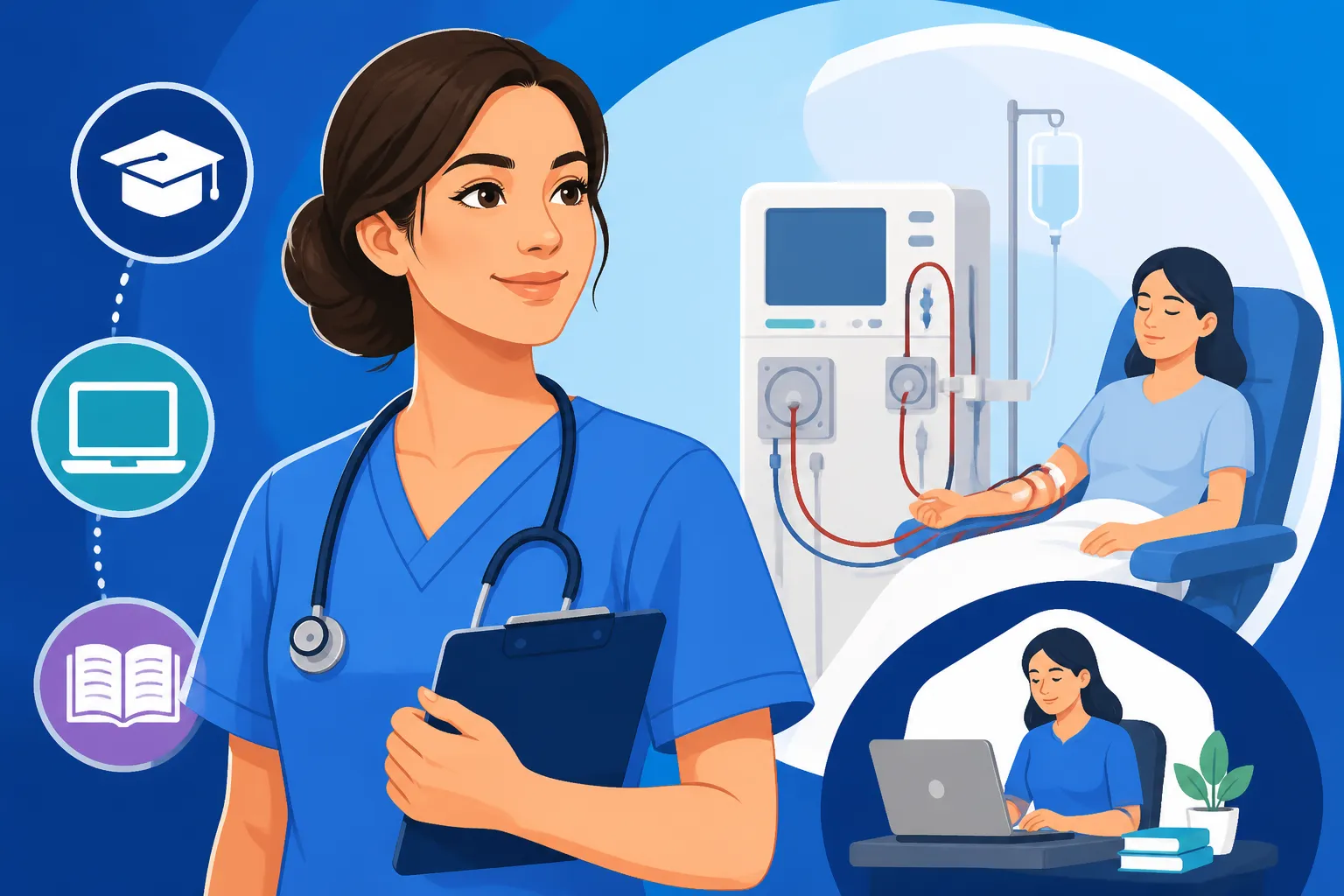
Dialysis is a medical treatment that essentially takes over the job of failing kidneys. It artificially removes waste products and excess fluid from the blood, cleaning it and rebalancing the body. There are a few main types of dialysis, primarily hemodialysis and peritoneal dialysis. Hemodialysis involves filtering the blood outside the body using a machine, while peritoneal dialysis uses the lining of the patient's abdomen (peritoneum) as a natural filter. For many, dialysis isn't a temporary fix; it's a life-sustaining treatment they will undergo several times a week, often for the rest of their lives, unless they receive a kidney transplant. The need for dialysis is unfortunately growing, driven by factors like increasing rates of diabetes and hypertension, which are leading causes of kidney disease.
Day-to-Day Responsibilities and Patient Care
The daily life of a dialysis nurse is incredibly varied and deeply patient-focused. You're not just managing a machine; you're managing a person with complex needs. On a typical day, a dialysis nurse in an outpatient clinic might start by reviewing patient charts, assessing vital signs, and discussing any symptoms or concerns the patient has before their treatment begins. This often involves careful assessment of their vascular access—whether it's an arteriovenous fistula, graft, or central venous catheter—to ensure it's healthy and viable for treatment.
Once the patient is ready, the nurse meticulously sets up the dialysis machine, ensuring all parameters are correctly programmed based on the patient's prescription. This involves preparing dialyzers (the artificial kidney filters) and connecting tubing, all while maintaining strict aseptic technique. Then comes the crucial step of cannulating the patient's access point and initiating the dialysis treatment. Throughout the 3-4 hour treatment session, the nurse continuously monitors the patient for any adverse reactions, such as hypotension, muscle cramps, or fluid imbalances, adjusting treatment parameters as needed. Administering medications, providing wound care for access sites, and charting detailed notes are also routine tasks. Beyond the technical aspects, a huge part of the role is patient education – teaching them about their diet, fluid restrictions, medications, and self-care. It's about building trust and offering emotional support through a challenging chronic illness.
Different Dialysis Settings
Dialysis nursing isn't a one-size-fits-all career; you'll find these vital nurses working in several different environments, each with its unique pace and patient population.
- Outpatient Dialysis Clinics: This is perhaps the most common setting. Patients with chronic kidney disease come here typically three times a week for hemodialysis sessions that last several hours. These clinics, often run by large providers like DaVita Kidney Care or Fresenius Medical Care, provide a structured environment where nurses build long-term relationships with their patients. The work tends to be more scheduled, though it can still be fast-paced with multiple patients needing attention simultaneously.
- Hospital Inpatient Units: In a hospital, dialysis nurses often treat patients with acute kidney injury (AKI) who may or may not recover full kidney function, or chronic dialysis patients who are hospitalized for other medical conditions. This setting can be more critical care-oriented, with nurses performing dialysis at the bedside in ICUs or other acute units. The pace is often more unpredictable, and the patients' conditions can be more unstable.
- Home Dialysis Programs: With advancements in technology, more patients are opting for home hemodialysis or peritoneal dialysis. Dialysis nurses in these programs primarily function as educators and case managers, training patients and their families to perform dialysis independently at home, monitoring their progress, and troubleshooting issues remotely or during clinic visits. This role requires strong teaching skills and an ability to empower patients.
- Travel Dialysis Nursing: For those with experience and a desire for flexibility and higher pay, travel nursing in dialysis is a popular option. These nurses take on temporary assignments across the country, filling staffing gaps in various clinics and hospitals. It's a fantastic way to see different parts of the country and gain diverse experience, as detailed in our guide on Travel Nurse: Role, Salary, and How to Start.
Educational Pathway to Becoming a Dialysis Nurse
Just like any other nursing specialization, becoming a dialysis nurse starts with a solid foundation in general nursing. You can't skip the basics!
Foundational Nursing Education (ADN or BSN)
To become a dialysis nurse, your very first step is to become a Registered Nurse (RN). This means earning either an Associate Degree in Nursing (ADN) or a Bachelor of Science in Nursing (BSN). While both degrees prepare you to sit for the NCLEX-RN exam and obtain your licensure, a BSN is increasingly preferred by employers, especially in specialized and Magnet-recognized hospitals. Many nurses find themselves starting with an ADN for its quicker entry into the field and then pursuing an Online RN to BSN Programs: Complete Guide while working.
The BSN curriculum typically includes a broader range of courses in leadership, community health, research, and critical thinking, which are invaluable for managing complex patient populations like those in dialysis. Understanding the ADN vs BSN: Key Differences can help you make an informed decision about your foundational education. If you already hold an ADN, expanding your knowledge with a BSN can open doors to more advanced roles and a deeper understanding of patient care, which is particularly beneficial in a specialized field like nephrology.
Becoming a Registered Nurse (RN Licensure)
Once you've successfully completed your ADN or BSN program, the next monumental step is passing the National Council Licensure Examination for Registered Nurses (NCLEX-RN). This exam is the gateway to obtaining your RN license and is a rigorous test designed to ensure you possess the minimum knowledge and skills to practice nursing safely and effectively.
Preparing for the NCLEX is a significant undertaking. Many aspiring nurses utilize comprehensive review platforms like Uworld, which offers an extensive question bank and detailed rationales, mimicking the real exam experience. Once you've conquered the NCLEX, you'll apply for licensure through your state's Board of Nursing. Maintaining an active, unrestricted RN license is paramount throughout your career as a dialysis nurse. This also means staying up-to-date with continuing education requirements, which vary by state but are essential for ongoing professional development and retaining your right to practice.
Gaining Relevant Experience
While you might dream of jumping straight into a dialysis unit, most roles, especially in specialized areas, require some level of prior nursing experience. New graduates are sometimes hired into dialysis clinics, but often, employers look for nurses with a background that demonstrates strong clinical skills and critical thinking.
Experience in areas like medical-surgical, telemetry, or critical care units is highly valued. These environments expose nurses to managing complex fluid and electrolyte imbalances, cardiac conditions, and a variety of chronic diseases often seen in dialysis patients. For instance, understanding how to manage a patient with congestive heart failure and renal failure is crucial for a dialysis nurse. If you're a new grad interested in dialysis, look for programs or internships specifically designed for new nurses in nephrology or apply to entry-level med-surg positions to build a strong foundation. Demonstrating a genuine interest in kidney health and a willingness to learn is often key during interviews.
Specializing in Dialysis Nursing
Once you have your RN license and perhaps some foundational experience, the real journey into specialization begins. This often involves specific training and acquiring specialized knowledge.
On-the-Job Training and Orientation
Most dialysis centers, whether in a hospital or an outpatient clinic, understand that dialysis nursing requires a very specific skill set that isn't always covered in general nursing school. Therefore, they typically offer extensive on-the-job training and orientation programs for new hires. This training can last anywhere from several weeks to a few months, depending on your prior experience and the complexity of the unit.
During this period, you'll be paired with an experienced preceptor who will guide you through everything from the intricate workings of the hemodialysis machines (including setting up, troubleshooting alarms, and understanding the various components) to the nuanced assessment of vascular access points. You'll learn about different types of dialyzers, the properties of dialysate solutions, and the critical importance of water treatment systems. Patient protocols, emergency procedures (like managing a severe hypotensive episode during treatment), and meticulous documentation will also be covered. This hands-on experience is invaluable and often forms the bedrock of a successful career in dialysis.
Essential Skills for Dialysis Nurses
Beyond the technical aptitude for machine operation, being a successful dialysis nurse demands a unique blend of clinical and interpersonal skills.
- Acute Assessment Skills: Patients on dialysis can experience rapid fluid shifts and electrolyte imbalances. You need to be incredibly vigilant in assessing vital signs, fluid status, and subtle changes in a patient's condition throughout their treatment.
- Technical Proficiency: Mastering venipuncture for fistula and graft cannulation, operating complex dialysis equipment, and understanding water treatment systems are non-negotiable.
- Critical Thinking and Problem-Solving: When a machine alarm goes off or a patient's blood pressure drops, you need to quickly assess the situation, identify the root cause, and implement appropriate interventions.
- Strong Communication Skills: You'll be communicating complex medical information to patients and their families, collaborating with nephrologists and other healthcare team members, and providing crucial patient education.
- Empathy and Patience: Many dialysis patients deal with chronic illness, significant lifestyle changes, and often emotional distress. Building rapport, listening actively, and offering compassionate support are vital.
- Organizational Skills: Managing multiple patients, their machines, medications, and documentation simultaneously requires excellent organizational and time management abilities.
Advanced Certifications for Dialysis Nurses
While not always mandatory to start, obtaining specialized certifications can significantly enhance your career as a dialysis nurse. These certifications demonstrate a higher level of expertise and commitment to the field, often leading to increased career opportunities and potentially higher earning potential, similar to how Nursing Certifications That Boost Pay in other specialties.
The primary certifications for dialysis nurses are:
- Certified Nephrology Nurse (CNN): This certification is offered by the Nephrology Nursing Certification Commission (NNCC) and is geared towards RNs who provide direct care to adult or pediatric nephrology patients. It covers a broad range of nephrology nursing topics, including dialysis, kidney disease management, and transplantation.
- Certified Dialysis Nurse (CDN): Also offered by the NNCC, this certification is specifically for RNs working with adult hemodialysis patients. It focuses more narrowly on the practical aspects of hemodialysis care.
To be eligible for these certifications, you typically need an active RN license, a certain number of hours of experience in nephrology nursing, and sometimes a BSN degree. Preparing for these exams often involves rigorous study, and resources like Uworld can be invaluable for reviewing content and practicing with exam-style questions, ensuring you're well-prepared for the challenge. These certifications not only validate your expertise but also show employers and patients your dedication to specialized, high-quality care.
Career Outlook and Compensation for Dialysis Nurses
Nurses often consider career longevity and earning potential when choosing a specialization. Good news: dialysis nursing offers a robust outlook.
Job Market Demand and Growth
The demand for skilled dialysis nurses remains consistently strong and is projected to grow. Several factors contribute to this steady demand:
- Aging Population: As the population ages, the incidence of chronic diseases like diabetes and hypertension, the leading causes of kidney failure, increases.
- Rising Rates of Chronic Kidney Disease: The number of individuals diagnosed with end-stage renal disease (ESRD) continues to climb, leading to a greater need for life-sustaining dialysis treatments.
- Technological Advancements: While home dialysis options are expanding, the need for skilled nurses to manage and teach these therapies, as well as work in traditional clinics, persists.
- Staffing Needs: Dialysis units require a specific nurse-to-patient ratio, ensuring a constant need for qualified professionals.
This consistent demand means that dialysis nurses generally enjoy excellent job security across the country. Whether you're in a bustling urban center or a more rural community, there's a high likelihood of finding employment.
Salary Expectations
The salary for a dialysis nurse, like any nursing role, can vary significantly based on factors such as geographic location, years of experience, educational attainment, and certifications. However, generally speaking, dialysis nurses often earn a competitive salary that reflects their specialized skills.
According to recent data, the average annual salary for a Registered Nurse in the United States typically falls in the range of $75,000 to $90,000. For dialysis nurses, with their specialized skills, this can often be on the higher end or even exceed the average for general RNs. Entry-level dialysis nurses might start in the mid-$60,000s, while experienced nurses with advanced certifications and several years under their belt could earn well over $90,000 to $100,000, especially in high-paying states for nurses like California or New York. Factors like working in an inpatient acute care setting versus an outpatient clinic can also influence pay, as acute care often comes with a higher pay scale due to increased patient acuity. Understanding the overall Nursing Salary by Degree Level and how it can increase with specialization is helpful for planning your career path.
Career Advancement Opportunities
Becoming a dialysis nurse isn't a stagnant career path; there are numerous avenues for professional growth and advancement.
- Charge Nurse/Team Lead: With experience, you can move into leadership roles within a dialysis unit, overseeing daily operations, managing patient flow, and mentoring newer staff.
- Nurse Educator/Preceptor: If you have a passion for teaching, you can become a preceptor for new dialysis nurses or transition into a dedicated nurse educator role, training staff on new technologies or protocols.
- Nurse Manager/Director: For those interested in administrative leadership, positions like Nurse Manager or even Director of Nursing for multiple dialysis units offer opportunities to influence policy and operations on a broader scale.
- Clinical Nurse Specialist (CNS): With a Master's degree, a CNS can serve as an expert clinician, consultant, and educator, improving patient outcomes and staff competency within nephrology.
- Nephrology Nurse Practitioner (NP): This is a significant advancement for nurses passionate about advanced practice. By pursuing a Master of Science in Nursing (MSN) or Doctor of Nursing Practice (DNP) with a nephrology specialization, you can become a Nurse Practitioner, diagnosing, treating, and managing patients with kidney disease independently or in collaboration with a physician. Our guide on MSN & NP: How to Become a Nurse Practitioner provides a great overview of this pathway.
- Travel Dialysis Nurse: As mentioned earlier, experienced dialysis nurses can also pursue travel contracts, which often come with higher pay and diverse experiences.
Challenges and Rewards of Dialysis Nursing
Every nursing specialty has its unique set of challenges and incredibly rewarding moments. Dialysis nursing is no different, offering a deeply impactful career for the right individual.
Common Challenges in the Role
Let's be realistic, dialysis nursing isn't without its difficulties. Understanding these can help you prepare and determine if this path is right for you.
- Emotional Toll of Chronic Illness: Many dialysis patients are dealing with a life-long, debilitating illness. You'll witness their struggles, their frustrations, and sometimes, their decline. This can be emotionally taxing, requiring strong coping mechanisms and resilience.
- Complex Patient Population: Dialysis patients often have multiple co-morbidities like diabetes, heart disease, and hypertension. Managing their care requires a holistic understanding of how these conditions interact with kidney failure.
- Adherence Issues: Diet and fluid restrictions are crucial for dialysis patients, but adherence can be a major challenge. Educating and motivating patients who struggle with these restrictions can be frustrating.
- Technical Demands: While rewarding, the technical aspects of managing dialysis machines, troubleshooting alarms, and maintaining vascular access can be stressful, especially when multiple machines are running simultaneously.
- Burnout Potential: The repetitive nature of scheduled treatments, the high patient load, and the emotional demands can lead to burnout if not managed with self-care and strong team support.
The Deeply Rewarding Aspects
Despite the challenges, dialysis nursing offers immense satisfaction and a unique sense of purpose that many nurses cherish.
- Direct Impact on Patient Lives: You are quite literally a lifeline for your patients. You see the immediate, tangible effects of your care, knowing that you are directly contributing to their ability to live, even with kidney failure.
- Building Long-Term Relationships: Unlike many acute care settings, you often see your patients multiple times a week, for years. This allows you to build deep, meaningful relationships, becoming a trusted caregiver, advocate, and confidant. You get to know their families, their stories, and their personalities, which adds a profound human element to your work.
- Specialized Knowledge and Expertise: Mastering the intricacies of renal physiology, dialysis technology, and chronic disease management offers intellectual stimulation and a sense of accomplishment. You become an expert in a vital, complex area of healthcare.
- Consistent Schedule (Often): For many, working in an outpatient dialysis clinic offers a more predictable schedule compared to hospital nursing, often with no night shifts or rotating weekends, which can significantly improve work-life balance.
- Patient Advocacy: You become a strong advocate for your patients, helping them navigate a complex healthcare system, ensuring they receive the best possible care, and empowering them to manage their health. The sense of being an essential part of their journey is incredibly fulfilling.
Finding Your First Dialysis Nursing Role
So, you're convinced! Now, how do you actually land that first dialysis nursing job? It takes a strategic approach, just like pursuing any Nursing Specializations Explained.
Crafting a Strong Resume and Cover Letter
Your application materials are your first impression, so make them count!
- Highlight Transferable Skills: Even if you don't have direct dialysis experience, emphasize skills learned in other nursing roles that are highly relevant. Think about your experience with fluid balance management, medication administration, patient assessment, critical thinking, patient education, and even strong venipuncture skills. Frame these experiences in a way that shows how you'd excel in a dialysis setting.
- Showcase Your Passion for Nephrology: In your cover letter, articulate why you want to be a dialysis nurse. Did a family member's experience inspire you? Are you fascinated by renal physiology? Showing genuine interest can set you apart. Mention any relevant coursework, volunteer experience, or even specific articles you've read about kidney care.
- Detail Your Certifications: If you have any foundational certifications like Basic Life Support (BLS) or Advanced Cardiovascular Life Support (ACLS), be sure to list them. While not dialysis-specific, they show preparedness. Once you gain your CDN or CNN, those will be front and center.
Networking and Interviewing Tips
Getting your foot in the door often involves more than just a stellar application.
- Network with Dialysis Nurses: Reach out to nurses working in dialysis units in your area. Use LinkedIn, attend local nursing events, or even ask your current nursing colleagues if they know anyone. Informational interviews can provide invaluable insights and sometimes even leads for openings. Understanding How to Choose a Nursing Specialty often benefits from real-world conversations.
- Prepare for Technical Questions: Expect questions about fluid and electrolyte balance, common complications during dialysis, and basic kidney function. Review your pathophysiology! You might also be asked about your experience with vascular access.
- Emphasize Soft Skills: While technical knowledge is important, emphasize your communication skills, empathy, patience, and ability to build rapport. These are crucial for long-term patient relationships in dialysis. Be ready to share examples of how you've handled difficult patient situations or educated patients on complex health topics.
- Ask Insightful Questions: Show your engagement by asking questions about the unit's training program, typical patient-to-nurse ratios, opportunities for continuing education, and how they foster a supportive team environment.
Considering Travel Nursing for Dialysis
For experienced RNs, particularly those with a year or two of general medical-surgical or critical care background, considering travel nursing as a pathway into dialysis can be a fantastic strategic move. While direct dialysis experience is often preferred for travel assignments, some agencies do offer contracts for nurses willing to train, especially if they have a strong critical care foundation.
Travel nursing can offer higher pay, allowing you to pay down student loans or save for future education. It also exposes you to different facility protocols, patient populations, and equipment, rapidly expanding your skillset. For example, a travel assignment in a busy urban center might expose you to a wider range of acute conditions than a smaller, rural clinic. This varied experience is invaluable, making you a more versatile and marketable dialysis nurse in the long run. If you're an adventurous spirit looking to accelerate your experience and income, diving into travel nursing with a focus on dialysis could be a powerful way to fast-track your career.
Dialysis Nursing Certifications Comparison
| Certification Name | Acronym | Administering Body | Target Audience | Typical Requirements (Varies) | Focus |
|---|---|---|---|---|---|
| Certified Nephrology Nurse | CNN | Nephrology Nursing Certification Commission (NNCC) | Registered Nurses (RNs) working in nephrology nursing | Active RN license, 2,000 hours in nephrology nursing within 2 years, 30 hours of CE in nephrology, and a BSN degree (or higher) is often preferred or required within a specific timeframe. | Comprehensive knowledge of nephrology across the lifespan, including all modalities of dialysis, kidney disease management, transplantation, and patient education. Broader scope. |
| Certified Dialysis Nurse | CDN | Nephrology Nursing Certification Commission (NNCC) | Registered Nurses (RNs) specifically in adult hemodialysis | Active RN license, 1,000 hours in adult hemodialysis nursing within 2 years, 15 hours of CE in nephrology. | Focuses on the practical aspects of adult hemodialysis care, machine operation, patient assessment during treatment, and managing common complications. More specialized. |
| Certified Clinical Hemodialysis Technician | CCHT | Nephrology Nursing Certification Commission (NNCC) | Hemodialysis Technicians (Not RNs) | High school diploma/GED, completion of approved hemodialysis training program, 1,000 hours of patient care experience. | Technical aspects of hemodialysis treatment, machine maintenance, water treatment, and patient monitoring under nurse supervision. (Often a role supporting dialysis nurses). |
Disclaimer
Please remember that the information provided in this guide is intended for general informational purposes only and does not constitute professional medical or educational advice. Requirements for nursing programs, licensure, and certifications can change. Always consult with official academic advisors, state boards of nursing, and certification bodies for the most accurate and up-to-date information.