Nursing Specialty Career Paths
Deciding on a nursing specialty can feel incredibly overwhelming, almost like standing at a crossroads with dozens of fascinating but equally demanding paths stretching out before you. After all the hard work to become a registered nurse, it’s completely natural to wonder where you truly belong, what niche will ignite your passion, and how to build a career that feels fulfilling and financially stable. This comprehensive guide is here to walk you through the vast and vibrant world of nursing specialties, helping you understand the options, what each path entails, and how to navigate your journey toward a deeply rewarding professional life.
Understanding the Landscape of Nursing Specialties
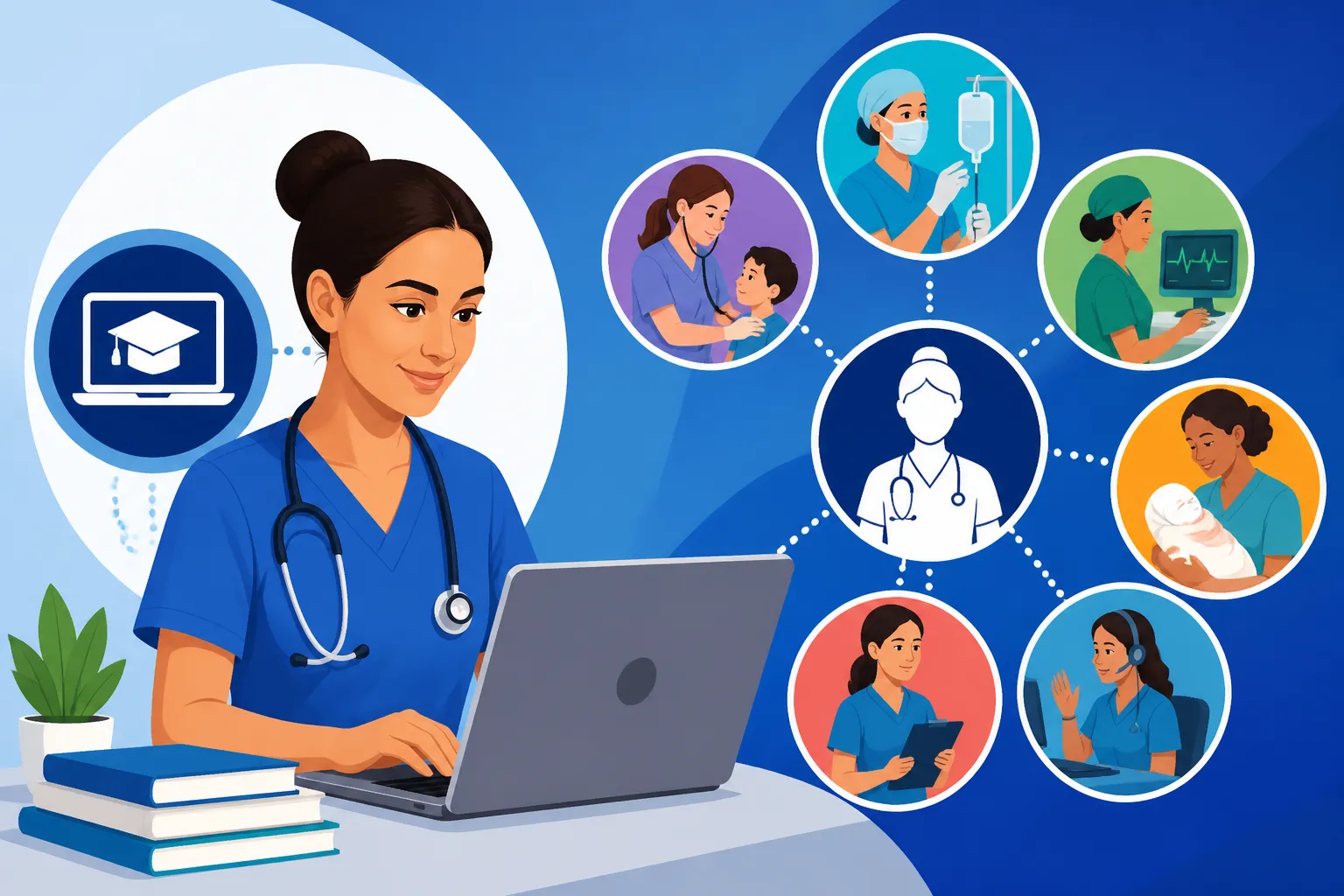
When you first graduate from nursing school, the possibilities seem endless, and honestly, a little daunting. The nursing profession is so incredibly diverse, offering more avenues for specialization than almost any other healthcare field. It’s not just about picking a department; it's about choosing a patient population, a work environment, a specific set of skills, and ultimately, a lifestyle that resonates with you.
The Difference Between Generalist and Specialist Roles
At its core, nursing starts with a generalist foundation. As a registered nurse (RN), you're equipped with a broad range of knowledge and skills to care for patients across various settings. You learn about pathophysiology, pharmacology, assessment, and basic interventions that apply to pretty much anyone. Many new grads start in generalist roles, like medical-surgical nursing, which provides an invaluable foundation in patient care, critical thinking, and time management. It’s often considered the "boot camp" of nursing, where you hone your skills across a wide spectrum of conditions.
However, as you gain experience, you'll likely feel drawn to a particular area. This is where specialization comes in. A nursing specialist focuses their practice on a specific patient population (e.g., pediatrics, geriatrics), a particular disease or condition (e.g., oncology, cardiology), a specific setting (e.g., emergency room, operating room), or even a specific function (e.g., education, informatics). For example, a generalist RN might care for an elderly patient with pneumonia on a med-surg floor, while a specialist geriatric nurse might focus exclusively on the complex needs of older adults in a long-term care facility, addressing issues like fall prevention, dementia care, and polypharmacy management with specific expertise. The difference lies in the depth of knowledge and tailored skills applied to a narrower scope of practice.
Why Specializing Matters in Today's Healthcare
In an increasingly complex healthcare system, specialization isn't just a preference; it's often a necessity. As medical science advances, so does the demand for nurses with highly specific expertise. Patients benefit from nurses who are deeply knowledgeable about their particular condition or age group, leading to better outcomes and more personalized care. For instance, a patient undergoing complex cardiac surgery will benefit immensely from a nurse who specializes in cardiac critical care and understands the intricacies of post-operative recovery, specific monitoring equipment, and potential complications unique to heart patients.
From a career perspective, specialization offers numerous advantages. It can lead to higher earning potential, as nurses with in-demand skills and certifications are often compensated more generously. It can also provide greater job satisfaction, as you're able to delve deeply into an area you're passionate about, becoming an expert and making a significant impact. Additionally, many advanced nursing roles, such as nurse practitioner or certified registered nurse anesthetist, absolutely require specialization, often building on years of experience in a particular area. Pursuing various Nursing Certifications by Specialty is a fantastic way to formally recognize and advance your specialized knowledge.
Exploring In-Demand Hospital-Based Specialties
Many nurses start their careers within the walls of a hospital, and for good reason! Hospitals offer a dynamic environment with a wide array of specialties, from the high-stakes critical care units to the nurturing world of maternal-child health. These roles often involve direct patient care and require quick thinking, resilience, and a strong collaborative spirit.
Critical Care and Emergency Nursing
If you thrive on adrenaline, rapid decision-making, and managing complex, life-threatening situations, critical care or emergency nursing might be your calling. These specialties are at the forefront of patient care, dealing with acute illnesses and injuries where every second can count.
Critical Care Nursing (ICU, CCU): Critical care nurses, often found in Intensive Care Units (ICU), Coronary Care Units (CCU), or Medical-Surgical ICUs, care for critically ill patients who require constant monitoring and advanced life support. This could involve managing ventilators, continuous medication infusions, post-surgical recovery for complex procedures, and dealing with conditions like sepsis, traumatic brain injury, or multi-organ failure. The work is incredibly intense, demanding a deep understanding of pathophysiology, pharmacology, and advanced technology. You're often caring for one or two patients, but their needs are immense, requiring meticulous attention to detail and a strong ability to anticipate changes in their condition. Building a strong foundation in How to Become a Critical Care Nurse is a challenging but immensely rewarding path. Many nurses find this field incredibly fulfilling because they are instrumental in saving lives and supporting families through incredibly difficult times.
Emergency Nursing (ER, ED): Emergency nurses work in the Emergency Department (ED) or Emergency Room (ER), where they see patients of all ages with a vast range of conditions, from minor injuries and illnesses to severe trauma, heart attacks, and strokes. The challenge here is the unpredictable nature of the caseload; you never know what will come through the door next. ER nurses must be skilled in rapid assessment, triage, wound care, medication administration, and stabilizing patients before they are admitted to other hospital units or discharged. They often work closely with paramedics, physicians, and other specialists, coordinating care in a chaotic, fast-paced environment. The ability to prioritize, stay calm under pressure, and quickly adapt to new situations is paramount. Exploring How to Become a Emergency Nurse highlights the diverse skills needed for this thrilling specialty.
Maternal-Child and Pediatric Nursing
For nurses with a nurturing spirit and a passion for working with families during pivotal life stages, maternal-child and pediatric nursing offer incredibly fulfilling career paths. These specialties focus on the health and well-being of women during pregnancy and childbirth, and on infants, children, and adolescents.
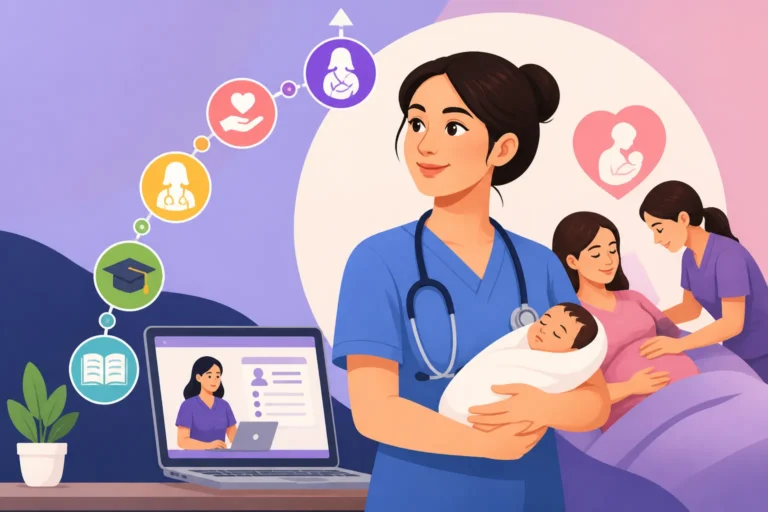
Labor and Delivery (L&D) and Postpartum Nursing: Labor and Delivery nurses are present during one of life's most profound moments: childbirth. They monitor mothers and babies during labor, assist with deliveries, manage pain, administer medications, and respond to emergencies. It’s a specialty that requires both incredible medical skill and profound emotional support for families. Following delivery, postpartum nurses care for new mothers and their newborns, providing education on breastfeeding, infant care, and recovery from childbirth. This is a joyful but also demanding area, as new parents often need extensive guidance and reassurance. These roles combine high-stakes situations with moments of incredible tenderness and teaching.
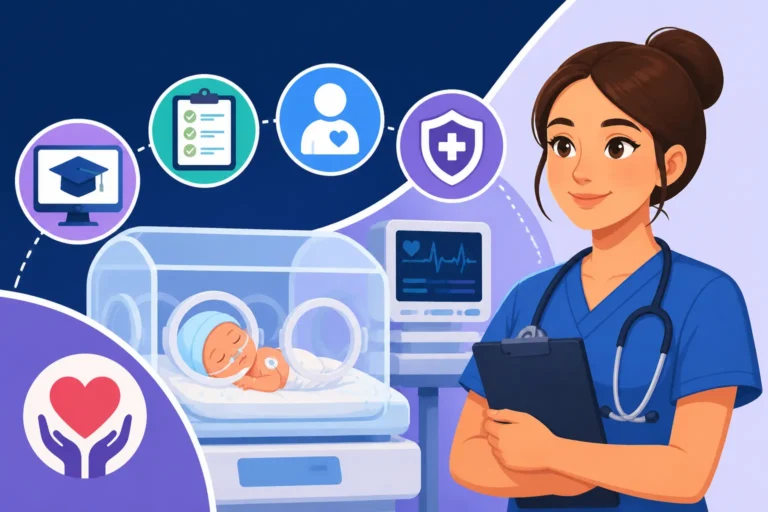
Pediatric and Neonatal Intensive Care (NICU) Nursing: Pediatric nurses specialize in caring for children from infancy through adolescence, whether they are in general pediatrics, specialized units like pediatric oncology, or critical care. Working with children requires a unique set of communication skills, as you need to interact effectively with both the young patients and their anxious parents. Learning How to Become a Pediatric Nurse involves understanding developmental stages, recognizing subtle signs of illness in children, and administering child-specific dosages. Neonatal Intensive Care Unit (NICU) nurses care for critically ill or premature newborns. These tiny patients require highly specialized care, often involving advanced technology and extremely delicate interventions. NICU nurses provide round-the-clock monitoring, administer complex treatments, and offer immense support to families facing unimaginable challenges. The resilience and compassion required in these roles are truly exceptional.
Surgical and Perioperative Nursing
If you are fascinated by surgical procedures and enjoy a highly structured, precise environment, then surgical and perioperative nursing might be an excellent fit. These nurses play crucial roles before, during, and after surgical interventions.
Operating Room (OR) Nursing: Operating Room nurses, also known as perioperative nurses, are vital members of the surgical team. They have several distinct roles. The scrub nurse assists the surgeon directly by handing instruments and maintaining a sterile field. The circulating nurse manages the OR environment, ensuring patient safety, communicating with family, documenting, and anticipating the needs of the surgical team. OR nursing requires meticulous attention to detail, a deep understanding of anatomy and surgical procedures, and the ability to remain calm and focused during intense, high-stakes operations. It's a highly collaborative environment where teamwork is paramount, and precision is non-negotiable.
Post-Anesthesia Care Unit (PACU) Nursing: After surgery, patients are transferred to the Post-Anesthesia Care Unit (PACU), often called the recovery room. PACU nurses are responsible for monitoring patients as they emerge from anesthesia, managing pain, checking vital signs, assessing for complications like bleeding or respiratory distress, and ensuring a smooth transition to a less acute care setting or home. This role demands acute assessment skills, the ability to rapidly identify and respond to post-operative complications, and effective pain management strategies. It’s a critical bridge between the OR and the next phase of recovery, requiring a keen eye and a steady hand.
Beyond the Bedside: Outpatient and Community Specialties
Not all nursing takes place in a hospital. Many nurses find profound satisfaction and diverse opportunities in outpatient clinics, community settings, and homes. These roles often emphasize health promotion, disease prevention, and continuity of care, focusing on individuals and populations outside of acute hospital stays.
Public Health and School Nursing
For nurses passionate about community well-being and proactive health interventions, public health and school nursing offer rewarding careers. These roles move beyond individual patient care to impact broader groups.
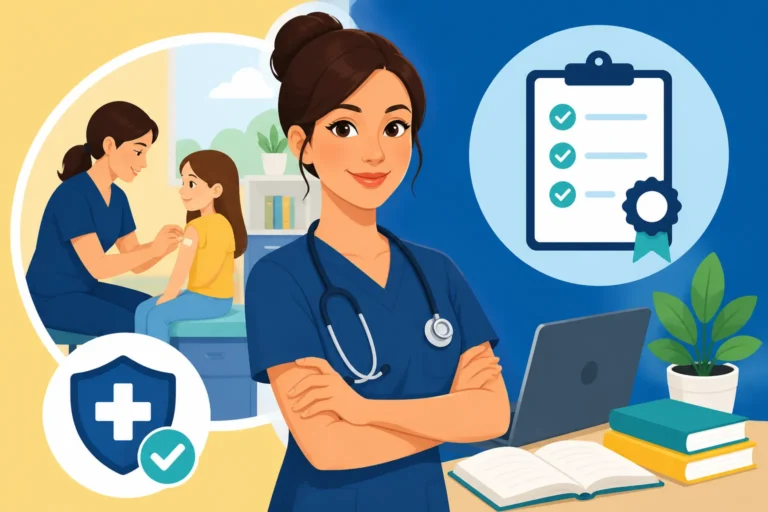
Public Health Nursing: Public health nurses work to improve the health of entire communities. Their focus is on prevention, health education, and advocating for policies that promote well-being. This can involve conducting health screenings, administering immunizations, tracking disease outbreaks, developing educational programs on topics like nutrition or smoking cessation, and connecting vulnerable populations with healthcare resources. They might work for local health departments, non-profit organizations, or government agencies. It's a specialty that requires strong communication, leadership, and analytical skills to assess community needs and implement effective interventions. This path truly exemplifies the notion of "nursing beyond the bedside."
School Nursing: School nurses are frontline healthcare providers within educational settings, serving students from kindergarten through high school. They manage chronic conditions (like asthma or diabetes), administer medications, respond to emergencies, conduct health screenings (vision, hearing), and provide health education. Beyond direct care, school nurses are crucial advocates for student health, collaborating with parents, teachers, and administrators to ensure a safe and healthy learning environment. They are often the first point of contact for health concerns in a child's life, requiring a broad knowledge base and the ability to handle a wide variety of situations, sometimes with limited resources.
Hospice, Palliative, and Home Health Nursing
These specialties focus on providing compassionate care, comfort, and support to patients and their families in their homes or dedicated facilities, emphasizing quality of life over curative treatments for chronically or terminally ill individuals.
Hospice and Palliative Care Nursing: Hospice nurses provide end-of-life care, focusing on comfort, symptom management, and emotional and spiritual support for patients and their families. This deeply empathetic role often involves working in patients' homes, hospice facilities, or long-term care settings. Palliative care nurses provide similar comfort-focused care but can do so at any stage of a serious illness, alongside curative treatments. Both roles require exceptional communication skills, a profound sense of compassion, and the ability to navigate sensitive conversations about illness, loss, and grief. These nurses become trusted guides for families during incredibly vulnerable times.
Home Health Nursing: Home health nurses care for patients in their homes, providing a wide range of services including wound care, medication management, disease education, rehabilitation support, and post-surgical follow-up. Patients often receive home health care after a hospital stay, or for ongoing management of chronic conditions. This specialty requires excellent assessment skills, as nurses work autonomously, often as the sole healthcare provider in the home. They must be adaptable, resourceful, and capable of educating patients and family members to empower them in their own care. Travel is a significant component of this role, as nurses move between multiple patient homes throughout the day.
Specialty Clinics and Ambulatory Care
Outpatient clinics offer a more structured, often less acute environment than a hospital, focusing on specific health conditions or preventive care. This sector is rapidly growing, providing diverse opportunities for specialized nurses.
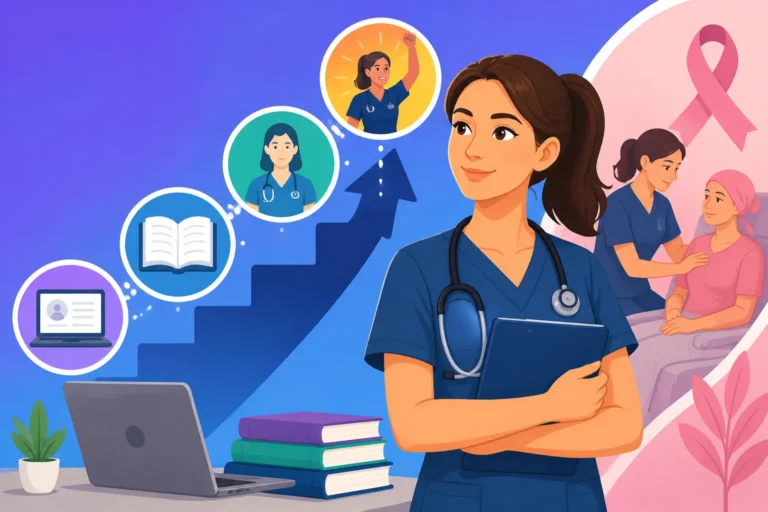
Oncology Nursing: Oncology nurses specialize in the care of patients with cancer. This involves administering chemotherapy and other cancer treatments, managing side effects, educating patients about their disease and treatment plan, providing emotional support, and coordinating care with a multidisciplinary team. Oncology nurses work in infusion centers, radiation clinics, and outpatient oncology offices. It is a challenging but incredibly rewarding field, as nurses build long-term relationships with patients and families, supporting them through what is often the most difficult journey of their lives. Many resources exist to help you learn How to Become a Oncology Nurse, including specialized certifications.
Cardiology and Diabetes Education Nursing: Nurses in specialty clinics often become experts in specific disease management. Cardiology nurses might work in outpatient cardiology clinics, performing stress tests, educating patients on heart healthy lifestyles, and managing chronic cardiac conditions. Diabetes educators are often registered nurses who specialize in teaching patients with diabetes how to manage their condition through diet, exercise, medication, and blood sugar monitoring. These roles heavily rely on patient education, motivational interviewing, and empowering individuals to take an active role in their health. Both specialties require continuous learning to stay current with the latest treatment guidelines and technologies.
Advanced Practice and Leadership Pathways
For nurses seeking to expand their scope of practice, take on greater responsibility, and often achieve higher earning potential, advanced practice and leadership roles are the next logical step. These paths typically require a Master of Science in Nursing (MSN) or a Doctor of Nursing Practice (DNP) degree.
Nurse Practitioner and Clinical Nurse Specialist Roles
These roles represent significant advancement in clinical practice, allowing nurses to diagnose, treat, and manage patient care more autonomously. Many nurses pursue these roles for increased independence and the ability to provide more comprehensive care.
Nurse Practitioner (NP): Nurse Practitioners are advanced practice registered nurses (APRNs) who provide primary, acute, and specialty healthcare. They can diagnose and treat illnesses, prescribe medications (depending on state regulations), order and interpret diagnostic tests, and manage patient care plans. NPs specialize in areas like Family Nurse Practitioner (FNP), Adult-Gerontology Acute Care Nurse Practitioner (AGACNP), Pediatric Nurse Practitioner (PNP), or Psychiatric Mental Health Nurse Practitioner (PMHNP). The demand for NPs is soaring, especially in underserved areas, as they play a critical role in expanding access to care. Many nurses explore the Nurse Practitioner Salary Guide as they consider this impactful career shift. Obtaining an Online MSN Programs: Complete Guide is a common path to becoming an NP.
Clinical Nurse Specialist (CNS): A Clinical Nurse Specialist is another type of APRN who provides expert clinical leadership in a specialized area of nursing. Unlike NPs, CNSs typically focus on improving patient outcomes and nursing practice within a specific healthcare setting or patient population, rather than directly managing a patient’s primary care. They might educate staff, develop evidence-based protocols, consult on complex patient cases, and lead quality improvement initiatives. For example, a CNS in critical care might train ICU nurses on new ventilator protocols or develop a program to reduce hospital-acquired infections. This role is crucial for advancing nursing knowledge and practice within an organization.
Nurse Educator and Administrator Opportunities
If your passion lies in shaping the next generation of nurses or leading healthcare teams, then nursing education or administration could be your ideal career path. These roles are critical for maintaining high standards of care and ensuring the smooth operation of healthcare systems.
Nurse Educator: Nurse educators are pivotal in preparing future nurses and fostering the ongoing professional development of practicing nurses. They work in academic settings, teaching in ADN, BSN, and graduate nursing programs, or in healthcare organizations, developing and delivering continuing education and orientation programs for staff. A nurse educator designs curricula, provides clinical instruction, evaluates student performance, and often conducts research. This role requires not only clinical expertise but also strong pedagogical skills and a desire to mentor and inspire. It’s a way to influence patient care on a broader scale by influencing those who deliver it.
Nurse Administrator/Executive: Nurse administrators or nurse executives are leaders who manage nursing departments, entire hospitals, or healthcare systems. Their responsibilities include budget management, strategic planning, policy development, staffing, quality improvement, and ensuring compliance with regulatory standards. These roles require strong leadership, business acumen, and excellent communication skills. They often work behind the scenes, ensuring that nurses have the resources and support they need to provide the best possible patient care. Career paths often start at a charge nurse level, progressing to nurse manager, and then to director of nursing or chief nursing officer.
Nurse Informaticist and Legal Nurse Consultant
Beyond direct patient care and leadership, nurses can leverage their clinical knowledge in highly specialized, non-traditional roles that bridge healthcare with other fields like technology or law.
Nurse Informaticist: Nurse informaticists combine their nursing expertise with information science and computer technology. They work to design, implement, and optimize healthcare information systems, such as electronic health records (EHRs), to improve patient care, workflow efficiency, and data management. They act as a crucial link between clinicians and IT professionals, ensuring that technology solutions meet the needs of healthcare providers and patients. This role is increasingly vital as healthcare becomes more digitalized and data-driven. For those interested in analytics and system design, this is a fascinating path.
Legal Nurse Consultant (LNC): A Legal Nurse Consultant applies their extensive clinical knowledge and experience to legal cases involving health, illness, or injury. They work with attorneys, insurance companies, and government agencies, reviewing medical records, identifying deviations from the standard of care, educating legal teams on medical facts, and testifying as expert witnesses. LNCs can work independently or as part of a legal firm, offering crucial insights that bridge the gap between complex medical information and legal proceedings. It's a challenging role that requires strong analytical skills, attention to detail, and a comprehensive understanding of healthcare standards and regulations.
Niche and Emerging Nursing Specializations
The nursing profession is constantly evolving, with new specialties emerging and established ones adapting to changing healthcare needs. These niche roles often offer unique experiences and the opportunity to work in diverse and exciting environments.
Travel Nursing and Flight Nursing
For nurses with a sense of adventure and a desire for flexibility or high-stakes action, these specialties offer thrilling opportunities away from conventional hospital routines.
Travel Nursing: Travel nurses take temporary assignments, typically 8-26 weeks, in hospitals or healthcare facilities across the country, or even internationally, where staffing needs are high. This allows nurses to experience different cultures, explore new cities, and gain diverse clinical experience. Travel nurses are highly compensated, often earning significantly more than staff nurses, and sometimes receive housing stipends or benefits. While exciting, it requires adaptability, excellent clinical skills (as you're often expected to hit the ground running), and a willingness to be away from home for extended periods. The flexibility and financial incentives make it a very attractive option for many. Many platforms like Aya Healthcare and American Mobile Healthcare facilitate these assignments.
Flight Nursing: Flight nurses provide critical care during air transport of critically ill or injured patients. They work on helicopters and fixed-wing aircraft, transporting patients from accident scenes, rural hospitals, or between specialized facilities. This demanding role requires extensive critical care experience, advanced certifications (like CFRN – Certified Flight Registered Nurse), and the ability to provide advanced life support in confined, high-stress environments with limited resources. Flight nurses work as part of a highly skilled team, often alongside paramedics or respiratory therapists, and must be prepared for any medical emergency while airborne. It's truly a high-octane form of nursing, providing care where every second truly matters.
Forensic Nursing and Telehealth
These specialties highlight the interdisciplinary nature of nursing and how technology is reshaping healthcare delivery.
Forensic Nursing: Forensic nurses provide specialized care to victims and perpetrators of trauma, violence, and abuse. They collect forensic evidence, provide medical-legal testimony, and offer compassionate care to individuals who have experienced sexual assault, domestic violence, child abuse, or other violent crimes. They work in emergency departments, medical examiners' offices, and community crisis centers. The role requires a unique blend of clinical expertise, investigative skills, and a deep understanding of trauma-informed care. Becoming a Sexual Assault Nurse Examiner (SANE) is a common path within forensic nursing, providing specialized care for sexual assault survivors.
Telehealth Nursing: Telehealth nursing involves providing nursing care remotely using technology like video conferencing, phone calls, and secure messaging. Telehealth nurses assess symptoms, provide health education, offer chronic disease management support, and coordinate care without the patient being physically present. This specialty has rapidly expanded, particularly since the pandemic, offering increased flexibility and access to care for patients, especially those in rural or underserved areas. It requires strong communication skills, the ability to assess and triage effectively without physical contact, and comfort with technology. It's an excellent option for nurses seeking more predictable hours or work-from-home opportunities.
Wound Care and Diabetes Education
These are examples of highly focused, clinical sub-specialties that address very specific, pervasive health issues, allowing nurses to become true experts in a niche area.
Wound Care Nursing: Wound care nurses specialize in the assessment, treatment, and management of various types of wounds, including chronic ulcers (diabetic, pressure), surgical wounds, and burns. They work in hospitals, outpatient wound care centers, long-term care facilities, and home health settings. This role involves debridement, applying specialized dressings, educating patients on wound prevention and care, and collaborating with physicians and other healthcare providers to optimize healing. It requires meticulous attention to detail, an understanding of complex physiological processes, and a commitment to continuous learning in an area with rapidly advancing treatments.
Diabetes Education: As mentioned briefly earlier, diabetes educators are healthcare professionals, often registered nurses, who empower individuals with diabetes to manage their condition effectively. They provide in-depth education on blood glucose monitoring, medication administration (including insulin injections), dietary management, exercise, and preventing complications. They work in hospitals, outpatient clinics, and community health centers. This role demands excellent teaching and counseling skills, patience, and the ability to translate complex medical information into understandable, actionable steps for diverse patient populations.
Steps to Choosing and Entering a Nursing Specialty
The journey to a nursing specialty is a deeply personal one, influenced by your interests, personality, and career aspirations. It's not a race, but a thoughtful exploration.
Self-Assessment and Researching Specialties
Before diving headfirst into a specialty, take some time for honest self-reflection. What aspects of nursing genuinely excite you? What patient populations do you feel drawn to? What kind of work environment makes you thrive? Do you prefer fast-paced chaos or structured routines? Do you enjoy teaching, critical thinking, hands-on procedures, or administrative tasks? Are you an introvert or an extrovert? Your personality plays a huge role in job satisfaction.
Once you have a better sense of your preferences, begin researching specific specialties. Don't just rely on what you see on TV! Talk to nurses who work in various fields. Ask them about a typical day, the biggest challenges, the most rewarding aspects, and the educational requirements. Shadowing nurses in different units, if possible, can provide invaluable real-world insight. For a broader perspective, our guide on How to Choose a Nursing Specialty offers practical tips and considerations. You can also explore which are the Most In-Demand Nursing Specialties to see where the job market is strongest.
Gaining Experience and Pursuing Certifications
Many specialties require a certain amount of general nursing experience before you can even apply for a specialized position. For example, most critical care units prefer nurses with at least one to two years of medical-surgical experience. This foundational experience hones your assessment skills, medication administration proficiency, and time management abilities, making you a more competent and confident candidate for specialized roles. Don't rush this stage; it's an investment in your future expertise.
Once you have the necessary experience, pursuing specialty certifications is often the next step. Certifications demonstrate advanced knowledge and expertise in a particular field, enhancing your credibility and often your earning potential. Examples include the CCRN (Critical Care Registered Nurse), CEN (Certified Emergency Nurse), or OCN (Oncology Certified Nurse). Preparation for these exams often involves extensive study, and platforms like Uworld are widely recognized for their comprehensive review materials, not just for the NCLEX but also for various specialty board certifications. They offer practice questions and detailed rationales that can be incredibly helpful. You can also learn How to Get a Nursing Certification to boost your career.
Educational Pathways and Advanced Degrees
Some nursing specialties, particularly advanced practice roles like Nurse Practitioner or Clinical Nurse Specialist, require further academic training beyond your initial RN license. This typically means pursuing a Master of Science in Nursing (MSN) or a Doctor of Nursing Practice (DNP) degree. These programs provide specialized didactic knowledge and extensive clinical hours, preparing you for an expanded scope of practice.
For those interested in becoming a nurse leader or educator, an MSN in nursing administration or education is often the required credential. Even for some non-APRN specialties, a BSN (Bachelor of Science in Nursing) is increasingly preferred or required for entry-level positions, and many nurses with an ADN (Associate Degree in Nursing) pursue an Online RN to BSN Programs: Complete Guide to open more doors for specialization and career advancement. Remember to research the specific educational requirements for any specialty that catches your eye.
Impact of Specialization on Career Growth and Salary
One of the most compelling reasons to specialize in nursing, beyond personal passion, is the significant impact it can have on your career trajectory and financial well-being. Specialization often correlates with increased responsibility, higher demand, and ultimately, a more competitive salary.
Salary Expectations Across Different Specialties
The earning potential for nurses can vary significantly depending on their chosen specialty, geographic location, years of experience, and level of education. Generally, advanced practice registered nurses (APRNs) like Nurse Practitioners and Certified Registered Nurse Anesthetists (CRNAs) command the highest salaries in the nursing field. For example, CRNAs consistently rank among the highest-paying nursing careers, often earning well into six figures annually. Specialties like critical care, emergency nursing, and oncology also tend to offer competitive wages due to the high demand and complexity of care.
Consider this simplified table illustrating potential salary ranges by role and specialty. Please remember these are national averages and can fluctuate wildly based on your state, city, and specific employer:
| Nursing Role/Specialty | Typical Education Level | Average Annual Salary (Approx.) | Key Responsibilities |
|---|---|---|---|
| Registered Nurse (Generalist) | ADN, BSN | $80,000 – $90,000 | Basic patient care, medication administration, health education |
| Critical Care Nurse | BSN, Certifications (CCRN) | $90,000 – $110,000 | Managing complex, unstable patients, advanced monitoring |
| Emergency Room Nurse | BSN, Certifications (CEN) | $85,000 – $105,000 | Triage, rapid assessment, trauma care, diverse patient presentations |
| Oncology Nurse | BSN, Certifications (OCN) | $88,000 – $108,000 | Chemotherapy administration, symptom management, patient education |
| Public Health Nurse | BSN, MSN | $75,000 – $95,000 | Community health programs, disease prevention, health advocacy |
| Nurse Practitioner (FNP) | MSN, DNP | $115,000 – $130,000+ | Diagnosing, prescribing, managing chronic and acute conditions |
| Certified Registered Nurse Anesthetist (CRNA) | MSN, DNP, Post-Master's | $180,000 – $200,000+ | Administering anesthesia for surgical and obstetrical procedures |
(Data is illustrative and based on general national averages as of late 2023/early 2024. Actual salaries vary.)
For a deeper dive into financial projections, check out our guide on Nursing Degrees and Salaries Explained. Many nurses consider a specialty like Pediatric Nurse Practitioner or Psychiatric Mental Health Nurse Practitioner for both the impact they can make and the strong earning potential.
Job Outlook and Advancement Opportunities
The job outlook for registered nurses overall is projected to be very strong, with the U.S. Bureau of Labor Statistics predicting significant growth over the next decade. However, this growth is often concentrated in specific areas, and specialized nurses are particularly in demand. As the population ages and healthcare needs become more complex, the need for nurses with specific expertise only increases. Specialties like geriatrics, oncology, and telehealth are experiencing significant demand.
Specialization often opens doors to a wider range of advancement opportunities. A critical care nurse might become a charge nurse, then a clinical educator for the ICU, or pursue an MSN to become an Acute Care Nurse Practitioner. An oncology nurse might move into research, become a nurse navigator, or even work in pharmaceutical sales. The expertise gained in a specialty is highly transferable and valued, enabling vertical movement into leadership roles or lateral shifts into other niche areas. Understanding the various Nursing Specialty Career Paths can help you map out your long-term goals.
Balancing Passion with Practical Considerations
While passion for a particular area is incredibly important for long-term job satisfaction, it’s also wise to consider practical aspects when choosing a specialty. Think about the work-life balance a specialty offers. Does it typically involve night shifts, long hours, or on-call duties? How does the physical and emotional toll of the work impact you? For instance, while emergency nursing is exhilarating, it can also be physically and emotionally draining due to the high-stress environment and exposure to trauma.
Also, consider the job market in your desired location. Some specialties are in higher demand in urban areas, while others might be more prevalent in rural settings. Researching the Highest-Paying Nursing Specialties and Most In-Demand Nursing Specialties can provide a good overview of the practical landscape. Ultimately, the best specialty for you will be one that aligns with your innate strengths, ignites your passion, and offers a sustainable career path that fits your personal and professional goals. Don't be afraid to try different areas or even How to Switch Nursing Specialties if you find your initial choice isn't quite right. Your career is a marathon, not a sprint, and there's always room for growth and change.
Disclaimer
The information provided in this article is intended for general informational purposes only and does not constitute professional medical, career, or financial advice. While we strive to provide accurate and up-to-date content, healthcare practices, educational requirements, and salary figures can vary significantly based on location, institution, experience, and other factors. Always consult with qualified professionals for personalized advice regarding your education, career choices, and financial planning.