NICU Nurse Requirements Explained
Stepping into the Neonatal Intensive Care Unit (NICU) is a dream for many nurses, drawn by the incredible vulnerability and resilience of the tiniest patients. It's a challenging yet profoundly rewarding field, but getting there isn't always a straightforward path, especially with all the differing requirements and expectations out there. This guide is here to untangle the journey, detailing the essential education, experience, and certifications you’ll need to become a successful NICU nurse.
Understanding the Unique Role of a NICU Nurse
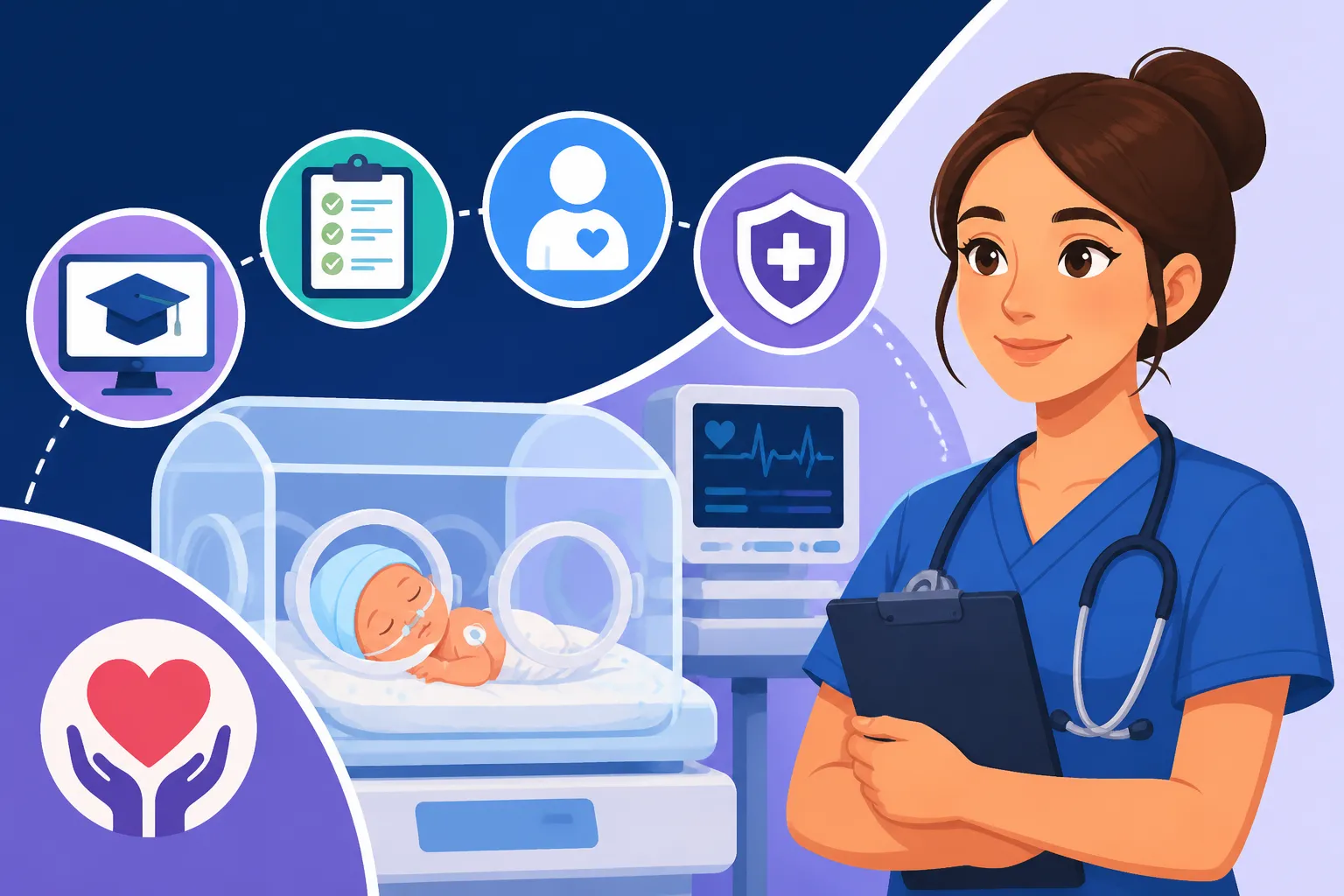
Being a NICU nurse is far more than just caring for babies; it's about providing highly specialized, often life-sustaining, care to premature infants or full-term newborns with critical health issues. These little ones can be battling everything from respiratory distress syndrome and congenital heart defects to infections or complications from difficult births. It's a world where every single detail matters, and your vigilance can make all the difference.
Who Are NICU Babies and Why Do They Need Specialized Care?
The patients in a NICU are typically newborns, from birth up to about 28 days of age, though some units might extend care a bit longer depending on the child's needs. These are often infants born prematurely, sometimes as early as 23 weeks gestation, weighing less than a pound. They require round-the-clock monitoring and interventions because their tiny bodies are simply not ready for the outside world. Their lungs might be underdeveloped, their hearts may have structural issues, or their immune systems could be too fragile to fight off common infections.
Beyond prematurity, full-term babies can also find themselves in the NICU. This might be due to severe infections, complications from birth trauma, genetic disorders, or critical conditions like meconium aspiration syndrome or persistent pulmonary hypertension. The care is highly individualized, requiring a deep understanding of infant physiology and a gentle touch. It’s a specialty that truly tests your clinical skills and your emotional resilience, demanding both precision and immense compassion.
What Does a NICU Nurse Do Day-to-Day?
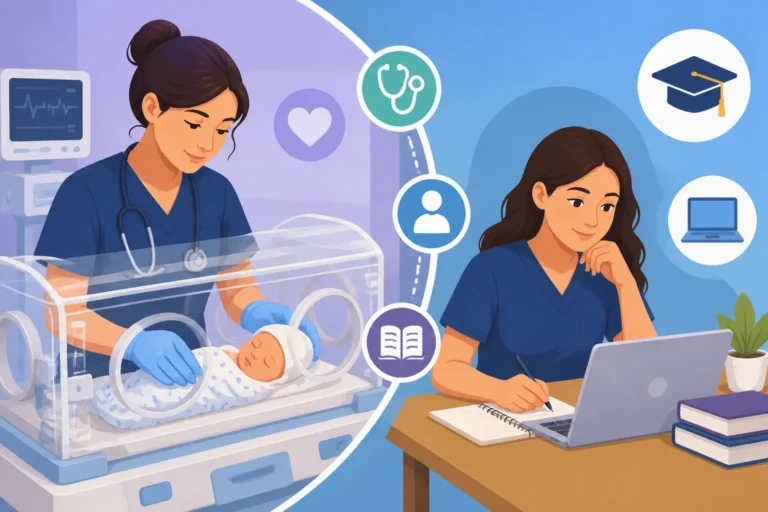
A day in the life of a NICU nurse is incredibly dynamic and varies greatly depending on the acuity level of the infants they are caring for. You could be monitoring vital signs, administering medications through tiny IVs, managing ventilators, or assisting with intricate procedures like intubations or umbilical line insertions. Nutrition is paramount, so you’ll be carefully calculating and administering breast milk or specialized formulas, often through feeding tubes.
But it’s not just about the medical tasks. NICU nurses are also vital communicators, translating complex medical jargon for anxious parents, offering emotional support, and teaching them how to care for their fragile newborns. You become a lifeline for families during one of the most stressful periods of their lives. Furthermore, documentation is meticulous, ensuring every observation and intervention is recorded accurately, which is crucial for continuity of care. It’s a role that demands constant learning, adapting, and a keen eye for subtle changes in a patient who cannot verbally communicate their needs. Many aspects of the job contribute to the overall NICU Nurse: Role, Salary, and How to Start you might be interested in.
Laying the Foundation: Educational Pathways for NICU Nursing
To become a NICU nurse, your educational journey is paramount. You need a strong, accredited nursing degree to even step foot in a hospital, let alone a specialized unit like the NICU. While an Associate Degree in Nursing (ADN) can get you started as a registered nurse, a Bachelor of Science in Nursing (BSN) is increasingly becoming the preferred, if not required, qualification.
Essential Nursing Degrees: ADN vs. BSN
Let's talk about the degrees. The two primary paths to becoming a Registered Nurse (RN) are the Associate Degree in Nursing (ADN) or the Bachelor of Science in Nursing (BSN). An ADN program typically takes about two years to complete and focuses heavily on technical nursing skills and direct patient care. It’s a faster entry point into the nursing profession, and many ADN-prepared nurses are working successfully in various hospital settings.
However, the trend in healthcare is strongly moving towards BSN-prepared nurses. A BSN program usually takes four years and includes a broader curriculum beyond clinical skills, encompassing leadership, research, community health, and critical thinking. Hospitals, especially those with Magnet status, often prefer or even require a BSN for new hires, particularly in specialized units like the NICU. If you start with an ADN, consider pursuing an Online RN to BSN Programs: Complete Guide while working, as this will broaden your career opportunities and potentially lead to higher earning potential, as detailed in our RN to BSN Salary Explained article. You can learn more about the differences in our ADN vs BSN: Key Differences post.
The Value of a BSN in NICU Settings
Why the emphasis on a BSN for the NICU? Studies have consistently shown that a higher proportion of BSN-prepared nurses in a hospital correlates with better patient outcomes, lower mortality rates, and reduced readmissions. In a high-stakes environment like the NICU, where the patients are extremely fragile and complex, these factors are critical. A BSN curriculum often includes advanced coursework in pathophysiology, pharmacology, and critical thinking that directly benefits care in the NICU.
Beyond patient outcomes, a BSN also provides a stronger foundation for career advancement. If you ever dream of becoming a charge nurse, a nurse manager, a clinical educator, or even pursuing advanced practice roles like a Neonatal Nurse Practitioner (NNP), a BSN is typically a prerequisite. It opens doors to leadership roles and further graduate education, providing a more robust career trajectory in the specialized field of neonatal care. Understanding RN to BSN Requirements Explained can help you plan your educational progression.
Gaining Hands-On Expertise: Clinical Experience in the NICU
Education is one thing, but real-world experience is where you truly hone your skills and prepare for the demands of NICU nursing. This usually starts with general nursing experience before transitioning into the highly specialized neonatal environment.
Starting with General Pediatric or Med-Surg Experience
It's a common misconception that you must go straight into the NICU as a new graduate. While some hospitals do offer new grad NICU residency programs, these spots are often highly competitive. Many experienced NICU nurses actually started their careers in other units, like general pediatrics, medical-surgical, or even adult ICU settings. This broader experience helps you develop fundamental nursing skills such as medication administration, IV insertion, critical thinking, assessment, and time management – all transferable skills crucial for any specialty.
Working in a busy pediatric unit, for example, will expose you to various childhood illnesses, different age groups, and working with worried parents, all of which are invaluable experiences before stepping into the specialized world of neonates. This initial experience can make you a more well-rounded and confident nurse, better equipped to handle the unique challenges of the NICU.
Seeking NICU-Specific Clinical Rotations or Internships
If you're still in nursing school, actively seek out opportunities for clinical rotations or internships in a NICU. Even if your school doesn't automatically assign you to one, express your interest to your clinical instructors. Many hospitals offer summer internships or externships specifically designed for nursing students interested in specialty areas. These programs provide invaluable exposure to the NICU environment, allowing you to observe, learn from experienced nurses, and participate in patient care under supervision.
Beyond formal programs, networking is key. Reach out to local hospitals, express your interest in the NICU, and inquire about shadowing opportunities or volunteer positions. Even a few days observing in a NICU can give you a significant advantage in understanding the unit's flow, technology, and patient population, making you a much more attractive candidate for future employment. The more exposure you get, the clearer your path to becoming a NICU nurse will be.
The Road to Credentialing: Licenses and Specialized Certifications
Once you have your degree and some initial experience, the next crucial steps involve obtaining and maintaining your nursing license and then pursuing specialized certifications that validate your expertise in neonatal care. These credentials are vital for professional growth and often for employment in advanced NICU roles.
Obtaining Your Registered Nurse (RN) License
The absolute first step after graduating from an accredited nursing program (ADN or BSN) is to pass the NCLEX-RN examination. This is a nationwide examination for the licensing of nurses in the United States and Canada. You cannot practice as a registered nurse without passing this exam. It’s a comprehensive test that assesses your ability to apply nursing knowledge and critical thinking skills to ensure safe and effective patient care.
Preparing for the NCLEX-RN is a serious undertaking. Many students utilize a variety of resources, including review courses, practice questions, and study guides. Platforms like Uworld are highly regarded by nursing students for their extensive question banks and detailed rationales, which can be incredibly helpful in understanding not just what the right answer is, but why it's right. Once you pass, you'll apply for licensure in your specific state, adhering to their individual board of nursing requirements.
Specialized Certifications for NICU Nurses
While your RN license allows you to practice general nursing, obtaining specialized certifications demonstrates your advanced knowledge and commitment to neonatal care. These certifications are often preferred by employers and can lead to increased responsibilities and higher earning potential.
One of the most recognized certifications for NICU nurses is the Neonatal Resuscitation Program (NRP). This is generally a requirement for any nurse working in a birth center, labor and delivery, or NICU, focusing on the critical skills needed to resuscitate newborns. Another highly respected certification is the Critical Care Registered Nurse (CCRN) – Neonatal offered by the American Association of Critical-Care Nurses (AACN). This certification validates advanced knowledge and clinical judgment for nurses caring for critically ill neonatal patients. To be eligible for the CCRN-Neonatal, you typically need a certain number of hours of direct care experience with critically ill neonates.
Other valuable certifications include the RNC-NIC (Registered Nurse, Certified in Neonatal Intensive Care) from the National Certification Corporation (NCC), which is specifically designed for experienced NICU nurses. This certification focuses on the unique knowledge base required for the care of high-risk neonatal patients. Each certification requires passing an exam and usually mandates specific clinical experience hours. Just like with the NCLEX, utilizing study materials, and potentially practice tests from reputable sources like Uworld, can be incredibly beneficial for preparing for these rigorous specialty exams. These certifications are crucial components in Nursing Certifications by Specialty and can significantly boost your career. You can learn more about specific requirements in our article on How to Get a Nursing Certification.
Here’s a quick overview of key certifications:
| Certification Abbreviation | Full Name | Certifying Body | Focus Area | General Eligibility |
|---|---|---|---|---|
| NRP | Neonatal Resuscitation Program | American Academy of Pediatrics (AAP) | Basic and advanced neonatal resuscitation skills. | Required for all healthcare professionals attending births or caring for newborns. |
| CCRN-Neonatal | Critical Care Registered Nurse – Neonatal | American Association of Critical-Care Nurses (AACN) | Advanced knowledge and clinical judgment for critically ill neonatal patients. | Current unencumbered RN license, minimum of 1,750 or 2,000 hours of direct critical care nursing experience (depending on practice setting) within the last two years. |
| RNC-NIC | Registered Nurse Certified in Neonatal Intensive Care | National Certification Corporation (NCC) | Specialized knowledge in neonatal intensive care nursing. | Current unencumbered RN license, minimum of 2,000 hours of experience in direct patient care of neonates within the last two years. |
Continuing Education and Professional Development
The world of neonatal care is constantly evolving with new research, technologies, and best practices. Therefore, continuing education isn't just a good idea; it's often a requirement to maintain your RN license and specialized certifications. Most states require a certain number of continuing education units (CEUs) every license renewal cycle.
Beyond formal CEUs, actively engaging in professional development is key. This could involve attending conferences focused on neonatal care, participating in hospital-based training programs, or joining professional organizations like the Academy of Neonatal Nursing (ANN) or the National Association of Neonatal Nurses (NANN). These organizations provide valuable resources, networking opportunities, and access to the latest research, ensuring you remain at the forefront of neonatal nursing practice. Lifelong learning is truly embedded in the What You Learn in an RN to BSN Program and continuous professional development for NICU nurses.
Becoming a NICU nurse is a journey that requires dedication, continuous learning, and a deep well of compassion. While the path involves rigorous education and certifications, the opportunity to make a profound difference in the lives of the most vulnerable patients and their families is an unparalleled reward.
Disclaimer
Please note that the information provided in this guide is intended for general informational purposes only and does not constitute professional advice. Nursing education requirements, licensure, and certification criteria can vary by state and institution and are subject to change. Always verify the most current requirements with your state's Board of Nursing and the specific certification bodies.