NICU Nurse: Role, Salary, and How to Start
The journey to becoming a Neonatal Intensive Care Unit (NICU) nurse is often driven by a deep desire to care for the most vulnerable patients: newborn babies fighting for their lives. It's a field that demands incredible skill, unwavering compassion, and remarkable resilience. If you're feeling a pull toward this profoundly impactful area of nursing but are unsure where to begin or what to expect, this guide is here to shed light on the unique role of a NICU nurse, what kind of salary you can anticipate, and the clear steps to get you there.
The Demanding Yet Rewarding Role of a NICU Nurse
Working in the NICU is truly a world unto itself. It's a place where tiny lives hang in the balance, where every breath is counted, and where the smallest victories are celebrated with immense joy. As a NICU nurse, you're not just a caregiver; you're an advocate, an educator, a comforter, and often, a ray of hope for families facing unimaginable stress and uncertainty. The environment is high-tech, fast-paced, and incredibly sensitive, requiring a unique blend of clinical precision and profound empathy.
Who are NICU Patients?
When people hear "NICU," they often think of premature babies, and while preemies certainly make up a significant portion of the patient population, the scope is much broader. You'll encounter infants with a wide array of complex health issues.
For instance, you might care for micro-preemies, born sometimes as early as 23 or 24 weeks gestation, weighing less than a pound. These tiny fighters require constant, vigilant care to support their underdeveloped organs. Then there are full-term babies who face complications at birth, such as respiratory distress, infections, or birth trauma. You’ll also find infants diagnosed with congenital anomalies, like heart defects, neural tube defects, or genetic conditions, who require specialized surgical intervention and long-term care plans. Each baby presents a unique challenge and a unique opportunity for nurses to make a life-changing difference. It's truly humbling to witness their resilience and to be a part of their healing journey.
Day-to-Day Responsibilities and Unique Challenges
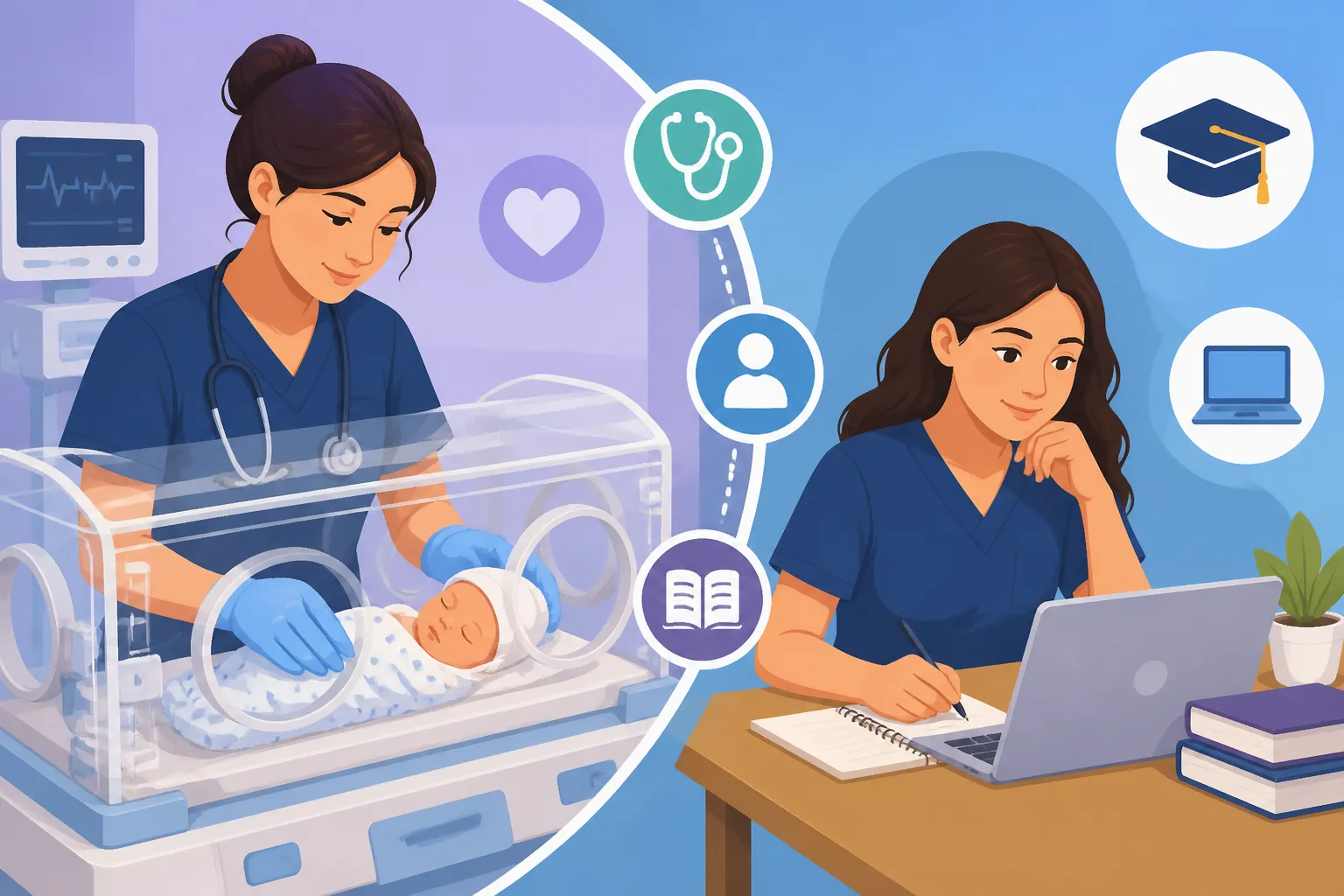
A day in the life of a NICU nurse is anything but routine. Your shift might involve meticulously monitoring vital signs, administering complex medications through tiny IVs, managing ventilators for infants struggling to breathe, and assisting with intricate procedures. You'll be skilled in assessing subtle changes in a baby's condition, from slight color variations to minute shifts in their breathing patterns, and knowing when to escalate concerns to the medical team. This requires a sharp eye and keen critical thinking skills.
Beyond the technical aspects, a huge part of the role involves supporting the parents. Imagine the emotional rollercoaster of a new parent whose baby is in the NICU; they're often scared, exhausted, and overwhelmed. You'll be teaching them about their baby's condition, explaining treatments, and empowering them to participate in their child's care, whether it's through skin-to-skin contact (kangaroo care) or learning how to read their baby's cues. This profound level of emotional support, while deeply rewarding, can also be one of the most challenging aspects of the job. You're caring for two patients at once: the baby and the family unit.
NICU Nurse Salary and Career Outlook
It’s completely natural to wonder about the financial aspects when considering a demanding specialty like NICU nursing. The good news is that becoming a NICU nurse offers a strong and stable career path with competitive compensation. However, like most nursing roles, the exact figures can vary quite a bit depending on several key factors.
Factors Influencing NICU Nurse Pay
Several elements come into play when determining a NICU nurse's salary. First and foremost, location is a huge factor. States with a higher cost of living, like California, New York, or Massachusetts, often offer higher salaries to compensate. For instance, a NICU nurse in Los Angeles might earn significantly more than one in a smaller city in the Midwest, even with similar experience. You can delve deeper into how geography impacts earnings by exploring resources like what to expect regarding Nurse Salary in California: What to Expect.
Experience also plays a crucial role. A new graduate nurse stepping into a NICU residency will typically start at a lower hourly wage than a seasoned NICU nurse with five or ten years of experience and advanced certifications. Speaking of certifications, obtaining specialized credentials like the RNC-NIC (Neonatal Intensive Care Nursing) through organizations like the National Certification Corporation (NCC) can demonstrate your expertise and often lead to a pay bump. While not always a direct requirement for entry-level positions, a certification signals a higher level of commitment and specialized knowledge. Finally, the type of facility matters; a large, academic medical center with a Level IV NICU might offer different pay scales and benefits compared to a smaller community hospital.
Here’s a general overview of salary ranges for NICU nurses:
| Experience Level | Average Annual Salary (Approx.) | Key Factors Affecting Range |
|---|---|---|
| Entry-Level (0-2 years) | $65,000 – $80,000 | Geographic location, hospital size, BSN vs. ADN |
| Mid-Career (3-9 years) | $75,000 – $95,000 | Experience, certifications (e.g., RNC-NIC), shift differentials |
| Experienced (10+ years) | $90,000 – $120,000+ | Advanced certifications, leadership roles (e.g., Charge Nurse), specialized units |
Note: These figures are approximate and can vary widely based on the factors mentioned above, and specific economic conditions.
The Bright Future for NICU Nursing
The demand for skilled nurses, especially in specialized fields like the NICU, remains consistently strong. The U.S. Bureau of Labor Statistics projects a healthy job growth for registered nurses overall, and given the increasing complexity of medical care for newborns and the ongoing need for highly trained professionals, NICU nursing is a specialty with excellent job security. Hospitals are continuously expanding and upgrading their neonatal units, especially those seeking or maintaining Magnet Status, which often prioritizes highly qualified, BSN-prepared nurses.
Beyond traditional bedside roles, a NICU background can open doors to other rewarding opportunities. You might transition into a NICU nurse educator role, training the next generation of neonatal nurses. Some experienced NICU nurses move into leadership positions, becoming charge nurses, nurse managers, or clinical nurse specialists. Others pursue advanced practice degrees like a Neonatal Nurse Practitioner (NNP) or even a Pediatric Nurse Practitioner, which allow them to take on more independent roles in diagnosing and treating critically ill newborns. It’s a career path rich with possibilities for growth and continued impact.
How to Embark on Your Journey to Become a NICU Nurse
Deciding to become a NICU nurse is a monumental step, and the path, while challenging, is well-defined. It involves dedicated education, gaining critical hands-on experience, and often, pursuing specialized certifications. It’s not a race, but a journey of continuous learning and skill development.
Foundational Education and Licensure
First things first: you need to become a registered nurse (RN). There are a couple of pathways to achieve this, typically starting with either an Associate's Degree in Nursing (ADN) or a Bachelor of Science in Nursing (BSN). While an ADN can get your foot in the door and allow you to take the NCLEX-RN exam, a BSN is increasingly preferred, and often required, by hospitals, especially those with advanced specialty units like the NICU. Many nurses who start with an ADN will pursue an Online RN to BSN Programs: Complete Guide while working, as it expands their career opportunities and clinical knowledge.
Once you’ve completed your nursing program, the next critical step is to pass the NCLEX-RN examination. This is your licensure exam, and it’s a rigorous test of your foundational nursing knowledge and critical thinking skills. Many aspiring nurses find great success preparing for their NCLEX-RN exam with robust study tools like Uworld, which offers extensive question banks and rationales crucial for grasping complex nursing concepts and improving test-taking strategies. Passing the NCLEX is non-negotiable for becoming a licensed RN and moving forward with your career goals.
Gaining Experience and Specialized Training
After obtaining your RN license, gaining hands-on experience is paramount. While some new grads may secure positions directly in a NICU residency program (especially if they had relevant clinical rotations), it's often more realistic to start in a related area. Many aspiring NICU nurses begin their careers on a general pediatric floor, a Mother-Baby unit, or even an adult medical-surgical unit to build strong foundational nursing skills in assessment, medication administration, and patient care. This initial experience, typically 1-2 years, provides an invaluable base of knowledge before transitioning to the highly specialized environment of the NICU.
Once you have a solid foundation, you can start applying for NICU positions. Many hospitals offer specialized new graduate residency programs specifically for the NICU, which provide intensive training, mentorship, and a structured orientation period to help you adapt to the demands of neonatal care. As you gain experience, consider pursuing certifications like the RNC-NIC. These certifications are a mark of expertise and a commitment to continued learning, often enhancing your professional standing and career prospects. Study platforms such as Uworld can also provide resources for preparing for advanced nursing certifications once you have established your clinical practice.
Essential Skills and Qualities for NICU Nurses
Being a NICU nurse is more than just performing tasks; it requires a unique blend of technical proficiency and deeply personal attributes. It's a field that constantly challenges you to grow, both professionally and personally.
Beyond Clinical Acumen: The Soft Skills That Matter
Of course, mastering clinical skills like IV insertion, ventilator management, and medication calculation for tiny patients is fundamental. However, the truly exceptional NICU nurses possess a robust set of "soft skills" that are equally vital. Empathy, for example, isn't just a buzzword here; it's the ability to truly connect with distraught parents, to understand their fears, and to communicate complex medical information in a way that is clear, compassionate, and reassuring. Strong communication skills are also crucial for collaborating effectively with a multidisciplinary team—doctors, respiratory therapists, social workers, dieticians—to ensure seamless, holistic care for each infant.
Resilience is another non-negotiable trait. Working in the NICU involves immense emotional highs and lows. You will celebrate incredible milestones, but you will also experience heartbreaking losses. The ability to process these experiences, to lean on your colleagues, and to practice self-care is essential to prevent burnout and maintain your capacity for compassion. Attention to detail is paramount, as even the smallest error can have significant consequences for these vulnerable patients. Every calculation, every assessment, and every intervention must be performed with meticulous accuracy.
Continuous Learning and Professional Development
The field of neonatal care is constantly evolving with new research, technologies, and best practices. A good NICU nurse understands that their education doesn't stop after graduation or even after gaining initial experience. Continuous learning is embedded in the role. This means staying updated on the latest evidence-based practices through journals, attending conferences, and participating in hospital-based training programs. Pursuing advanced certifications like the RNC-NIC is a concrete way to demonstrate this commitment. Many nurses choose to advance their education further by pursuing a Master of Science in Nursing (MSN) or even a Doctor of Nursing Practice (DNP), often specializing in areas like Neonatal Nurse Practitioner Specializations Explained.
Additionally, peer support and mentorship are invaluable. Learning from experienced NICU nurses, sharing insights, and debriefing after challenging shifts helps hone your skills and builds a strong support network. This dedication to lifelong learning and professional growth not only benefits your patients but also keeps your passion for this incredibly demanding, yet profoundly rewarding, specialty alive. You can explore various pathways to continued education, including Online MSN Programs: Complete Guide, to see how you can further specialize and grow your career.
Disclaimer
Please remember that the information provided in this guide is intended for informational purposes only and does not constitute professional medical or educational advice. Specific requirements for nursing programs, licensure, and employment can vary by state and institution. Always consult with official academic advisors, state boards of nursing, and healthcare facility human resources departments for the most accurate and up-to-date information regarding your personal career path.