Nursing Specialties That Avoid Bedside Care
Let's be real, the bedside can be brutal. Long shifts, heavy patient loads, emotional toll, physical demands – it’s a recipe for burnout that too many dedicated nurses experience. If you’re a nurse who loves the profession but finds yourself yearning for a career path that keeps you in healthcare without the constant grind of direct patient care, you are far from alone. This comprehensive guide is here to explore a variety of nursing specialties that allow you to leverage your invaluable skills and experience while stepping away from the bedside.
The Push Towards Non-Bedside Nursing: Why Nurses Are Making the Shift
The call to nursing is often a deeply personal one, driven by a desire to help others, advocate for patients, and be at the forefront of care. Yet, the realities of bedside nursing in hospitals and clinics can be incredibly demanding. Many nurses, even those who initially thrive in fast-paced environments like the ICU or ER, eventually seek a different kind of challenge or a more sustainable work-life balance. It’s not a lack of passion, but often a desire for career longevity and a different way to contribute.
Acknowledging Burnout and Mental Health
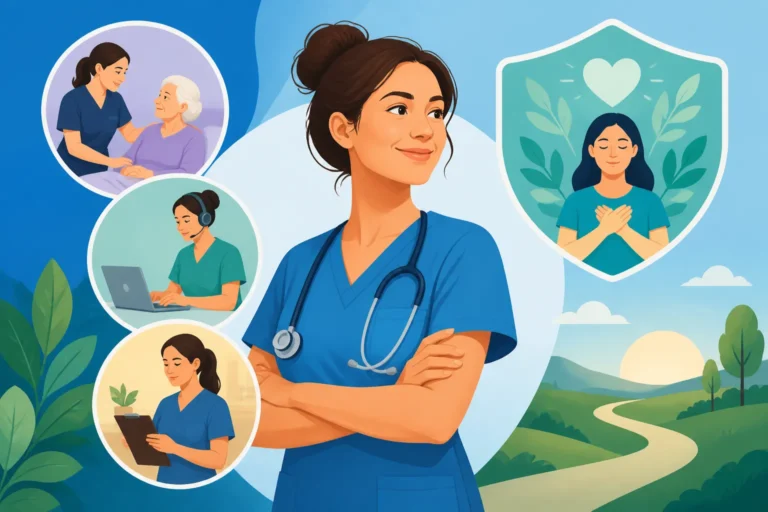
One of the biggest drivers for nurses seeking non-bedside roles is the pervasive issue of burnout. The COVID-19 pandemic only exacerbated existing staffing shortages, moral distress, and the emotional burden on frontline healthcare workers. Nurses frequently report feeling undervalued, overworked, and emotionally drained. When you're constantly dealing with life-or-death situations, complex family dynamics, and a healthcare system that often feels stretched thin, it’s understandable to look for an exit ramp that doesn't mean leaving nursing entirely. Taking care of yourself is paramount, and sometimes that means changing your environment.
Leveraging Experience in New Ways
After years of gaining invaluable clinical experience, many nurses realize their skills are highly transferable and sought after in other areas of healthcare. The critical thinking, problem-solving, patient advocacy, and communication skills honed at the bedside are precisely what many non-bedside roles require. For example, a nurse who has spent a decade in medical-surgical nursing understands patient flow, discharge planning, and care coordination inside and out. These are the exact insights needed for roles like case management or utilization review. It’s about recognizing that your nursing brain is a powerful asset, regardless of whether you're performing direct physical care.
Clinical Roles That Step Away from Direct Patient Care
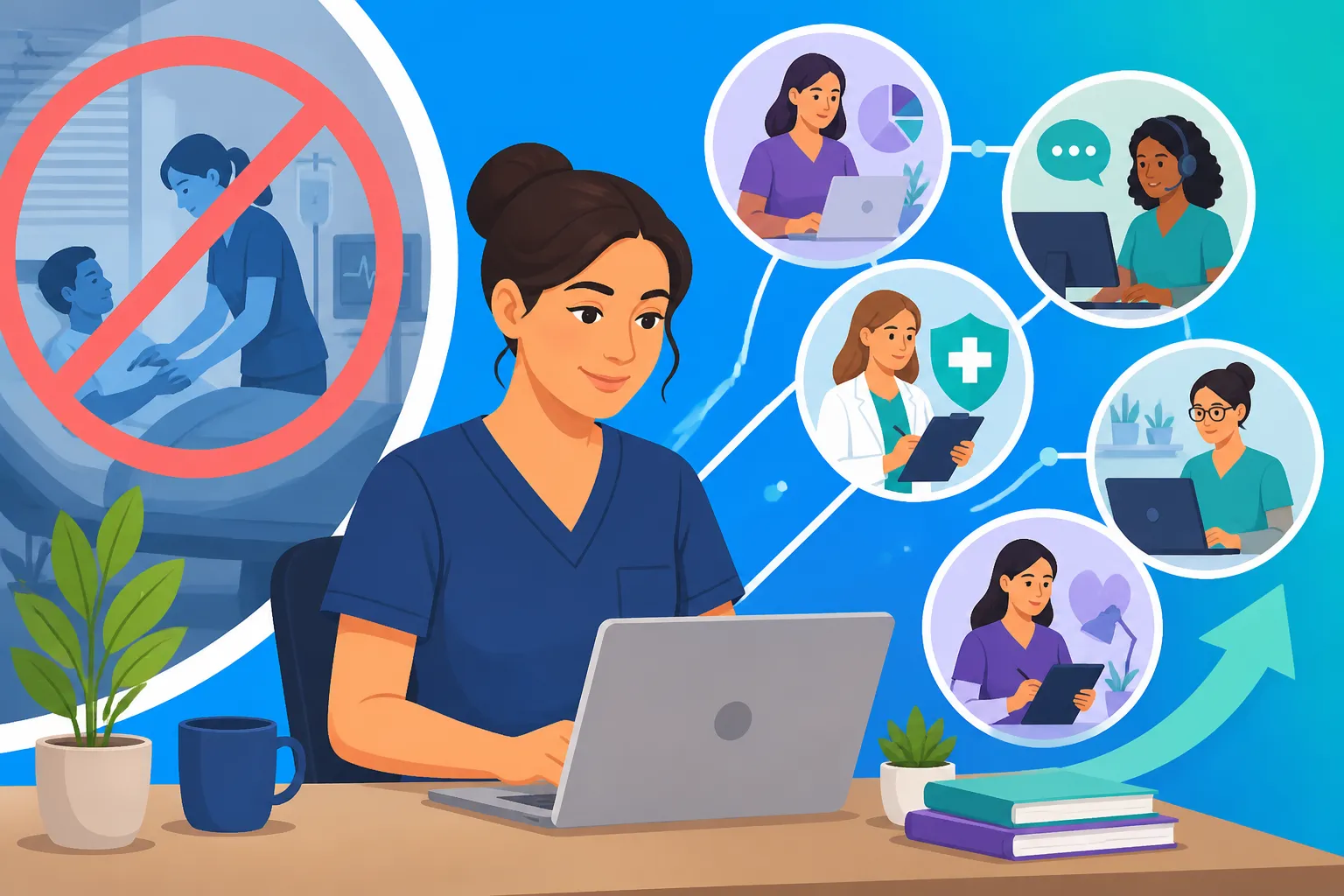
Many rewarding nursing roles still operate within the healthcare system but significantly reduce or eliminate direct, hands-on patient care. These positions often focus on system-level improvements, coordination, education, or administrative oversight, leveraging your clinical understanding in a different capacity.
Case Management and Care Coordination
This is a classic non-bedside role where nurses truly shine. As a case manager, you're the orchestrator of a patient's journey through the healthcare system, ensuring they receive appropriate, timely, and cost-effective care. You might work with patients across various settings—in a hospital, a rehabilitation center, or even from a remote office setting. Your day involves assessing patient needs, developing care plans, advocating for services, and communicating with patients, families, and interdisciplinary teams.
The beauty of case management is its focus on the holistic picture of a patient's health and social determinants. You're not administering medications or doing wound care, but you are directly impacting their well-being by ensuring continuity of care and access to resources. This role often requires strong organizational skills, excellent communication, and a deep understanding of healthcare systems and insurance. Becoming a How to Become a Case Management Nurse is a common transition for experienced bedside nurses looking for this type of impact.
Nursing Informatics
If you're a nurse who loves technology, data, and improving processes, nursing informatics might be your calling. Nurse informaticists act as a crucial bridge between clinical practice and information technology. You might be involved in designing, implementing, and optimizing electronic health records (EHRs), developing new clinical decision support tools, or analyzing data to improve patient outcomes and efficiency.
Imagine helping to design an EHR system that makes it easier for nurses to document care, or developing alerts that prevent medication errors. That's the power of informatics. This role typically requires a Bachelor of Science in Nursing (BSN) and often a Master of Science in Nursing (MSN) with a specialization in informatics. An MSN Nursing Informatics Track is a popular path for those interested in this field, and it’s a specialty that continues to grow in demand. For those interested in the technical side, learning How to Become a Nurse Informaticist can open many doors.
Utilization Review and Quality Improvement
Nurses in utilization review (UR) ensure that patients receive the right care at the right time in the most appropriate setting. They review patient records to determine medical necessity for admissions, procedures, and continued stays, often interacting with insurance companies. This is all about advocating for the patient while also ensuring appropriate resource allocation. Similarly, nurses in quality improvement (QI) analyze processes and outcomes to identify areas where healthcare delivery can be made safer, more efficient, and more effective.
These roles are vital for patient safety and cost containment. They require a keen eye for detail, a strong understanding of clinical guidelines, and the ability to critically analyze patient data. While you might consult with physicians or other healthcare providers, your work is primarily desk-based, involving chart review and policy application. Your clinical expertise helps you understand the nuances of patient conditions, making you an invaluable asset in these administrative, yet clinically grounded, positions.
Infection Control and Employee Health
For nurses with a passion for public health and disease prevention, roles in infection control or employee health offer significant impact away from direct bedside care. An infection control nurse monitors trends, implements prevention strategies, educates staff, and investigates outbreaks within a healthcare facility. They are the guardians of patient and staff safety against infectious diseases.
Employee health nurses, on the other hand, focus on the well-being of healthcare workers themselves. This can include managing occupational exposures, conducting pre-employment health screenings, coordinating immunizations, and promoting workplace safety. Both roles require a strong foundation in epidemiology, public health, and organizational policies, allowing you to use your nursing knowledge to protect entire populations within a facility.
Non-Clinical Roles Utilizing Nursing Expertise
Beyond the hospital walls and direct clinical administration, there's a vast world of non-clinical roles where your nursing expertise is highly valued. These positions often involve education, advocacy, business, or regulatory functions, utilizing your unique perspective as a healthcare professional.
Nurse Educator and Academic Roles
If you have a knack for teaching and mentoring, becoming a nurse educator might be your calling. This role allows you to shape the next generation of nurses, teaching in nursing schools, developing curriculum, and guiding students through their clinical experiences. While you're not at the bedside with patients, you're still deeply embedded in the nursing profession, fostering critical thinking and clinical competence.
Nurse educators can work in various settings, from community colleges to university nursing programs, and even within healthcare organizations as staff development educators. An MSN Nurse Educator Track is often the educational pathway for these positions, providing you with the pedagogical skills and advanced nursing knowledge needed to excel. For many, it's a way to give back to the profession and address the ongoing nursing faculty shortage, all while enjoying a more predictable schedule and intellectual challenges outside of direct patient care.
Legal Nurse Consulting and Medical Writing
For nurses who love research, critical analysis, and the legal system, legal nurse consulting offers a fascinating career path. As a How to Become a Legal Nurse Consultant, you act as an expert liaison between the legal and medical worlds. You review medical records, interpret medical terminology and standards of care, identify deviations from those standards, and help attorneys understand the medical aspects of cases such as personal injury, medical malpractice, or workers' compensation.
Similarly, medical writers use their clinical knowledge to create clear, accurate, and concise documents for a variety of audiences. This could involve writing educational materials for patients, research articles, regulatory documents for pharmaceutical companies, or content for medical websites. Both roles require meticulous attention to detail, strong analytical skills, and the ability to translate complex medical information into understandable language. These positions are often remote or office-based, offering significant flexibility and intellectual stimulation.
Pharmaceutical and Medical Device Sales
Believe it or not, your nursing background can be a massive asset in the pharmaceutical and medical device industries. Sales representatives with a nursing degree have a distinct advantage: they truly understand the clinical challenges healthcare providers face and can speak their language. You're not selling just a product; you're often educating clinicians on how a new medication or device can improve patient outcomes and integrate into their practice.
While this is a sales role, it's heavily rooted in education and relationship-building. You might demonstrate new equipment, provide in-service training to hospital staff, or discuss research data with physicians. It's a dynamic field that offers the chance to stay connected to medical advancements and interact with diverse healthcare professionals, all without the direct demands of bedside patient care.
Public Health Nursing and School Nursing
Public health nurses work to prevent disease and promote health within communities, rather than focusing on individual patients in a hospital setting. This can involve conducting health screenings, administering immunizations, educating groups on health topics, tracking disease outbreaks, or developing health programs for specific populations. Their impact is broad, focusing on the health of entire communities. If you're passionate about preventative care and population health, this could be a great fit. You can learn more about a career as a Public Health Nurse: Role, Salary, and How to Start.
School nurses are also excellent examples of non-bedside roles that blend clinical skills with public health and education. They are often the primary healthcare provider within a school, managing acute injuries and illnesses, administering medications, developing care plans for students with chronic conditions, and providing health education. While they provide direct care for students, it's typically within a less acute, more predictable environment than a hospital.
Transitioning into Your Ideal Non-Bedside Specialty
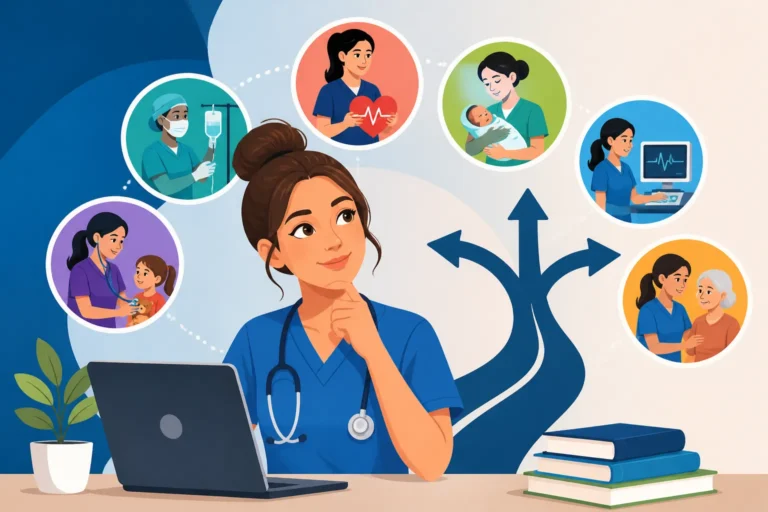
Making the leap from bedside to a non-bedside role often feels daunting, but with a strategic approach, it's entirely achievable. It's about recognizing your strengths, identifying any gaps in your knowledge, and actively seeking out opportunities.
Education and Certifications
While many non-bedside roles, especially entry-level ones in case management or utilization review, will accept an ADN or BSN with relevant experience, advancing your education can significantly broaden your opportunities. Many specialized non-bedside roles, like nurse informaticists or nurse educators, typically require a master's degree. Exploring options like Online RN to BSN Programs: Complete Guide or a specific MSN program can be a great step.
Certifications are also crucial. For example, a Certified Case Manager (CCM) credential can boost your standing in case management. The ANCC offers certifications in various specialties, including informatics and professional development. These certifications demonstrate a specialized body of knowledge and commitment to a particular field. Even if you're not at the bedside, staying sharp on core nursing knowledge for certifications or general practice is key. Resources that help solidify this knowledge, like those from Uworld, can be invaluable even when your daily tasks move away from direct patient care. They help ensure your foundational understanding of nursing principles remains robust.
Gaining Relevant Experience
Sometimes, a direct transition isn't possible, and you might need to build bridges. For instance, if you're interested in quality improvement, look for opportunities on your current unit or hospital to participate in QI committees or projects. If informatics piques your interest, volunteer to be a super-user for a new EHR implementation. These experiences, even if they are supplemental to your bedside role, build your resume and show initiative.
Networking is also incredibly powerful. Talk to nurses who are already in the roles you're interested in. Ask them about their daily responsibilities, the skills they use, and how they got there. Informational interviews can provide invaluable insights and connections. Don't underestimate the power of simply asking for advice or guidance from those who have successfully made the transition.
Crafting a Targeted Resume and Interview Skills
When applying for non-bedside roles, your resume needs to highlight transferable skills, not just clinical tasks. Instead of listing "administered medications," focus on "managed complex medication regimens for diverse patient populations." Emphasize your communication skills, problem-solving abilities, project management experience (even if it was a small unit initiative), and any leadership roles.
During interviews, be prepared to articulate why you want to move away from the bedside and how your clinical experience makes you uniquely qualified for the non-bedside role. Show enthusiasm for the new area and demonstrate that you've done your homework. For instance, if interviewing for an informatics position, discuss how you've identified system inefficiencies in your current role and ideas you have for improvement. Showing you understand the new role's challenges and how you can contribute is crucial. Preparing for interviews, much like preparing for nursing exams, benefits from structured practice and review, ensuring you articulate your strengths effectively.
Here's a quick look at some non-bedside specialties:
| Specialty Type | Example Role | Typical Duties | Education/Certification Often Required | Pros | Cons |
|---|---|---|---|---|---|
| Clinical | Case Manager | Coordinate patient care, advocate for services, discharge planning | BSN preferred, CCM certification | Focus on holistic care, patient advocacy, less physical demands | Can be high-stress, navigating complex systems, insurance denials |
| Clinical | Nurse Informaticist | EHR design/optimization, data analysis, clinical system support | MSN in Informatics, ANCC certification | Blend of nursing and tech, system-wide impact, intellectual | Requires tech proficiency, can be abstract, less patient interaction |
| Clinical | Utilization Review Nurse | Review medical necessity, ensure appropriate care, communicate with insurers | BSN, sometimes specific UR experience | Analytical, focuses on standards of care, office-based | Can be adversarial with providers/insurers, desk-bound |
| Non-Clinical | Nurse Educator | Teach nursing students, curriculum development, staff training | MSN in Education, CNE certification | Mentoring, shaping future nurses, academic environment, predictable | Less direct patient impact, academic demands, lower starting pay |
| Non-Clinical | Legal Nurse Consultant | Analyze medical records for legal cases, expert witness, provide medical summaries | BSN, LNC certification | Intellectual challenge, flexible, remote work often available | Requires meticulous attention to detail, can be emotionally taxing |
| Non-Clinical | Public Health Nurse | Community health promotion, disease prevention, health education | BSN, MPH often beneficial | Broad impact, preventative focus, community engagement | Can be lower pay, less autonomy than some roles, public funding issues |
No matter which path you choose, remember that your nursing foundation is incredibly strong. You’ve seen things, you’ve learned things, and you have a unique perspective that is valuable across the entire healthcare spectrum. Exploring new horizons in nursing isn't stepping away from your calling; it's finding new ways to answer it.
Disclaimer
Please remember that the information provided in this guide is for informational purposes only and should not be considered as professional career or financial advice. Educational requirements, job markets, and salary expectations can vary widely based on location, institution, experience, and current industry demands. Always verify specific program details, accreditation, and professional licensing requirements with the relevant authorities and institutions.