Nursing Specialties with Weekends Off
Let's be real, the siren song of a consistent weekend off is a melody many nurses dream of hearing. After years, or even just months, of juggling rotating shifts, working holidays, and missing out on family gatherings or friends' events because of that ever-present Saturday/Sunday rotation, the thought of a regular Monday-to-Friday schedule feels like a luxurious fantasy. This guide is for every nurse who's tired of explaining why they can't make plans and is ready to explore nursing specialties that offer that coveted weekend freedom.
Understanding the Weekend Grind in Nursing
It's not just in your head—the nursing profession often demands dedication far beyond the typical 9-to-5, Monday-to-Friday work week. For many, this means a constant battle to maintain a semblance of work-life balance.
The Reality of Hospital-Based Nursing Schedules
If you've worked in acute care, especially in hospitals, you know the drill. Those 12-hour shifts, often rotating between days and nights, are challenging enough on their own. But add in the expectation of working every other weekend, or even more frequently in some facilities, and you're looking at a lifestyle that can feel incredibly disruptive. You might find yourself scheduling doctors' appointments for your "work week" off days, or planning family visits around your unpredictable string of shifts. It’s hard to commit to a yoga class, a child's soccer game, or even just a consistent sleep schedule when your work days constantly shift. The impact isn't just on your social life; it can take a real toll on your mental and physical health, contributing to burnout and chronic fatigue. For instance, a nurse working at a busy Level I trauma center in downtown Los Angeles might find themselves constantly adjusting their entire life to fit the demands of rotating shifts, often missing out on weekend adventures or quiet time at home.
Why Weekend Work is Often Inevitable in Acute Care
The simple truth is that patient care doesn't stop for weekends or holidays. Hospitals, emergency rooms, intensive care units, and labor and delivery wards operate 24 hours a day, 7 days a week. This constant demand means that nursing staff must always be present to provide critical care. Staffing models in these environments are designed to ensure continuous coverage, which inevitably includes weekends. When you combine this inherent need for round-the-clock care with the ongoing nursing shortage in many areas, the pressure to cover weekend shifts intensifies. It's not uncommon for nurses to pick up extra shifts, sometimes on weekends, to help their team or to earn additional income through shift differentials. While these roles are vital and incredibly rewarding, they typically don't offer the luxury of consistent weekend breaks.
Nursing Specialties Offering Consistent Weekends Off
If you're dreaming of reclaiming your weekends, know that there are indeed many nursing paths that diverge from the traditional hospital schedule. These roles often emphasize health promotion, education, administration, or specialized outpatient care.
Outpatient Clinics and Physician Offices
One of the most straightforward ways to gain your weekends back is by transitioning to an outpatient setting. These environments typically operate during standard business hours, meaning Monday through Friday, often from 8 AM to 5 PM or similar. You'll find roles like a clinic nurse, office nurse, or even a specialized procedural nurse in settings such as:
- Family Practice and Internal Medicine Clinics: These are the bread and butter of outpatient nursing, focusing on routine check-ups, chronic disease management, and minor acute illnesses. Nurses here help with patient intake, vital signs, administering vaccinations, medication refills, and patient education.
- Specialty Clinics: Think dermatology, ophthalmology, cardiology, or gastroenterology offices. Nurses in these settings assist specialists, prepare patients for procedures, provide pre- and post-procedure instructions, and manage patient flow. For example, a nurse in a bustling ophthalmology practice in Seattle will likely have a Monday-Friday schedule, assisting with eye exams and minor in-office procedures.
- Urgent Care Centers (sometimes): While some urgent care centers operate on weekends, many are scaling back or offering different staffing models that might still include opportunities for weekday-only work, especially for experienced nurses.
In these roles, you're still providing direct patient care, but the pace and predictability are often vastly different from a busy hospital floor. You're typically home in time for dinner, and your weekends are truly your own.
School Nursing and Public Health
If you thrive on working with specific populations and making a community-wide impact, school nursing and public health roles are fantastic avenues for consistent weekend freedom.
- School Nursing: Imagine a job that follows the academic calendar. School nurses typically work during school hours, Monday through Friday, and often enjoy holidays, spring breaks, and summers off, just like the teachers! You'll manage student health records, administer medications, respond to emergencies, educate students and staff on health topics, and act as a crucial link between school, home, and healthcare providers. It’s a rewarding role focused on preventive care and promoting a healthy learning environment. Becoming a school nurse often requires specific certifications or a BSN, and it's a specialty many love for its predictable schedule. If you're looking for information on how to prepare for exams for certifications that help you transition, resources like Uworld are invaluable for comprehensive review materials to ensure you're up to date on your nursing knowledge, regardless of the specialty.
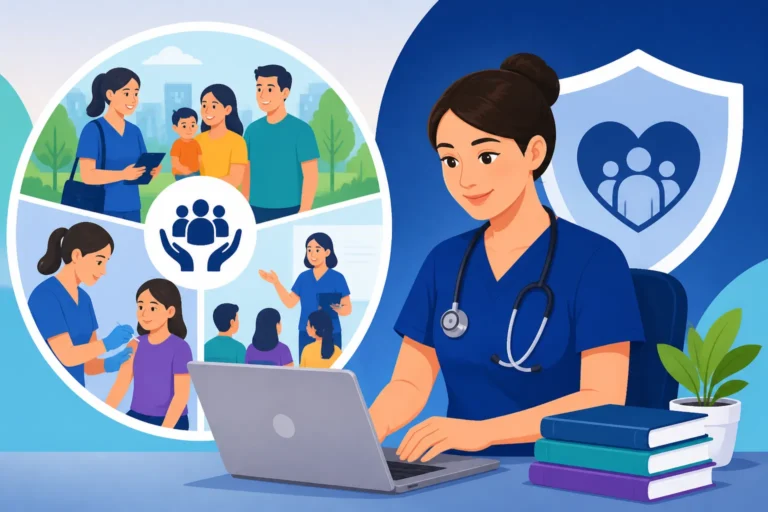
- Public Health Nursing: These nurses work for local or state health departments, community clinics, or non-profit organizations. Their focus is on population health, disease prevention, and health promotion. Roles can include maternal-child health, communicable disease investigation, immunization clinics, health education, and policy advocacy. The schedules are almost exclusively Monday-Friday, standard business hours. For instance, a public health nurse working for the Fulton County Health Department in Georgia might spend their weekdays running immunization clinics or conducting community outreach programs, without any weekend shifts on the horizon. This type of role often aligns with a focus on community well-being, as discussed in the article How to Become a Public Health Nurse.
Nursing Informatics and Telehealth
For nurses who are drawn to technology, data, and innovative healthcare delivery, roles in nursing informatics and telehealth offer exciting opportunities for predictable, often remote, work without weekend commitments.
- Nursing Informatics: This specialty bridges nursing science, computer science, and information science. Informatics nurses optimize healthcare processes, manage electronic health records (EHRs), train staff on new systems, and analyze data to improve patient outcomes. These roles are almost always Monday-Friday, business hours, and many are entirely remote or hybrid. It's a fantastic option if you're looking to leverage your clinical knowledge in a non-bedside capacity, and it offers excellent opportunities for career advancement. You might find yourself working for a major hospital system, a software company like Epic or Cerner, or even a healthcare consulting firm, all with standard weekday schedules. To explore how to make this transition, you might want to read How to Become a Nurse Informaticist.
- Telehealth Nursing: With the rise of virtual care, telehealth nurses provide patient care remotely through phone, video, or chat platforms. This can involve triaging symptoms, providing health education, managing chronic conditions, or coordinating care. Many telehealth positions offer incredibly flexible schedules, often Monday-Friday, and can be fully remote. This means you could be providing care from your home office in Phoenix, Arizona, connecting with patients across the state, all while enjoying your evenings and weekends off. These roles are a great fit for nurses who enjoy patient interaction but prefer a more controlled environment.
Occupational Health and Corporate Nursing
Working within a corporate or industrial setting provides another avenue for a weekend-free schedule, focusing on employee wellness and workplace safety.
- Occupational Health Nursing: These nurses work for companies, factories, or large organizations to promote employee health and safety. Their duties might include conducting pre-employment screenings, managing workplace injuries and illnesses, administering vaccinations, providing health education, and ensuring compliance with occupational safety regulations. Because they support a business that typically operates during weekday business hours, their schedules usually align, offering consistent weekends off. For example, an occupational health nurse at a large manufacturing plant in Detroit would work standard business hours, addressing employee health needs during the work week.
- Corporate Nursing: Similar to occupational health, these roles are often within larger corporations, focusing on executive health programs, wellness initiatives, or even managing health benefits and claims. They are typically administrative or consultative in nature, offering stable, weekday schedules.
Nurse Education and Academic Roles
If you have a passion for teaching and shaping the next generation of nurses, roles in education can offer a highly desirable schedule.
- Nurse Educator: Whether you're a clinical instructor guiding students in a hospital setting, or a classroom educator teaching theory at a university or community college, these roles often come with the perk of consistent weekends off. Academic positions typically follow the school calendar, meaning you'll have scheduled breaks and holidays. While clinical instruction might involve some varied hours depending on student placements, the overall structure is far more predictable than direct patient care in acute settings. Pursuing an MSN Nurse Educator Track is a common path to these roles, allowing you to combine your clinical expertise with a passion for teaching. These positions are critical for keeping our healthcare workforce strong and educated.
Strategies for Transitioning to a Weekend-Free Nursing Role
Making a career shift from direct bedside care to a specialty with predictable hours can feel daunting, but it's absolutely achievable with the right approach and planning.
Identifying Your Transferable Skills
Don't underestimate the wealth of skills you've already accumulated. Even if you're moving from an intensive care unit to a public health role, many of your core competencies are highly valuable:
- Assessment and Critical Thinking: Your ability to quickly assess situations, prioritize care, and make sound clinical judgments is crucial in any nursing role, whether you're at the bedside or triaging calls for a telehealth company.
- Communication: Nurses are expert communicators, interacting with patients, families, and interdisciplinary teams. This skill is vital for patient education in clinics, collaborating with community organizations in public health, or training staff on new systems in informatics.
- Patient Education: You already teach patients about medications, procedures, and discharge instructions daily. This experience is directly applicable to school nursing, public health, and even corporate wellness roles.
- Organizational Skills and Documentation: Your meticulous charting and ability to manage multiple tasks simultaneously are prized in administrative, informatics, and clinic settings.
When applying for new positions, tailor your resume and cover letter to highlight these transferable skills, framing your experience in a way that directly addresses the needs of the non-bedside role. Think about how your time management, empathy, and problem-solving abilities honed through years of direct patient care can benefit a different type of nursing environment.
Exploring Advanced Education and Certifications
Sometimes, making the jump to a new specialty, especially one with a more predictable schedule, involves additional education or specialized certifications. This is an investment in your future work-life balance and career growth.
- Bachelor of Science in Nursing (BSN): While many ADN-prepared nurses excel, some of the more advanced or administrative roles, particularly in public health, informatics, or education, prefer or even require a BSN. If you're an ADN nurse considering this, looking into options like Online RN to BSN Programs: Complete Guide can be a great first step.
- Master of Science in Nursing (MSN): An MSN can open doors to leadership, education, and informatics roles. For instance, an MSN Nursing Informatics Track or an MSN Nurse Educator Track can directly prepare you for those Monday-Friday positions. An MSN also provides a strong foundation for various advanced practice roles, many of which can lead to more flexible or predictable hours, even if they aren't strictly 9-5. You can find comprehensive information on these paths in Online MSN Programs: Complete Guide.
- Specialty Certifications: Depending on the area, certifications can demonstrate your expertise and commitment. Examples include Certified Occupational Health Nurse (COHN), School Nurse Certification (CSN), or certifications in Ambulatory Care Nursing. These credentials can make your application stand out. While preparing for any certification exam, effective study tools are crucial. Many nurses rely on resources like Uworld for their comprehensive question banks and detailed rationales, which can be immensely helpful whether you're studying for your initial NCLEX or a specialty certification. This type of preparation can significantly boost your confidence and readiness, helping you secure that dream job.
Networking and Job Search Tips
The job search process for non-bedside roles can sometimes differ from traditional hospital applications.
- Leverage Your Network: Talk to nurses who have made similar transitions. Attend professional organization meetings related to the specialties you're interested in (e.g., American Association of Occupational Health Nurses, American Nursing Informatics Association). Informational interviews can provide invaluable insights and potential leads.
- Tailor Your Application: Generic resumes won't cut it. For a school nurse position, emphasize your pediatric experience, patient education skills, and ability to work independently. For an informatics role, highlight any experience with EHRs, data entry, or process improvement.
- Online Job Boards: Look beyond hospital career pages. Websites like Indeed, LinkedIn, and specialty-specific job boards often list positions in clinics, corporations, and academic institutions. Don't forget to specify "weekends off" or "day shift" in your search filters.
- Interview Strategy: During interviews, articulate your passion for the specific specialty and how your skills align with their needs. Don't be afraid to express your desire for a better work-life balance as a motivator for seeking a role with a predictable schedule.
Weighing the Pros and Cons of Weekend-Free Nursing
While the appeal of consistent weekends off is strong, it's important to consider all aspects of such a career transition to ensure it aligns with your long-term professional and personal goals.
The Benefits of a Predictable Schedule
The advantages of a nursing role with consistent weekends off extend far beyond just having Saturdays and Sundays free.
- Improved Work-Life Balance: This is often the primary driver. Imagine being able to consistently plan family outings, pursue hobbies, or simply relax without the constant dread of an impending night shift or weekend rotation. You can attend your child's weekend sporting events, schedule consistent appointments, or nurture personal relationships with far greater ease.
- Reduced Burnout Potential: The cumulative stress of unpredictable schedules, sleep deprivation, and high-acuity patient care is a major contributor to nursing burnout. A more stable routine can significantly alleviate this, leading to better mental health and overall well-being. Knowing what to expect from your week can bring a profound sense of calm and control back into your life.
- Consistent Sleep Patterns: For many shift workers, a regular sleep schedule is a myth. Switching to a Monday-Friday routine allows your body's circadian rhythm to normalize, leading to better quality sleep and increased energy during your waking hours.
- Enhanced Personal and Professional Development: With more predictable free time, you might find it easier to pursue further education, like an Accelerated BSN Programs Explained if you're a second-degree student, or engage in professional organizations, take online courses, or even simply read more for pleasure. This ability to invest in yourself can pay dividends in your career and personal life.
Potential Downsides and Considerations
As with any career move, there can be trade-offs. It's important to go into a weekend-free role with realistic expectations.
- Potential Pay Cut: Many acute care nursing roles, especially in hospitals, offer shift differentials for working evenings, nights, and weekends. Moving to a Monday-Friday position often means foregoing these additional pay incentives. While the base salary might still be strong, your overall take-home pay could be less if you heavily relied on those differentials or overtime opportunities, a topic often discussed when considering Is an RN to BSN Worth It for career advancement. However, it's worth weighing the value of your time and well-being against the financial difference. For many, the mental health benefits outweigh a slight decrease in earnings.
- Less Direct Patient Care: If you thrive on the adrenaline and hands-on nature of bedside nursing, some of these roles might feel less clinically engaging. Informatics, education, and some public health roles involve more administrative, teaching, or analytical tasks than direct patient interaction. While still incredibly impactful, it's a different kind of reward. You might miss the immediate gratification of helping a patient through a crisis.
- Shift in Skill Set: While transferable skills are abundant, these new roles will require you to develop new competencies. For instance, an informatics nurse will need to become proficient in specific software, data analysis, and project management. A public health nurse might delve deeper into epidemiology and community resource navigation. This learning curve can be exciting, but it's a commitment.
- Fewer Overtime Opportunities: If you're accustomed to picking up extra shifts for additional income, those opportunities might be significantly reduced or non-existent in a Monday-Friday setting. Budgeting and financial planning might need adjustments to account for a more fixed income.
Ultimately, the decision to pursue a weekend-free nursing specialty is a deeply personal one. It's about weighing what you value most in your career and personal life. For those craving predictability, stability, and a consistent work-life balance, these specialties offer a clear path to achieving that elusive weekend freedom.
| Specialty Type | Typical Schedule | Direct Patient Care Level | Salary Potential | Weekend Work Expectation |
|---|---|---|---|---|
| Outpatient/Clinic Nurse | M-F, business hours (e.g., 8 AM – 5 PM) | High (individual patient interaction) | Moderate | Rare to None |
| School Nurse | School calendar, M-F, school hours | Moderate (students, staff, parents) | Moderate | Rare to None |
| Public Health Nurse | M-F, business hours | Moderate (community outreach, clinics) | Moderate | Rare to None |
| Nursing Informatics | M-F, business hours, often remote/hybrid | Low (systems, data, training) | High | Rare to None |
| Telehealth Nurse | M-F, flexible, often remote | High (virtual patient interaction) | Moderate to High | Rare to None |
| Occupational Health Nurse | M-F, business hours (aligned with company) | Moderate (employee health, injury) | Moderate | Rare to None |
| Nurse Educator | Academic calendar, M-F (some clinicals vary) | Low (students, classroom) | Moderate to High | Rare to None |
Disclaimer
The information provided in this article is intended for general informational purposes only and does not constitute professional career, financial, or medical advice. Specific program requirements, costs, and career outcomes can vary significantly by institution, location, and individual circumstances. Always consult with academic advisors, career counselors, and financial aid professionals for personalized guidance relevant to your situation.