Nursing Specialties with Regular Hours
Let's be real: the unpredictable nature of nursing shifts can be absolutely draining. Many of us have felt that relentless churn of rotating days, nights, weekends, and holidays, making it tough to maintain a personal life, commit to appointments, or simply get a consistent night's sleep. This guide is here to shine a light on nursing specialties that genuinely offer more regular, predictable hours, helping you find that much-needed work-life balance without leaving the profession you love.
The Quest for Predictable Hours in Nursing
The stereotype of a nurse working 12-hour shifts, constantly rotating schedules, and missing family events is often painfully accurate for many in acute care settings. While the flexibility of varied shifts can be a perk for some, for others, it's a major source of burnout and frustration. We're talking about more than just personal preference; inconsistent schedules can seriously impact your physical health, mental well-being, and relationships. It’s hard to plan anything when your schedule changes every few weeks, right? This often leads to a search for roles that offer stability, predictability, and a chance to truly separate work from life.
The Impact of Irregular Shifts on Nurses
The human body thrives on routine. When you're constantly flipping between day and night shifts, your circadian rhythm gets completely thrown off, leading to sleep deprivation, fatigue, and an increased risk of health issues. Think about trying to attend your child's school play after working a night shift, or scheduling a doctor's appointment that doesn't get canceled because your schedule suddenly changed. It’s not just an inconvenience; it can feel like your personal life is constantly on hold. Many nurses report feeling isolated from friends and family who work traditional 9-to-5 jobs, making it harder to socialize and maintain connections. It's a silent struggle that impacts countless dedicated healthcare professionals.
Why Work-Life Balance Matters More Than Ever
In today's fast-paced world, work-life balance isn't just a buzzword; it's a necessity for long-term career sustainability in nursing. A predictable schedule means you can consistently plan for childcare, pursue hobbies, schedule personal appointments, and actually recharge. This kind of stability can dramatically reduce stress and prevent the kind of burnout that drives many talented nurses away from the bedside entirely. It empowers you to be a better nurse when you're at work, knowing you're also taking care of yourself and your loved ones outside of it. The ability to forecast your availability can open doors to furthering your education, perhaps by enrolling in an online RN to BSN program, without the added stress of constantly shifting commitments.
Nursing Specialties Offering Regular Hours
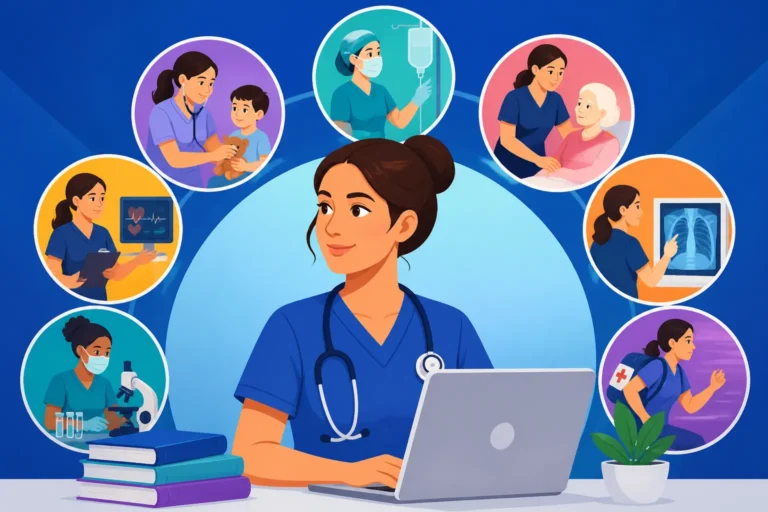
Thankfully, the nursing profession is vast and diverse, with many roles that deviate from the traditional hospital shift work. These specialties often operate during standard business hours, Monday through Friday, giving you back your evenings and weekends. Let's explore some of these options in detail.
School Nursing
Becoming a school nurse is often cited as the gold standard for predictable hours. Imagine working the same hours your kids are in school, having summers off, and enjoying holidays and snow days. It's a dream for many. A school nurse's day typically mirrors the school calendar, meaning you're usually done by mid-afternoon, with no nights or weekends required. Your primary role involves managing student health needs, administering medications, responding to emergencies, educating students and staff on health topics, and maintaining health records. You become a vital member of the school community, providing essential care and support. The educational setting provides a much calmer pace than an emergency room, allowing for more planned interventions and less unpredictable crisis management. To learn more about this path, check out our guide on How to Become a School Nurse.
Public Health Nursing
Public health nurses (PHN) focus on promoting health and preventing disease within entire communities. This often involves working for local health departments, community clinics, or non-profit organizations. Their roles typically involve regular business hours, as they conduct health screenings, provide immunizations, offer health education, and manage public health programs. While there might be occasional community events on weekends, these are usually planned well in advance and are the exception, not the rule. The work is incredibly rewarding, as you directly impact the well-being of populations, from managing disease outbreaks to ensuring access to care for vulnerable groups. This role often involves a lot of community engagement and advocacy, allowing for a diverse workday within a predictable schedule. If this sounds like a fit, explore How to Become a Public Health Nurse.
Clinic Nursing (Outpatient & Specialty Clinics)
Working in an outpatient clinic or a specialized physician's office, like a dermatology clinic, cardiology office, or urgent care center (though urgent care might have slightly extended hours), usually means standard daytime shifts. These settings rarely operate overnight or on major holidays. Nurses in these roles focus on patient assessments, assisting with minor procedures, managing appointments, patient education, and coordinating care. The pace can still be busy, but it's generally more structured than an inpatient hospital unit. You'll often find yourself building long-term relationships with patients, providing continuity of care within a much more predictable framework. For example, a nurse in a primary care clinic might work 8 AM to 5 PM, Monday through Friday, with a fixed lunch break.
Nurse Informaticist
If you love the idea of combining your clinical expertise with technology, a career as a nurse informaticist could be perfect for you, and it almost exclusively offers regular office hours. These nurses are the bridge between clinical practice and information technology, designing, implementing, and optimizing electronic health records (EHR) systems and other healthcare technologies. They train staff, analyze data to improve patient outcomes, and ensure that technology truly supports clinical care. This role is often based in an office setting, either within a hospital system's IT department or for a healthcare technology vendor. The demand for these highly specialized nurses is growing, and the work is often project-based, offering intellectual stimulation without the direct patient care demands or unpredictable hours of the bedside. Discover more about this exciting field in our article on How to Become a Nurse Informaticist.
Legal Nurse Consultant
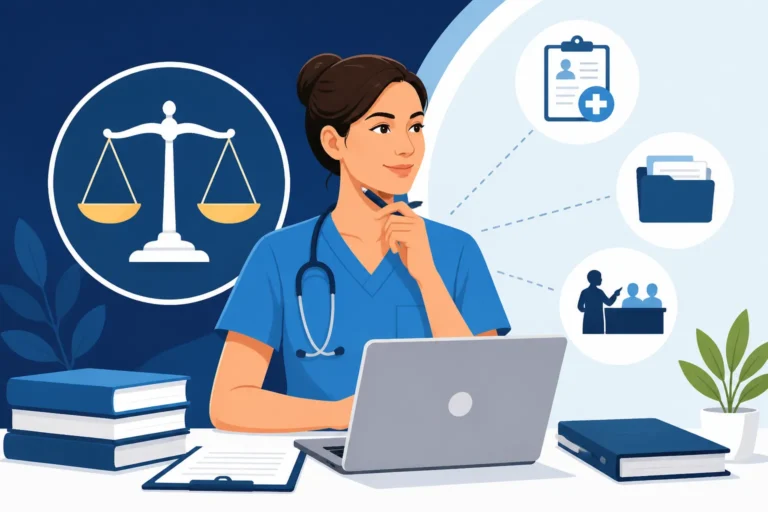
For nurses who enjoy critical analysis and detail-oriented work, becoming a legal nurse consultant offers a unique path with very regular hours. These professionals work with attorneys on medical-legal cases, providing expert analysis of medical records, identifying deviations from standards of care, and offering medical insights crucial to litigation. This is an office-based role, often working independently or within a law firm or consulting agency. Your nursing background is invaluable here, but your workday will be spent reviewing documents, researching, and writing reports, rather than administering patient care. It’s an intellectual challenge with a consistent schedule, appealing to those who want a significant change of pace from traditional nursing. Learn more about this specialty by reading How to Become a Legal Nurse Consultant.
Case Management Nursing
Case management nurses play a crucial role in coordinating patient care across various settings, often for insurance companies, hospitals, or private case management firms. Their goal is to ensure patients receive appropriate care efficiently, manage resources, and facilitate smooth transitions between different levels of care. While some case managers might visit patients in their homes or hospitals, a significant portion of the work is administrative, involving phone calls, documentation, and care planning. These roles typically adhere to Monday-to-Friday, daytime schedules, making them an excellent option for nurses seeking predictability. You’re still directly impacting patient outcomes, but from a more structured, often office-based or remote, environment. Our guide on How to Become a Case Management Nurse delves deeper into this role.
Occupational Health Nursing
Occupational health nurses work to promote health and safety in the workplace. They are often employed by large corporations, factories, or government agencies, providing first aid, managing worker's compensation claims, conducting health screenings, and implementing wellness programs. Their hours are almost always standard business hours, aligning with the operational hours of the business they serve. This role allows you to use your clinical skills in a preventive and reactive capacity, focusing on employee well-being within a structured corporate environment. It’s a great way to combine your passion for health with a stable, predictable schedule.
Transitioning to a Specialty with Regular Hours
Making the switch to a nursing specialty with more predictable hours might seem daunting, but it's absolutely achievable with strategic planning and a clear understanding of the requirements. It’s not just about finding a job; it’s about aligning your skills and career goals with opportunities that offer the lifestyle you desire.
Evaluating Your Current Skills and Experience
Before diving into applications, take stock of your existing nursing skills. Many of the specialties mentioned, like school nursing or public health, value strong assessment, communication, and organizational skills. For roles like nurse informaticist or legal nurse consultant, your critical thinking, analytical abilities, and perhaps an aptitude for technology or research will be key. Consider what you enjoy most about nursing and how those strengths can translate to a new environment. If you've enjoyed patient education in your current role, for example, that's a huge asset for public health or school nursing.
Identifying Educational and Certification Needs
Some roles might require specific certifications or even advanced degrees. For instance, while an RN license is the foundation for all these roles, becoming a certified school nurse often involves specific state requirements and additional coursework or certification exams. For specialties like nursing informatics, pursuing a Master of Science in Nursing (MSN) with a specialization in informatics or a relevant certification can significantly boost your prospects. When preparing for certification exams, resources like Uworld can be incredibly helpful, offering practice questions and rationales that mimic the real exam experience, ensuring you're well-prepared. Always research the specific requirements for the roles you're interested in, as they can vary by state and employer. Our article on Nursing Certifications by Specialty can provide more detailed information.
Networking and Job Search Strategies
Networking is critical, especially when transitioning into less traditional nursing roles. Attend professional conferences, join specialty nursing organizations (like the National Association of School Nurses or the American Association of Legal Nurse Consultants), and connect with nurses already working in your desired field. Informational interviews can provide invaluable insights into a day-to-day role and uncover unadvertised opportunities. When searching for jobs, use specific keywords related to the specialty, such as "occupational health nurse," "clinic RN," or "nurse case manager," rather than just "registered nurse." Don't forget to tailor your resume and cover letter to highlight skills relevant to the new specialty, emphasizing any experience that demonstrates your suitability for a more structured, daytime role. You might also want to explore our guide on How to Switch Nursing Specialties for more comprehensive advice.
Important Considerations for Choosing a Predictable Specialty
While the allure of regular hours is strong, it's essential to consider all aspects of a new specialty to ensure it's truly the right fit for you. Every nursing role has its unique challenges and rewards.
Salary Expectations and Earning Potential
It’s a common misconception that nursing specialties with regular hours automatically mean lower pay. While some entry-level positions might not match the overtime potential of an acute care hospital nurse, many specialized roles offer competitive salaries. For example, a nurse informaticist or a legal nurse consultant with experience and advanced certifications can command a very respectable income. Even in school nursing, while the starting salary might be lower, the benefits of consistent hours, holidays, and summers off can be a significant non-monetary perk that outweighs a higher hourly wage with an unpredictable schedule. It's crucial to research average salaries for your desired specialty in your geographic area. You can find more details on general nursing salaries in our Nursing Degrees and Salaries Explained article.
Required Personality Traits and Work Environment
Consider if your personality and work preferences align with the environment of a less traditional nursing role. If you thrive on the fast pace and critical decision-making of an ICU, a quiet office-based role might feel too slow. Conversely, if you prefer independent work, problem-solving, and a structured day, a role in informatics or legal consulting could be incredibly fulfilling. School nursing, for instance, requires a passion for working with children and excellent independent judgment, often with less direct supervision than a hospital floor. Public health nursing demands strong community engagement skills and an understanding of population health trends. Think about what truly motivates you and where you feel you can make the biggest impact.
Long-Term Career Growth and Advancement
Just because a role offers regular hours doesn't mean it lacks opportunities for growth. Many of these specialties have clear career ladders. A clinic nurse could become a clinic manager or specialize further. A public health nurse might move into leadership roles within a health department or pursue a Master's in Public Health (MPH). Nurse informaticists are in high demand and can advance to senior analyst or leadership positions. Legal nurse consultants can become expert witnesses or build their own consulting firms. Consider if the specialty offers avenues for continued learning, leadership, or even pursuing advanced practice roles in the future. For example, some nurses leverage the stability of a 9-to-5 role to pursue an MSN or DNP, which could open doors to even more advanced and specialized positions, as discussed in Highest-Paying Nursing Specialties.
| Specialty | Typical Hours | Primary Focus | Key Skills | Potential Environment |
|---|---|---|---|---|
| School Nurse | Monday-Friday, daytime, school calendar | Managing student health, first aid, health education, medication administration. | Independent judgment, child health knowledge, communication, education. | Public/private schools |
| Public Health Nurse | Monday-Friday, daytime | Community health promotion, disease prevention, health screenings, education. | Community assessment, program planning, advocacy, cultural competence. | Local health departments, community clinics, non-profits |
| Outpatient Clinic Nurse | Monday-Friday, daytime | Patient assessment, assisting with procedures, patient education, care coordination. | Assessment, patient education, organization, efficiency. | Physician offices (e.g., cardiology, dermatology), urgent care centers, specialty clinics |
| Nurse Informaticist | Monday-Friday, office hours | Designing/optimizing EHRs, data analysis, staff training, technology implementation. | Analytical thinking, technology proficiency, communication, problem-solving. | Hospital IT departments, healthcare tech companies, consulting firms |
| Legal Nurse Consultant | Monday-Friday, office hours | Medical record analysis, expert reports, litigation support, research. | Critical thinking, attention to detail, strong writing, research. | Law firms, independent consulting, insurance companies |
| Case Management Nurse | Monday-Friday, daytime | Coordinating patient care, resource management, discharge planning, advocacy. | Organization, communication, problem-solving, knowledge of resources. | Hospitals, insurance companies, managed care organizations, remote |
| Occupational Health Nurse | Monday-Friday, business hours | Workplace health and safety, first aid, wellness programs, worker's comp. | Assessment, emergency response, health education, regulatory knowledge. | Corporations, manufacturing plants, government agencies |
Ultimately, finding a nursing specialty with regular hours is about creating a sustainable and fulfilling career. It means prioritizing your well-being, leveraging your skills in new ways, and being open to diverse opportunities within the expansive world of nursing.
Disclaimer
The information provided in this guide is intended for general informational purposes only and does not constitute professional medical, legal, or educational advice. While we strive to offer accurate and up-to-date content, nursing requirements, salaries, and job markets can vary significantly by location, institution, and individual qualifications. Always consult with official academic advisors, state boards of nursing, and professional organizations for the most current and specific guidance regarding your career path.