ICU Nurse: Role, Salary, and How to Start
The Intensive Care Unit (ICU) is often seen as the heart of any hospital, a place where life-and-death decisions unfold constantly, and nurses work tirelessly to bring patients back from the brink. It's an incredibly challenging yet deeply rewarding environment, and it’s completely understandable if you’re curious about stepping into this high-stakes world, or perhaps feeling a bit overwhelmed by the prospect. This comprehensive guide is here to shed light on what it truly means to be an ICU nurse, covering the demanding role, the compensation you can expect, and the concrete steps you can take to embark on this specialized and vital career path.
What Exactly Does an ICU Nurse Do?
Being an ICU nurse isn't just a job; it's a calling that requires a unique blend of clinical expertise, emotional resilience, and a lightning-fast ability to react to ever-changing patient conditions. You're caring for the sickest of the sick, those whose lives literally hang in the balance, and every decision you make has significant implications.
A Day in the Life: The High-Stakes Environment
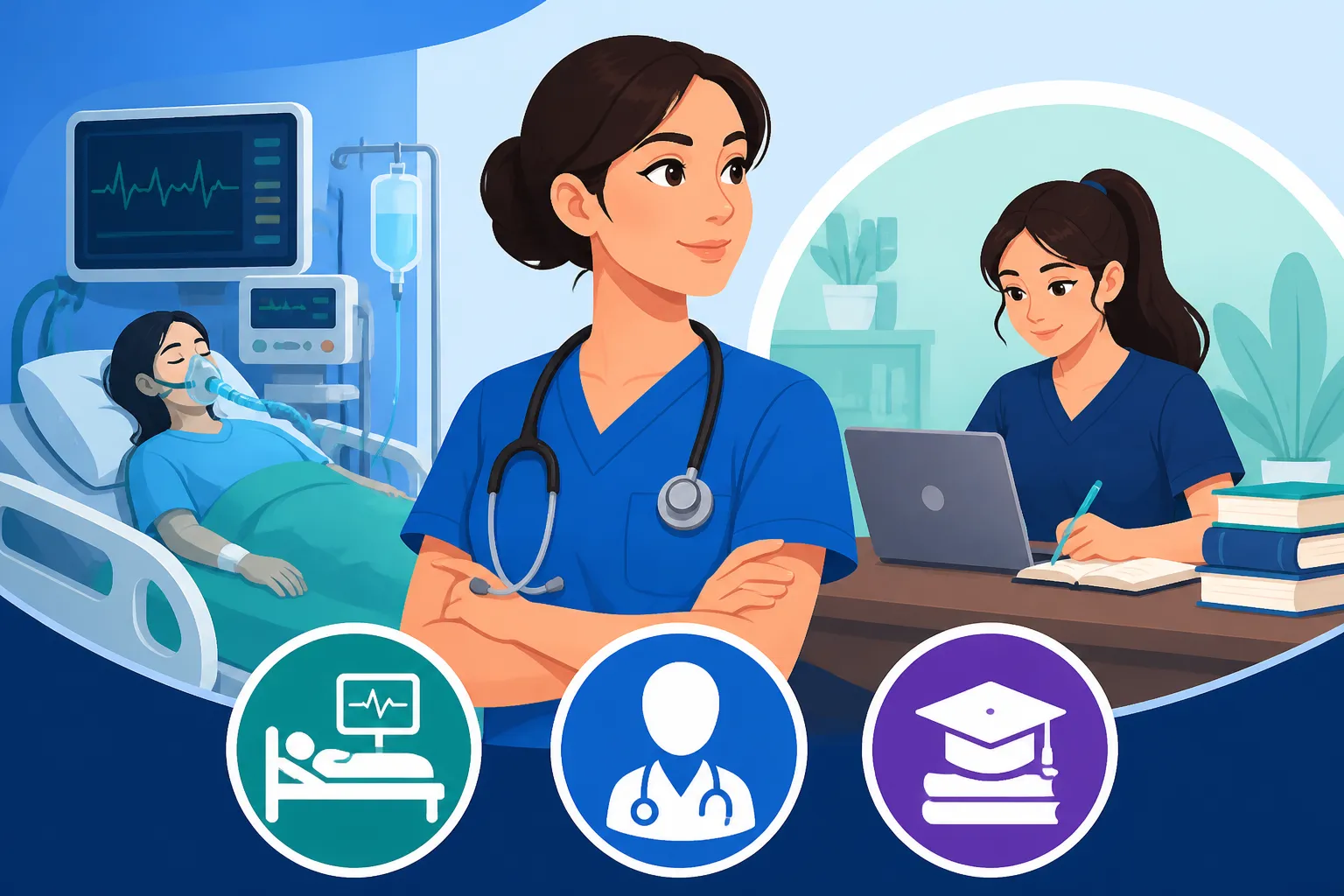
Imagine starting your shift in a busy downtown hospital, like Massachusetts General in Boston, or Cedars-Sinai in Los Angeles. You receive a detailed report on your patients – perhaps a post-operative cardiac surgery patient with complex hemodynamic monitoring, another with severe sepsis on multiple vasopressors, and someone else recovering from a traumatic brain injury requiring constant neurological assessments. Your day isn't just about medications and charting; it’s about being a detective, a rapid responder, and a compassionate advocate, often all at once.
You'll be managing ventilators, arterial lines, central venous catheters, and continuous renal replacement therapy (CRRT) machines. You’re constantly monitoring vital signs, titrating life-sustaining medications down to the microgram, and performing intricate assessments that can detect subtle changes before they become full-blown crises. It's not uncommon for an ICU nurse to be the first to notice a critical change in a patient's rhythm on the cardiac monitor, initiating life-saving interventions like CPR or preparing for intubation. The pace can be relentless, with moments of calm punctuated by intense, adrenaline-fueled emergencies, such as a "code blue" where every second counts. You're not just observing; you're actively intervening, managing complex equipment, and collaborating closely with intensivists, residents, respiratory therapists, and other specialists.
The Essential Skills and Qualities
Working in the ICU demands a very specific set of skills and personal attributes. First and foremost, exceptional critical thinking is paramount. You need to quickly synthesize vast amounts of data, identify patterns, anticipate potential complications, and make sound clinical judgments under pressure. This isn't just about memorizing protocols; it's about truly understanding the "why" behind every intervention and being able to adapt when a patient doesn't follow the textbook.
Attention to detail is another non-negotiable trait. In the ICU, a tiny change in a lab value or a subtle shift in a patient's breath sounds can signal a major problem. You must be meticulous in medication administration, documentation, and assessment. Beyond the technical, strong communication skills are vital, not only for effective teamwork with the medical staff but also for providing clear, empathetic updates to anxious family members who are often navigating the most difficult moments of their lives.
Finally, an ICU nurse needs immense resilience and compassion. You will witness both triumphs and tragedies. You'll celebrate small victories with families when a patient starts to recover, but you will also experience the profound sorrow of losing a patient despite your best efforts. The emotional toll can be heavy, requiring a robust support system and self-care strategies to prevent burnout. Many nurses find that the ability to compartmentalize and process these experiences is crucial. If you're wondering how to develop these skills, dedicated programs like an Online RN to BSN Programs: Complete Guide can help lay the groundwork for advanced practice.
The Financial Side: ICU Nurse Salary Expectations
Let's be real: nursing is hard work, and you deserve to be compensated fairly for your expertise and dedication, especially in a high-acuity environment like the ICU. The good news is that ICU nurses generally command higher salaries than many other nursing specialties due to the complexity and intensity of their role. However, how much you actually bring home can vary quite a bit.
Factors Influencing ICU Nurse Pay
Several significant factors play into an ICU nurse's salary. Experience, as with any profession, is a major one. A new graduate nurse stepping into a residency program will earn less than an ICU nurse with five years of experience and specialized certifications. Location is arguably the biggest game-changer. Nurses working in high cost-of-living areas, like metropolitan centers in California (think San Francisco or Los Angeles), New York City, or certain parts of Washington state, tend to earn considerably more than their counterparts in more rural or lower cost-of-living regions. For instance, the average registered nurse salary in California can be significantly higher than the national average, often exceeding $120,000 annually for experienced professionals, with ICU nurses often at the higher end of that spectrum.
The type of facility also matters. Large university hospitals or specialized critical care centers often offer higher pay and better benefits packages than smaller community hospitals. Furthermore, certifications like the Critical Care Registered Nurse (CCRN) designation, along with advanced degrees, can increase your earning potential. Taking on extra shifts, working nights or weekends, or accepting "charge nurse" responsibilities also comes with additional differential pay, boosting your overall income. It's also worth noting that many hospitals now prefer, and sometimes require, BSN-prepared nurses for critical care roles, which can impact starting salaries, as outlined in our discussion on Why Hospitals Prefer BSN Nurses.
Comparing ICU Nurse Salaries
While specific figures can fluctuate based on the factors mentioned above, the average annual salary for registered nurses in the United States typically falls in the range of $80,000 to $90,000. For ICU nurses, this average is often higher. Depending on your experience, location, and certifications, an ICU nurse can expect to earn anywhere from $75,000 for a new grad in a lower cost-of-living state to well over $150,000 for a highly experienced nurse in a top-paying region.
To give you a clearer picture, here's a general comparison:
| Nursing Role | Average Annual Salary Range (National) | Key Responsibilities |
|---|---|---|
| ICU Nurse | $85,000 – $130,000+ | Critical care, complex monitoring, life support, rapid response |
| Med-Surg Nurse | $70,000 – $95,000 | General patient care, post-op recovery, medication admin |
| Pediatric Nurse | $75,000 – $100,000 | Care for infants, children, and adolescents |
| ER Nurse | $80,000 – $120,000 | Emergency stabilization, trauma, rapid assessment |
| Public Health Nurse | $65,000 – $90,000 | Community health, education, disease prevention |
Note: These ranges are estimates and can vary significantly based on location, experience, and employer. For more detailed insights, you might check out our guide on How Much Do Nurses Make.
How to Become an ICU Nurse: Your Path to the Critical Care Unit
So, you're drawn to the intensity and reward of critical care. Great! Now, let's talk about the practical steps to turn that aspiration into a reality. It's a journey that requires dedication, continuous learning, and strategic career planning.
Foundational Education and Licensure
Your first step, no matter what nursing specialty you're aiming for, is to become a Registered Nurse (RN). This typically means earning either an Associate Degree in Nursing (ADN) or a Bachelor of Science in Nursing (BSN). While an ADN can get you started in nursing, a BSN is increasingly preferred, especially for competitive units like the ICU. Many hospitals are even requiring new hires to either have a BSN or be enrolled in an Online RN to BSN Programs: Complete Guide program within a certain timeframe. The BSN curriculum provides a stronger foundation in leadership, research, community health, and critical thinking, which are invaluable in the ICU.
Once you’ve completed your nursing program, you must pass the National Council Licensure Examination (NCLEX-RN) to obtain your nursing license. This exam is a critical hurdle, and many aspiring nurses find comprehensive review materials helpful. For instance, platforms like Uworld offer robust question banks and detailed explanations that can significantly aid in your NCLEX preparation, ensuring you’re well-equipped to tackle the exam with confidence. Once licensed, you’ll be ready to begin your nursing career.
Gaining Experience and Specialized Training
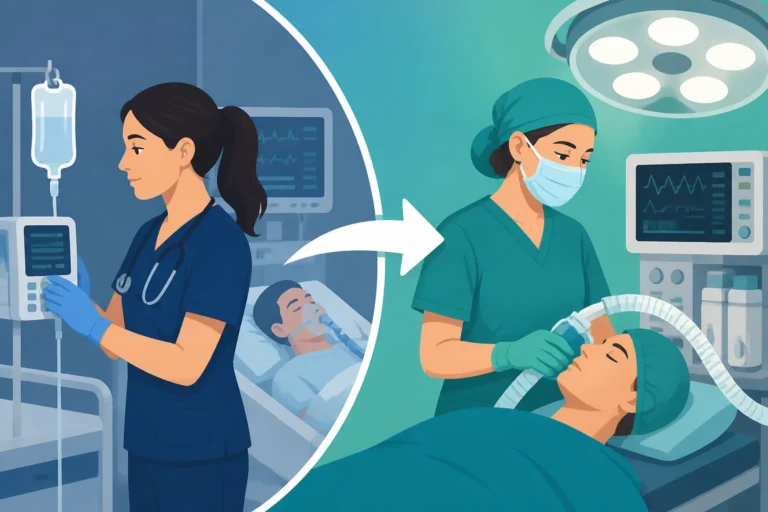
While some new graduate programs offer direct entry into critical care units, it's often highly competitive. Many nurses begin their careers in a medical-surgical (Med-Surg) unit. This general inpatient setting provides an excellent foundation in patient assessment, medication administration, time management, and collaborating with a healthcare team – all skills that are transferable and essential for the ICU. Spending 1-2 years in Med-Surg can build your confidence and clinical acumen.
After gaining some experience, look for opportunities that specifically cater to critical care. Many hospitals offer Nurse Residency Programs that include a rotation or dedicated track for ICU. These programs provide structured mentorship, specialized education, and hands-on training in the unique aspects of critical care nursing. During this phase, you'll delve into advanced cardiac life support (ACLS) and pediatric advanced life support (PALS) certifications, which are usually required for critical care roles. Programs like Accelerated RN to BSN Programs can also help experienced ADN nurses quickly bridge their education for greater opportunities.
Certifications That Make a Difference
Once you've spent some time working in critical care and feel confident in your skills, pursuing specialized certifications can significantly enhance your career and demonstrate your expertise. The most prominent certification for ICU nurses is the Critical Care Registered Nurse (CCRN) certification, offered by the American Association of Critical-Care Nurses (AACN). Earning your CCRN validates your knowledge and skills in caring for critically ill adult, pediatric, or neonatal patients. Many employers view this certification as a benchmark of excellence and may even offer higher pay or career advancement opportunities to CCRN-certified nurses.
Other valuable certifications for ICU nurses include:
- Trauma Nursing Core Course (TNCC): Focuses on the systematic assessment and intervention for trauma patients.
- Emergency Nursing Pediatric Course (ENPC): Equips nurses with the knowledge and skills to care for pediatric emergency patients.
- Stroke Certified Registered Nurse (SCRN): Demonstrates expertise in stroke care.
These certifications not only bolster your resume but also provide you with advanced knowledge and skills that directly impact patient outcomes. Continuously investing in your professional development, whether through certifications, continuing education units, or even pursuing higher education like an MSN vs DNP: Which to Choose, will ensure you remain at the forefront of critical care nursing. Many nurses find studying for these certifications, much like the NCLEX, can be enhanced with platforms that offer practice questions and detailed rationales, such as those provided by Uworld for various nursing exams.
Disclaimer
The information provided in this article is intended for general informational purposes only and does not constitute professional medical, financial, or educational advice. While we strive to provide accurate and up-to-date content, nursing roles, salaries, and educational requirements can vary significantly by location, institution, and individual circumstances. Always consult with qualified professionals for personalized advice regarding your career, education, and financial decisions.