Nursing Specialties for Career Changers
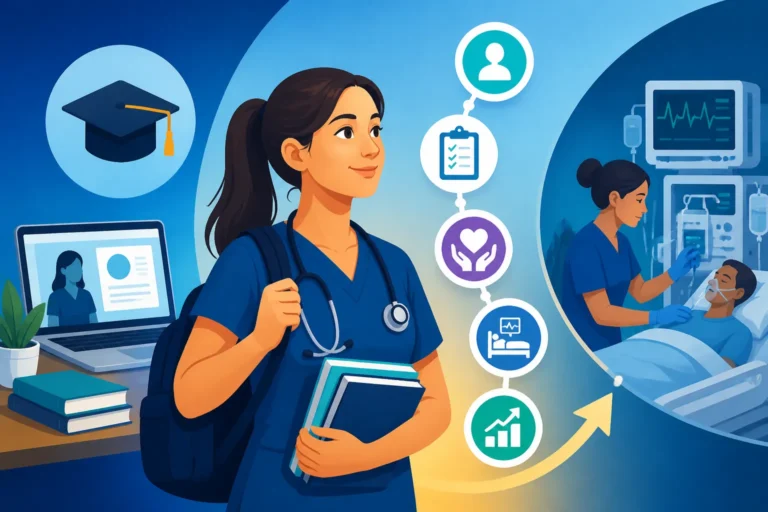
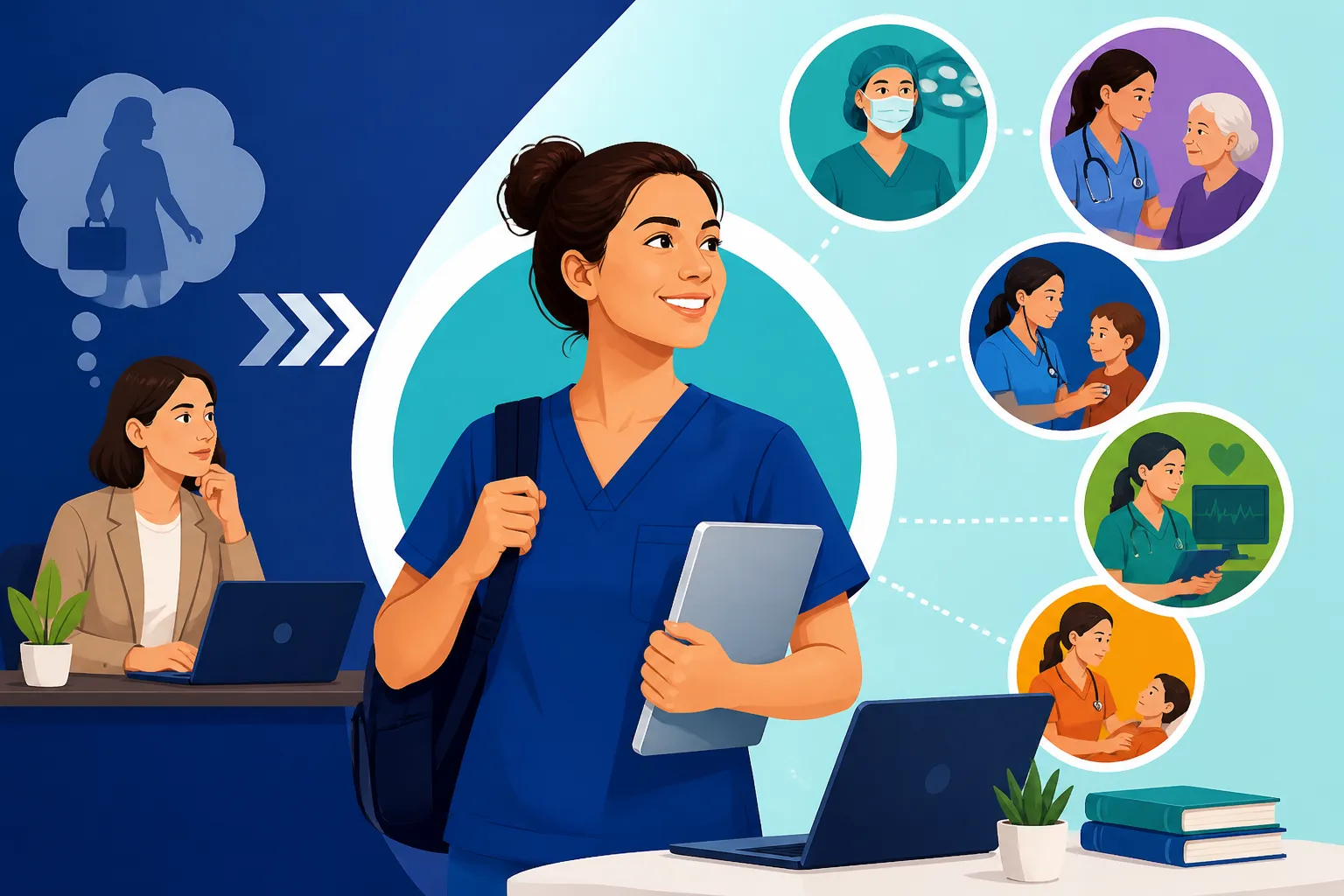
Deciding to embark on a nursing career later in life, perhaps after years in an entirely different field, can feel daunting. You might be wrestling with questions about whether your past experience is even relevant, how you’ll navigate the intense academic journey, and, most pressingly, which nursing specialty would truly be the best fit for your unique background and goals. This comprehensive guide is designed to cut through that confusion, helping you identify nursing specialties where your prior skills can shine and offering clear pathways to make that fulfilling career change a reality.
Understanding the Career Changer's Unique Position
Stepping into nursing as a career changer isn't the same as starting fresh out of high school. You bring a wealth of life experience, professional skills, and a mature perspective that can actually be a huge asset. However, it also comes with its own set of challenges, from balancing new studies with existing family or financial commitments to feeling like you're starting from scratch. Recognizing these unique aspects is the first step toward finding your ideal niche in nursing.
Leveraging Past Experience and Skills
One of the biggest advantages you have as a career changer is your prior professional and life experience. Think about the skills you've honed in your previous role, no matter how unrelated they might seem on the surface. Were you in customer service? That’s fantastic communication, empathy, and problem-solving experience. Did you manage projects in tech? Hello, organizational skills, critical thinking, and a knack for process improvement, all vital in nursing leadership or informatics. Even experience in a completely different field, like teaching or finance, can translate into invaluable soft skills such as patience, data analysis, and stress management. Don't underestimate these assets; they are often what makes career changers excel in patient advocacy, interdisciplinary teamwork, and complex care coordination. Many hospitals and healthcare systems actually value the diverse perspectives that career changers bring, seeing them as more adaptable and having a broader worldview.
Navigating the Transition Challenges
Let's be real, switching careers to nursing isn't always a smooth ride. You might be worried about the financial implications, especially if you're leaving a higher-paying job to go back to school. The time commitment for an Accelerated BSN Programs Explained or a Direct-Entry MSN Programs can be intense, challenging your work-life balance and potentially impacting family responsibilities. It’s also common to feel a sense of imposter syndrome, questioning if you truly belong in a field that seems so specialized and demanding. These are valid concerns, and you're not alone in feeling them. The key is to acknowledge these challenges upfront and strategically plan to mitigate them, perhaps by exploring RN to BSN Financial Aid Options or building a strong support network of fellow students and mentors. Many programs are designed specifically for individuals with a prior bachelor's degree, understanding these unique pressures.
Key Considerations When Choosing a Nursing Specialty
With literally dozens of nursing specialties out there, trying to pick one can feel like sifting through a mountain of options. It's not just about what sounds interesting, but what truly aligns with your strengths, your desired lifestyle, and the long-term career goals you envision for yourself. Taking the time to reflect on these considerations will make your decision much more informed and ultimately, more satisfying.
Personal Interests and Strengths
Your personal interests are incredibly important when choosing a nursing specialty, especially as a career changer. What did you enjoy about your previous work, or what aspects did you wish were different? If you thrive on quick thinking and high-stakes situations, perhaps emergency nursing or critical care could be a fit. If you prefer building long-term relationships and providing ongoing education, consider roles in community health or chronic disease management. Think about your innate strengths: are you a natural educator? Do you excel at organization and detail? Are you deeply empathetic and enjoy providing comfort? Match these qualities with the day-to-day realities of different nursing roles. For example, if you love technology and data, nursing informatics might pique your interest more than direct bedside care. Remember, this is your chance to pivot into something truly fulfilling, so lean into what genuinely excites you. You can dive deeper into the vast landscape of Nursing Specializations Explained to see what resonates.
Work-Life Balance and Schedule
For many career changers, especially those with families or other significant commitments, work-life balance is a huge factor. Not all nursing specialties demand the same intense schedule of 12-hour shifts, weekends, and holidays. Some roles, like school nursing or public health, often follow more traditional weekday hours. Others, such as nursing informatics or case management, might even offer remote or hybrid work options. If you're coming from a demanding corporate role where you felt constantly burned out, finding a specialty that allows for more predictable hours or less physical strain might be a priority. Consider whether you're a night owl or an early bird, if you need weekends free, or if you prefer a consistent schedule over varied shifts. These practical aspects profoundly impact job satisfaction and your ability to sustain a long and healthy nursing career. It's not about finding an "easy" path, but a sustainable one.
Growth Potential and Demand
While passion is paramount, it's also smart to consider the long-term growth potential and demand for different nursing specialties. The healthcare landscape is constantly evolving, and some areas are projected to experience significant growth in the coming years. For instance, an aging population means a rising need for geriatric care nurses, hospice nurses, and home health nurses. The increasing adoption of technology in healthcare fuels demand for Nursing Informatics Salary roles. Public health crises highlight the critical need for Public Health Nurse: Role, Salary, and How to Start professionals. Choosing a specialty with strong job growth can provide greater job security, more opportunities for advancement, and potentially higher earning potential down the line. It also means you’re more likely to find robust training programs and support systems as you enter the field. Researching the Nursing Job Outlook and Demand can give you a clearer picture of future prospects.
Top Nursing Specialties Often Suited for Career Changers
Now that we've covered the crucial considerations, let's look at some specific nursing specialties that often prove to be an excellent fit for career changers. These roles frequently value transferable skills, offer more predictable schedules, or provide unique avenues for professional growth outside of traditional acute care settings.
Community and Public Health Nursing
Community and public health nursing is a fantastic option for career changers who love working with diverse populations, have strong communication skills, and are passionate about prevention and health education. These nurses often work in clinics, schools, government agencies, or non-profit organizations, focusing on promoting health and preventing disease within specific communities. You might find yourself conducting health screenings, administering vaccinations, educating groups on managing chronic conditions, or coordinating care for vulnerable populations. The work is incredibly varied, often involves working regular hours, and allows you to build long-term relationships. If your previous career involved advocacy, teaching, or community engagement, these skills will translate directly. Moreover, this field often values individuals with a broad understanding of social determinants of health, something many career changers implicitly bring from their varied life experiences.
Informatics and Telehealth Nursing
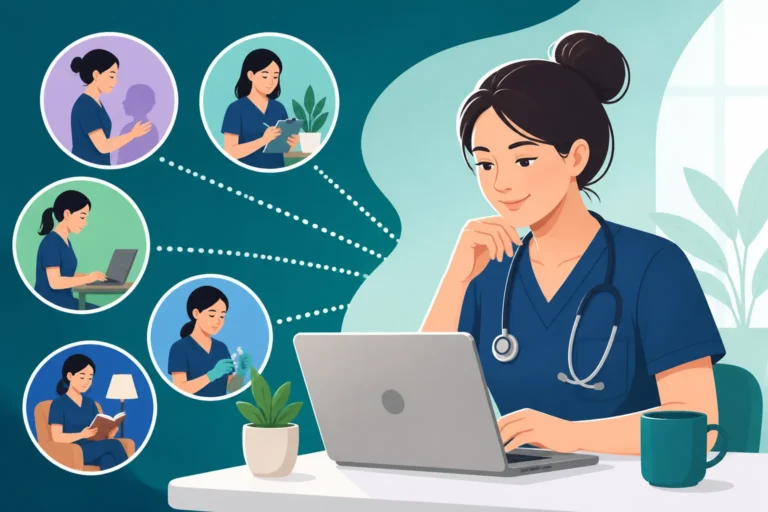
For career changers with a knack for technology, data analysis, or process improvement, nursing informatics and telehealth offer exciting opportunities. Nursing informaticists combine nursing knowledge with information technology to optimize healthcare systems, improve patient outcomes, and enhance efficiency. They might design electronic health records (EHRs), analyze data trends, or train staff on new technologies. Telehealth nursing, on the other hand, provides care remotely through virtual platforms, offering advice, managing chronic conditions, and performing assessments via video or phone. Both specialties typically involve office hours, often with the flexibility of remote work, making them highly attractive for those seeking a different pace than bedside care. Your problem-solving abilities, organizational skills, and even project management experience from a non-nursing background could make you an invaluable asset in these roles. If you're interested in how to become a nurse informaticist, there are clear paths to follow.
Hospice and Palliative Care Nursing
If your previous career or life experiences have fostered deep empathy, exceptional listening skills, and a calm, compassionate demeanor, hospice and palliative care nursing might be your calling. These nurses provide holistic care to patients with serious illnesses, focusing on comfort, pain management, and emotional and spiritual support for both the patient and their families. This field is incredibly rewarding but also emotionally demanding, requiring immense patience and resilience. Many career changers find profound meaning in this work, drawing on their life wisdom and ability to connect with people during vulnerable times. While some roles involve home visits, others are based in inpatient hospice facilities, offering a more structured environment. The focus here is less on curing and more on caring, an aspect that deeply resonates with many individuals seeking a profound human connection in their work. You can find more details on Hospice Nurse: Role, Salary, and How to Start.
School Nursing
Another excellent avenue for career changers, especially those with backgrounds in education, social work, or even parenting, is school nursing. School nurses are vital members of the educational team, providing healthcare services, promoting health and safety, and managing chronic conditions for students within a school setting. They administer medications, handle emergencies, conduct screenings, and serve as health educators and advocates. This specialty typically offers predictable weekday hours, aligning with the school calendar, which is a major draw for many who prioritize family time. If you have experience managing multiple tasks, communicating with parents and staff, and fostering a supportive environment, you're already halfway there. It’s a specialty where your organizational prowess and ability to handle unexpected situations can truly shine. To learn more about this fulfilling path, check out School Nurse: Role, Salary, and How to Start.
Here's a quick comparison of these career changer-friendly nursing specialties:
| Specialty | Typical Work Environment | Key Skills from Past Careers | Schedule Stability | Primary Focus |
|---|---|---|---|---|
| Community/Public Health Nursing | Clinics, schools, health departments, homes | Advocacy, education, communication | Generally regular, weekdays | Population health, prevention, education |
| Informatics Nursing | Office, remote, healthcare IT departments | Tech-savviness, data analysis, project management | Highly stable, weekdays, often remote | Healthcare tech, data, system optimization |
| Telehealth Nursing | Remote, call centers, clinics | Communication, problem-solving, tech proficiency | Stable, often remote/hybrid | Virtual patient care, advice, monitoring |
| Hospice & Palliative Care Nursing | Home, inpatient hospice facilities, hospitals | Empathy, active listening, compassion | Varied, but often flexible or facility-based | Comfort, quality of life, emotional support |
| School Nursing | K-12 schools | Education, organization, child development | Regular school hours & calendar | Student health, safety, health education |
Making the Transition: Education and Certification
Once you've zeroed in on a few potential nursing specialties, the next big question is: how do you actually get there? As a career changer, your educational path will likely differ from someone starting nursing school straight out of high school. Understanding these pathways and the importance of ongoing professional development is crucial for a successful transition.
Accelerated BSN or Direct-Entry MSN Paths
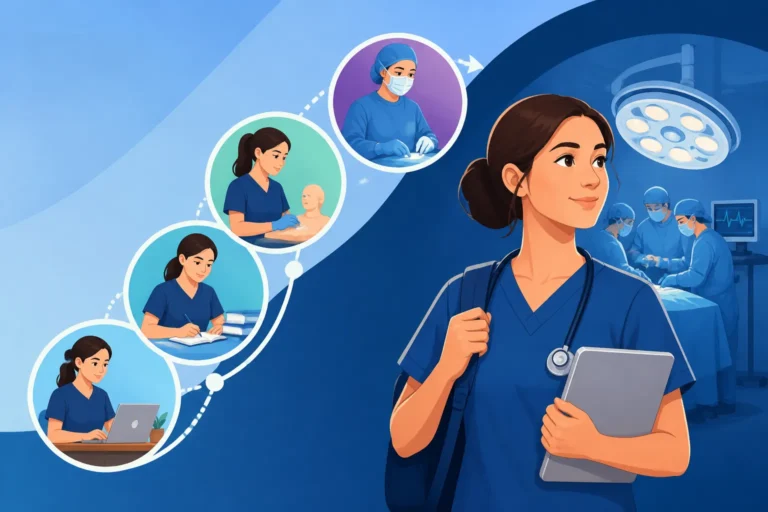
For individuals who already hold a bachelor's degree in a non-nursing field, the most common and efficient routes to becoming a registered nurse (RN) are through an Accelerated BSN Programs (ABSN) or a Direct-Entry Master of Science in Nursing (MSN) program.
-
Accelerated BSN Programs: These programs are designed for students with a prior bachelor's degree and typically condense a traditional BSN curriculum into 12 to 18 months of intensive study. They are rigorous but allow you to become an RN much faster than a traditional four-year program. Many career changers find ABSN programs a perfect fit, providing the foundational nursing knowledge and skills needed to pass the NCLEX-RN exam. Once you successfully complete your coursework and clinicals, passing the NCLEX-RN is your next big hurdle, and resources like Uworld are invaluable for many aspiring nurses in their final preparation stages. You can gain a deep understanding of what's involved by exploring the Online RN to BSN Programs: Complete Guide, although note that ABSNs are usually for non-nurses.
-
Direct-Entry MSN Programs: These programs also cater to non-nursing bachelor's degree holders but lead directly to a master's degree. They are generally longer than ABSN programs, lasting anywhere from two to three years, and prepare you for advanced practice roles like a Nurse Practitioner (NP) or for leadership and educator positions. This path might be ideal if you're certain you want to pursue an advanced role from the outset. While intensive, these programs recognize the maturity and academic readiness of career changers. Learning how to prepare for this journey is key, so checking out Online MSN Programs: Complete Guide can be very helpful.
Both pathways require dedication, but they are specifically structured to capitalize on your existing academic background, reducing redundant coursework. Choosing between these often depends on your ultimate career aspirations and how quickly you want to enter the workforce as an RN versus an advanced practice nurse.
Gaining Experience and Specialized Certifications
After you’ve earned your initial nursing license, the real journey into your chosen specialty begins. It’s highly recommended to seek out entry-level positions that expose you to the general principles of nursing, perhaps in a medical-surgical unit, before jumping directly into a highly specialized field. This foundational experience is invaluable for building confidence and practical skills. Many hospitals will offer new graduate programs that provide a structured orientation to help you get your bearings.
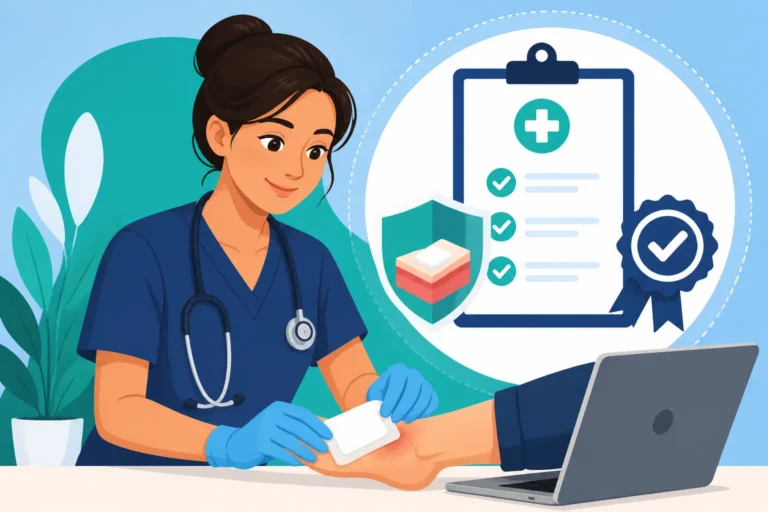
Once you have a year or two of general nursing experience, you can then strategically look for positions within your desired specialty. For instance, if you're aiming for informatics, look for roles that involve using EHRs or participating in unit-level data projects. If school nursing is your goal, volunteer at a local school clinic. As you gain experience, pursuing specialized certifications can further enhance your expertise and marketability. For example, a certified informatics nurse (RN-BC) or a certified hospice and palliative nurse (CHPN) demonstrates advanced knowledge in those areas. These certifications often require a certain number of practice hours and passing a specialized exam. Similar to preparing for the NCLEX with resources like Uworld, many organizations offer specialized review courses and materials to help you prepare for these advanced certification exams. It's a testament to your commitment and expertise, showing employers you're serious about your chosen path and dedicated to continuous learning as you How to Specialize as a Nurse.
Disclaimer
Please remember that the information provided in this article is intended for general informational purposes only and does not constitute professional advice. Nursing career paths, educational requirements, and job market demands can vary significantly by location and institution. Always consult with academic advisors, career counselors, and official program representatives for the most accurate and up-to-date guidance tailored to your specific situation.