Best Nursing Specialties for Introverts
It’s easy to feel like the high-energy, fast-paced world of nursing is exclusively for extroverts, leaving those of us who recharge in solitude feeling a bit out of place. Many introverted nurses worry that their need for quiet reflection or deep one-on-one connections might hinder their career potential or even their effectiveness in patient care. This comprehensive guide is here to tell you that’s simply not true. We'll explore the unique strengths introverted nurses bring to the table and highlight a variety of fulfilling nursing specialties where your natural inclinations aren't just accepted, but truly thrive.
The Hidden Strengths of the Introverted Nurse
Being an introvert in a demanding field like nursing isn't a weakness; it's a superpower waiting to be harnessed. While the traditional image of a nurse might be someone constantly engaging with a bustling team and a flurry of patients, the reality is that the healthcare landscape is incredibly diverse, offering countless roles where depth, focus, and calm observation are paramount. Your introverted nature actually equips you with distinct advantages that can make you an exceptional nurse.
Deep Listening and Empathic Connection
One of the most profound strengths of an introverted nurse is their capacity for deep listening. Unlike extroverts who might be energized by rapid-fire conversations and group dynamics, introverts often excel at tuning into subtle cues, really hearing what a patient is saying (and not saying), and processing information thoroughly before responding. This isn't just about politeness; it translates into a richer understanding of a patient's needs, fears, and preferences.
Imagine a patient struggling to articulate their pain or anxiety. An introverted nurse is more likely to sit quietly, observe their body language, and ask probing, thoughtful questions that encourage deeper sharing. This patient-centered approach fosters trust and allows for truly individualized care planning. It's about quality over quantity in interactions, creating a secure space where vulnerable patients feel truly heard and understood. This deep empathic connection can be incredibly healing and is often remembered long after other interactions fade.
Thoughtful Analysis and Problem-Solving
In the complex world of healthcare, quick thinking is vital, but so is thoughtful analysis. Introverted nurses often possess an innate ability to process information internally, connecting dots and identifying patterns that might be missed in the rush of constant external stimulation. They tend to be meticulous planners and careful decision-makers, preferring to consider all angles before acting.
This analytical strength is invaluable in various scenarios, from reviewing intricate patient charts for potential drug interactions to developing comprehensive care plans. For instance, when confronted with a challenging diagnostic puzzle, an introverted nurse might spend time researching, consulting evidence-based practices, and methodically piecing together information, leading to more accurate assessments and effective interventions. They bring a quiet intensity to problem-solving, often seeing solutions where others only see obstacles.
Focused Work and Sustained Concentration
Let's be real, nursing often requires intense concentration, whether you're administering critical medications, performing intricate procedures, or documenting meticulously. Introverts generally thrive in environments that allow for sustained periods of focused work, minimizing distractions and maximizing productivity. They can delve deep into a task, maintaining a high level of accuracy and attention to detail.
This ability to concentrate can be a significant asset in roles that demand precision and a low tolerance for error. Think about reviewing complex medical histories, developing educational materials, or managing detailed patient data. While others might struggle with constant interruptions, an introverted nurse can often create their own bubble of focus, ensuring that critical tasks are completed with the utmost care and accuracy. This preference for focused work also makes them excellent candidates for advanced studies, such as pursuing an online MSN program, where independent study and research are key.
Uncovering Ideal Nursing Specialties for Introverts
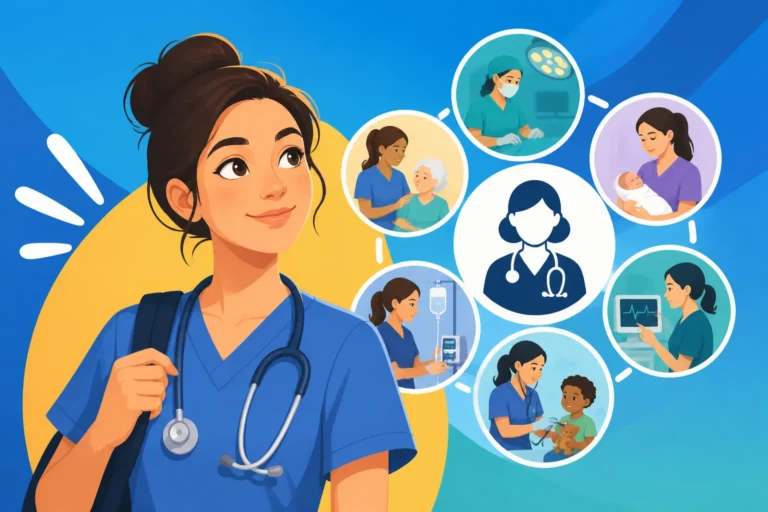
Now that we’ve recognized the unique power of introverted nurses, let’s dive into some specific specialties where these strengths are not just appreciated but actively sought after. You'll find that many of these roles emphasize autonomous work, deep individual focus, or rich one-on-one patient interactions rather than large-group dynamics.
Nursing Informatics: The Digital Architect of Healthcare
If you love data, systems, and using technology to improve patient care, then nursing informatics might be your calling. This specialty involves managing and interpreting healthcare data, designing and implementing information systems, and ensuring that technology truly serves nurses, patients, and healthcare providers. It’s a field where your analytical mind, attention to detail, and preference for focused work can truly shine.
As an informatics nurse, you'll spend much of your time collaborating with IT professionals and other healthcare leaders, but often in structured meetings rather than chaotic ward rounds. Your work involves translating clinical needs into technical requirements, optimizing electronic health records (EHRs), and training staff on new systems. It’s largely a behind-the-scenes role, offering a blend of problem-solving and project management that is highly rewarding for those who prefer intellectual challenges over constant social interaction. If you're considering this path, exploring how to become a Nurse Informaticist could be a great next step.
Research Nursing: Delving Deep into Data and Discovery
For introverts who are curious, methodical, and enjoy contributing to the advancement of medical science, research nursing offers an exciting avenue. Research nurses are integral to clinical trials and studies, often coordinating patient care within a research context, collecting data, ensuring protocol adherence, and educating patients about their participation.
This role requires immense attention to detail, adherence to strict protocols, and a significant amount of independent work analyzing data and documenting findings. While there is patient interaction, it's typically scheduled, focused, and one-on-one, allowing for the deep, meaningful connections introverts excel at without the constant demands of a busy hospital floor. It's about contributing to the bigger picture of healthcare improvement through careful, focused investigation.
Forensic Nursing: Compassion in the Quiet Investigation
Forensic nursing is a specialty that combines the art of nursing with the science of forensic investigation. Forensic nurses care for victims of violence, abuse, and trauma, collecting evidence, providing expert testimony, and offering compassionate support. This is a profound and often emotionally intense role that requires exceptional observation skills, empathy, and a strong, calm presence.
The work often involves focused, detailed examination and documentation, interviewing patients and sometimes collaborating with law enforcement in a highly structured manner. While challenging, the opportunity to provide meticulous, empathetic care to vulnerable individuals in a quiet, focused setting can be incredibly fulfilling for an introverted nurse. It's a role where your ability to listen deeply and create a safe space for someone who has experienced trauma is truly paramount. To learn more about this impactful role, you might want to read about the Forensic Nurse: Role, Salary, and How to Start.
Hospice and Palliative Care: Profound One-on-One Support
Hospice and palliative care nursing focuses on providing comfort and support to patients and their families facing serious illness, often at the end of life. This specialty thrives on deep, meaningful, one-on-one interactions, making it an excellent fit for introverts. It’s less about high-energy interventions and more about providing empathetic listening, emotional support, and meticulous symptom management.
Nurses in this field often visit patients in their homes or work in quieter hospice settings. The pace is typically more measured, allowing for extended, profound conversations and the formation of genuine connections. Your natural ability to be present, to listen without judgment, and to offer calm reassurance will make an immense difference to patients and families during incredibly difficult times. This role is a testament to the fact that nursing isn't always about saving lives, but about enriching them, even in their final stages. Consider exploring Hospice Nurse: Role, Salary, and How to Start for more details on this rewarding path.
Telehealth Nursing: Connecting from a Distance
Telehealth nursing has exploded in popularity, offering a way to provide care remotely through phone calls, video consultations, and digital platforms. This specialty is tailor-made for introverts who enjoy patient interaction but prefer it in a more controlled, focused environment without the constant physical demands and chaotic energy of a traditional clinical setting.
In telehealth, you manage patient inquiries, provide health education, conduct remote assessments, and coordinate care, all from a desk. Your strong communication skills, honed by deep listening and thoughtful responses, are crucial. You still make a significant impact on patient outcomes, but with the added benefit of a quieter workspace and the ability to manage your energy more effectively. It’s an ideal option for nurses who appreciate technology and a more autonomous workflow.
Wound Care Nursing: Specialized Focus with Autonomy
Wound care nursing is a highly specialized field that involves the assessment, treatment, and management of various types of wounds, from chronic ulcers to surgical incisions. This role demands meticulous attention to detail, a deep understanding of pathophysiology, and the ability to develop and execute complex care plans.
Wound care nurses often work independently, consulting with physicians and other specialists, but performing much of their direct patient care in a focused, one-on-one setting, whether in a clinic, hospital, or home health environment. The work is highly procedural and analytical, requiring sustained concentration and problem-solving skills to promote healing and prevent complications. It's a field where you can become an expert in a niche area, often leading to a good degree of autonomy in your practice. If this sounds appealing, you can learn more about how to become a How to Become a Wound Care Nurse.
Nurse Educator: Guiding Future Generations
If you have a passion for nursing and enjoy sharing your knowledge in a structured, thoughtful way, becoming a nurse educator could be a fantastic path. This role involves teaching student nurses in academic settings or providing ongoing education to staff nurses in hospitals and healthcare systems.
As an educator, you’ll spend your time preparing lectures, developing curriculum, grading assignments, and mentoring students. While there's certainly interaction, it's often in a more controlled, classroom or small-group setting, allowing you to leverage your strengths in thoughtful explanation and individual guidance. Many nurse educators also engage in research or curriculum development, offering substantial opportunities for focused, independent work. It's a chance to shape the future of nursing through intellectual engagement and mentorship, which can be deeply satisfying for an introverted personality. For those interested in this pathway, investigating How to Become a Nurse Educator can offer valuable insights.
Navigating the Work Environment as an Introverted Nurse
Even in an ideal specialty, the nursing world can be dynamic. It’s important for introverted nurses to develop strategies to thrive, manage their energy, and ensure their unique contributions are recognized and valued. Building a career where you feel both effective and fulfilled is entirely possible.
Strategies for Energy Management and Self-Care
One of the biggest challenges for introverts in any demanding field is managing their social energy. Nursing, with its constant demands and human interaction, can be particularly draining. The key is proactive self-care and recognizing your energy limits before you hit them. This might mean scheduling quiet time during your shift, even if it's just 15 minutes in a breakroom with a book, or taking a moment to journal before or after work.
Consider your commute as part of your decompression strategy. Instead of immediately diving into errands or social calls after a shift, allow yourself a buffer zone to simply be. Some introverted nurses find that working night shifts or roles with more independent responsibilities, like home health, help manage their exposure to overwhelming social stimuli. Prioritize hobbies that recharge you, whether it’s reading, hiking, or creative pursuits, and don't feel guilty about needing downtime. Your ability to show up fully rested and focused benefits everyone.
Finding Your Niche in Diverse Settings
The beauty of nursing is its vast array of settings. Beyond the typical hospital floor, there are clinics, schools, corporate health, government agencies, and more. If a highly social, fast-paced environment drains you, actively seek out settings that align better with your introverted nature. For instance, a small, specialized clinic might offer a calmer, more predictable environment than a large, acute care hospital.
Exploring different departments or roles within an organization can also help. Even in a hospital, roles in areas like infection control, quality improvement, or education often involve less direct, high-volume patient contact and more analytical or project-based work. Don't be afraid to try different areas to find where you truly feel you belong. Remember, finding your ideal fit isn't about avoiding challenges; it's about optimizing your environment to leverage your strengths effectively. As you consider your options, reviewing Nursing Specializations Explained can help you understand the breadth of choices available.
Leveraging Introverted Traits for Career Growth
Don't let the misconception that only extroverts can be leaders hold you back. Introverted nurses can be incredibly effective leaders, bringing a thoughtful, strategic, and empathetic approach to management. They are often excellent listeners, making them adept at understanding team dynamics and individual needs. Their tendency to think before speaking means their contributions are often well-considered and impactful.
Seek out opportunities to lead projects that require deep analysis, meticulous planning, or focused mentorship. Become the go-to person for complex problem-solving or detailed policy review. Your quiet confidence and ability to connect deeply with individuals can make you an invaluable mentor or an inspiring leader who empowers others rather than dominates. Embracing your introversion and demonstrating how it translates into professional excellence will set you apart.
Dispelling Common Misconceptions About Introverted Nurses
It’s easy to internalize societal biases that equate introversion with shyness or a lack of capability, especially in a "people-person" profession like nursing. Let’s tackle some common myths head-on.
Introversion Doesn't Mean Lack of Social Skills
One of the most persistent myths is that introverts are shy, awkward, or simply bad at social interaction. This couldn't be further from the truth. Introversion describes how you gain and expend energy – introverts recharge through solitude, while extroverts gain energy from social interaction. It doesn't dictate your social competence or desire for connection.
Many introverted nurses possess exceptional social skills, especially in one-on-one or small-group settings. They are often highly empathetic, articulate, and capable of profound connection. They might not be the loudest voice in the room, but their contributions are often deeply thoughtful and well-reasoned. In nursing, quality of interaction often trumps quantity, and an introverted nurse's ability to create a safe, understanding space for a patient can be far more valuable than constant chatter. When preparing for licensure exams or specialty certifications, resources like Uworld understand that effective communication is about clarity and understanding, not just volume, and they structure their content to help all learning styles succeed.
Introverts Can Be Strong Leaders
Another prevalent misconception is that leadership is exclusively for charismatic, outgoing individuals. In reality, some of the most effective leaders across industries are introverts. Their strength often lies in their ability to listen, process information thoroughly, make deliberate decisions, and foster deep relationships with their teams.
In nursing, an introverted leader might be less prone to impulsive decisions and more inclined to seek diverse perspectives before implementing change. They often empower their team members, encouraging individual growth and contributions. Their calm demeanor can be a steadying presence in high-stress situations. Don't underestimate the power of quiet leadership – it's often the most impactful and sustainable kind. Many introverted nurses find fulfillment in administrative or educational leadership roles, where their analytical skills and thoughtful approach can truly shape practice and policy.
| Specialty | Primary Work Environment | Key Introverted Strengths Utilized |
|---|---|---|
| Nursing Informatics | Office, IT department, collaborative project teams | Thoughtful analysis, problem-solving, focused work, attention to detail, system thinking, indirect impact. |
| Research Nursing | Research labs, clinics, patient homes (scheduled visits) | Meticulous data collection, sustained concentration, analytical skills, adherence to protocols, one-on-one patient education. |
| Forensic Nursing | Emergency department, clinic, crime scene, legal settings | Deep observation, calm presence, detailed documentation, empathetic one-on-one connection, objective analysis. |
| Hospice & Palliative Care | Patient homes, hospice facilities, clinic | Deep listening, profound empathy, one-on-one support, calm demeanor, thoughtful communication, focused comfort care. |
| Telehealth Nursing | Remote office, call center, home office | Focused communication, problem-solving, structured patient interaction, autonomy, leveraging technology, energy management. |
| Wound Care Nursing | Clinic, hospital, home health (individual visits) | Meticulous assessment, procedural precision, independent work, specialized knowledge, detailed documentation. |
| Nurse Educator | Classroom, simulation lab, hospital education department | Structured teaching, thoughtful explanation, curriculum development, research, mentorship, analytical content creation. |
It's truly inspiring to see how many diverse and impactful roles in nursing are perfect for those with an introverted nature. Your deep thinking, keen observation, and ability to form meaningful connections are not just assets; they are essential qualities that elevate patient care and advance the nursing profession. As you consider your path, remember that understanding How to Choose a Nursing Specialty is about knowing yourself and your strengths. Whether you're drawn to the quiet hum of a research lab, the intricate world of data, or the profound intimacy of hospice care, there's a place in nursing where you will not only belong but truly shine. Many nurses, even introverts, utilize study resources like Uworld to prepare for their NCLEX and specialty certifications, ensuring they have the foundational knowledge to excel in these diverse fields. Don't underestimate the power of your quiet strength; it's what makes you an exceptional nurse.
Disclaimer
The information provided in this guide is intended for general informational purposes only and does not constitute professional medical, career, or educational advice. Nursing specialties and their requirements can vary significantly by state, institution, and professional organization. Always consult with academic advisors, career counselors, and official program websites for the most accurate and up-to-date information regarding nursing education, licensure, and specialization.