Best Nursing Specialties for Extroverts
It’s a common frustration among nurses: you love helping people, you thrive on connection, but sometimes the daily grind feels isolating, or the environment just doesn't spark your natural energy. If you're an extroverted nurse who feels most alive when engaging with others, working in a dynamic team, or leading the charge, you might be wondering which specialty truly aligns with your vibrant personality. This comprehensive guide is here to help you discover the nursing roles where your outgoing nature isn't just an asset, but a superpower.
Understanding the Extroverted Nurse
Being an extrovert in nursing isn't just about being talkative; it's about drawing energy from external stimulation, thriving in dynamic environments, and having a natural inclination to connect with others. Many nursing roles can be demanding, but for the extroverted nurse, the right specialty can feel less like work and more like living your purpose.
What Makes an Extrovert Thrive in Nursing?
Extroverts typically possess a unique set of qualities that can make them exceptionally effective in certain nursing fields. Imagine a bustling emergency room, a lively labor and delivery suite, or a community health fair — these are environments where an extrovert can truly shine. They often excel at:
- Rapid Rapport Building: Extroverts can quickly establish trust and comfort with patients and their families, even in high-stress situations. Their warmth and openness can put people at ease, which is invaluable when delivering sensitive news or guiding them through difficult processes.
- Dynamic Communication: You're probably someone who loves to talk through problems, brainstorm with colleagues, and articulate complex information clearly and confidently. This is essential for effective teamwork and patient education.
- Natural Leadership: Extroverts often naturally step into leadership roles, whether it's leading a shift, coordinating care for multiple patients, or advocating for their team. Their energy is infectious and can motivate those around them.
- Thriving in Fast-Paced Environments: The constant influx of new situations, new faces, and new challenges isn't draining for an extrovert; it's invigorating. They gain energy from the hustle and bustle, making them well-suited for high-acuity or rapidly changing settings.
- Multidisciplinary Collaboration: Nursing is rarely a solo act. Extroverts typically enjoy and excel at interacting with doctors, therapists, social workers, and other healthcare professionals, fostering a collaborative atmosphere that benefits patient care.
It's critical for job satisfaction and preventing burnout to find a nursing role that not only utilizes your clinical skills but also feeds your soul. A role that feels like a natural extension of who you are, rather than a constant drain on your energy, will lead to a more fulfilling and sustainable career.
Common Misconceptions About Extroverted Nurses
Sometimes, people mistakenly think that nursing is primarily a quiet, reflective profession suited only for introverts. While there are certainly specialties that require more solitary focus, nursing is incredibly diverse. The idea that an extrovert might be "too much" for nursing couldn't be further from the truth.
One common misconception is that all patient care is about quiet, one-on-one interactions. While intimate patient moments are crucial, many nursing roles involve constant team interaction, rapid decision-making in a crowd, and managing multiple simultaneous conversations. An extrovert's ability to multitask mentally and socially can be a huge asset here. Another myth is that extroverts are superficial in their interactions. In reality, an extrovert's openness often allows for deeper, more meaningful connections, even if they are formed quickly. They are adept at picking up on social cues and responding in a way that builds trust and provides comfort, which is especially important when families are stressed or patients are anxious. You don't just talk at people; you connect with them.
High-Energy, High-Interaction Specialties
For the nurse who draws energy from constant interaction and thrives on a dynamic pace, these specialties offer environments where your natural strengths will be celebrated.
Emergency Department Nurse
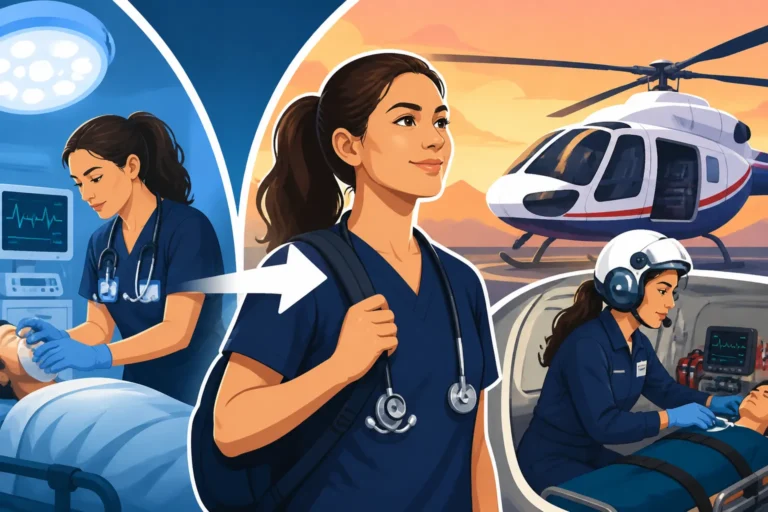
Stepping into the Emergency Department (ED) is like walking onto a fast-moving stage where no two scenes are ever the same. If you're an extrovert, this environment could be your perfect match. You'll encounter a constant flow of new patients, ranging from minor injuries to critical life-threatening emergencies. This means rapid assessments, quick problem-solving, and continuous communication with patients, anxious family members, and a bustling multidisciplinary team.
An ED nurse thrives on the unexpected. You might be coordinating with paramedics one moment, comforting a frightened child the next, and then assisting in a trauma resuscitation. The sheer volume and variety of human interaction, coupled with the need for immediate, decisive action, makes the ED a magnet for extroverted nurses. The constant need to communicate clearly and concisely, delegate tasks, and collaborate with doctors, technicians, and other nurses means you're always engaged and your social batteries are constantly recharging. For those interested in this dynamic field, exploring resources like Emergency Nurse: Role, Salary, and How to Start can provide valuable insights into what to expect.
Labor and Delivery Nurse
Few nursing specialties are as emotionally charged and intensely interactive as Labor and Delivery (L&D). As an L&D nurse, you're not just monitoring vitals; you're coaching expectant parents through one of the most significant moments of their lives. This involves constant verbal encouragement, pain management discussions, education, and celebrating new life.
The L&D unit is often a place of profound joy, but also of intense anxiety and sometimes sadness. An extroverted nurse can excel here by building quick rapport with laboring mothers and their partners, anticipating their needs, and providing clear, empathetic communication throughout the entire process. You're a coach, a cheerleader, an educator, and a confidante, all rolled into one. The pace can shift from calm to chaotic in an instant, demanding quick thinking and constant communication with the obstetrics team. If the idea of this highly personal and interactive environment excites you, you might want to delve deeper into Labor and Delivery Nurse: Role, Salary, and How to Start.
Critical Care and Intensive Care Unit Nurse
While Critical Care or the Intensive Care Unit (ICU) often involves caring for patients who are sedated or unable to communicate, it's still an incredibly rich environment for the extroverted nurse who thrives on complex team dynamics and high-stakes communication. In the ICU, you are at the epicenter of complex medical care, constantly collaborating with a vast team of specialists: intensivists, residents, respiratory therapists, physical therapists, social workers, and more.
Your day will be filled with detailed handoffs, multidisciplinary rounds, and crucial conversations with distraught family members who need clear, compassionate updates and support. You'll be the primary point of contact for many, translating medical jargon into understandable language and providing emotional solace. An extrovert's ability to maintain composure under pressure, facilitate difficult conversations, and seamlessly coordinate care with various team members makes them invaluable in these critical environments. To learn more about the demands and rewards of this challenging yet fulfilling path, check out Critical Care Nurse: Role, Salary, and How to Start.
Psychiatric Mental Health Nurse
For the extrovert who loves deep conversations and building therapeutic relationships, psychiatric nursing, especially as a Psychiatric Mental Health Nurse Practitioner (PMHNP) or even an RN in a mental health setting, offers an incredibly rewarding path. This specialty is all about communication – not just giving information, but truly listening, empathizing, and collaborating with patients on their mental health journey.
You'll spend significant time in one-on-one therapy sessions, leading group therapy discussions, and working closely with families to develop comprehensive care plans. The focus is on verbal interaction, understanding complex human behavior, and facilitating meaningful change. Unlike some physical health settings where interactions might be brief and task-oriented, psychiatric nursing emphasizes sustained, therapeutic dialogue. This is where an extrovert's natural inclination to engage and connect can profoundly impact patient outcomes. If you're considering advancing your education, the MSN Nurse Educator Track is another role where an extrovert can excel, leading and teaching new generations of nurses, often after gaining experience in specialties like PMH. Discover more about this specialty in our guide on Psychiatric Nurse: Role, Salary, and How to Start.
Operating Room Nurse
Though patients in the Operating Room (OR) are typically unconscious, the OR itself is a highly communicative and fast-paced team environment that can be perfect for an extroverted nurse. As a circulating nurse or scrub nurse, you are a vital part of a highly coordinated team, constantly communicating with surgeons, anesthesiologists, surgical technologists, and other OR staff.
You're coordinating equipment, anticipating needs, ensuring patient safety, and managing the flow of the room – all through constant verbal cues, non-verbal communication, and quick problem-solving. The energy in an OR can be intense and requires meticulous attention to detail while maintaining clear and concise communication. Extroverts often thrive on this collaborative energy and the sense of teamwork inherent in surgical settings. The ability to speak up, ask questions, and contribute actively to a high-performing team makes the OR a dynamic and engaging place for an outgoing personality. Learn more about the demands of this specialized role by reading Operating Room Nurse: Role, Salary, and How to Start.
Leadership and Community-Focused Roles
Beyond direct patient care at the bedside, many nursing roles leverage extroverted strengths in leadership, education, and community engagement. These roles often involve managing teams, teaching, advocating, and building relationships on a larger scale.
Nurse Manager or Educator
If you love guiding others, solving organizational challenges, and inspiring new generations of nurses, a role in nursing leadership or education might be your calling. As a nurse manager, you’re at the helm of a unit or department, constantly interacting with staff, physicians, administrators, and patients. Your days are filled with meetings, mentoring sessions, conflict resolution, and strategic planning. This requires an incredible amount of communication, negotiation, and the ability to rally a team around common goals.
Similarly, a nurse educator spends their time teaching, facilitating learning, and mentoring students or new staff. Whether it’s in a university setting, a hospital education department, or developing curriculum, educators thrive on interaction, presenting information, and fostering discussion. They are often the vibrant personalities who make learning engaging and accessible. For those considering the path of an educator, preparing students for critical certification exams is a key responsibility, and utilizing comprehensive review programs like Uworld can be a significant part of their teaching strategy, ensuring students are well-prepared for their licensing exams and specialty certifications. Delve into the leadership aspect with resources like Nurse Administrator Salary Explained or explore the academic path with MSN Nurse Educator Track.
Public Health Nurse
Public health nursing takes the extrovert out of the hospital walls and into the heart of the community. This specialty is all about broad-scale interaction, health promotion, and disease prevention across diverse populations. You might find yourself hosting health fairs, teaching nutrition classes at a community center, visiting families in their homes, or working with local government agencies on health policy initiatives.
A public health nurse needs to be a superb communicator and networker. You're building relationships with individuals, families, community leaders, and local organizations. Every day brings new faces, new conversations, and new opportunities to educate and advocate. The dynamic nature of working with varied groups and tackling different health challenges makes this a highly stimulating environment for an extrovert. If you’re interested in making a broad impact, explore Public Health Nurse: Role, Salary, and How to Start to understand the scope of this vital role.
School Nurse
For extroverts who enjoy working with children and adolescents, and love being a central figure in a community hub, becoming a school nurse is an excellent fit. You are the go-to person for everything from scraped knees and forgotten medications to managing chronic conditions and addressing mental health concerns.
A school nurse's day is packed with interactions: comforting crying students, consulting with concerned parents, collaborating with teachers and administrators, and providing health education to classrooms. You become a familiar, trusted face, often acting as a bridge between home, school, and healthcare providers. The constant flow of students, staff, and parents ensures a lively and socially engaging environment. To understand the full spectrum of responsibilities, check out School Nurse: Role, Salary, and How to Start.
Travel Nurse
If the idea of constantly meeting new people, experiencing new healthcare systems, and adapting to different teams excites you, then travel nursing could be your ultimate extroverted adventure. Travel nurses move from facility to facility, typically on 13-week assignments, filling critical staffing needs across the country.
Every assignment means a new hospital, new colleagues, and new patient populations. This demands exceptional social agility, a quick ability to integrate into new teams, and stellar communication skills to quickly establish trust and competence. Extroverts often thrive on this constant change and the challenge of building new professional relationships repeatedly. It's a fantastic way to broaden your network, learn diverse approaches to care, and satisfy a wanderlust spirit, all while earning a competitive salary. A solid foundation is key for any nursing path, including travel nursing, and preparing for the NCLEX with robust tools like Uworld is often the first step to unlock these opportunities. Learn more about life on the road with Travel Nurse: Role, Salary, and How to Start.
Making Your Choice and Advancing Your Career
Choosing a nursing specialty is a significant decision, especially when you want it to align with your personality. For extroverts, finding that sweet spot between patient care, team collaboration, and dynamic environments is crucial.
Gaining Experience and Certification
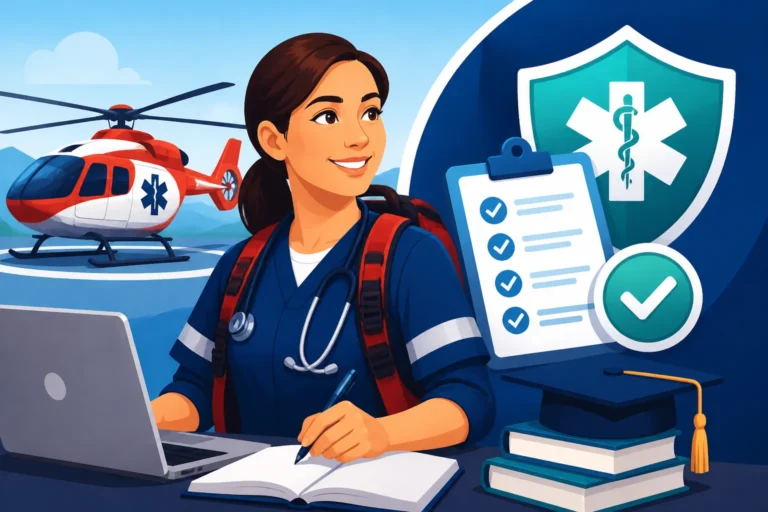
Once you've identified a few specialties that spark your interest, the next step is to gain hands-on experience. Many new graduate RNs start in a general medical-surgical unit to build a solid foundation of clinical skills. However, don't be afraid to seek out opportunities for shadowing, externships, or even volunteer work in areas like the ED, L&D, or ICU during your nursing school journey. This exposure can be invaluable in helping you confirm if a particular high-energy environment is truly for you.
After gaining a year or two of experience in your chosen field, pursuing specialty certifications can significantly enhance your career and demonstrate your expertise. For instance, an Emergency Nurse might pursue the Certified Emergency Nurse (CEN) credential, while an ICU nurse could aim for the Critical Care Registered Nurse (CCRN) certification. These certifications not only boost your resume but often require rigorous preparation. Many nurses preparing for these challenging exams find platforms like Uworld incredibly helpful for their comprehensive practice questions and detailed rationales, which can be key to mastering the material.
Educational Pathways to These Specialties
A solid educational foundation is the bedrock of any successful nursing career. Most of these specialties require at least a Bachelor of Science in Nursing (BSN). If you started your career with an Associate Degree in Nursing (ADN), pursuing an Online RN to BSN Programs: Complete Guide is often the next logical step. A BSN provides a broader understanding of nursing theory, leadership, research, and public health, preparing you for more complex roles and potential advancement.
For many of the leadership, education, and advanced practice roles mentioned, an advanced degree such as a Master of Science in Nursing (MSN) is essential. If you dream of becoming a Nurse Practitioner, a Nurse Educator, or stepping into a Nurse Administrator role, an MSN program will provide the specialized knowledge and skills required. Check out our Online MSN Programs: Complete Guide for more details on these programs. It’s important to research specific program requirements for your chosen path, as they can vary greatly, and to consider How to Choose an NP Specialty if that is your ultimate goal.
Tips for Extroverted Nurses in Any Role
Even if your current nursing role isn't one of the high-energy specialties listed, or if you find yourself in a quieter setting, there are always ways for an extroverted nurse to thrive and recharge their social batteries:
- Seek Out Team Activities: Volunteer for hospital committees, join shared governance councils, or participate in unit-based projects. These opportunities allow for more interaction and collaboration.
- Become a Preceptor: Mentoring new nurses is a fantastic way to engage your communication skills, share your knowledge, and build meaningful professional relationships.
- Utilize Your Communication Skills: Even with quieter patients, your ability to build rapport can make a huge difference. Engage in therapeutic communication, ask open-ended questions, and truly listen.
- Networking: Attend professional conferences, join nursing organizations, and connect with other nurses in your specialty. These are excellent avenues for social interaction and career growth.
- Balance is Key: Remember that even extroverts need downtime. While you recharge through interaction, ensure you’re balancing that with self-care to prevent burnout.
The beauty of nursing lies in its vast diversity. Finding a specialty where your inherent personality traits are celebrated and utilized to their fullest potential can lead to a long, joyful, and deeply fulfilling career.
| Nursing Specialty | Typical Environment | Patient Interaction Level | Team Collaboration | Why It's Great for Extroverts |
|---|---|---|---|---|
| Emergency Department (ED) | Fast-paced, unpredictable, dynamic | High & Varied | Very High | Constant new patients, rapid problem-solving, diverse team, high-stakes communication, thrives on chaos. |
| Labor and Delivery (L&D) | Intense, emotional, often joyful | Very High | High | Coaching, comforting, educating expectant parents, celebrating new life, strong interpersonal connections. |
| Critical Care/ICU | High-acuity, technically complex | High (patient/family/team) | Very High | Intense team collaboration, critical family communication, complex patient discussions, strategic problem-solving. |
| Psychiatric Mental Health | Therapeutic, calm to crisis | Very High (verbal) | High | Deep therapeutic conversations, group therapy, building strong rapport, understanding human behavior, teaching coping skills. |
| Operating Room (OR) | Fast-paced, sterile, highly coordinated | Low (patient) / Very High (team) | Very High | Intense team communication with surgeons/anesthesia, quick decision-making, highly collaborative and focused environment. |
| Nurse Manager/Educator | Administrative, academic, unit-based | Moderate to High | Very High | Leading teams, mentoring, teaching, public speaking, strategic planning, constant professional interaction. |
| Public Health Nurse | Community-based, varied locations | High & Diverse | High | Community outreach, health education, advocacy, building relationships with diverse populations, program development. |
| School Nurse | Educational institution | High (students/staff/parents) | High | Constant interaction with children, parents, teachers; health education, crisis management, trusted figure in community. |
| Travel Nurse | Varied hospitals, new cities | High & Adapting | Very High | Constantly meeting new colleagues and patients, adapting to new teams, enjoying diverse experiences. |
Disclaimer
The information provided in this article is intended for general informational purposes only and does not constitute professional medical, nursing, or educational advice. While we strive to provide accurate and up-to-date content, nursing roles, requirements, and educational pathways can change. Always consult with a qualified academic advisor, nursing professional, or official program representative for personalized guidance regarding your career and educational decisions.