How to Choose an NP Specialty
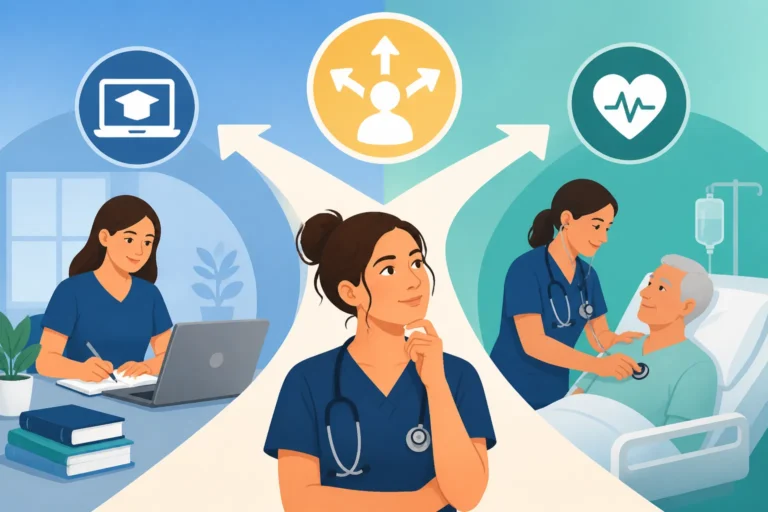
Deciding which Nurse Practitioner (NP) specialty to pursue is one of the biggest and most exciting crossroads in a nurse's career journey, but it can also feel incredibly overwhelming. With so many diverse paths available, from primary care to highly specialized acute care, many experienced RNs find themselves wrestling with the question: "How do I choose the right NP specialty for me?" This comprehensive guide is here to walk you through the process, helping you clarify your passions, assess your strengths, and navigate the vast landscape of advanced practice nursing to confidently select a specialty that aligns with your professional aspirations and personal life.
Understanding the Landscape of Nurse Practitioner Specialties
Before you can even begin to consider which path to take, it’s essential to get a lay of the land. The world of nurse practitioner specialties is incredibly rich and varied, offering opportunities to work with diverse patient populations and in numerous healthcare settings. It’s not just about picking a cool-sounding title; it's about understanding the core philosophies, the day-to-day realities, and the long-term career trajectory each specialization offers.
The Core Categories: Population-Focused vs. Acute/Primary Care
At its heart, most NP specialties fall into broad population-focused categories, often combined with a care-type focus (primary or acute). This is a foundational concept you'll encounter when exploring Nurse Practitioner Specializations Explained. For instance, an NP might specialize in Family Primary Care, meaning they provide ongoing health maintenance and illness prevention across the lifespan. Conversely, an Adult-Gerontology Acute Care NP (AGACNP) focuses on the episodic, high-acuity care of adults and older adults in settings like ICUs or emergency rooms. Understanding this distinction is crucial because it dictates the type of patient problems you’ll manage, the settings you’ll work in, and the educational curriculum you'll follow.
Think about the types of patient interactions that energize you. Do you thrive on building long-term relationships with families, guiding them through preventative care, and managing chronic conditions in an outpatient setting? Or are you drawn to the fast pace and critical decision-making required in an emergency or intensive care unit, managing sudden, severe illnesses? Your answer to this fundamental question will naturally guide you toward either a primary care or acute care focus within a specific population.
A Glimpse at the Most Common Specialties
While there are many specific niches, some NP specialties are far more prevalent and widely recognized. The most common include the Family Nurse Practitioner (FNP), Psychiatric Mental Health Nurse Practitioner (PMHNP), Adult-Gerontology Primary Care Nurse Practitioner (AGPCNP), Adult-Gerontology Acute Care Nurse Practitioner (AGACNP), and Pediatric Nurse Practitioner (PNP). Each of these addresses a significant healthcare need and offers a distinct practice environment. For example, the FNP is often seen as the most versatile, as they care for individuals from infancy through old age, often in clinics, private practices, or community health centers. This broad scope appeals to many who enjoy variety and continuity of care. If you're pondering How to Become a Family Nurse Practitioner, you'll quickly see the wide range of settings and patient issues involved.
On the other hand, if you're passionate about mental health and want to provide comprehensive psychiatric care, a PMHNP role might be a perfect fit. This specialty has seen significant growth due to increasing demand for mental health services. Those interested in How to Become a Psychiatric Mental Health NP will discover a challenging yet incredibly rewarding field focused on assessment, diagnosis, and treatment of mental health conditions.
Emerging and Niche NP Roles
Beyond the common pathways, the NP profession is constantly evolving, with new roles and sub-specialties emerging to meet complex healthcare demands. These can include specialties like Women's Health Nurse Practitioner (WHNP), Neonatal Nurse Practitioner (NNP), or even more specialized areas such as dermatology, oncology, or palliative care within a population focus. These niche roles often require additional post-master's certifications after an initial NP degree, or specific clinical experiences and certifications during an MSN program.
Exploring these less common, but equally vital, roles can open up unique career opportunities. For example, a WHNP focuses exclusively on the gynecological and obstetric health needs of women across the lifespan, from adolescence through menopause, often in clinics or private OB/GYN practices. Similarly, NNPs work with critically ill or premature infants in neonatal intensive care units (NICUs). While the pathways to these roles can sometimes be more specific, they allow for a deep dive into an area of particular interest, leading to highly specialized and impactful practice.
Self-Assessment: Knowing Yourself Before Choosing a Path
Before you dive into program brochures and online forums, the most crucial step is to look inward. Your personal values, work preferences, and long-term aspirations are invaluable guides in this decision-making process. Think of it as creating a personal blueprint for your future NP career.
Reflecting on Your Nursing Experience and Passions
Your journey as a registered nurse has already provided a wealth of experience. What aspects of nursing truly resonate with you? Are there particular patient populations you love working with? Perhaps you found immense satisfaction caring for critical cardiac patients in the ICU, or maybe the long-term education and support you offered to diabetic patients in a clinic truly lit you up. These experiences aren't just work history; they're vital clues.
Consider the moments in your nursing career when you felt most engaged and fulfilled. Was it the diagnostic puzzle-solving in the emergency room, the continuity of care in a family practice, or the delicate balance of empathy and clinical skill in hospice? Conversely, think about the areas that drained you or simply didn't pique your interest. If pediatric rotations always felt like a struggle, a PNP path might not be the best fit, even if it seems like a popular choice. Be honest with yourself about where your true passions lie; this self-awareness is your most powerful tool.
Considering Your Personality and Preferred Work Environment
Your personality and preferred work environment play a massive role in job satisfaction. Are you someone who thrives in high-stakes, fast-paced environments where every shift brings new challenges and rapid decision-making is paramount? If so, an acute care specialty like AGACNP or Emergency NP might align well with your drive. These roles demand quick thinking, resilience under pressure, and a tolerance for unpredictability.
Alternatively, do you prefer a more predictable pace, where you can build sustained relationships with patients, engage in preventative health education, and manage chronic conditions over time? Primary care roles like FNP or AGPCNP typically offer this kind of rhythm. They often involve more scheduled appointments, a focus on long-term wellness, and a broader range of less acute issues. Understanding whether you're a "sprint" or "marathon" type of clinician can significantly influence your happiness in a particular specialty. Also, consider the emotional toll: are you equipped for the intensity of mental health crises as a PMHNP, or the profound emotional demands of caring for critically ill newborns as an NNP?
Long-Term Career Goals and Lifestyle Aspirations
It’s easy to get caught up in the immediate goal of becoming an NP, but take a moment to envision your life five, ten, or even twenty years down the road. What does your ideal work-life balance look like? Some specialties, particularly in primary care, might offer more predictable hours and fewer weekends/holidays, which can be attractive if you're raising a family or prioritizing personal time. Other roles, especially in acute care, may involve shift work, nights, weekends, and on-call responsibilities.
Also, think about your ultimate career trajectory. Do you aspire to leadership roles, teaching, research, or perhaps even opening your own practice someday? Some specialties naturally lend themselves to entrepreneurial ventures or academic positions more readily than others. For example, FNPs often have a clear path to independent practice in states with full practice authority. If you're considering a future beyond direct patient care, factor that into your specialty choice now. Understanding your long-term vision helps ensure your initial decision paves the way for future opportunities.
Researching Your Options: What Each Specialty Entails
Once you have a clearer picture of yourself, it’s time to deep dive into the specifics of various NP specialties. This phase involves thorough research to truly understand the day-to-day realities and future prospects of each path that has caught your eye.
Deep Dive into Scope of Practice and Patient Populations
Each NP specialty has a distinct scope of practice, which defines the services you can provide and the patient populations you are qualified to treat. For instance, a Family Nurse Practitioner (FNP) provides comprehensive primary healthcare to individuals and families across the lifespan, from infants to older adults. This includes health promotion, disease prevention, diagnosis, and management of common acute and chronic illnesses. Their scope is broad and diverse, often serving as the patient's primary point of contact for health concerns.
Compare this to an Adult-Gerontology Acute Care Nurse Practitioner (AGACNP), whose scope is focused on the management of critically ill adults and older adults. Their practice settings typically include intensive care units, emergency departments, and specialty units in hospitals. They handle complex, acute, and life-threatening conditions. Understanding these nuances is critical. It's not just about who you can treat, but what kinds of problems you'll be solving and the intensity of the care you'll provide. Many resources, including organizations like the American Association of Nurse Practitioners (AANP), provide detailed descriptions of each specialty's scope.
Exploring Educational Pathways and Clinical Requirements
The educational journey to become an NP is significant, and it varies by specialty. Most require a Master of Science in Nursing (MSN) degree, though many nurses are now pursuing a Doctor of Nursing Practice (DNP) as the terminal degree for advanced practice. You can learn more about the broader educational landscape in guides like Online MSN Programs: Complete Guide. Each specialty curriculum is tailored to its specific focus. For example, a Pediatric Nurse Practitioner (PNP) program will have extensive coursework in child development, common childhood illnesses, and family-centered care, alongside specific clinical rotations focused on pediatric populations.
Clinical hours are a cornerstone of NP education, and the specific requirements often depend on the chosen specialty and the program's accreditation. For instance, an FNP program typically requires a broad range of clinical experiences across different age groups and care settings, whereas a Neonatal NP program will focus entirely on the neonatal population within an acute care setting. It's important to understand the MSN Clinical Hours Requirements for your desired specialty and how programs facilitate these placements. Some programs, like those for Psychiatric Mental Health NPs, may require very specific types of clinical sites focusing on mental health assessments and interventions. In your research, pay close attention to whether programs offer support in securing clinical placements, as this can be a significant hurdle for many students.
Understanding Salary Expectations and Job Outlook
Let's be realistic – compensation and job security are important factors. While passion is paramount, knowing the financial landscape for each specialty can help you make an informed decision. The Nurse Practitioner Salary Guide shows that salaries can vary considerably based on specialty, geographic location, years of experience, and practice setting. For example, PMHNPs are currently in very high demand, leading to competitive salaries, especially in underserved areas. Similarly, acute care NPs often command higher salaries due to the complexity and intensity of their work.
The job outlook for all NP roles is incredibly strong, with the U.S. Bureau of Labor Statistics projecting significant growth in the coming decade. However, some specialties may have even faster growth or higher demand in particular regions. Researching the specific job market for your top choices, perhaps by looking at job postings in your desired location on platforms like Indeed or LinkedIn, can give you a concrete idea of opportunities available. This practical information helps ensure that your investment in an How Much Does an MSN Cost and the effort to become an NP will lead to a rewarding and sustainable career.
Practical Considerations: Beyond Passion and Pay
While passion, personality, and potential earnings are huge factors, there are very real, pragmatic considerations that can make or break your NP journey. Ignoring these can lead to frustration down the line.
Accreditation, Program Structure, and Clinical Placement
When looking at specific NP programs, accreditation is non-negotiable. Always ensure the program is accredited by either the Accreditation Commission for Education in Nursing (ACEN) or the Commission on Collegiate Nursing Education (CCNE). Accreditation ensures that the program meets rigorous educational standards and that your degree will be recognized for licensure and certification. Without it, you might find yourself in a very difficult situation after graduation. You might find this helpful when considering Accredited Online RN to BSN Programs, as the same principles apply.
Beyond accreditation, consider the program's structure. Are you looking for a fully online program, a hybrid model, or a traditional on-campus experience? Online programs offer flexibility, which is often crucial for working nurses, but they require significant self-discipline. Explore programs that specifically cater to working nurses if that applies to you. Also, delve deeply into how clinical placements are handled. Some programs have dedicated placement coordinators who secure sites for students, while others place the burden entirely on the student. This can be a huge differentiator, as finding preceptors for MSN Clinical Hours Requirements can be challenging, especially for some niche specialties or in competitive urban areas. Ask prospective programs about their track record for student clinical placement success.
Financial Investment and Return on Investment
Becoming an NP is a significant financial undertaking. Tuition costs for MSN or DNP programs can range from tens of thousands to over a hundred thousand dollars, depending on the institution and program length. Beyond tuition, there are fees, textbooks, technology requirements, and potential travel costs for intensives or clinicals. It's crucial to understand the total cost of an MSN and explore all available financial aid options, including scholarships, grants, and employer tuition reimbursement programs. You can find more information on MSN Financial Aid and Scholarships to help with this.
However, view this as an investment. The return on investment (ROI) for an NP degree is generally very strong. Nurse practitioners typically earn significantly more than registered nurses, and the career outlook is robust. When evaluating programs, consider not just the sticker price but also the potential earning power after graduation and the overall career satisfaction. Does the potential salary increase justify the cost and time commitment? For most nurses, the answer is a resounding yes, making an NP degree a worthwhile pursuit, especially when considering Is an MSN Worth It.
The Impact of State Practice Laws
This is a critical, yet often overlooked, factor: state practice laws. Nurse practitioner scope of practice and autonomy vary significantly from state to state. Some states grant NPs full practice authority, meaning they can practice independently, diagnose, treat, and prescribe medications without direct physician oversight. Other states have reduced or restricted practice authority, requiring various levels of physician collaboration, supervision, or limits on prescriptive rights.
This distinction can profoundly impact your day-to-day practice and career satisfaction. If you envision an autonomous role, opening your own clinic, or having maximum flexibility, research the practice laws in your desired state (or states you're willing to relocate to) before committing to a specialty. The American Association of Nurse Practitioners (AANP) website is an excellent resource for checking state-specific regulations. These laws are dynamic and can change, so staying informed is key. Your chosen specialty might feel very different in California (full practice) versus Texas (restricted practice).
Making the Decision and Planning Your Journey
After all the self-reflection and research, it’s time to bring it all together and make a confident decision. This final stage involves synthesizing your findings and strategizing your application.
Seeking Mentorship and Shadowing Opportunities
One of the most valuable things you can do is talk to NPs who are already practicing in the specialties you're considering. Their real-world insights are gold. Reach out to NPs in your current hospital or clinic, connect through professional nursing organizations, or leverage online forums. Ask them about a typical day, the biggest challenges, what they love most, and what they would do differently if they were starting over. This can provide a level of realism that brochures and websites simply can't capture.
Even better, if possible, seek out shadowing opportunities. Spending a day or even a few hours observing an FNP in a primary care clinic, a PMHNP in an outpatient mental health center, or an AGACNP in an ICU can be incredibly illuminating. It allows you to see the actual work environment, patient interactions, and problem-solving firsthand. This direct exposure can either solidify your choice or highlight aspects you hadn't considered, gently nudging you toward a different path.
Leveraging Resources and Networking
Don't underestimate the power of professional organizations. Groups like the American Association of Nurse Practitioners (AANP) or specialty-specific organizations (e.g., the National Association of Pediatric Nurse Practitioners – NAPNAP) offer a wealth of resources, including specialty descriptions, career guides, and networking events. These can be great places to connect with seasoned NPs and learn about their experiences.
Additionally, online resources and forums can be helpful. However, always exercise caution and critical thinking when sifting through advice from strangers on the internet. Seek out reputable sources. As you prepare for the demanding curriculum and eventually your certification exam, remember that resources like Uworld are often highly recommended for comprehensive review and practice questions. Many nurses find it an invaluable tool for solidifying their knowledge base and preparing for the rigor of the NP boards, regardless of their chosen specialty. This preparation is a critical component of becoming a successful NP.
Crafting Your Application Strategy
Once you've made your decision, it's time to focus on getting into your chosen program. Understand the specific MSN Admission Requirements for your target schools and specialties. This usually includes a current RN license, a BSN degree, a minimum GPA, and often an essay or personal statement. Highlight your relevant nursing experience and articulate clearly why you are passionate about this particular specialty. If you have experience in the field, emphasize it.
Consider applying to multiple programs, perhaps a few of the Best Online Nurse Practitioner Programs, to increase your chances of acceptance. Pay close attention to application deadlines, and ensure all prerequisites, like statistics or certain science courses, are met. Some programs, for example, may have specific requirements for PMHNP applicants due to the unique nature of the practice. A well-thought-out application strategy demonstrates your commitment and readiness for the rigorous journey ahead, allowing you to eventually understand How Long to Become a Nurse Practitioner in your chosen field.
The NP Journey: Continuous Growth and Flexibility
Your choice of NP specialty isn't a terminal, unchangeable decision, though it certainly sets a strong course. The beauty of nursing, even at the advanced practice level, is the opportunity for continuous learning and adaptation.
Evolving in Your Chosen Specialty
Once you're practicing as an NP, you'll find that your initial learning is just the beginning. Healthcare is constantly evolving, with new research, treatments, and technologies emerging regularly. Maintaining your certification often requires continuing education (CE) credits, which encourage ongoing learning. You might decide to pursue additional certifications within your specialty, becoming an expert in a particular area, such as wound care for an FNP, or diabetes management for an AGPCNP. This allows for deeper specialization without necessarily changing your core NP role.
The initial years as a new NP are often a period of intense growth and confidence-building. You'll gain invaluable experience, hone your diagnostic skills, and develop your own practice style. Don't be surprised if your interests within your chosen specialty continue to evolve. This ongoing professional development is what keeps the profession vibrant and engaging, making your initial investment in an Online MSN Programs: Complete Guide a continually rewarding experience.
Considering Dual Certifications or Post-Master's Options
What if, after a few years, you realize you'd like to broaden your scope or shift focus slightly? The NP framework often allows for this flexibility through post-master's certificates or dual certifications. For example, an FNP who develops a deep interest in mental health might pursue a post-master's PMHNP certificate, allowing them to practice in both areas. This expands their marketability and ability to care for a wider range of patients, often addressing the growing need for integrated physical and mental health care.
Similarly, an AGPCNP might opt for a post-master's certificate in Acute Care to allow them to practice in both primary and acute settings for adult-gerontology populations. These additional certifications usually require further coursework and clinical hours but are generally less extensive than completing an entirely new NP program. They represent a smart way to adapt your career to evolving interests or market demands, providing a testament to the versatility of advanced practice nursing. This flexibility also highlights the ongoing debate and decision points in pursuing further education, such as in MSN vs DNP: Which to Choose.
The Long-Term Impact of Your Specialty Choice
Ultimately, your NP specialty choice will shape your career path, your daily work life, and your professional identity. It influences the types of patients you serve, the healthcare problems you solve, and the environments in which you practice. It determines the specific NP Certification Exams Explained you will take after graduation, such as the AANP or ANCC boards for FNPs or AGPCNPs, or the ANCC for PMHNPs.
While your initial decision is significant, remember that nursing is a dynamic field, and your career will likely involve continuous learning and adaptation. There are always opportunities to grow, specialize further, or even pivot with additional education and experience. The most important thing is to make an informed decision based on genuine self-reflection and thorough research, setting yourself up for a fulfilling and impactful career as a Nurse Practitioner.
Here's a quick comparison of some popular NP specialties to help visualize the differences:
| Specialty Type | Primary Patient Population | Typical Practice Setting | General Focus |
|---|---|---|---|
| Family Nurse Practitioner (FNP) | Individuals & families (all ages) | Primary care clinics, urgent care, rural health, private practice | Holistic, continuous primary care across the lifespan. Preventative health, chronic disease management, acute illness. |
| Psychiatric Mental Health NP (PMHNP) | Individuals (adolescents to older adults) | Outpatient mental health clinics, hospitals, substance abuse programs, telehealth | Mental health assessment, diagnosis, medication management, psychotherapy for mental health disorders. |
| Adult-Gerontology Primary Care NP (AGPCNP) | Adolescents to older adults | Primary care clinics, long-term care facilities, home health | Health promotion, disease prevention, management of chronic & acute illnesses in adults/older adults. |
| Adult-Gerontology Acute Care NP (AGACNP) | Adolescents to older adults | Hospitals (ICU, ER, specialty units), acute care clinics | Management of complex, acute, and critically ill adults/older adults. Diagnostic reasoning, interventions in high-acuity settings. |
| Pediatric Nurse Practitioner (PNP) | Infants, children, adolescents | Pediatric primary care clinics, specialty clinics, school-based clinics | Health promotion, disease prevention, diagnosis & management of common acute and chronic conditions in children. |
Disclaimer
The information provided in this guide is intended for general informational purposes only and does not constitute professional advice. Nursing program requirements, costs, clinical hours, state practice laws, and job market conditions can change rapidly. Always consult with academic advisors, program admissions counselors, and official state board of nursing resources for the most accurate and up-to-date information regarding your specific situation and career goals.