How to Become a Critical Care Nurse Step by Step
Stepping into the high-stakes, fast-paced world of critical care nursing can feel like a daunting challenge, especially when you're not sure which path to take or what steps lie ahead. It's a role that demands exceptional skill, quick thinking, and a deep well of compassion, often leaving aspiring nurses wondering if they have what it takes or how to even begin. This comprehensive guide is here to demystify the journey, providing you with a clear, step-by-step roadmap to becoming a critical care nurse, from foundational education to advanced certification and beyond.
What Exactly is a Critical Care Nurse?
Being a critical care nurse, often abbreviated as CCRN (though that's actually the certification!), means working with patients who are experiencing life-threatening illnesses or injuries. These aren't your typical floor patients; they require constant monitoring, intensive interventions, and often, life support. Think of the nurses you see in medical dramas, deftly managing multiple IV drips, ventilator settings, and rapid physiological changes – that's the daily reality for these incredible professionals. It's a specialty that truly tests your limits and rewards your dedication.
The Intense World of Critical Care
The environment of critical care is unlike almost any other in nursing. You'll typically find critical care nurses in Intensive Care Units (ICU), Cardiac Care Units (CCU), or even Emergency Departments (ED) when patients are in critical condition before transfer. The patient-to-nurse ratio is much lower here, often 1:1 or 1:2, precisely because these patients demand such a high level of individualized attention and specialized care. You're not just administering medications; you're interpreting complex data from monitors, anticipating complications, and often making split-second decisions that can directly impact a patient's survival. It's a place where every second truly counts, and the emotional toll can be significant, but so is the satisfaction of helping someone through their darkest hour.
Key Responsibilities and Daily Life
A critical care nurse’s responsibilities are vast and varied. On any given shift, you might be managing patients on mechanical ventilation, continuous renal replacement therapy (CRRT), or administering vasoactive drips to maintain blood pressure. You’ll be meticulously documenting every change in condition, interpreting lab results, and communicating complex information to families who are often grappling with difficult prognoses. Beyond the technical skills, a critical care nurse also acts as a crucial advocate for their patients, ensuring their comfort, dignity, and wishes are respected, even when they can't speak for themselves. This means building strong rapport not just with patients, but with their families, and collaborating closely with a multidisciplinary team of physicians, respiratory therapists, pharmacists, and other specialists to optimize patient outcomes. It’s a holistic approach to care, delivered under intense pressure.
The Essential Educational Path to Critical Care Nursing
Embarking on a career in critical care nursing requires a solid educational foundation coupled with hands-on experience in high-acuity settings. There’s a clear progression most nurses follow, building their knowledge and skills strategically.
Foundational Nursing Education (ADN vs BSN)
The first step, like any registered nurse (RN), is to earn either an Associate Degree in Nursing (ADN) or a Bachelor of Science in Nursing (BSN) from an accredited program. While an ADN will allow you to sit for the NCLEX-RN and become a licensed RN, many hospitals, especially those with Magnet status, strongly prefer or even require new hires in critical care units to have a BSN. A BSN program provides a more comprehensive education, covering topics like leadership, research, public health, and advanced critical thinking, which are invaluable in the complex environment of an ICU. If you start with an ADN, don't fret! Many nurses choose to pursue an online RN to BSN program while working, which is a fantastic way to meet hospital requirements and advance your career. Understanding the ADN vs BSN: Key Differences can help you make an informed choice early on.
Once you’ve completed your degree, you'll need to pass the NCLEX-RN exam to become a licensed Registered Nurse. This is a critical hurdle, and many nursing graduates find excellent preparation resources like Uworld invaluable for mastering the content and test-taking strategies. A strong performance here sets you up for success in your career.
Gaining Experience in the Right Setting
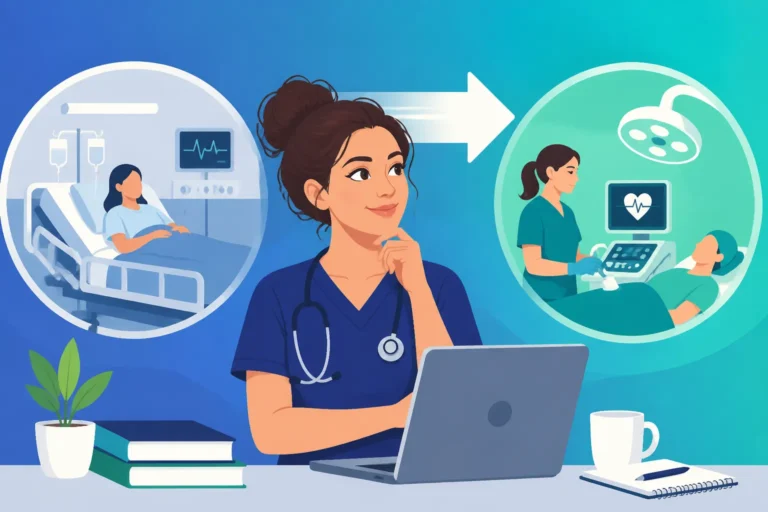
After becoming an RN, the immediate jump into critical care isn't typically recommended for new graduates. Most hospitals require at least 1-2 years of general medical-surgical experience before transitioning to an ICU. This initial experience allows you to hone essential nursing skills, manage multiple patients, and develop crucial time management and prioritization abilities in a less acute setting. Some hospitals do offer specialized critical care residency programs for new graduates, which are highly competitive but provide structured training and mentorship. These programs are often the fastest route to the ICU for a new nurse.
However, if a residency isn't an option, seeking experience in telemetry, emergency medicine, or even step-down units can be incredibly beneficial. These areas expose you to higher acuity patients, advanced monitoring, and rapid response situations, gradually preparing you for the intensity of the ICU. It’s about building a robust clinical foundation and demonstrating your commitment to continuous learning and patient safety. For those interested in expanding their career options, exploring other nursing specializations explained can also broaden your understanding of various healthcare environments.
Advancing Your Career Through Certification
Once you have a solid foundation of education and hands-on experience, the next significant step in becoming a critical care nurse is to pursue specialized certification. This not only validates your expertise but can also open doors to more advanced roles and responsibilities.
Understanding the CCRN Certification
The gold standard for critical care nurses is the Critical Care Registered Nurse (CCRN) certification, offered by the American Association of Critical-Care Nurses (AACN). Earning your CCRN demonstrates a deep understanding of critical care concepts and practices, signaling to employers, colleagues, and patients that you possess advanced knowledge and skills in this highly specialized field. There are specific eligibility requirements for the CCRN exam, primarily focused on your clinical experience. Generally, you need to have a current, unencumbered RN license and a certain number of direct care hours in a critical care setting (typically 1,750 or 2,000 hours, depending on the timeframe chosen, within the last two years). This ensures that candidates aren't just book-smart but also have practical, real-world experience managing critically ill patients. The CCRN has multiple pathways, including adult, pediatric, and neonatal, so you'll choose the one that aligns with your specific patient population experience.
Preparing for the CCRN Exam
Preparing for the CCRN exam is a serious undertaking, much like preparing for the NCLEX. The exam covers a wide range of topics, including cardiovascular, pulmonary, neurological, renal, gastrointestinal, endocrine, hematology/immunology, and multisystem issues. It also includes professional caring and ethical practice topics. Many nurses find it helpful to enroll in review courses, study groups, and utilize comprehensive study guides. Online question banks, similar to the powerful practice resources provided by Uworld for the NCLEX, are often available for the CCRN as well. These resources help you familiarize yourself with the exam format, identify areas where you need to improve, and build confidence. It’s not just about memorization; it's about applying critical thinking to complex clinical scenarios. Successfully passing the CCRN is a significant milestone, showcasing your dedication and expertise, and it can also contribute to higher earning potential, as discussed in nursing certifications that boost pay.
| Step in Becoming a Critical Care Nurse | Key Actions & Requirements | Typical Duration / Timing | Benefits & Outcomes |
|---|---|---|---|
| Foundational Education | Earn an ADN or BSN from an accredited nursing program. Pass NCLEX-RN. | 2-4 years | Eligibility for RN licensure; basic nursing competency. |
| Gaining Experience | Work 1-2 years in Med-Surg, Telemetry, ED, or Step-Down Unit. Seek critical care residency. | 1-2 years post-licensure | Develops critical thinking, prioritization, and hands-on skills in higher acuity. |
| Specialized Certification | Meet clinical hour requirements. Study for and pass the CCRN exam (Adult, Peds, or Neonatal). | Study: 3-6 months; Eligibility: 1,750-2,000 critical care hours. | Validates expertise; enhances career opportunities and salary potential. |
| Continuing Education | Pursue advanced degrees (MSN, DNP), sub-specializations, ongoing professional development. | Ongoing throughout career | Leads to advanced practice roles, leadership, and specialized roles. |
Beyond Certification: Continuing Education and Specialization
Earning your CCRN is a fantastic achievement, but the journey of a critical care nurse doesn't stop there. Nursing is a field of continuous learning, and for critical care professionals, further education and specialization can lead to even more fulfilling and impactful career paths.
Advanced Degrees and Sub-Specialties
Many critical care nurses choose to advance their education by pursuing a Master of Science in Nursing (MSN) or a Doctor of Nursing Practice (DNP). An MSN can open doors to roles such as a Clinical Nurse Specialist (CNS), Nurse Educator, or even a Nurse Practitioner (NP) specializing in acute care or critical care. For instance, an Adult-Gerontology Acute Care Nurse Practitioner (AGACNP) works directly with critically ill adults in hospital settings, often managing their complex medical needs from admission through discharge. Learning about MSN Programs: Complete Guide can provide a comprehensive overview of your options. These advanced degrees not only expand your scope of practice but also typically lead to significantly higher earning potential, as outlined in articles like nursing degrees and salaries explained.
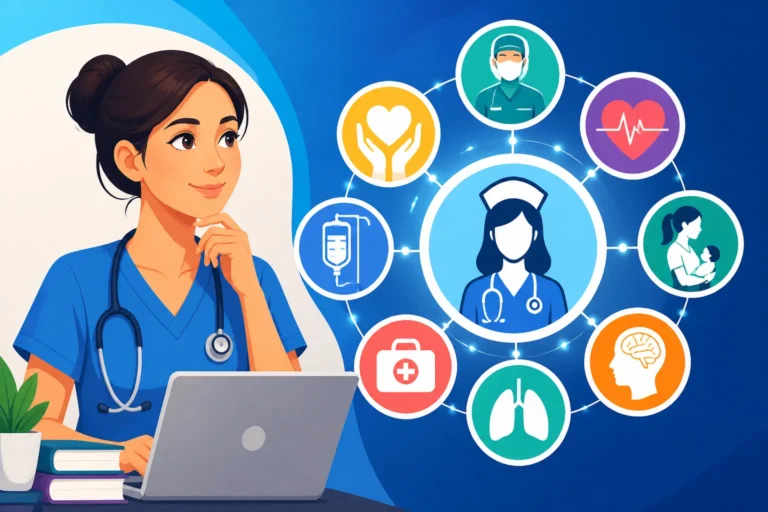
Beyond advanced degrees, critical care nursing offers numerous sub-specialties. You might choose to focus on specific patient populations like cardiac ICU (CICU), neurological ICU (NICU), pediatric ICU (PICU), or neonatal ICU (NICU). Each of these areas requires a deeper dive into specialized knowledge and skills, offering a chance to become an expert in a particular niche. For example, a nurse in a burn ICU will develop highly specific wound care and fluid management expertise, distinct from a nurse in a trauma ICU. These specialized roles often come with their own advanced certifications, further distinguishing your expertise.
The Value of Ongoing Professional Development
The world of critical care medicine is constantly evolving, with new research, technologies, and treatment protocols emerging regularly. Therefore, ongoing professional development is not just a recommendation, but a necessity. This can include attending conferences, workshops, and continuing education (CE) courses specific to critical care. Many professional organizations, like the AACN, offer a wealth of resources and opportunities for critical care nurses to stay current with best practices. Participating in hospital committees, precepting new nurses, or engaging in quality improvement projects within your unit are also excellent ways to continue learning and contribute to the profession.
This commitment to lifelong learning ensures you maintain your edge, continuously enhance your patient care skills, and remain a valuable asset to your healthcare team. It's a testament to the dynamic nature of nursing and the critical role you play in the lives of the most vulnerable patients. If you're still exploring different paths, guides like How to Choose a Nursing Specialty can help you weigh your options as you consider the incredible impact you can make as a critical care nurse.
Disclaimer
Please remember that the information provided in this guide is for informational purposes only and does not constitute professional advice. Nursing program requirements, licensure, and certification criteria can change, and specific details may vary by state and institution. Always consult official sources, academic advisors, and professional organizations for the most accurate and up-to-date information relevant to your personal circumstances.