Magnet Status and the BSN Requirement
For many registered nurses, the idea of advancing their education to a Bachelor of Science in Nursing (BSN) can feel like another hurdle in an already demanding career. But the truth is, a BSN is becoming less of an option and more of a critical requirement, especially if you dream of working in or staying with a Magnet-designated hospital. This comprehensive guide will break down exactly what Magnet status means, why BSNs are so closely tied to it, and how you can successfully navigate these evolving professional standards.
Understanding Magnet Recognition and Its Significance
You've probably heard the term "Magnet hospital" floating around, maybe in job postings or discussions among colleagues. It often comes with a certain prestige, an unspoken understanding that these facilities are somehow different, better. But what exactly does it mean to be a Magnet-designated hospital, and why has this recognition become such a powerful force in shaping nursing education requirements, especially the push for BSNs?
What Exactly is Magnet Status?
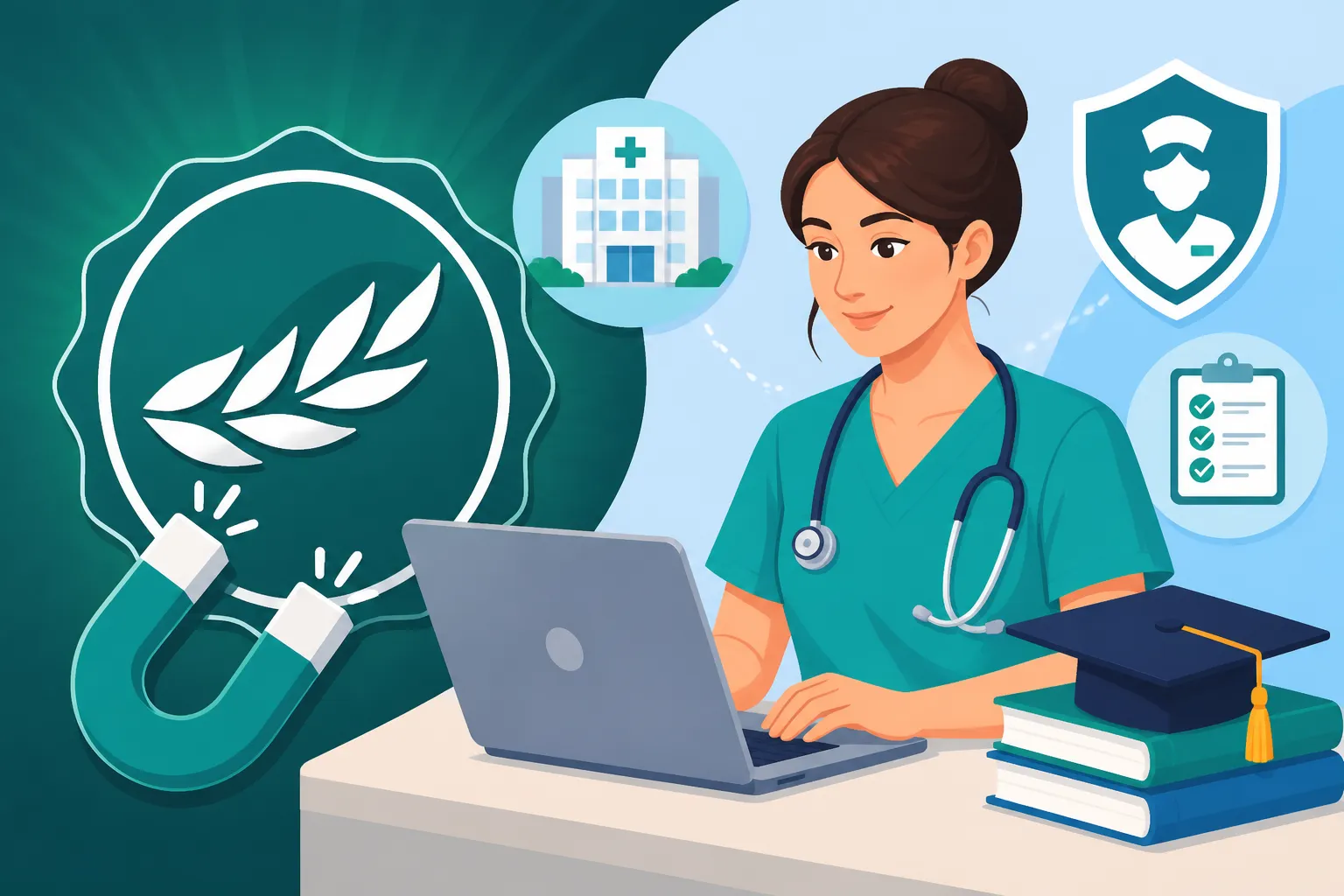
Magnet recognition is the highest and most coveted international distinction a healthcare organization can receive for nursing excellence and quality patient care. Awarded by the American Nurses Credentialing Center (ANCC), a subsidiary of the American Nurses Association (ANA), it's not just a fancy plaque on the wall. It’s a rigorous, multi-year process that evaluates an organization's commitment to nursing professionalism, teamwork, superior patient outcomes, and innovative nursing practices. Think of it as the gold standard for nursing care. Hospitals apply for and must demonstrate excellence across several "Forces of Magnetism," which include things like transformational leadership, structural empowerment, exemplary professional practice, and new knowledge, innovations, and improvements. It’s a holistic look at how nursing is valued, supported, and integrated into the entire patient care ecosystem.
When a hospital achieves Magnet status, it's essentially signaling to the world that its nurses are empowered, highly skilled, and committed to continuous improvement. This often translates to a work environment where nurses have a stronger voice in patient care decisions, are encouraged to pursue further education and professional development, and are part of a culture that champions evidence-based practice. It’s a cycle of excellence: Magnet status attracts top nursing talent, which in turn helps maintain and improve the high standards required for continued designation.
The Benefits of Working in a Magnet Facility
From a nurse's perspective, working in a Magnet-recognized hospital can offer a significantly different experience compared to non-Magnet facilities. First and foremost, studies consistently show that Magnet hospitals tend to have higher job satisfaction and lower nurse turnover rates. This isn't just because of a positive work environment; it's often due to the emphasis on shared governance, professional autonomy, and opportunities for career advancement. You're not just a pair of hands; you're an integral part of decision-making, contributing to policy changes and best practices. This kind of empowerment can be incredibly validating after years of feeling overlooked or underappreciated.
Beyond the work environment, Magnet hospitals often invest more in their nurses' professional growth. This can include tuition reimbursement programs for advanced degrees, robust continuing education offerings, and support for obtaining specialty certifications. For many nurses who are wondering, "Is an RN to BSN Worth It?", the career opportunities and enhanced work-life quality found in Magnet facilities often provide a resounding "yes." These hospitals actively encourage their ADN-prepared nurses to pursue their BSN, sometimes even making it a condition of employment or promotion. This support structure can make the journey to a BSN feel much more attainable than trying to tackle it on your own. You're part of a system that genuinely believes in and invests in your professional development.
The Rigorous Journey to Magnet Designation
Achieving Magnet status is no small feat. It's an arduous, multi-year undertaking that requires dedication from every level of the organization, but especially from its nursing staff. The process involves a comprehensive application, written documentation of how the hospital meets the various Magnet standards, and an on-site visit by ANCC appraisers who interview staff, observe practices, and validate the claims made in the application. It's a deep dive into every aspect of nursing within the institution, from leadership styles to patient outcomes, from staffing models to professional development opportunities.
For nurses on the front lines, this journey means actively participating in quality improvement initiatives, embracing evidence-based practice, and demonstrating a commitment to their own continuous learning. You might find yourself more involved in unit councils, research projects, or educational committees. The rigor of the Magnet process demands a data-driven approach, meaning hospitals must track and submit extensive metrics related to patient care, nurse satisfaction, and professional development. It’s an ongoing commitment, as Magnet designation isn't a "one and done" award; hospitals must reapply every four years, demonstrating sustained excellence and continuous improvement. This perpetual pursuit of quality often translates directly into the expectation that nurses will hold higher degrees, like the BSN, to support these elevated standards of care.
The Evolving Landscape of the BSN Requirement
It might seem like the push for BSN-prepared nurses is a recent phenomenon, a new hoop to jump through. But the truth is, the discussion around the importance of a baccalaureate degree in nursing has been ongoing for decades, steadily gaining momentum as healthcare becomes more complex and patient needs grow more intricate. Magnet recognition has played a significant, if not pivotal, role, in accelerating this shift.
Historical Context of Nursing Education
Historically, the entry point into registered nursing was often through diploma programs offered by hospitals or Associate Degree in Nursing (ADN) programs at community colleges. These programs provided a solid foundation in clinical skills and prepared nurses for immediate bedside care. Many veteran nurses, incredibly skilled and dedicated, began their careers this way, myself included. We learned on the job, honing our skills through experience. However, as medical science advanced and healthcare settings grew more complex, there was a growing recognition that a broader educational base could better prepare nurses for the multifaceted challenges they would face.
Reports dating back to the 1960s and 70s, like the American Nurses Association's position paper on entry into practice, advocated for the BSN as the minimum educational requirement for professional nursing practice. The argument was that a BSN curriculum, with its emphasis on leadership, research, community health, and critical thinking, provides a more comprehensive foundation for nurses to navigate complex patient cases, lead care teams, and adapt to evolving healthcare demands. While these recommendations were initially met with resistance, they laid the groundwork for the gradual shift we're seeing today.
How Magnet Influenced BSN Mandates
The true acceleration of the BSN requirement really took off with the rise of Magnet recognition. When the ANCC established its Magnet Recognition Program in the 1990s, one of the implicit, and later explicit, criteria for achieving and maintaining this esteemed status was a commitment to increasing the percentage of BSN-prepared nurses on staff. While not an immediate mandate, the data collected from Magnet hospitals consistently demonstrated that a higher proportion of BSN-prepared nurses correlated with better patient outcomes. This evidence was powerful.
By 2013, the ANCC made it a formal requirement that, by 2020, Magnet-recognized hospitals must have 80% of their nurse managers and nurse leaders hold a BSN or higher, and demonstrate a clear plan to increase the percentage of their direct care registered nurses with a BSN or graduate degree. This wasn't just a suggestion; it was a concrete benchmark that incentivized hospitals to actively support and even require their ADN-prepared nurses to pursue further education. Suddenly, for hospitals wanting to achieve or maintain Magnet status, investing in Online RN to BSN Programs: Complete Guide for their staff became not just good practice, but a strategic imperative. This external pressure from a highly respected accreditation body changed the game, turning a long-standing academic recommendation into a widespread professional expectation.
The Push for a More Highly Educated Workforce
Beyond Magnet status, there’s a broader societal push for a more highly educated nursing workforce. Organizations like the Institute of Medicine (now the National Academy of Medicine) further solidified this by recommending that 80% of the nursing workforce hold a BSN by 2020 in their landmark "Future of Nursing" report. While the 80% goal wasn't fully met nationwide by 2020, it significantly influenced policies, educational programs, and hiring practices across the country.
This push isn't about devaluing the experience and skills of ADN-prepared nurses; it's about equipping all nurses with a broader set of tools to address the increasing complexities of modern healthcare. Today's nurses aren't just administering medication and changing dressings. They are navigating intricate electronic health records, coordinating care across multiple disciplines, educating patients and families on chronic disease management, and engaging in quality improvement initiatives. These responsibilities demand advanced critical thinking, leadership skills, and a deeper understanding of public health, all of which are emphasized in a BSN curriculum. Understanding the full scope of RN to BSN Requirements Explained is crucial for nurses considering this educational path, as programs are designed to build upon existing ADN knowledge.
The Tangible Impact of BSN-Prepared Nurses
The arguments for a BSN aren't just theoretical; they are backed by a growing body of evidence demonstrating a tangible positive impact on patient care, nursing practice, and healthcare organizations as a whole. It’s not simply about having a degree; it's about the enhanced skill set and broader perspective that degree cultivates.
Improved Patient Safety and Clinical Outcomes
One of the most compelling reasons behind the push for BSN-prepared nurses in Magnet hospitals is the consistent research linking higher levels of nursing education to improved patient outcomes. Studies have shown that hospitals with a higher proportion of BSN-prepared nurses experience lower rates of patient mortality, fewer medication errors, and reduced incidence of adverse events like pressure ulcers and hospital-acquired infections. For instance, a seminal study by Dr. Linda Aiken and colleagues found that a 10% increase in the proportion of BSN-prepared nurses was associated with a 5% decrease in the odds of patient mortality and failure to rescue.
Why is this the case? BSN programs delve deeper into areas like evidence-based practice, critical thinking, patient assessment, and complex disease management. This extended education equips nurses to better identify subtle changes in patient condition, critically evaluate treatment plans, and advocate more effectively for their patients. They are better prepared to understand the broader context of patient care, including public health implications and interdisciplinary collaboration, which can lead to more holistic and safer care delivery. This is a primary reason why Why Hospitals Prefer BSN Nurses extends beyond just Magnet facilities; it's about the verifiable improvements in patient safety and quality of care.
Enhanced Professional Practice and Autonomy
A BSN education goes beyond basic clinical skills, fostering a deeper understanding of nursing theory, leadership, research, and healthcare policy. This broader perspective often translates into greater professional autonomy and a more sophisticated level of practice. BSN-prepared nurses are typically better equipped to take on leadership roles, participate in shared governance models, and contribute to policy development within their organizations. They're taught to be innovators and problem-solvers, not just task-doers.
This enhanced autonomy allows nurses to exercise more independent clinical judgment, leading to more confident and effective decision-making at the bedside. They're more likely to question established practices, seek out evidence to support their care, and initiate improvements. Moreover, a BSN opens doors to a wider range of career paths, including roles in nursing education, informatics, case management, and public health. For ADN-prepared nurses considering the next step, this professional development opportunity is a significant factor. Resources like Uworld, known for its comprehensive test preparation, can also be invaluable for nurses pursuing specialty certifications after their BSN, further enhancing their professional practice and opening new avenues for career growth.
Fostering a Culture of Excellence and Collaboration
Magnet hospitals, by their very nature, strive for a culture of excellence. This environment thrives on continuous learning, evidence-based practice, and robust interdisciplinary collaboration. BSN-prepared nurses, with their foundational knowledge in research and quality improvement, are often instrumental in cultivating and sustaining this culture. They are more likely to engage in formal and informal mentorship, participate in journal clubs, and lead initiatives to implement new best practices.
Their education also prepares them for more effective collaboration with physicians, allied health professionals, and other healthcare team members. They understand how to articulate their assessments, contribute to care planning from a broader perspective, and navigate complex ethical dilemmas. This collaborative spirit, where every voice is valued and contributes to shared goals, directly impacts patient care quality and staff morale. In a Magnet environment, where professional development is key, the expectation is that nurses are not just competent, but continually seeking to elevate their practice and contribute to a collective culture of innovation and shared learning.
Practical Pathways for ADN-Prepared Nurses
If you're an ADN-prepared nurse working in or aspiring to work in a Magnet facility, the increasing emphasis on the BSN might feel daunting. But rest assured, countless nurses have successfully navigated this path, and there are more flexible and accessible options than ever before. The key is to find a program that fits your life, your learning style, and your career goals.
Choosing the Right Online RN to BSN Program
For working nurses, online RN to BSN programs have become a game-changer. They offer the flexibility to continue working while pursuing your degree, eliminating the need to commute to a physical campus. This flexibility is absolutely crucial when you're juggling shifts, family responsibilities, and the demands of everyday life. When exploring your options, it's vital to look for Accredited Online RN to BSN Programs. Accreditation by bodies like the CCNE (Commission on Collegiate Nursing Education) or ACEN (Accreditation Commission for Education in Nursing) ensures that the program meets rigorous quality standards and that your degree will be recognized by employers and for future graduate studies.
Beyond accreditation, consider the program structure. Some offer accelerated formats, allowing you to finish quicker, while others are more self-paced. Think about whether you prefer a traditional semester-based schedule or a competency-based model where you progress as you master subjects. It's also important to consider the curriculum and ensure it aligns with your career interests. Some programs might have a stronger focus on leadership, while others emphasize community health or informatics. Don't be afraid to reach out to academic advisors at prospective schools; they can help you understand the nuances of their offerings. Looking into a school's RN to BSN Completion Timeline can help you set realistic expectations for your studies.
Navigating Financial Aid and Employer Support
The cost of continuing your education is often a major concern for nurses. Thankfully, there are many avenues to explore when it comes to funding your RN to BSN. Many employers, especially Magnet-designated hospitals or those striving for the status, offer generous tuition reimbursement programs as part of their commitment to a highly educated workforce. This is a direct benefit of the Magnet push: hospitals need their nurses to get BSNs, so they often help pay for it. It's definitely worth investigating your workplace's policies. Learning How to Get Your Employer to Pay for BSN can save you a significant amount of money and stress.
Beyond employer support, don't overlook traditional financial aid. Fill out the Free Application for Federal Student Aid (FAFSA) to see if you qualify for federal grants or loans. Many universities also offer institutional scholarships specifically for nursing students, and there are numerous external nursing scholarships available from professional organizations and foundations. It's also wise to research the RN to BSN Financial Aid Options at different institutions, as some might have more robust scholarship opportunities or more competitive per-credit hour costs. For example, comparing the How Much Does an RN to BSN Cost across various online programs can help you find a financially feasible option.
Maximizing Transfer Credits and Program Efficiency
One of the biggest advantages for ADN-prepared nurses pursuing a BSN is the ability to transfer a significant portion of their previous credits. Your ADN coursework, general education credits, and even your RN licensure often count towards a substantial portion of your BSN requirements. This means you’re not starting from scratch; you’re building upon the excellent foundation you already have. Make sure to understand how RN to BSN Transfer Credit Explained at different institutions. Some programs are more generous than others in accepting prior learning.
When evaluating programs, ask about their transfer credit policies explicitly. Many online RN to BSN programs are specifically designed to maximize transfer credits for ADN graduates. Some might even award a block of credits for your RN license itself, significantly shortening your path to graduation. Being strategic about where you apply and understanding how your existing credentials translate can drastically reduce both the time and cost of your BSN. Don't waste time retaking courses you've already mastered; find a program that truly values your prior education and experience. This efficiency is paramount for working nurses trying to balance demanding schedules.
Looking Ahead: The Future of Nursing Education
The journey to an RN to BSN isn't just about meeting current requirements; it's about positioning yourself for the future of nursing. The healthcare landscape is constantly evolving, and with it, the expectations for nursing professionals continue to climb. Understanding these trends can help you make informed decisions about your ongoing education and career trajectory.
The 80% BSN Goal: Where Are We Now?
The Institute of Medicine's recommendation for 80% of nurses to hold a BSN by 2020 was an ambitious goal. While the U.S. didn't quite hit the 80% mark nationwide by that deadline, significant progress has been made. According to data from the American Association of Colleges of Nursing (AACN), the percentage of RNs with a BSN or higher has steadily increased, with over 70% of the registered nurse workforce holding a baccalaureate or graduate degree as of 2029. This shows a clear and undeniable trend towards higher education in nursing.
Even if the national target wasn't fully met, the impact of the recommendation, coupled with Magnet requirements, has permanently shifted the expectations within the profession. Many healthcare systems now have internal policies that prefer or require a BSN for new hires, especially in competitive urban markets like New York City or Los Angeles. For ADN-prepared nurses already working, the pressure to complete a BSN continues, often with deadlines set by employers. This trend isn't slowing down; it’s becoming the new normal. For anyone considering an advanced degree, choosing an RN to BSN program is an important first step.
Beyond the BSN: Master's and Doctoral Degrees
For many nurses, the BSN isn't the final stop on their educational journey. It's often a stepping stone to even higher degrees, such as a Master of Science in Nursing (MSN) or a Doctor of Nursing Practice (DNP). With a BSN, you gain the foundational knowledge and critical thinking skills necessary to pursue advanced practice roles like Nurse Practitioner (NP), Certified Registered Nurse Anesthetist (CRNA), or Nurse Educator. These roles offer increased autonomy, specialized practice areas, and typically, significantly higher earning potential.
The DNP is particularly gaining traction as the terminal degree for advanced practice nurses, similar to how the MD is for physicians. This emphasis on doctoral-level education reflects the increasing complexity of healthcare and the demand for nurses who can lead in clinical practice, healthcare policy, and systems management. Pursuing these advanced degrees can further cement your role as a leader and expert in your field, offering unparalleled opportunities for impact and influence. Many nurses find their BSN coursework directly prepares them for the rigors of a RN to BSN to MSN Bridge Explained program, streamlining their path to advanced practice.
Lifelong Learning and Professional Growth
Regardless of your current degree or future aspirations, the nursing profession demands a commitment to lifelong learning. The healthcare landscape is dynamic, with new research, technologies, and treatment modalities emerging constantly. What was best practice five years ago might be outdated today. Maintaining competence and excellence means staying current, engaging in continuous professional development, and actively seeking new knowledge.
This continuous learning isn't just about formal degrees; it includes attending conferences, participating in professional organizations, pursuing specialty certifications, and reading peer-reviewed journals. Magnet hospitals, in particular, champion this culture, providing resources and incentives for nurses to constantly grow. Whether you're using study tools like Uworld to prepare for a new certification or enrolling in a specialized workshop, embracing lifelong learning is essential for every nurse. It ensures you remain a vital, adaptable, and highly skilled professional, ready to meet the evolving demands of patient care and contribute meaningfully to the healthcare team.
Disclaimer
Please remember that the information provided in this article is intended for general informational purposes only and does not constitute professional career, financial, or educational advice. Requirements for nursing programs, financial aid options, and job market conditions can vary widely by institution, location, and individual circumstances. Always consult with academic advisors, financial aid professionals, and official program websites for the most accurate and up-to-date information relevant to your specific situation.